
Call us now :08045801217
 Send Inquiry
 Send Inquiry
Circulating water Channel with 2 Impellers
Price 500000.0 INR/ Number
MOQ : 1 Number
Circulating water Channel with 2 Impellers Specification
- Material
- Stainless Steel/Aluminum
- Processing Type
- Mechanical circulation
- Condition
- New
- Technology
- Circulating water channel with dual impeller system
- Dimension (L*W*H)
- 3000 x 600 x 1200 mm
- Power Mode
- Electric
- Voltage
- 220V/50Hz
- Power Consumption
- Approx. 2 kW
- Pressure Output
- 0-2 bar (adjustable)
- Application
- Hydrodynamic studies, Fluid Mechanics Labs, Research and Education
- Coating Type
- Corrosion-resistant coating
- Accessories
- 2 Impellers, Flow regulating valves, Supporting frame, Transparent channel section
- Impeller Material
- High-strength polymer
- Window Material
- Tempered observation glass
- Temperature Range
- 5C to 40C
- Channel Depth
- 300 mm
- Safety Features
- Emergency stop, overload protection
- Flow Range
- 0.05 to 0.5 m^3/s
- Operating Environment
- Indoor, Lab/Research setting
- Equipment Type
- Fluid Dynamics Laboratory Equipment
- Compliance
- Meets ISO and CE Standards
- Mobility
- Fitted with lockable caster wheels
- Noise Level
- <65 dB at max speed
- Frame Construction
- Powder-coated MS frame
- Control Panel
- Digital speed and flow control
- Tank Capacity
- 400 Liters
Circulating water Channel with 2 Impellers About
Overview
A high-performance circulating water channel equipped with dual impellers, designed for advanced hydrodynamic research, flow visualization, and experimental studies. The dual-impeller configuration enables improved flow uniformity, higher controllability, and enhanced performance over a wide velocity range.
Key Features
- Dual Impeller System
- Provides stable and uniform flow distribution
- Enables higher flow rates and improved control
- Closed-loop Circulation System
- Continuous water circulation for long-duration experiments
- Observation Section
- Transparent test section for flow visualization and measurement
- Suitable for PIV, dye visualization, and model testing
- Precision Flow Control
- Inverter-based speed control for accurate flow adjustment
Typical Applications
- Hydrodynamic and fluid mechanics research
- Flow visualization studies
- Marine and offshore engineering experiments
- Sediment transport and environmental flow studies
- Model testing and academic research
Construction & Materials (Typical)
- Main Structure: Stainless Steel / FRP / PVC
- Observation Section: Transparent Acrylic
- Impellers: Corrosion-resistant stainless steel
Drive System
- Number of Impellers: 2
- Motor Type: Electric motor (submersible or external type)
- Control: Inverter control (frequency-based speed adjustment)
- Power Supply: AC 3-phase (specifications configurable)
Optional Features
- Flow straighteners for enhanced uniformity
- Temperature control system
- Filtration system
- Data acquisition and instrumentation integration
Precision-Engineered for Laboratory Research
Our circulating water channel is tailor-made for fluid dynamics studies, offering dependable and repeatable flow conditions. The digital control system allows for granular adjustment of both speed and flow, enabling a wide array of experiments for both academic research and industrial demonstrations.
Optimized for User Safety and Longevity
Engineered with safety at the forefront, this equipment incorporates emergency stops, overload protection, and superior construction materials. The unit complies with ISO and CE standards, ensuring it meets stringent laboratory safety and quality requirements.
Enhanced Visibility and Ease of Operation
With tempered glass observation panels and a low-noise operation, users can closely monitor water flow dynamics. The mobile frame fitted with lockable caster wheels ensures that the channel can be relocated effortlessly within the laboratory as needed.
FAQ's of Circulating water Channel with 2 Impellers:
Q: How does the circulating water channel generate flow, and what are its key application areas?
A: The channel uses two high-strength polymer impellers to produce controlled water flow within the range of 0.05 to 0.5 m3/s. It is primarily used for laboratory and research experiments in fluid dynamics such as flow visualization, hydraulic modeling, and velocity profiling.Q: What is the recommended operating procedure for this equipment?
A: Before use, ensure the tank is filled up to its 400-liter capacity. Set your required flow and speed parameters using the digital control panel, then start the impellers. Always observe safety protocols, including positioning the emergency stop switch within reach.Q: When should I use the emergency stop and what protection features are available?
A: The emergency stop should be engaged immediately if an unsafe condition arises, such as a blockage or overload. The system also includes overload protection to automatically shut down the impellers and prevent equipment damage.Q: Where should the circulating water channel be installed for optimal performance and safety?
A: Install the equipment in an indoor, controlled laboratory or research environment with an ambient temperature between 5C and 40C. The frame's lockable caster wheels allow for secure placement anywhere on a smooth, level surface.Q: What benefits does the tempered observation glass provide during experiments?
A: The tempered observation glass windows allow users to safely and clearly observe water flow patterns and experimental setups without exposing themselves to moving parts or splashing. This results in safer, more precise data collection.Q: How does the equipment ensure a quiet and suitable environment for laboratory settings?
A: The channel operates at a noise level below 65 dB even at maximum speed, minimizing disruptions and enabling clear communication and concentration during experiments.Q: What standards does the equipment comply with, and why is this important?
A: It meets both ISO and CE standards, ensuring that the equipment is manufactured and tested according to recognized international safety, quality, and environmental criteria.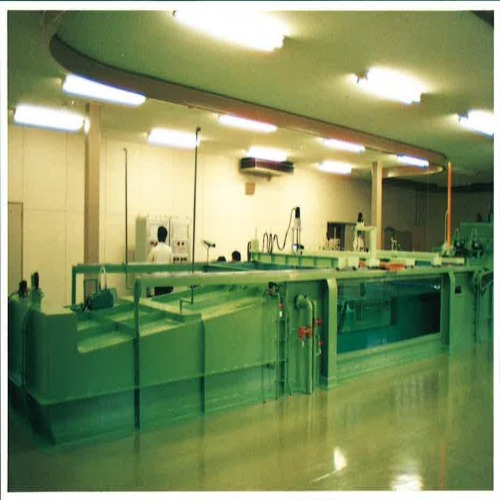
Tell us about your requirement

Price:
Quantity
Select Unit
- 50
- 100
- 200
- 250
- 500
- 1000+
Additional detail
Mobile number
Email

More Products in Water Tunnel Category
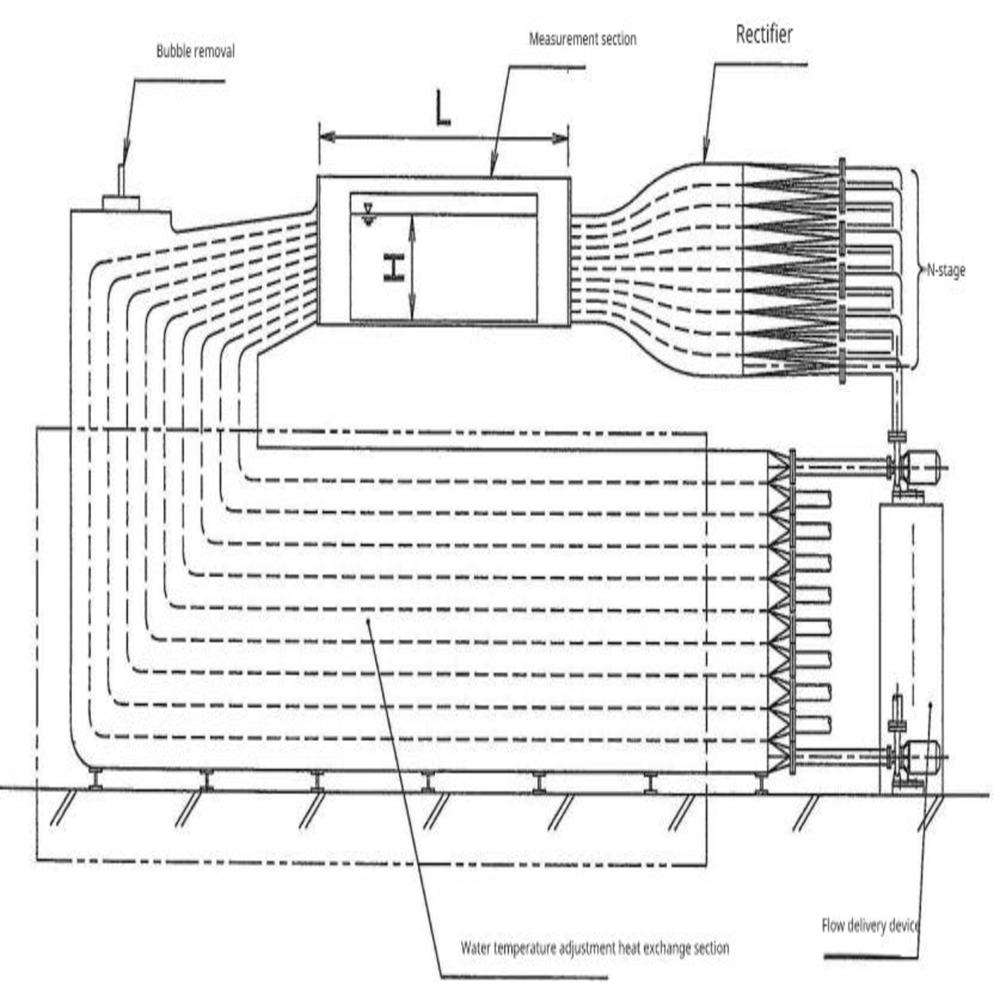
Thermal Stratification Tank
Price 500000.0 INR / Unit
Minimum Order Quantity : 1 Unit
Dimension (L*W*H) : Customizable based on Capacity
Equipment Type : Thermal Stratification Tank
Power Mode : Other, Electric / Heat Exchanger Connected
Accessories : Temperature Sensors, Control Valves, Rectifier, Flow Delivery Device
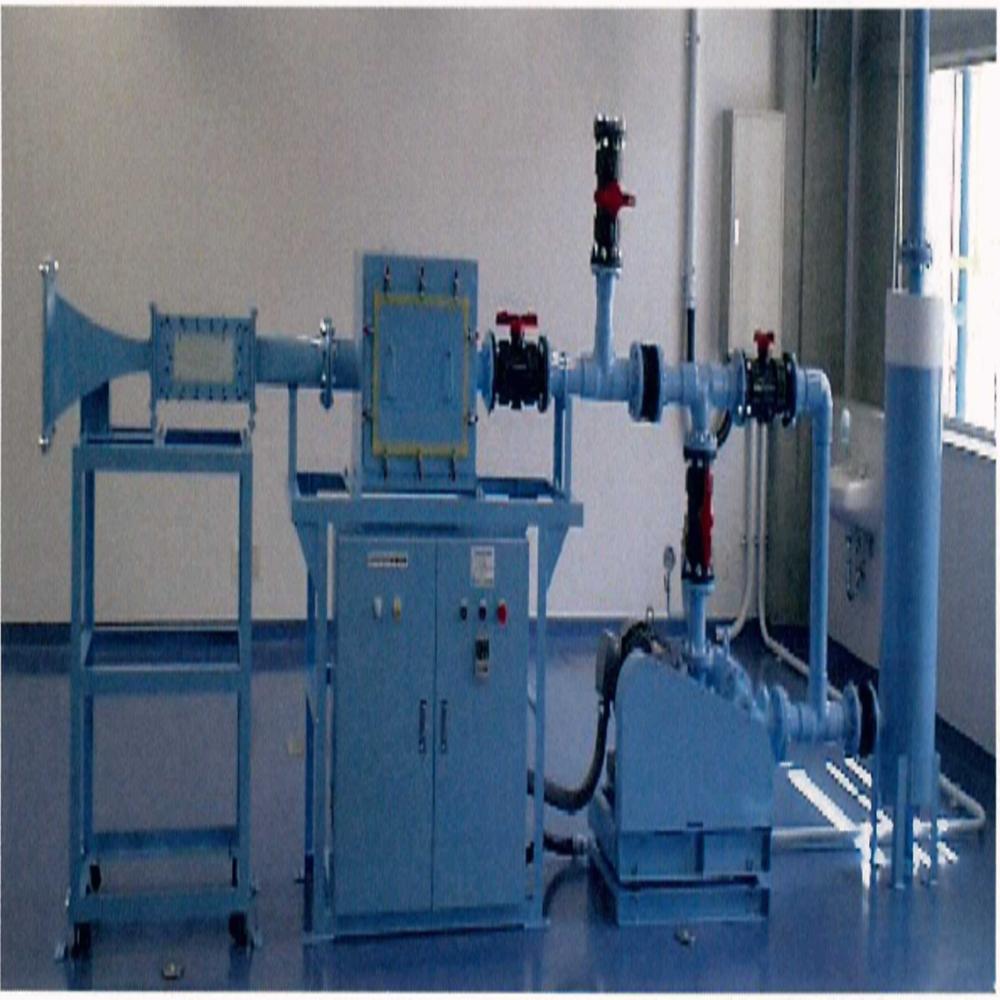
Sonic Wind Tunnel
Price 500000.0 INR / Unit
Minimum Order Quantity : 1 Unit
Dimension (L*W*H) : 2.5m x 1.2m x 1.5m
Equipment Type : Sonic Wind Tunnel
Power Mode : Electric
Accessories : Control Console, Measuring Instruments, Data Acquisition System, Test Chamber Accessories
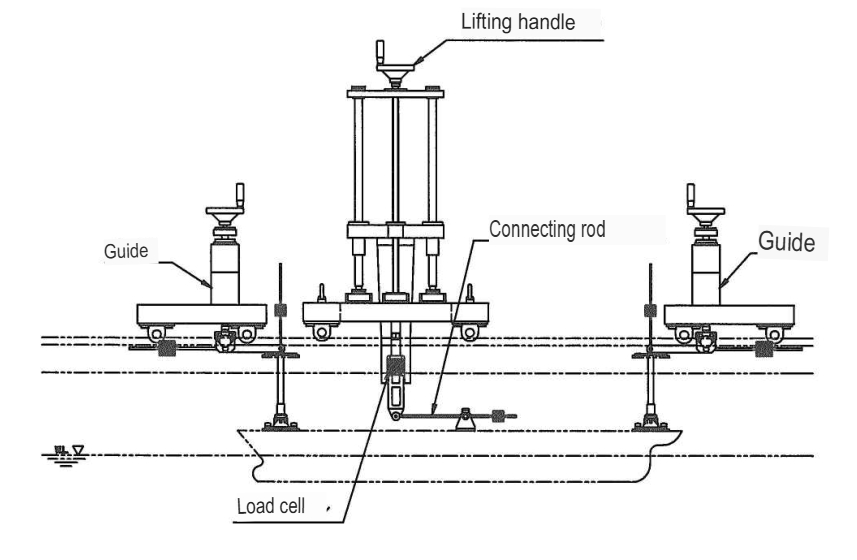
Resistance Tester
Price 500000.0 INR / Piece
Minimum Order Quantity : 1 Piece
Dimension (L*W*H) : 420 mm x 320 mm x 290 mm
Equipment Type : Resistance Tester
Power Mode : Other, Electric, Mains supply
Accessories : Load cell, connecting rods, cables, and user manual
Surface Accelerator
Price 500000.0 INR / Piece
Minimum Order Quantity : 1 Piece
Dimension (L*W*H) : 2100 mm 480 mm 670 mm
Equipment Type : Surface Accelerator
Power Mode : Electric
Accessories : Integrated Control Panel, Pressure Gauges, Mounting Fittings

 Send Inquiry
Our Products


Plot No - 553, Phase 2 GIDC Vatva, Near Railway Station Vatva,Ahmedabad - 382445, Gujarat, India

Mr Devang Modi
(Director)
Mobile :08045801217
 Send Inquiry
 Send SMS
Developed and Managed by Infocom Network Private Limited.
