
Call us now :08045801217
 Send Inquiry
 Send Inquiry
Computer Controlled Subsonic Wind Tunnel
Price 750000.0 INR/ Unit
MOQ : 1 Piece
Computer Controlled Subsonic Wind Tunnel Specification
- Accuracy
- 0.5 %
- WorkingSpeed
- 50 m/s
- Frame Type
- Heavy duty aluminum structure
- Country Of Origin
- India
- Voltage
- 220-240 Volt (v)
- Connectivity Options
- USB, Ethernet, RS232
- Operating Temperature
- 10 C to 40 C ambient Celsius (oC)
- Production Capacity
- 1 unit/month Kg
- Cooling System
- Forced air cooling for motor
- Noise Level
- <65 dB(A) at maximum speed db
- Machine Type
- Educational/Research Equipment
- Lubricating System
- Self-lubricating bearings
- Model No
- WT-CCS-2024
- Control System
- Manual, Semi-Automatic, Fully Automatic, PLC
- Drive
- Direct drive centrifugal fan
- Motor Power
- 1500 Watt (W)
- Frequency
- 50/60 Hertz (HZ)
- Features
- Data logging, real-time graphing, high transparency test section, quick access ports
- Power Rating
- 1.5 kW
- Product Type
- Other
- Technology
- Other
- Power Source
- Electricity
- Operating Type
- Automatic
- Power
- 10 Horsepower (HP)
- Pressure
- Atmospheric to 2500 Pa (differential control) Bar
- Surface Treatment
- Other
- Dimension (L*W*H)
- Approx. 2500 x 800 x 1600 mm Millimeter (mm)
- Weight (kg)
- 820 kg Kilograms (kg)
- Color
- Grey/White
- Warranty
- 1 Years
- Usage & Applications
- Aerodynamic studies, flow visualization, educational and research labs
- Safety Features
- Overload protection, emergency stop
- Sensor Types
- Pitot tube, multi-point pressure, hot-wire anemometer
- Fixture Capability
- Adaptable for multiple model types (airfoil, sphere, cylinder, etc.)
- Fan Type
- Centrifugal, speed controlled
- Windows Compatibility
- Windows 7, 8, 10 supported
- Pedestal Type
- Caster mounted with brakes
- Data Acquisition
- 16-channel A/D data acquisition system
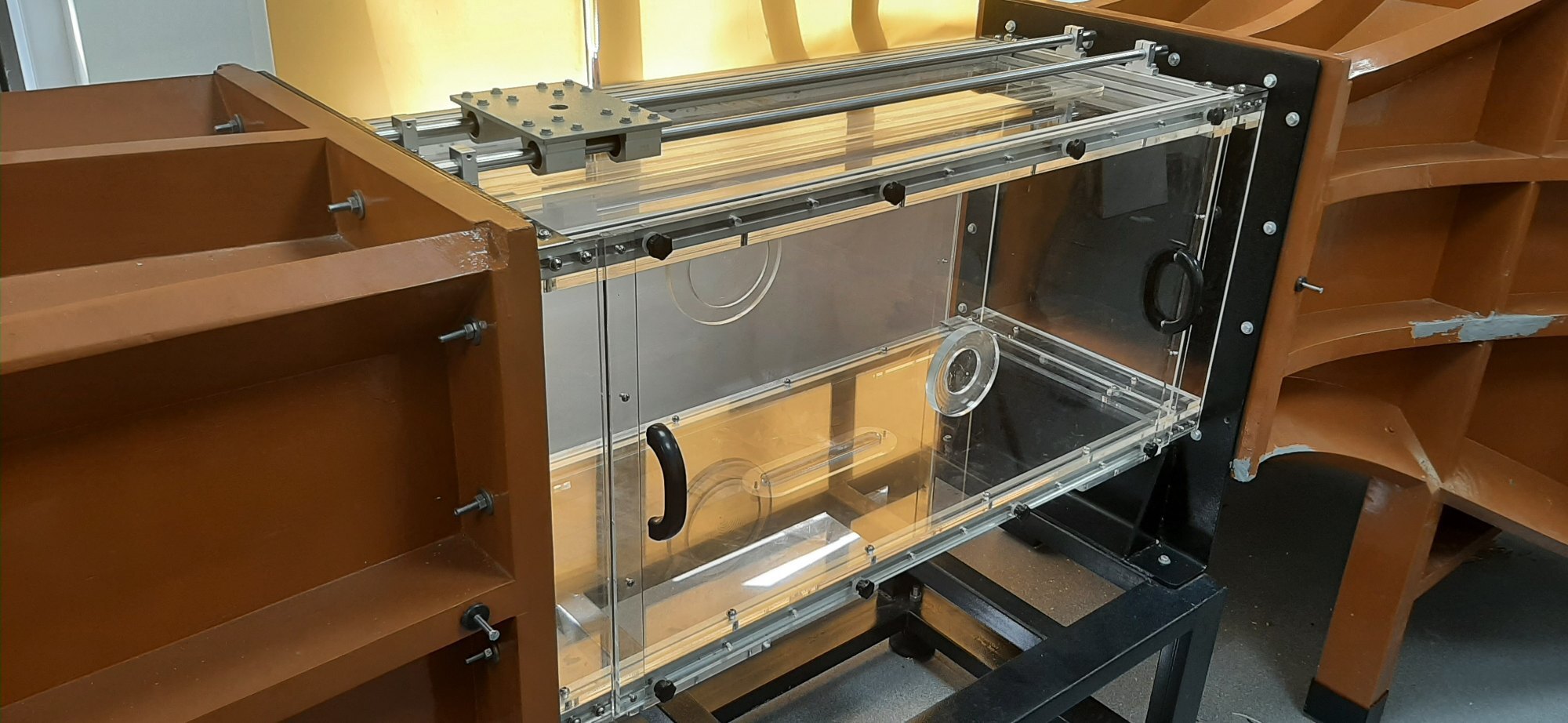
- Test Section Size
- 300 x 300 mm (cross-section)
- Lighting
- Integrated LED illumination for test section
- Measurement Capability
- Velocity, pressure, drag, lift
- Transparent Section Material
- Acrylic (shatter-resistant)
- Maximum Air Velocity
- Up to 35 m/s
Computer Controlled Subsonic Wind Tunnel Trade Information
- Minimum Order Quantity
- 1 Piece
- Delivery Time
- 60 Days
- Main Domestic Market
- All India
Computer Controlled Subsonic Wind Tunnel About
Wind tunnel is a facility for creating a uniform wind of known value in a test section where fluid flow phenomena can be investigated, models, of Aircrafts etc., can be tested from their performance, and also students training/teaching in fluid mechanics/aerodynamics. The facility can also be used for industrial aerodynamics testing and simulation studies on many of fluid problems.The main part of the tunnel are Honey comb section, screens, contraction cone, test section, diffuser, safety screens, fan section, fan, motor and speed control drivers.
KEY SPECIFICATION
Computerised Data SystemType of tunnel: Open circuit-suction type.Test section size: 0 - 1500 mm (As per Need)Maximum speed: 0- 50 m/secFan: Axial flow fan, Maximum rpm 1440Contraction Ratio: 9:1
Versatile Research and Educational Equipment
Designed to support a wide range of aerodynamic studies, this wind tunnel accommodates airfoil, sphere, and cylinder models for comprehensive experimentation. Its advanced sensor integration and adaptable fixture capability make it ideal for both academic research and student education in fluid dynamics.
Advanced Measurement and Control System
Benefit from highly accurate analyses, thanks to the 16-channel A/D data acquisition and multiple types of velocity and pressure sensors. The digital PC interface, along with touch screen controls, allows for seamless operation, real-time data logging, and immediate visualization of experimental results.
Durable and User-Focused Design
Constructed with a powder-coated, corrosion-resistant aluminum frame, and fitted with shatter-resistant acrylic, the wind tunnel combines safety with rugged reliability. Features such as integrated LED illumination, overload protection, and a forced-air cooling system ensure safe, efficient, and long-term operation.
FAQ's of Computer Controlled Subsonic Wind Tunnel:
Q: How does the computer-controlled wind tunnel operate for aerodynamic tests?
A: The wind tunnel utilizes a centrifugal, speed-controlled fan to generate airflow through an acrylic test section, where models such as airfoils, spheres, and cylinders can be mounted. The digital control system and PC interface allow users to adjust airflow, collect data, and analyze flow patterns in real time.Q: What measurement capabilities does the wind tunnel offer?
A: It features advanced sensor integration, including Pitot tubes, multi-point pressure sensors, and a hot-wire anemometer for measuring airflow velocity, pressure distribution, as well as drag and lift forces on test models, all with an accuracy of 0.5%.Q: When is this wind tunnel ideal for use?
A: This system is particularly well-suited for laboratory research, educational demonstrations, and aerodynamic studies where precise airflow measurement and control are required, such as university engineering courses or product development testing.Q: Where can the wind tunnel be installed and used?
A: It is designed for use in research laboratories, educational institutions, and industrial settings, thanks to its caster-mounted pedestal for mobility and secure positioning, as well as robust construction suitable for indoor environments.Q: What is the process for setting up and operating the wind tunnel?
A: Setup is straightforward: position the tunnel using its caster-mounted base, connect to a 220-240V AC power supply, and link the PC via USB, Ethernet, or RS232. Operation is fully automatic using the digital touch screen or computer software, with overload protection and emergency stop features enhancing safety throughout usage.Q: How does using this wind tunnel benefit aerodynamic studies and research?
A: The system's high measurement accuracy, quick access ports, and real-time data visualization capabilities facilitate efficient experimentation. Its adaptability for various model types enables comprehensive research, while integrated safety and user-friendly controls ensure reliable and repeatable results.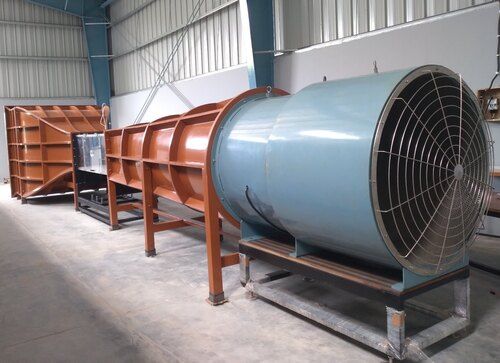
Tell us about your requirement

Price:
Quantity
Select Unit
- 50
- 100
- 200
- 250
- 500
- 1000+
Additional detail
Mobile number
Email

More Products in Wind Tunnel Category
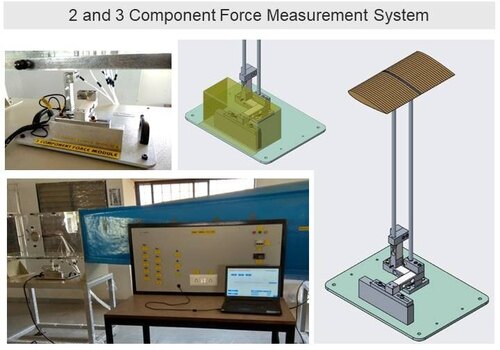
3 Component Force Measurement System
Price 145000 INR / Unit
Minimum Order Quantity : 1 Unit
Power Source : Electricity
Operating Type : Semi Automatic
Control System : SemiAutomatic
Country Of Origin : India
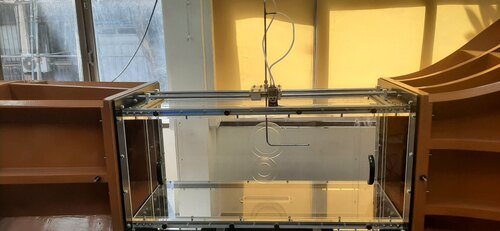
Wind Tunnel Test Section
Price 25000 INR / Unit
Minimum Order Quantity : 1 Unit
Power Source : Other, manual
Operating Type : Manual
Control System : Manual
Country Of Origin : India
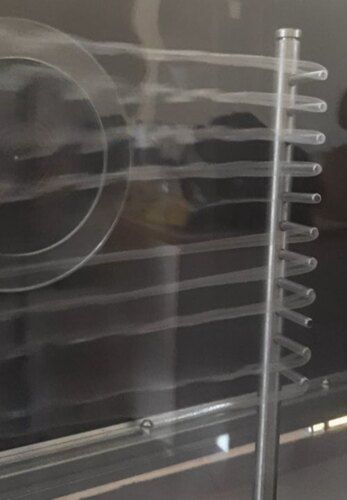
Smoke Generator for Wind Tunnel
Price 45000.00 INR / Piece
Minimum Order Quantity : 1 Piece
Power Source : Electricity
Operating Type : Automatic
Control System : Fully Automatic, CNC
Country Of Origin : India
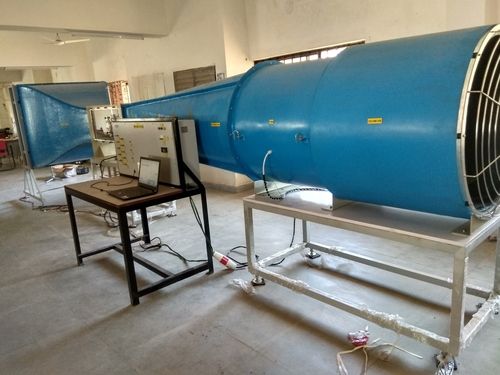
Sub Sonic Wind Tunnel
Price 98000.00 INR / Unit
Minimum Order Quantity : 1 Unit
Power Source : Electricity
Operating Type : Manual
Control System : Fully Automatic, PLC
Country Of Origin : India

 Send Inquiry
Our Products


Plot No - 553, Phase 2 GIDC Vatva, Near Railway Station Vatva,Ahmedabad - 382445, Gujarat, India

Mr Devang Modi
(Director)
Mobile :08045801217
 Send Inquiry
 Send SMS
Developed and Managed by Infocom Network Private Limited.
