
Call us now :08045801217
 Send Inquiry
 Send Inquiry
Digital Twin Wind Tunnel
Price 500000.0 INR/ Unit
MOQ : 1 Unit
Digital Twin Wind Tunnel Specification
- Equipment Type
- Wind Tunnel
- Material
- Stainless Steel, Acrylic
- Processing Type
- Wind Simulation
- Condition
- New
- Technology
- Digital Twin Simulation
- Dimension (L*W*H)
- 1800 x 600 x 1500 mm
- Power Mode
- Electric
- Voltage
- 220 V, 50 Hz
- Power Consumption
- 750 W
- Pressure Output
- 0-1000 Pa
- Application
- Aerodynamic Testing, Educational Demonstration, Research and Development
- Coating Type
- Powder Coated
- Accessories
- Remote Control Unit, Data Acquisition System, Computer Interface, Sensors
- Display Interface
- 7" LCD Digital Display
- Control System
- Digital PLC with Touchscreen
- Frame Structure
- Heavy Duty Modular Steel Frame
- Safety Features
- Overload Protection, Emergency Stop Button
- Fan Type
- Variable Speed Axial Fan
- Simulation Capability
- 3D Flow and Real-time Analysis
- Test Section Size
- 300 x 300 mm
- Measurement Parameters
- Velocity, Pressure, Temperature, Flow Pattern Visualization
- Data Output Format
- USB/RS232
- Working Speed
- 0.5-30 m/s (variable)
- Noise Level
- < 70 dB
Digital Twin Wind Tunnel About
Overview
A digital twin wind tunnel is a high-fidelity virtual replica of a physical wind tunnel that integrates real-time sensor data, advanced simulation, and AI-driven modeling to analyze and predict aerodynamic performance. It enables rapid, cost-effective testing with accuracy levels reaching up to ~96% compared to physical experiments.
Key Features
- Real-time synchronization with physical wind tunnel data
- High-accuracy aerodynamic prediction and validation
- Integration of Computational Fluid Dynamics (CFD) and AI/ML models
- Virtual testing of multiple configurations without physical prototypes
- Scalable platform for design optimization and performance monitoring
- Advanced visualization of flow fields, turbulence, and wake effects
Technical Specifications (Typical Ranges)
| Parameter | Specification |
| Model Accuracy | Up to ~9096% vs physical testing |
| Data Integration | Real-time / batch sensor data input |
| Simulation Methods | CFD, Reduced-order models, AI/ML |
| Flow Regimes | Subsonic to hypersonic (model-dependent) |
| Update Frequency | Real-time to near-real-time |
| Data Inputs | Pressure, velocity, temperature, force sensors |
| Platform Type | Cloud-based / On-premise |
| Visualization | 2D/3D flow field, turbulence, wake analysis |
Core Capabilities
- Virtual Validation & Benchmarking of aerodynamic designs
- Predictive Analysis for performance and failure scenarios
- Design Optimization through rapid iteration
- Operational Optimization (e.g., wake steering, drag reduction)
- Digital Experimentation alongside or instead of physical testing
Benefits
- Up to 50% reduction in testing costs
- Significant decrease in physical prototyping and wind tunnel usage
- Faster design cycles and improved product performance
- Enhanced predictive maintenance and operational efficiency
Applications
- Aerospace: Airfoil design, spacecraft and UAV aerodynamics
- Automotive: Drag reduction, thermal management, vehicle optimization
- Wind Energy: Turbine performance and wake interaction modeling
- Civil Engineering: Aerodynamic loading on bridges and tall structures
- Research & Academia: Advanced aerodynamic and fluid dynamics studies
Optional Modules
- AI-based optimization engine
- Digital control system integration
- Cloud analytics dashboard
- Custom sensor data interfaces
Advanced Digital Control and Visualization
Operate your aerodynamic experiments with ease using a digital PLC system and intuitive touchscreen controls. The 7-inch LCD display provides clear visualization of real-time measurements and 3D flow simulations. The unit enables effortless adjustment of parameters and immediate access to velocity, pressure, temperature, and flow patterns.
Precision Engineering and Versatile Application
Built with a modular steel frame and powder-coated finish, the wind tunnel is both durable and adaptable. Its stainless steel and acrylic materials guarantee longevity and safety. Designed for wind simulation, the equipment is ideal for aerodynamic testing, classroom instruction, as well as research and development environments.
Comprehensive Data Acquisition and Safety
Export test data easily through USB or RS232 connections. The system comes with remote control, advanced data acquisition, and integrated sensors for comprehensive monitoring. Overload protection and an emergency stop button ensure safe and reliable operation throughout your experimental process.
FAQ's of Digital Twin Wind Tunnel:
Q: How does the Digital Twin Wind Tunnel enhance aerodynamic testing?
A: The wind tunnel offers precise control of airflow, variable up to 30 m/s, combined with real-time digital 3D flow simulations and instant data acquisition. These features enable users to visualize flow patterns, measure key parameters, and analyze aerodynamics efficiently, making it highly effective for experimental testing and analysis.Q: What measurement parameters can be monitored and recorded with this wind tunnel?
A: You can monitor and record air velocity, static and dynamic pressure (up to 1000 Pa), temperature, and visualize flow patterns within the test section. All data can be exported via USB or RS232 for further analysis or reporting.Q: When should the wind tunnel be utilized in research or educational settings?
A: The wind tunnel is ideal for use during aerodynamic testing experiments, demonstrations of fluid mechanics principles, and research projects requiring accurate environmental control and real-time, interactive feedback on flow conditions.Q: Where is the typical setup location for this digital twin wind tunnel?
A: This equipment is best installed in laboratories, research centers, or classroom settings that accommodate its 1800 x 600 x 1500 mm footprint. Its sturdy modular structure and noise output below 70 dB ensure convenient placement indoors without disrupting the environment.Q: What is the process for collecting and exporting test data?
A: Data collection is managed via a digital PLC with a touchscreen interface, visualizing parameters instantly on the 7-inch LCD. Collected data can be output directly through an integrated USB or RS232 port for backup or subsequent analysis.Q: How do the safety features of the wind tunnel contribute to secure operation?
A: The wind tunnel is equipped with overload protection mechanisms and an emergency stop button, ensuring user safety during experiments. These features protect both users and equipment by automatically responding to unsafe conditions.Q: What are the main benefits of using this wind tunnel in educational and research applications?
A: Benefits include adjustable wind speed for versatility, high-precision parameter measurement, robust construction, digital control, advanced simulation capabilities, and easy data export, collectively enhancing learning, research accuracy, and overall user experience.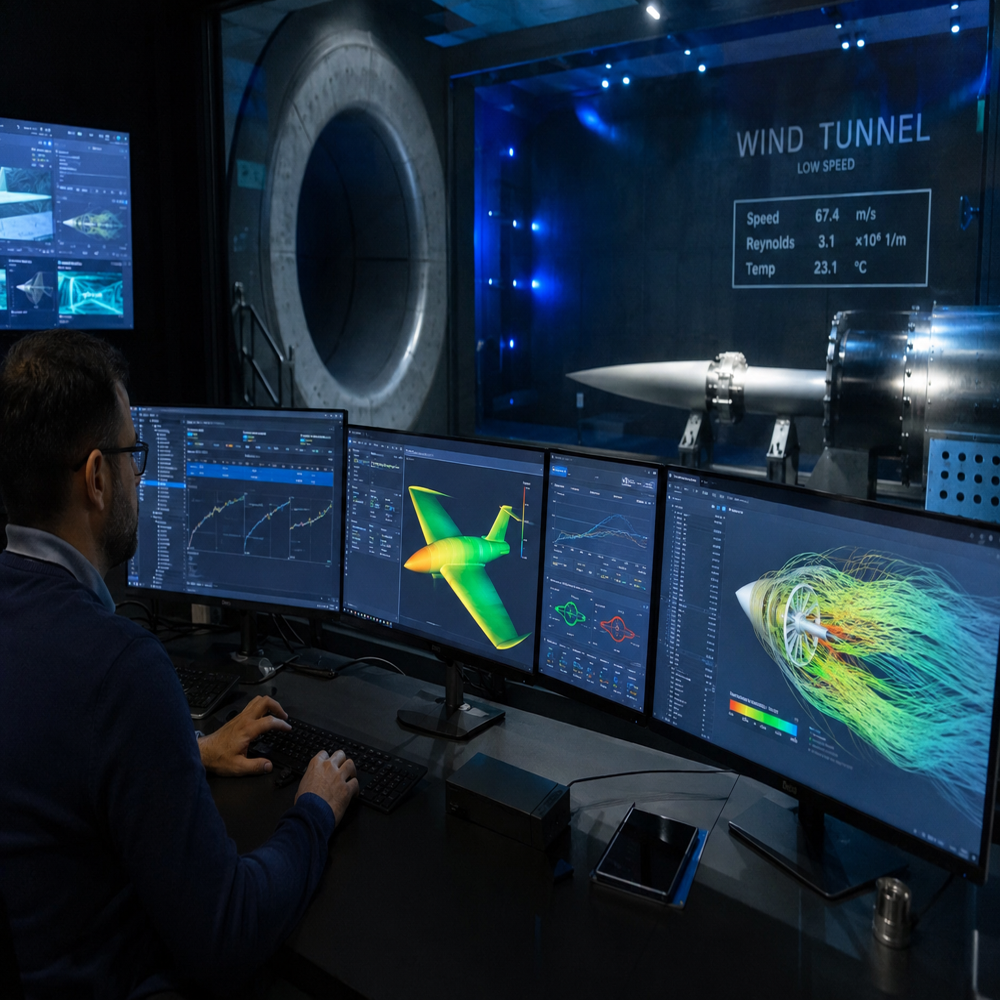
Tell us about your requirement

Price:
Quantity
Select Unit
- 50
- 100
- 200
- 250
- 500
- 1000+
Additional detail
Mobile number
Email

More Products in Wind Tunnel Instrumentation Category
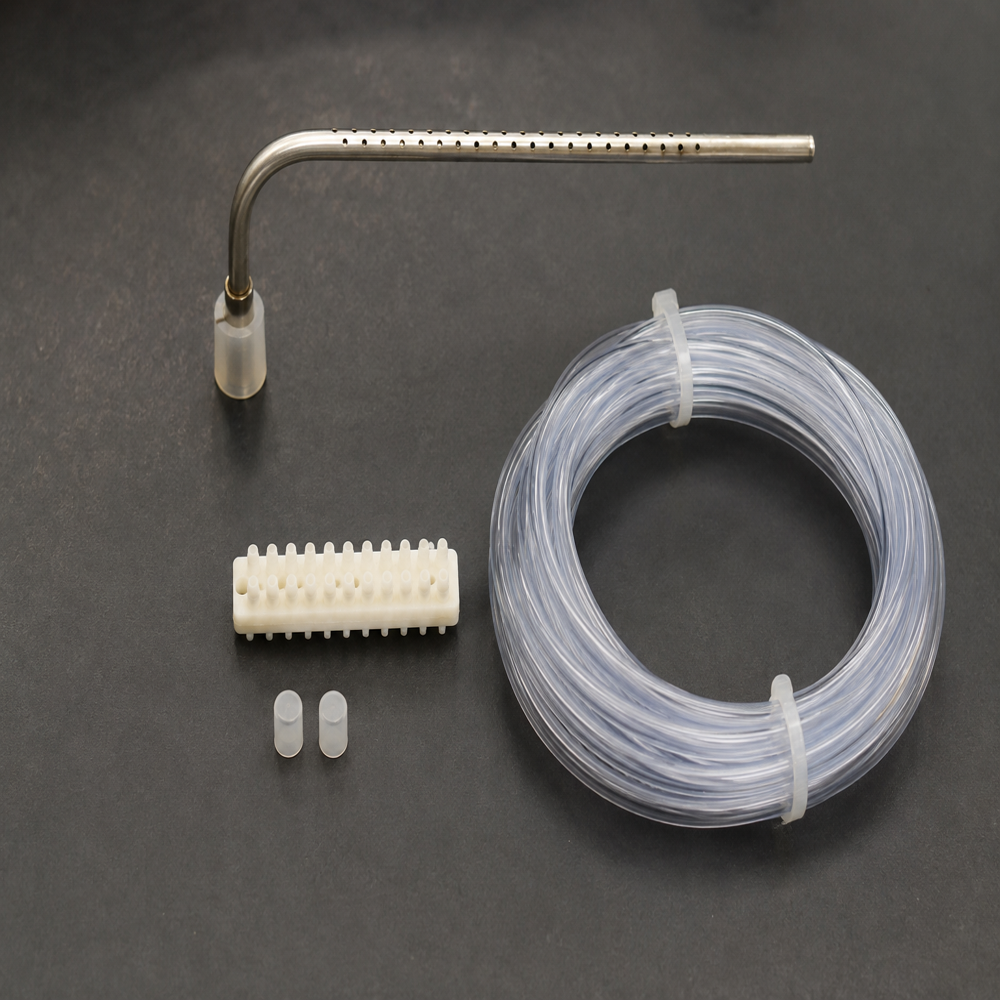
Wake Rake
Minimum Order Quantity : 1 Number
Condition : New
Power Mode : Other, Tractor Mounted
Application : Agricultural Farming, Soil Preparation, Leveling
Accessories : Hitch Pins, Safety Guards
Coating Type : AntiRust Powder Coating
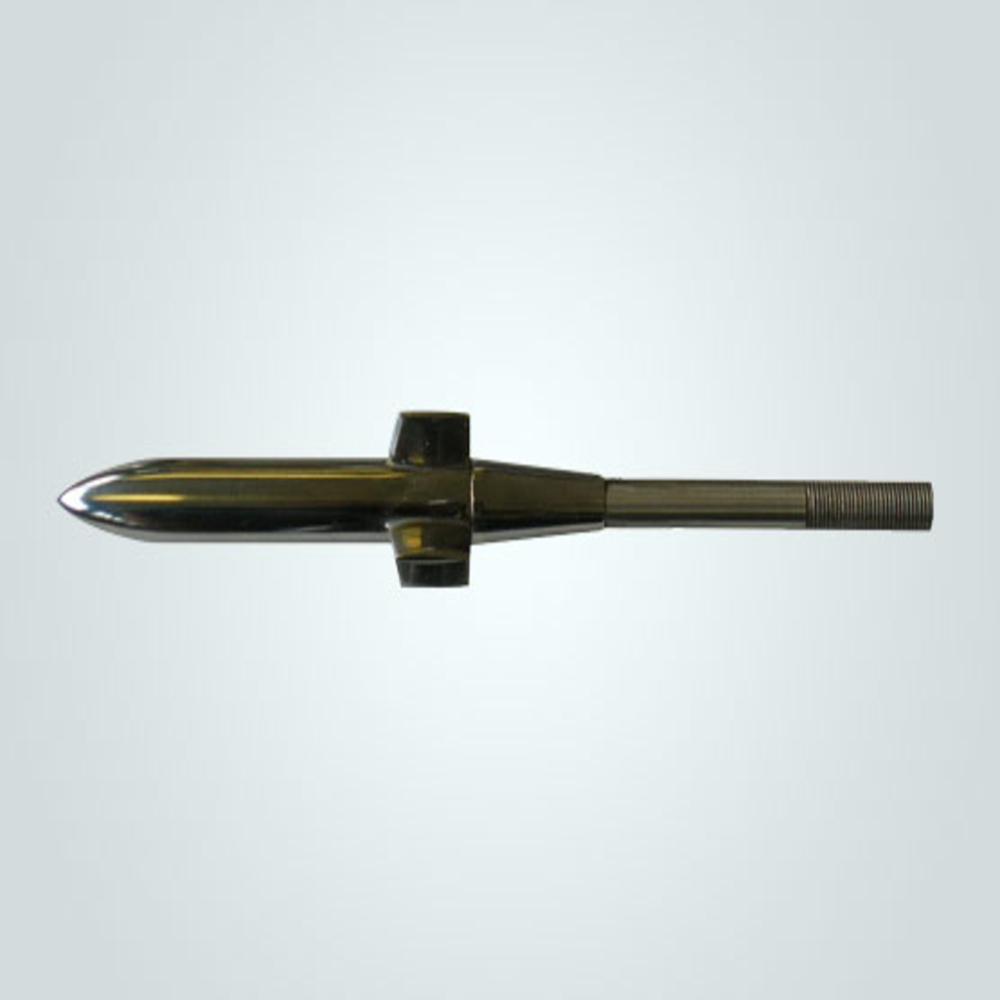
Force Miss-iles
Minimum Order Quantity : 1 Number
Condition : New
Power Mode : Electric
Application : Defence and Military
Accessories : Launch Control System
Coating Type : Anticorrosion
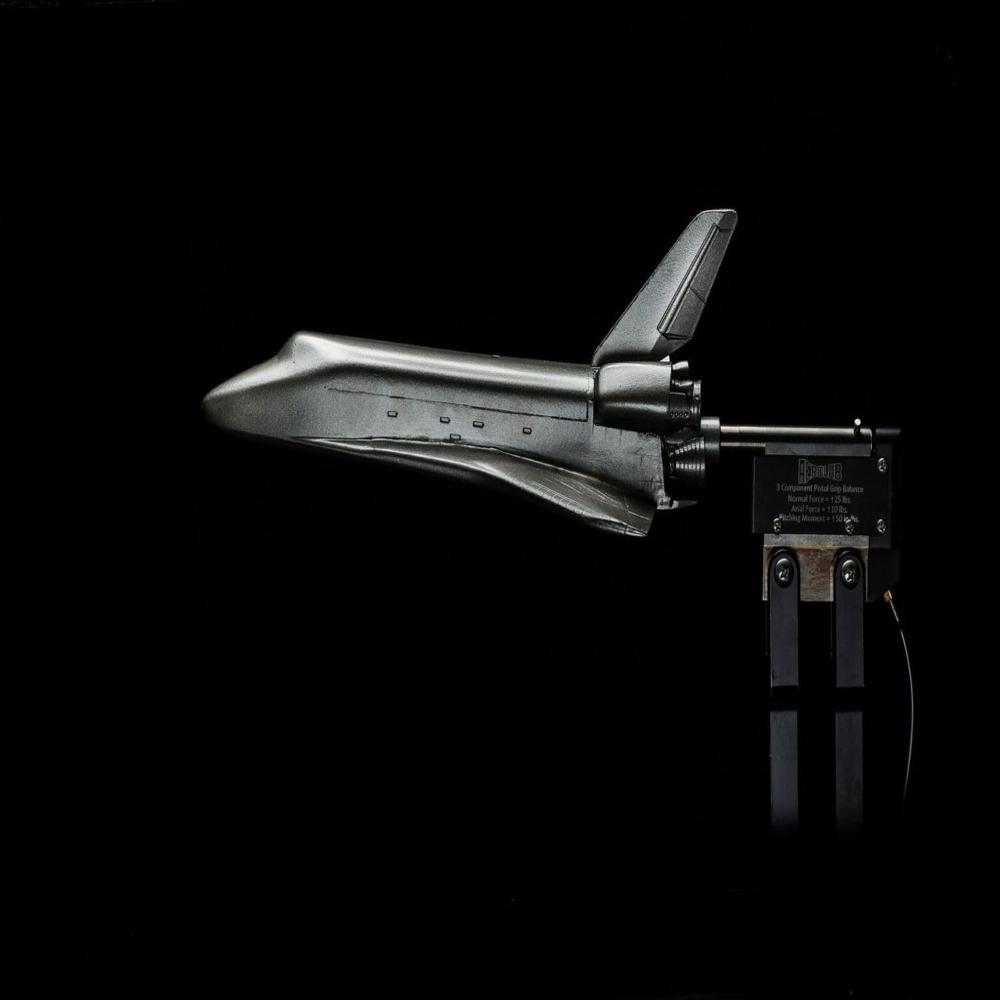
Scaled F-16/Custom Aircraft Models
Minimum Order Quantity : 1 Set
Condition : New
Power Mode : Other, Not applicable (Static model)
Application : Display, souvenir, training, corporate gifting
Accessories : Display stand included
Coating Type : Protective glossy finish
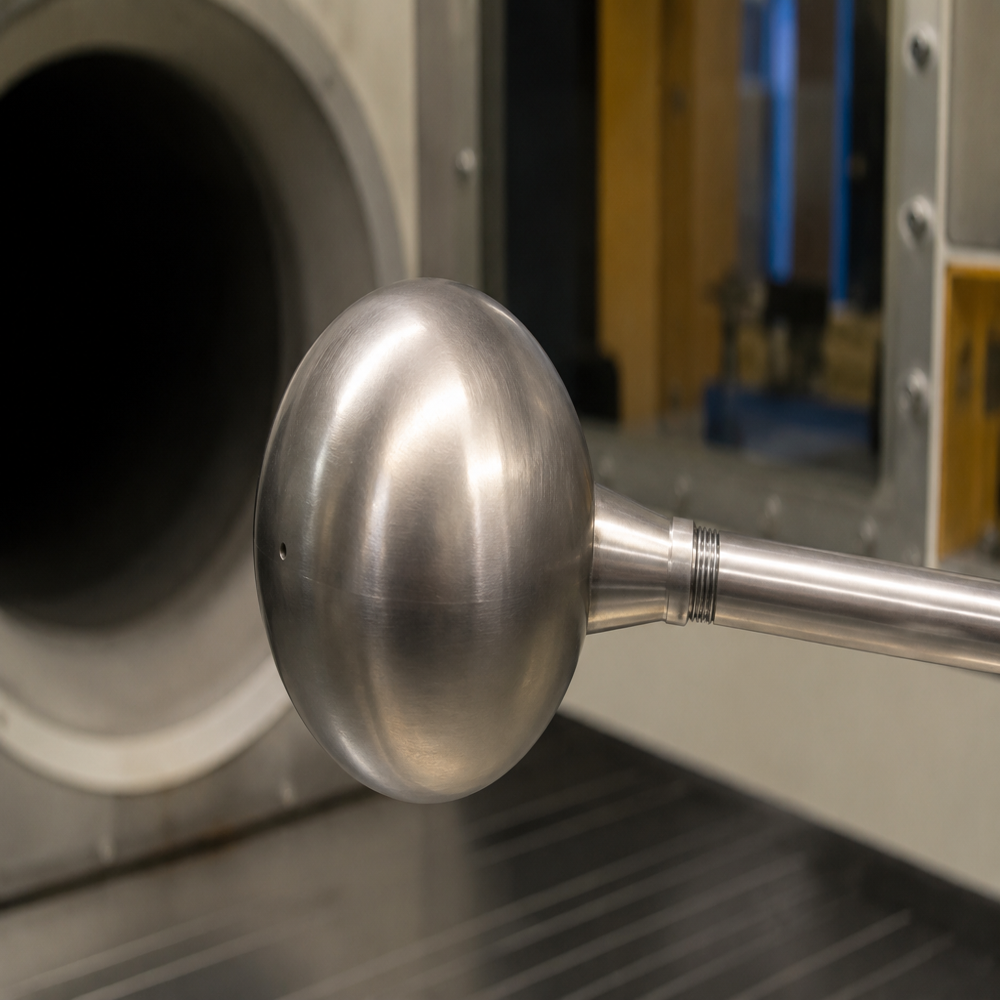
Sphere Set
Minimum Order Quantity : 1 Number
Condition : New
Power Mode : Manual
Application : Laboratory
Accessories : Wooden Case
Coating Type : Noncoated

 Send Inquiry
Our Products


Plot No - 553, Phase 2 GIDC Vatva, Near Railway Station Vatva,Ahmedabad - 382445, Gujarat, India

Mr Devang Modi
(Director)
Mobile :08045801217
 Send Inquiry
 Send SMS
Developed and Managed by Infocom Network Private Limited.
