
Call us now :08045801217
 Send Inquiry
 Send Inquiry
Ackermann Steering Mechanism Test Rig
Price 7500 INR/ Unit
MOQ : 1 Unit
Ackermann Steering Mechanism Test Rig Specification
- Control Type
- Manual Control
- Shape
- Rectangular Frame Rig
- Accuracy
- Demonstrates true Ackermann steering geometry
- Speed Range
- Manual Variable Speed by Hand
- Features
- Adjustable Wheel Arms, Transparent Base for easy observation, Robust Mild Steel Construction, Portable
- Display Type
- Analog Angle Scale (for wheel turn) attached
- Type
- Ackermann Steering Mechanism Test Rig
- Dimension (L*W*H)
- 750 mm x 500 mm x 900 mm (approx)
- Equipment Type
- Steering Mechanism Laboratory Rig
- Equipment Materials
- Mild Steel Frame, Powder Coated
- Power
- Manual Operation (Hand Driven)
- Voltage
- Not Applicable (Manual Operated)
- Material
- Steel, Cast Iron, Aluminium for links and frame
- Application
- Automobile Engineering Training, Demonstration and Study of Steering Geometry
- Base Finish
- Powder coated, corrosion-resistant
- Experiment Capability
- Investigation of steering geometry and true/front wheel alignment
- Demonstration Pointer
- Included for wheel angle measurement
- Instruction Manual
- Included
- Wheel Type
- High-grade engineering plastic wheels (front steering, rear fixed)
- Table Top Mounting
- Yes
- Maintenance
- Low, easy to assemble/disassemble
- Steering Mechanism
- Ackermann Linkage
- Educational Use
- Automobile Engineering, Mechanical Lab Demonstration
- Observation Scale Range
- 0 - 45 degrees (typical)
- Weight
- Approx. 20 kg
Ackermann Steering Mechanism Test Rig Trade Information
- Minimum Order Quantity
- 1 Unit
- Main Domestic Market
- All India
About Ackermann Steering Mechanism Test Rig
Steering is the collection of components and linkages which allow a automobile to follow the desired course.Models are designed to allow student understand basic geometry and working concept of different types of steering systemSpecifications:
- Mounted on weather proof 8 mm thick Ivory Bakellite Board.
- 6" Long Grips for easy carrying around
- All linkages made of SS-304
- Connecting Pins made of Brass
- Clear Labels stating important parts of mechanism
Precise Demonstration of Ackermann Geometry
This test rig effectively demonstrates the Ackermann steering linkage principles, offering clear insights into steering geometry and wheel alignment. Its analog scale and demonstration pointer allow for accurate measurement of wheel angles, aiding students and trainees in visualizing and understanding steering mechanics. The transparent base makes it easier to observe the mechanical movements during operation.
Robust and Educational Design
Designed with durability and educational utility in mind, the rig features a powder-coated mild steel frame with corrosion resistance, ensuring longevity even under frequent use. Mounted on a sturdy table top, it uses high-grade engineering plastic wheels and components like mild steel, aluminium, and cast iron to deliver reliable operation and authentic simulation in classroom and laboratory environments.
User-Friendly and Low Maintenance
Manual operation ensures complete control while requiring no external power source. The design emphasizes ease of assembly and disassembly, accompanied by a comprehensive instruction manual. Its low-maintenance nature makes it suitable for repeated classroom demonstrations, and portability ensures it can be conveniently repositioned as needed throughout the laboratory.
FAQs of Ackermann Steering Mechanism Test Rig:
Q: How is the Ackermann Steering Mechanism Test Rig operated?
A: The test rig is manual and hand-driven, enabling users to control the steering movement and wheel angles without any electric power. Its analog angle scale and demonstration pointer provide straightforward measurement and observation.Q: What educational purposes does this test rig serve?
A: Its crafted specifically for automobile engineering training and mechanical lab demonstrations. The rig allows students to investigate steering geometry, study Ackermann linkage operation, and observe wheel alignment, reinforcing theoretical learning with practical visualization.Q: When should this test rig be used during an automotive engineering course?
A: It is best used during lessons on steering systems, kinematics, and vehicle geometry. The rig is suited for both introductory demonstrations and advanced investigations involving wheel alignment and steering angle calculations.Q: Where can the Ackermann Steering Mechanism Test Rig be installed?
A: The device is designed for tabletop mounting and can be set up in engineering labs, automotive classrooms, training facilities, or demonstration areas where physical understanding of steering mechanisms is essential.Q: What is the process for measuring wheel angles with this rig?
A: Users manipulate the manual controls to adjust wheel positions, using the analog angle scale and included demonstration pointer to measure wheel turns accurately between 0 and 45 degrees. The transparent base aids in observing linkage positions during measurement.Q: How does using this rig benefit students?
A: It promotes hands-on learning, allowing students to observe true Ackermann geometry, understand the practical aspects of steering mechanisms, and enhance their comprehension of wheel alignment principlesintegral for automotive design and repair.Q: What materials are used in the construction of the rig, and how does this affect maintenance?
A: The rig uses mild steel, cast iron, aluminium for links and frame, and high-grade engineering plastic for wheels. Its powder-coated finish resists corrosion, while the simple design ensures low maintenance and ease of assembly or disassembly, maximizing laboratory uptime.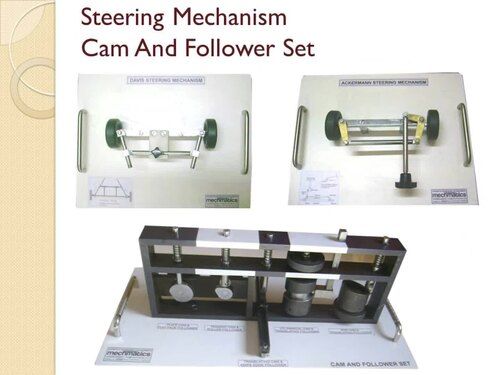
Tell us about your requirement

Price:
Quantity
Select Unit
- 50
- 100
- 200
- 250
- 500
- 1000+
Additional detail
Mobile number
Email

More Products in Dynamic Apparatus Category
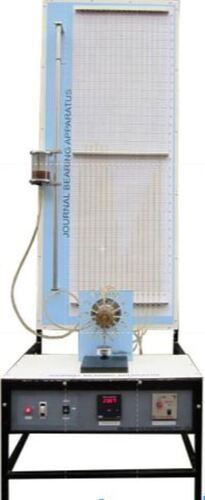
Journal Bearing Apparatus Test Rig
Price 48000 INR / Unit
Minimum Order Quantity : 1 Unit
Features : Good Quality
Power Supply : Electric
Usage : Industrial
Voltage : 110215 Volt (v)
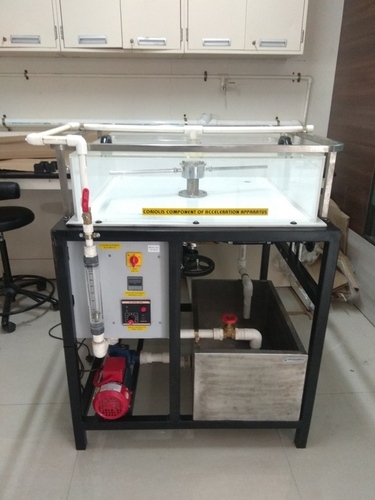
Coriolis Component Of Acceleration Apparatus
Price 38000 INR / Unit
Minimum Order Quantity : 1 Unit
Features : Good Quality
Power Supply : Electric
Usage : Industrial
Voltage : 110215 Volt (v)
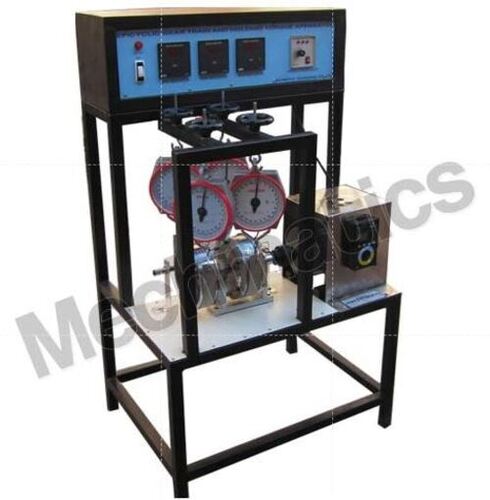
Epicyclic Gear Train & Holding Torque Apparatus
Price 1610.0 INR / Unit
Minimum Order Quantity : 1 Unit
Features : Good Quality
Power Supply : Electric
Usage : Industrial
Voltage : 110215 Volt (v)
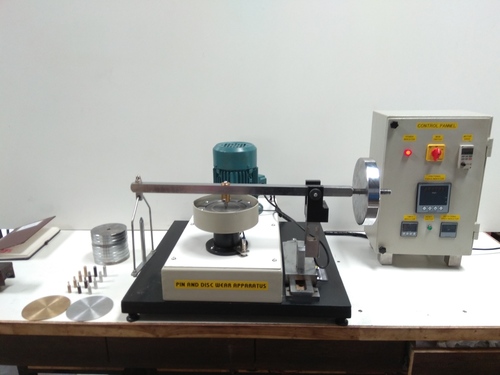
Pin And Disk Wear Test Apparatus
Price 10000.0 INR / Unit
Minimum Order Quantity : 1 Unit
Features : Good Quality
Power Supply : manual
Usage : Industrial
Voltage : 110215 Volt (v)

 Send Inquiry
Our Products
- Wind Tunnel
- Dynamic Apparatus
- Mechanics Laboratory
- Pressure Apparatus
- Thermodynamics Machinery
- Measurement Device
- Tunnel Machine
- Measurement System
- Test Rig
- Electrical Cnc Machine
- Weldmag Magnetic Holder
- Calibration
- Fluid Mechanics Laboratory Equipment
- Subsonic Wind Tunnel
- Speciality Wind Tunnels
- Wind Tunnel Instrumentation
- Water Tunnel
- Wind Turbine Trainer
- Wind Testing
- Bench Top Wind Tunnel
- Custom Test Rigs


Plot No - 553, Phase 2 GIDC Vatva, Near Railway Station Vatva,Ahmedabad - 382445, Gujarat, India

Mr Devang Modi
(Director)
Mobile :08045801217
 Send Inquiry
 Send SMS
Developed and Managed by Infocom Network Private Limited.
