
Call us now :08045801217
 Send Inquiry
 Send Inquiry
Cavitation Tunnel
Price 500000.0 INR/ Unit
MOQ : 1 Unit
Cavitation Tunnel Specification
- Material
- Stainless Steel
- Processing Type
- Automatic
- Condition
- New
- Technology
- Cavitating Flow Simulation
- Dimension (L*W*H)
- 4200 x 1000 x 1200 mm
- Power Mode
- Electric
- Voltage
- 220V/380V
- Power Consumption
- Approx. 5 kW
- Pressure Output
- Up to 2 Bar
- Application
- Hydrodynamic Research, Flow Analysis
- Coating Type
- Anti-Corrosion Coated
- Accessories
- Observation Windows, Control Panel
- Flow Medium
- Water
- Max Flow Rate
- 150 L/s
- Controller Type
- Digital Control System
- Test Section Size
- 300 mm x 300 mm
- Equipment Type
- Hydrodynamic Testing Equipment
- Observation Feature
- High-Visibility Windows
- Noise Level
- <60 dB
Cavitation Tunnel About
Specifications
Flow System
Vertical Circulating Type
Dimensions
Main Unit
- Length: approx. 3500 mm
- Width: approx. 1000 mm
- Height: approx. 2000 mm
Observation Sections
Atmospheric Open-Type Observation Section
- Length (internal): 1000 mm
- Width (internal): 300 mm
- Height (internal): 300 mm
Cavitation Observation Section
- Length (internal): 600 mm
- Width (internal): 150 mm
- Height (internal): 150 mm
Capacity & Weight
- Water Volume: approx. 0.7 m (with atmospheric open observation section)
- Total Weight: approx. 3.0 tons
Performance
Atmospheric Open Observation Section
- Flow Velocity: 0.2 m/s to 2.0 m/s
Cavitation Observation Section
- Flow Velocity: approx. 1.0 m/s to 6.0 m/s
- Observation Section Pressure: 0.5 atm
Materials
- Main Body: Stainless Steel (SUS304), uncoated (inside and outside)
- Frame/Base: Structural Steel (SS400) with coating
- Observation Sections: Acrylic Resin
- Length: 1000 mm (open type)
- Length: 600 mm (cavitation observation)
Drive System
- Impeller: Single impeller type
- Motor: Submersible motor*
- Control: Inverter control
- Power Supply: AC 200V, 3-phase, 7.5 kW (30A)
- Operation: Frequency control (Hz display)
* Depending on installation environment and operating conditions, the submersible motor may be replaced with an external motor type.
Precision-Engineered Test Section
The 300 mm x 300 mm test section of the Cavitation Tunnel offers ample space for accurate hydrodynamic evaluations. Its design caters to both academic research and industrial testing, supporting the study of fluid behaviors and cavitation dynamics under controlled conditions.
Advanced Observation and Control
High-visibility windows facilitate clear real-time observation during testing. Coupled with a digital control system, users can seamlessly adjust parameters to achieve desired flow rates up to 150 L/s, ensuring repeatability and precision in every experiment.
Quiet and Safe Operation
Operating at less than 60 dB, this equipment maintains a quiet environment-ideal for sensitive laboratory settings. Safety is prioritized through robust construction and intuitive controls, enabling safe usage for both novice and experienced operators.
FAQ's of Cavitation Tunnel:
Q: How does the digital control system enhance the operation of the Cavitation Tunnel?
A: The digital control system allows precise adjustment and monitoring of flow parameters. Users can effortlessly set flow rates, observe system performance, and ensure consistency in testing conditions, ultimately improving experiment reliability.Q: What are the benefits of high-visibility windows in this hydrodynamic testing equipment?
A: High-visibility windows enable users to directly observe flow patterns, cavitation phenomena, and test specimen behavior in real-time. This feature supports thorough analysis and fosters a deeper understanding of hydrodynamic processes.Q: When should I use the Cavitation Tunnel for my research or industrial testing?
A: The Cavitation Tunnel is suitable whenever detailed fluid dynamics or cavitation studies are required. It is widely used in academia for research, by manufacturers for product development, and in industrial settings for quality assurance and prototype testing.Q: Where can this Cavitation Tunnel be installed and used effectively?
A: Thanks to its compact yet robust design, the Cavitation Tunnel can be utilized in university research labs, industrial test centers, and R&D facilities. Its low noise output also makes it suitable for environments where quiet operation is essential.Q: What is the typical process for conducting a hydrodynamic test with this tunnel?
A: First, set up your test specimen in the 300 mm x 300 mm section, select desired flow parameters using the digital controls, and initiate water flow. You can monitor results via the observation windows, making adjustments as needed during the experiment.Q: How does the low noise level benefit users during operation?
A: Operating below 60 dB, the Cavitation Tunnel minimizes distractions and ensures a comfortable working atmosphere for researchers and technicians, particularly in environments where noise control is important.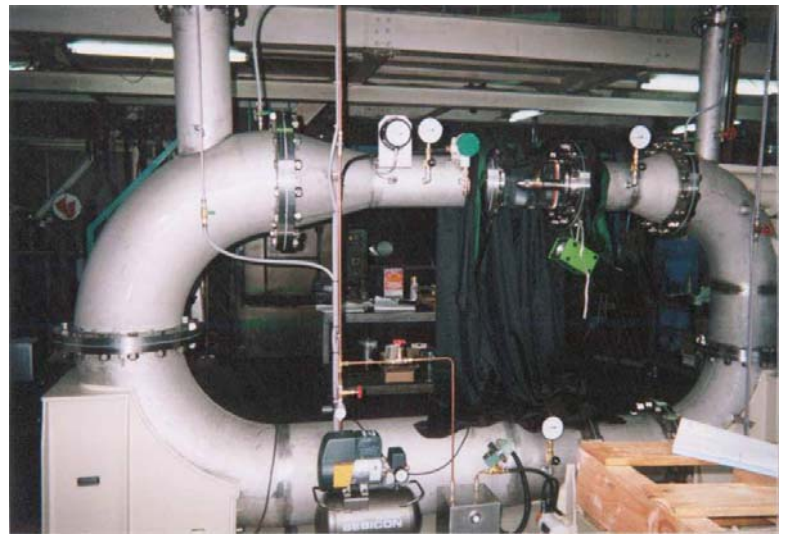
Tell us about your requirement

Price:
Quantity
Select Unit
- 50
- 100
- 200
- 250
- 500
- 1000+
Additional detail
Mobile number
Email

More Products in Water Tunnel Category
Thermal Stratification Wind Tunnel
Price 500000.0 INR / Unit
Minimum Order Quantity : 1 Unit
Coating Type : Powder Coated Body
Technology : Other, Thermal Stratification Simulation, Wind Tunnel Technology
Accessories : Flow Visualization Accessories, Manometers, Sensors, Test Models, Control Panel
Condition : New
Propeller Open Boat
Price 500000.0 INR / Number
Minimum Order Quantity : 1 Number
Coating Type : Corrosion Resistant Marine Coating
Technology : Other, Welded Hull Construction
Accessories : Oars, Lifejackets, Anchor
Condition : New
Self Propulsion Dynamometer
Price 500000.0 INR / Piece
Minimum Order Quantity : 1 Piece
Coating Type : Industrial anticorrosion coating
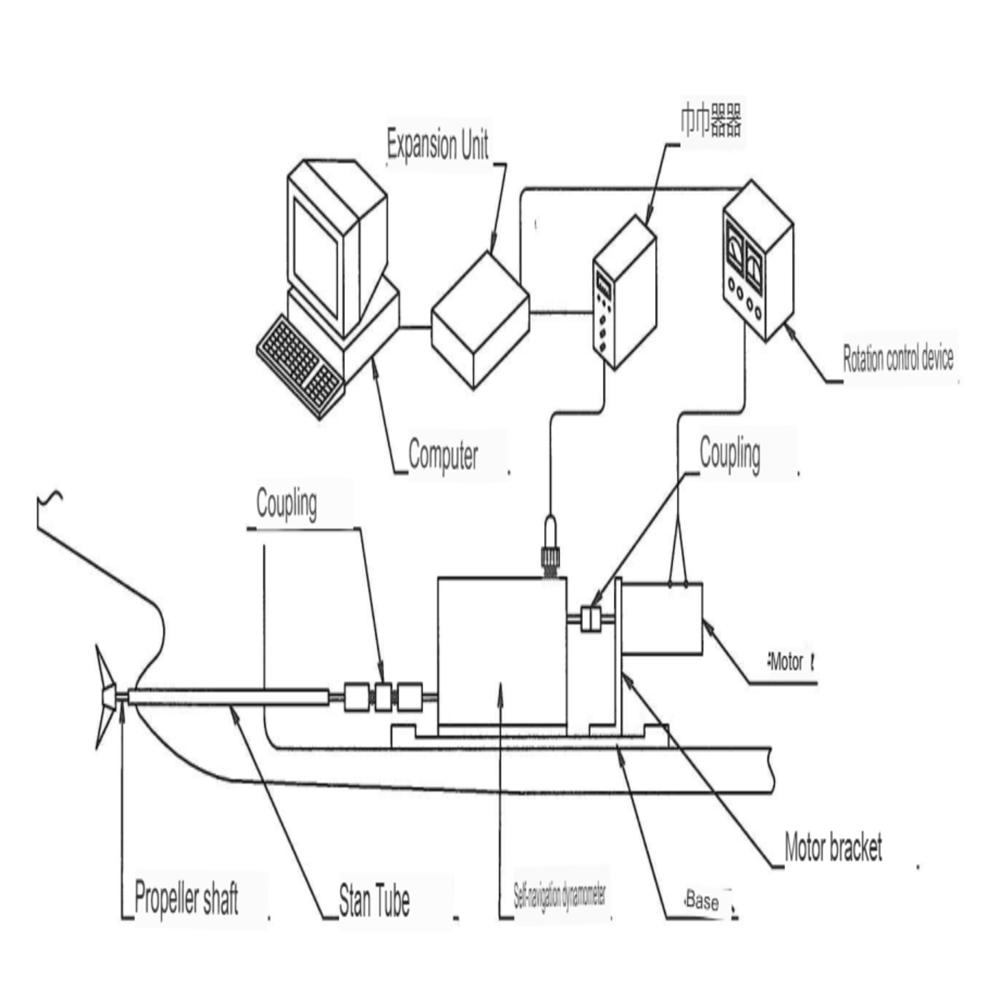
Technology : Other, Rotational torque and speed measurement with computerbased data acquisition
Accessories : Expansion Unit, Computer, Rotation Control Device, Motor Bracket, Base, Couplings, Stan Tube, Propeller Shaft
Condition : New
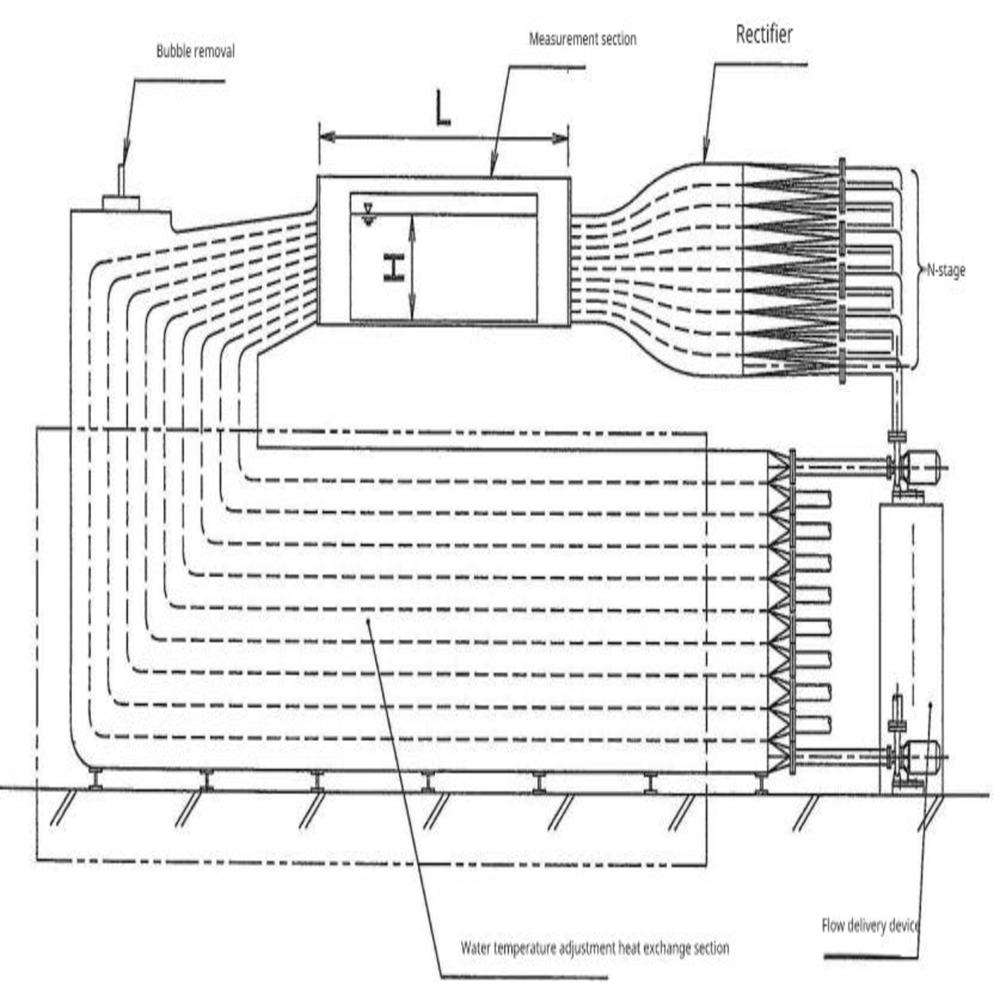
Thermal Stratification Tank
Price 500000.0 INR / Unit
Minimum Order Quantity : 1 Unit
Coating Type : Anticorrosion Internal Coating
Technology : Other, Thermal Stratification, Multistage Flow Rectification
Accessories : Temperature Sensors, Control Valves, Rectifier, Flow Delivery Device
Condition : New

 Send Inquiry
Our Products


Plot No - 553, Phase 2 GIDC Vatva, Near Railway Station Vatva,Ahmedabad - 382445, Gujarat, India

Mr Devang Modi
(Director)
Mobile :08045801217
 Send Inquiry
 Send SMS
Developed and Managed by Infocom Network Private Limited.
