
Call us now :08045801217
 Send Inquiry
 Send Inquiry
Model Positining System
MOQ : 1 Number
Model Positining System Specification
- Equipment Type
- Model Positioning System
- Material
- Stainless Steel
- Processing Type
- Automatic
- Condition
- New
- Technology
- CNC and Servo Control
- Dimension (L*W*H)
- 2200 x 750 x 1450 mm
- Power Mode
- Electric
- Voltage
- 220 V / 50 Hz
- Power Consumption
- 2.2 kW
- Pressure Output
- Hydraulic 10-70 Bar
- Application
- Industrial Model Positioning
- Coating Type
- Anti-Corrosion Coating
- Accessories
- Remote Control Unit, User Manual
- Operating Temperature Range
- 5C to 45C
- Safety Features
- Emergency Stop, Overload Protection
- Working Speed
- 0-12 m/min
- Control System
- PLC-Based Control
- Display Type
- Digital Touchscreen Panel
- Mounting Type
- Floor Mounted
- Weight
- 480 kg
- Noise Level
- 65 dB
- Positioning Accuracy
- 0.05 mm
Model Positining System About
Overview
A precision model positioning system designed for accurate and repeatable control of pitch and yaw angles in wind tunnel testing. Engineered to integrate seamlessly with sting-mounted force/moment balances, the system ensures stable model alignment and consistent test conditions across subsonic, transonic, and supersonic applications.
Key Features
- Accurate Attitude Control: Precise pitch and yaw adjustment
- Stable Model Centering: Maintains position within test section during movement
- Robust Construction: Heavy-duty design for vibration-free operation
- Low Backlash Mechanisms: Smooth, repeatable positioning
- Compatible with Sting Balance Systems
System Types
Subsonic Positioning System
- Pitch Control: Parallelogram arm mechanism
- Yaw Control: Optional via precision gearbox
- Motion Range: Wide-angle adjustment with stable centering
Transonic / Supersonic Positioning System
- Pitch Control: Cogged quadrant mechanism
- Yaw Control: Not available
- Compact, Rigid Design for high-speed flow environments
Technical Datasheet (Typical)
Subsonic Systems
- Pitch Range: 30 (typical)
- Yaw Range: 30 (optional)
- Actuation: Precision gearbox (manual or motorized)
- Base Plate: ~19 mm ( in) thick steel
- Levelling: Adjustable threaded foot pads
Transonic / Supersonic Systems
- Pitch Range: +10 / 5 (typical)
- Yaw Range: Not available
- Mechanism: Steel quadrant with precision gearing
- Materials: Anodized aluminium with steel components
- Bearings: High-precision, low backlash
Performance
- Positioning Accuracy: High repeatability with minimal hysteresis
- Stability: Maintains model alignment throughout angle changes
- Compatibility: Suitable for a wide range of wind tunnel sizes
Optional Features
- Data Acquisition, Display & Control (DAC) system integration
- Stepper motor drives for pitch and yaw (subsonic systems)
- Roll adjustment capability (subsonic only)
- Custom configurations for existing wind tunnels
Applications
- Aerodynamic coefficient testing
- Angle-of-attack and yaw studies
- Stability and control analysis
- Subsonic, transonic, and supersonic research
Customization
Each system can be custom-designed to match your wind tunnel geometry, test model size, and performance requirements, ensuring optimal integration and functionality.
Advanced Precision and Speed Control
Engineered for high-precision industrial tasks, this Model Positioning System delivers a positioning accuracy of 0.05 mm and working speeds ranging from 0 to 12 meters per minute. Its CNC and servo control technology combine to offer responsive maneuvering, making it ideal for processes demanding meticulous alignment or adjustment. The hydraulic output ensures stable performance under varying loads, while the digital touchscreen panel simplifies real-time monitoring and adjustments.
Durability and Safety Features for Reliable Operation
Constructed from stainless steel with an anti-corrosion coating, the machine withstands intensive environments. Floor-mounting ensures stability, while integrated safety features-including an emergency stop function and overload protection-safeguard both operators and machinery. Operating effectively between 5C to 45C, the system is built for longevity and adaptability across diverse industrial settings.
User-Friendly Controls and Comprehensive Accessories
Interaction is seamless with a digital touchscreen panel and PLC-based system, supporting both novice and expert operators. The remote control unit and detailed user manual, provided as standard accessories, streamline installation and day-to-day use. Maintenance is straightforward, allowing for continuous productivity within manufacturing or processing lines.
FAQ's of Model Positining System:
Q: How does the Model Positioning System achieve high positioning accuracy?
A: This system utilizes advanced CNC and servo control technologies combined with a PLC-based control system, allowing for a positioning accuracy of 0.05 mm. The robust sensors and feedback mechanisms ensure minute adjustments during operation, delivering exceptionally precise results.Q: What processes and applications are suitable for this equipment?
A: Designed for industrial model positioning tasks, this system is ideal in environments requiring automatic and precise alignment or placement of parts, such as in automotive, metalworking, or assembly lines, thanks to its speed and positioning capabilities.Q: When should the emergency stop and overload protection features be used?
A: The emergency stop feature should be activated in the event of any unexpected hazards or operational anomalies to halt the machine instantly. Overload protection automatically engages if the system detects excessive load, preventing wear or damage to internal components.Q: Where should the Model Positioning System be installed for optimal operation?
A: Installation should be conducted on a stable factory floor in areas where the ambient temperature ranges between 5C and 45C. The floor-mounted design provides strong anchorage, and the anti-corrosion coating ensures durability in high-humidity or challenging industrial environments.Q: What are the main benefits of using the digital touchscreen panel and remote control unit?
A: The digital touchscreen panel enables intuitive operation, real-time monitoring, and swift parameter settings. The remote control unit enhances convenience, allowing operators to manage the positioning functions from a distance, increasing safety and operational flexibility.Q: How does the hydraulic pressure output benefit the positioning process?
A: With a pressure range of 10-70 Bar, the hydraulic system delivers consistent force for stable and precise movement. This reliability is especially beneficial in processes requiring uniform and repeatable positioning under varying load conditions.Q: What maintenance and safety protocols are included with this equipment?
A: The user manual provides comprehensive maintenance schedules and safety instructions. Routine checks, such as inspecting hydraulic fluid levels and monitoring for system alerts via the PLC interface, help ensure long-term safe operation.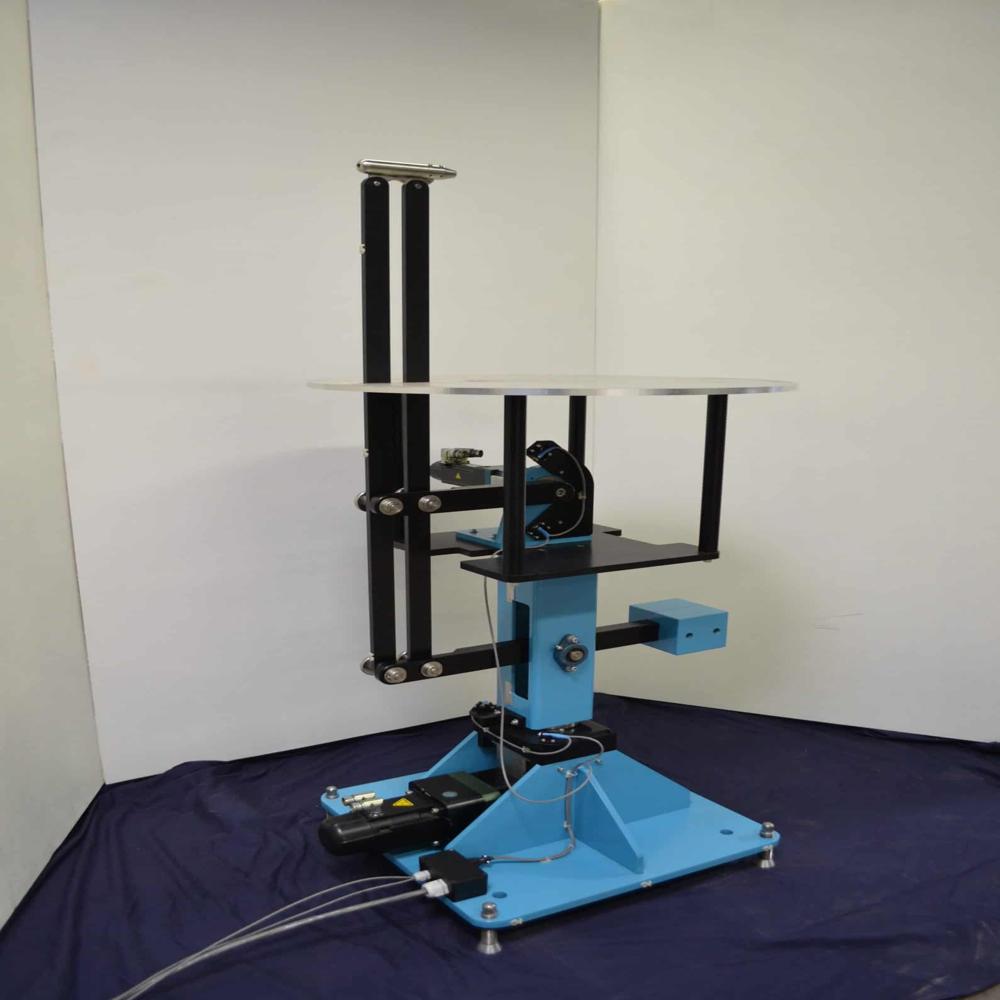
Tell us about your requirement

Price:
Quantity
Select Unit
- 50
- 100
- 200
- 250
- 500
- 1000+
Additional detail
Mobile number
Email

More Products in Wind Tunnel Instrumentation Category
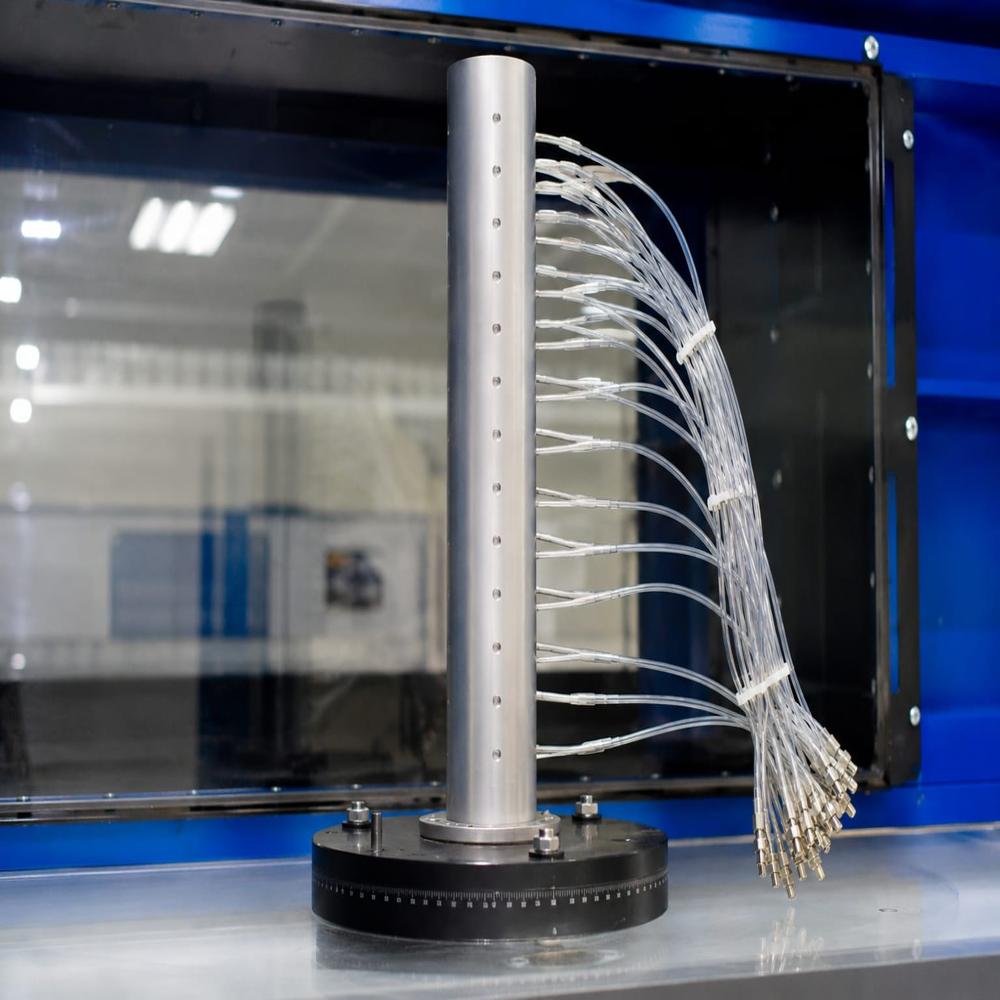
Pressure Cylinder
Minimum Order Quantity : 1 Set
Processing Type : Other, Welded and Heat Treated
Dimension (L*W*H) : Customized As Per Requirement
Coating Type : Anticorrosive Powder Coating
Application : Industrial Pressure Holding & Testing Applications
Material : Other, High Grade Stainless Steel
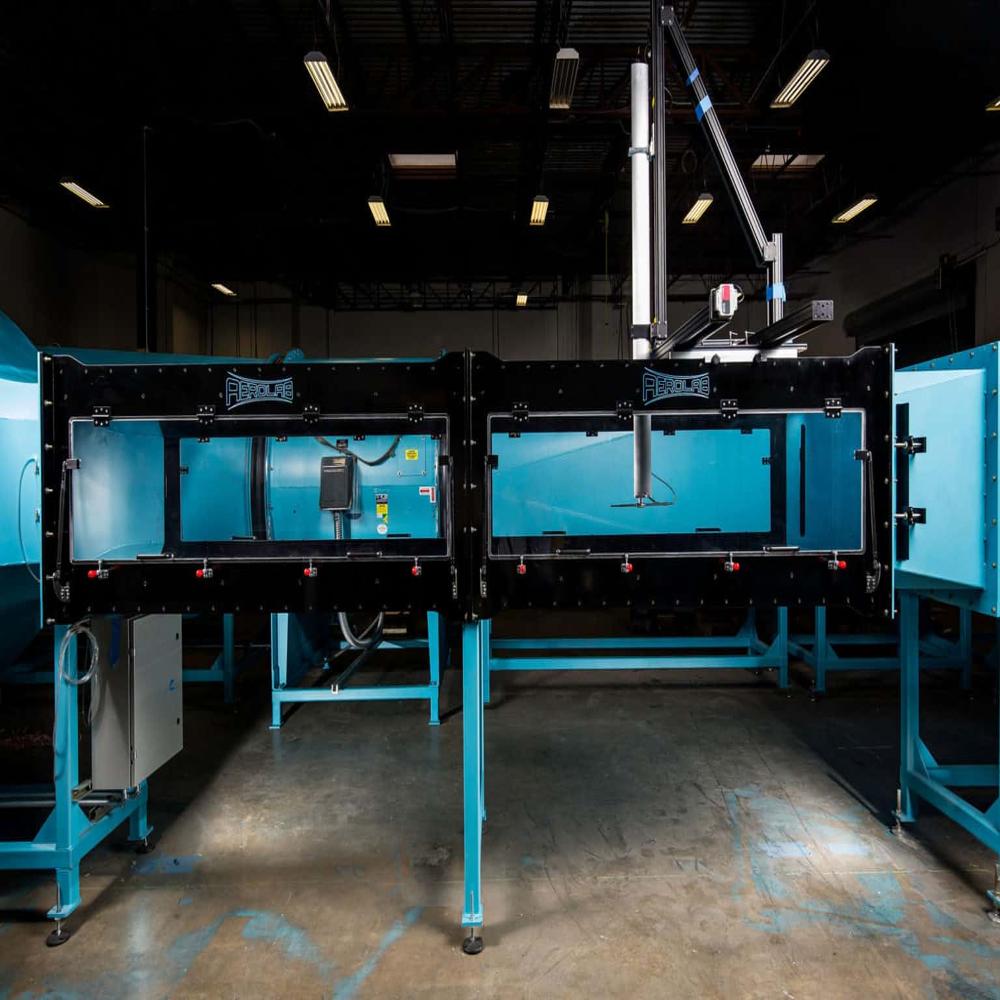
Traverse System
Minimum Order Quantity : 1 Number
Processing Type : Other, Mechanical
Dimension (L*W*H) : Customizable
Coating Type : Powder Coated
Application : Industrial Winding and Unwinding Processes
Material : Other, Mild Steel
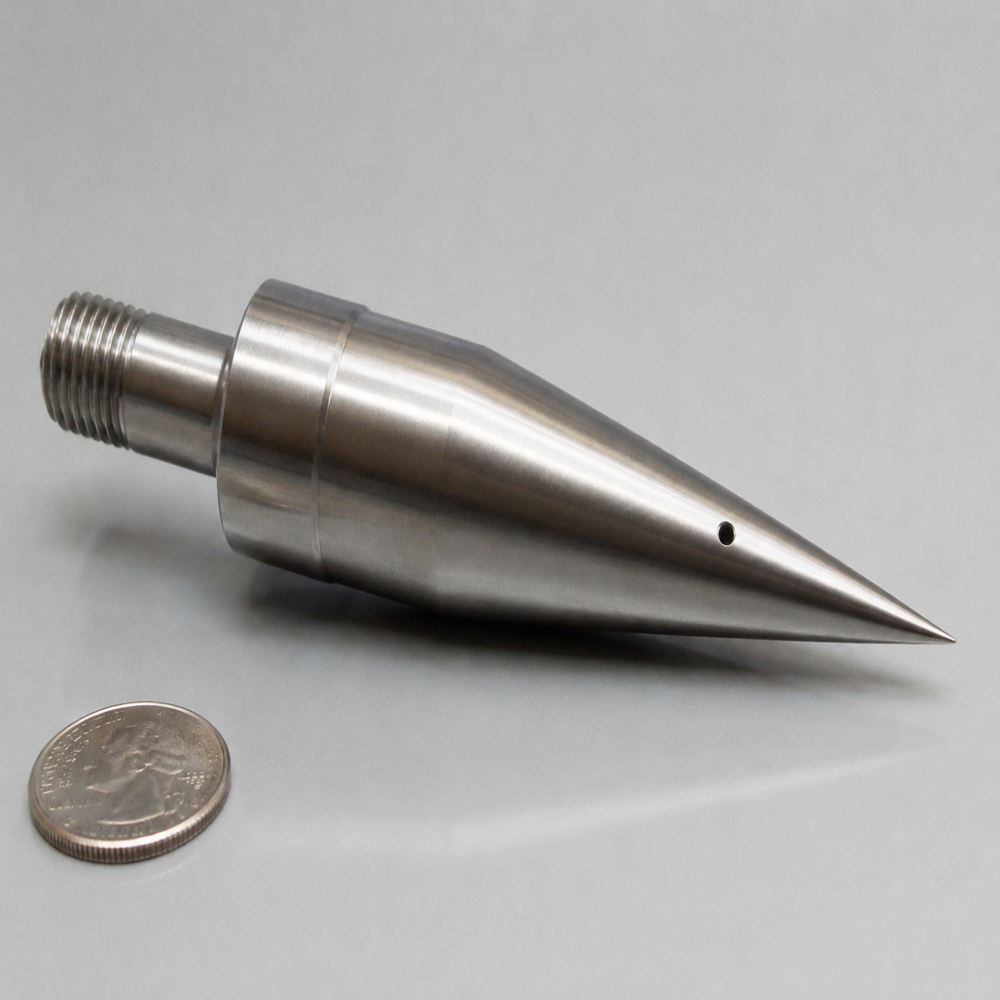
Cone Set
Minimum Order Quantity : 1 Number
Processing Type : Other, CNC machined
Dimension (L*W*H) : Varies by model
Coating Type : Rustresistant finish
Application : Textile Machinery
Material : Other, Alloy Steel
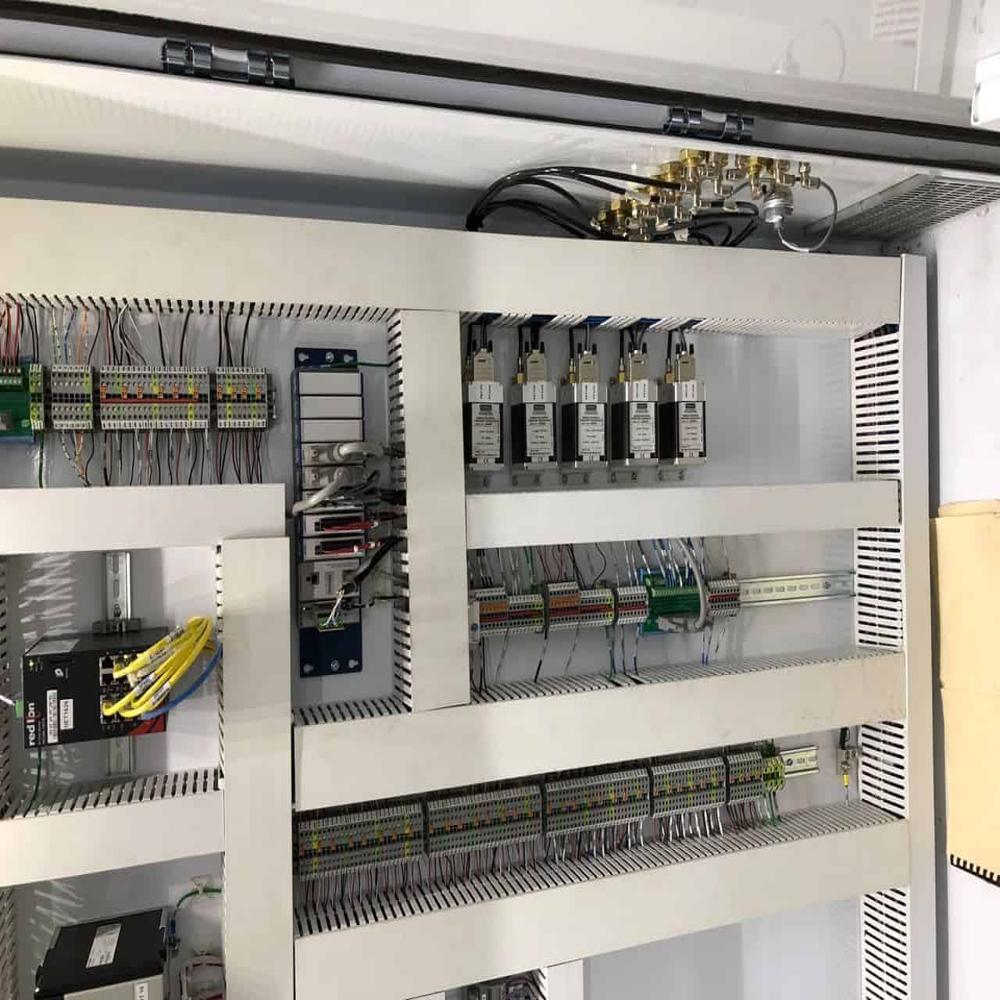
Data Acquisition Systems
Minimum Order Quantity : 1 Number
Processing Type : Other, Automatic
Dimension (L*W*H) : 340 mm x 220 mm x 70 mm
Coating Type : Powder Coated Enclosure
Application : Data Logging, Industrial Automation, Process Monitoring, Laboratory Research
Material : Other, Industrial Grade Electronic Components

 Send Inquiry
Our Products


Plot No - 553, Phase 2 GIDC Vatva, Near Railway Station Vatva,Ahmedabad - 382445, Gujarat, India

Mr Devang Modi
(Director)
Mobile :08045801217
 Send Inquiry
 Send SMS
Developed and Managed by Infocom Network Private Limited.
