
Call us now :08045801217
 Send Inquiry
 Send Inquiry
Traverse System
MOQ : 1 Number
Traverse System Specification
- Equipment Type
- Traverse Winder
- Material
- Mild Steel
- Processing Type
- Mechanical
- Condition
- New
- Technology
- Automatic Traverse System
- Dimension (L*W*H)
- Customizable
- Power Mode
- Electric
- Voltage
- 220-440 V
- Power Consumption
- 2-5 kW
- Pressure Output
- Adjustable
- Application
- Industrial Winding and Unwinding Processes
- Coating Type
- Powder Coated
- Accessories
- Traverse Unit, Control Panel
- Display Type
- Digital
- Working Speed
- Up to 1000 m/min
- Automation Grade
- Automatic
- Noise Level
- Low
- Drive Type
- Servo Motor
- Mounting Type
- Floor Mounted
- Input Frequency
- 50/60 Hz
- Control System
- PLC Controlled
- Traverse Stroke Length
- Adjustable (up to 500 mm)
- Protection
- Overload and Short Circuit Protection
Traverse System About
Overview
A precision traverse system for subsonic wind tunnels, designed to accurately position pressure probes for detailed wake analysis and flow field mapping. The system combines motorized cross-flow movement with manual streamwise adjustment, ensuring flexibility and ease of use.
Key Features
- Accurate Flow Mapping: Ideal for wake and velocity profile studies
- Stepper Motor Driven (Y/Z Axes): High resolution, repeatable positioning
- Manual X-Axis Adjustment: Discrete streamwise positioning
- Low-Backlash Design: Smooth, precise motion
- Advanced Sealing System: Maintains flow integrity
Technical Datasheet (Typical)
- Axes of Motion:
- Y / Z: Motorized (stepper-driven)
- X: Manual (slot-based positioning)
- Position Accuracy: Application-specific (customer-defined)
- Sweep Area: Customized to test section size
- Repeatability: High precision with minimal backlash
Design & Construction
- Actuation: Dual precision linear rails
- Drive System: High-quality stepper motors
- Probe Mount: Compatible with pressure probes and sensors
Installation
- Mounting: Test section ceiling
- Requirement: Slotted ceiling modification
- Slot Management:
- Acrylic plugs for unused slots
- Spring-loaded sealing plate for active slot
Performance
- Application: Subsonic wind tunnel testing
- Use Case: Wake surveys, velocity profiling, flow diagnostics
- Flow Integrity: Preserved via sealed traverse interface
Optional Features
- Data Acquisition & Control (DAC) system
- Custom probes and models
- Extended travel or automation options
Customization
Each system is tailored to the specific wind tunnel geometry and measurement requirements, ensuring seamless integration and optimal performance.
Precision and Performance
This Traverse System offers superior precision in winding and unwinding with servo motor-driven automation, keeping operations swift and reliable. The adjustable traverse stroke accommodates up to 500 mm, making the equipment suitable for a range of material sizes and applications. Its rapid working speed of up to 1000 m/min maximizes productivity while maintaining quality.
Flexible Control and Safety Features
Equipped with a user-friendly digital interface and PLC control, operators benefit from straightforward adjustments and monitoring. The system incorporates advanced safety features, including overload and short-circuit protection, to ensure safe and continuous operation in industrial environments.
Built for Industrial Demands
Manufactured from powder-coated mild steel, the sturdy floor-mounted Traverse System withstands the rigors of industrial use. Its power-efficient design (2-5 kW) integrates seamlessly into facilities running on a 220-440 V supply, offering both energy efficiency and easy maintenance.
FAQ's of Traverse System:
Q: How does the PLC-controlled system enhance the working efficiency of the Traverse System?
A: The PLC-controlled system allows operators to set precise parameters and automate the winding or unwinding process, ensuring repeatable quality, minimal human error, and efficient workflow even at high speeds, up to 1000 m/min.Q: What types of industrial applications can the Traverse System be used for?
A: This system is ideally suited for industrial winding and unwinding where speed, accuracy, and robustness are necessary. Typical applications include textile processing, paper conversion, plastic film handling, and cable winding.Q: When is it advisable to adjust the traverse stroke length, and how is it done?
A: Adjusting the traverse stroke length (up to 500 mm) is beneficial when accommodating materials of different widths or optimizing winding patterns. This adjustment is easily managed through the digital control interface for quick adaptation during setup or production changes.Q: Where can the Traverse System be installed within a production facility?
A: The unit features a floor-mounted design and customizable dimensions, enabling installation anywhere with a solid floor, sufficient space for operations, and access to the required power supply (220-440 V).Q: What is the process for starting and operating the Traverse System?
A: To operate the system, operators power on the machine, configure the desired parameters via the digital display, and initiate the automatic cycle using the PLC controls. The servo motor then drives the winding/unwinding with the preset traverse pattern.Q: How does the system ensure safety and protect against electrical faults?
A: Overload and short-circuit protection mechanisms are built into the system, safeguarding the control panel and drive unit, while also helping prevent unexpected equipment shutdowns or damage during high-load industrial processes.Q: What are the primary benefits of using this automatic traverse winder?
A: Key advantages include faster setup times, improved winding accuracy, lower operational noise, reliable safety features, and high adaptability for diverse material types, enhancing both productivity and user confidence in rigorous industrial settings.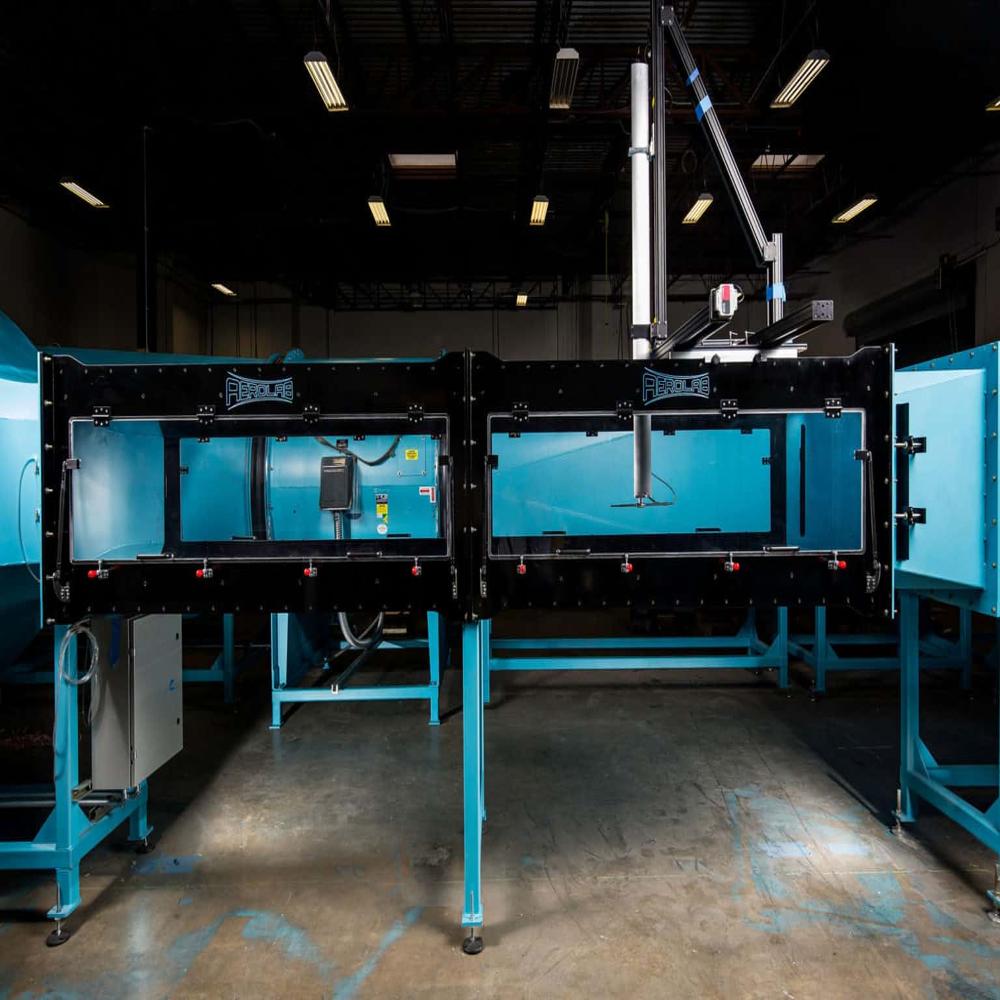
Tell us about your requirement

Price:
Quantity
Select Unit
- 50
- 100
- 200
- 250
- 500
- 1000+
Additional detail
Mobile number
Email

More Products in Wind Tunnel Instrumentation Category
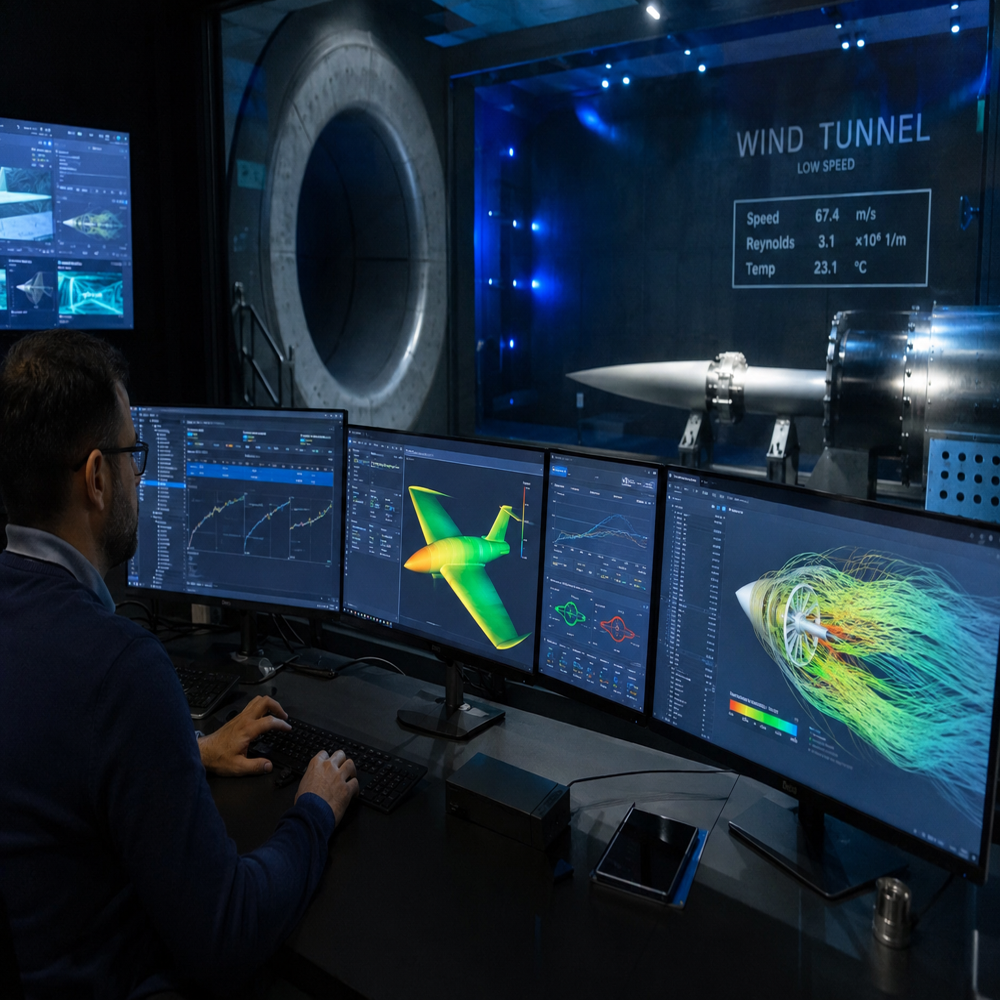
Digital Twin Wind Tunnel
Price 500000.0 INR / Unit
Minimum Order Quantity : 1 Unit
Power Mode : Electric
Technology : Other, Digital Twin Simulation
Processing Type : Other, Wind Simulation
Condition : New
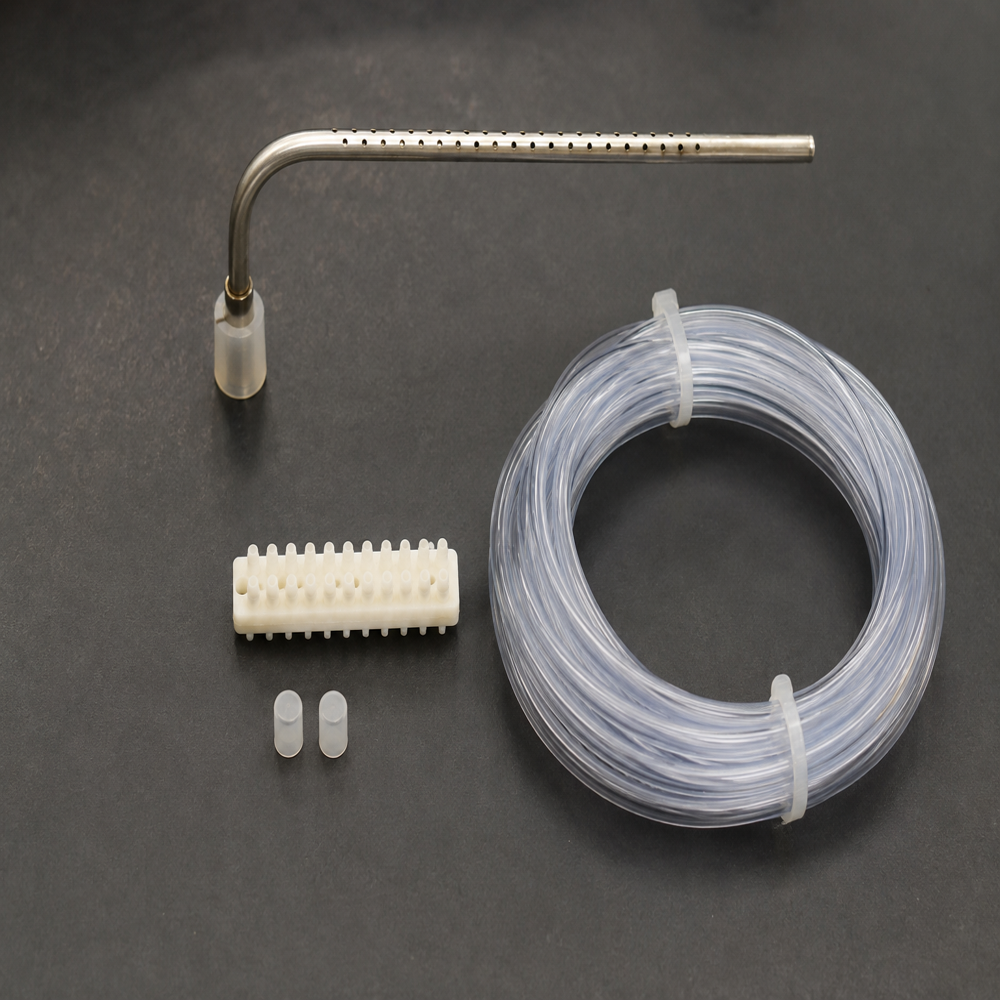
Wake Rake
Price 500000.0 INR / Number
Minimum Order Quantity : 1 Number
Power Mode : Other, Tractor Mounted
Technology : Other, Manual Adjustment Mechanism
Processing Type : Other, Forged / Welded
Condition : New
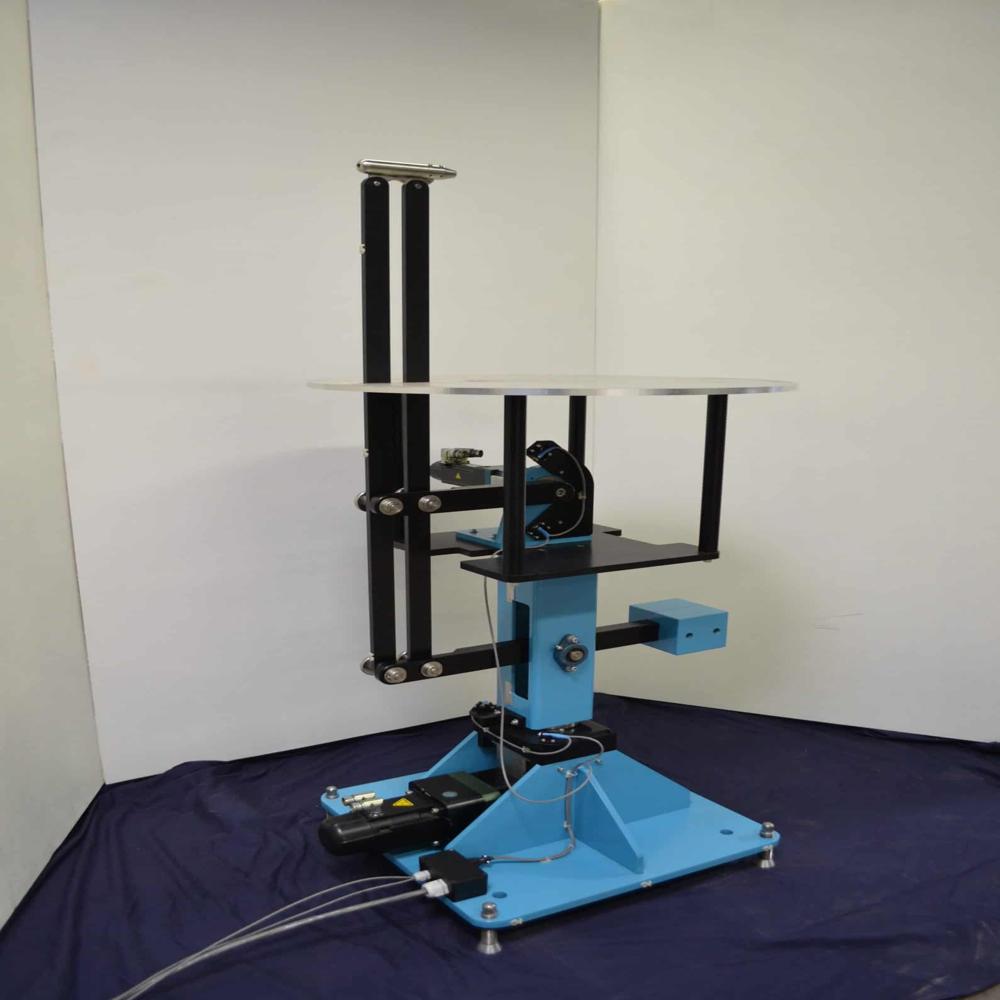
Model Positining System
Minimum Order Quantity : 1 Number
Power Mode : Electric
Technology : Other, CNC and Servo Control
Processing Type : Other, Automatic
Condition : New
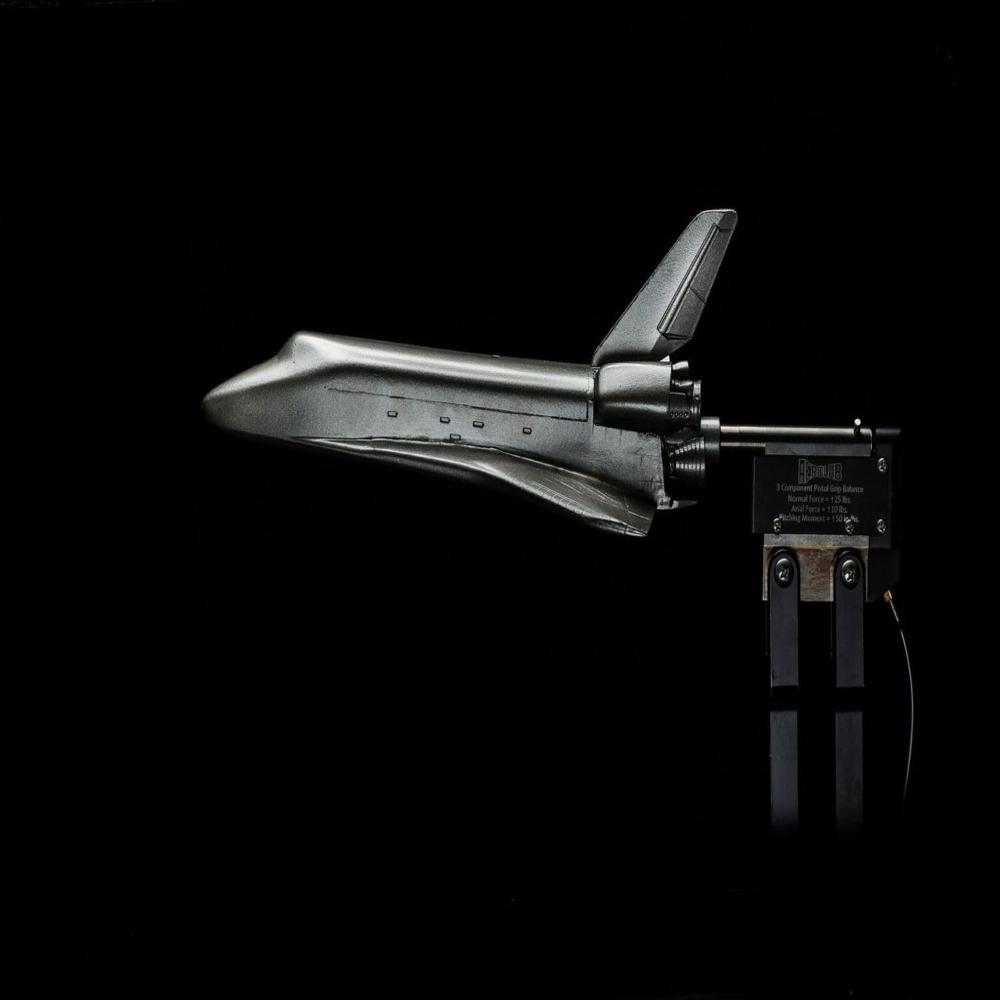
Scaled F-16/Custom Aircraft Models
Minimum Order Quantity : 1 Set
Power Mode : Other, Not applicable (Static model)
Technology : Other, Handcrafted with detailed painting and finishing
Processing Type : Other, Custom/Handmade
Condition : New

 Send Inquiry
Our Products


Plot No - 553, Phase 2 GIDC Vatva, Near Railway Station Vatva,Ahmedabad - 382445, Gujarat, India

Mr Devang Modi
(Director)
Mobile :08045801217
 Send Inquiry
 Send SMS
Developed and Managed by Infocom Network Private Limited.
