
Call us now :08045801217
 Send Inquiry
 Send Inquiry
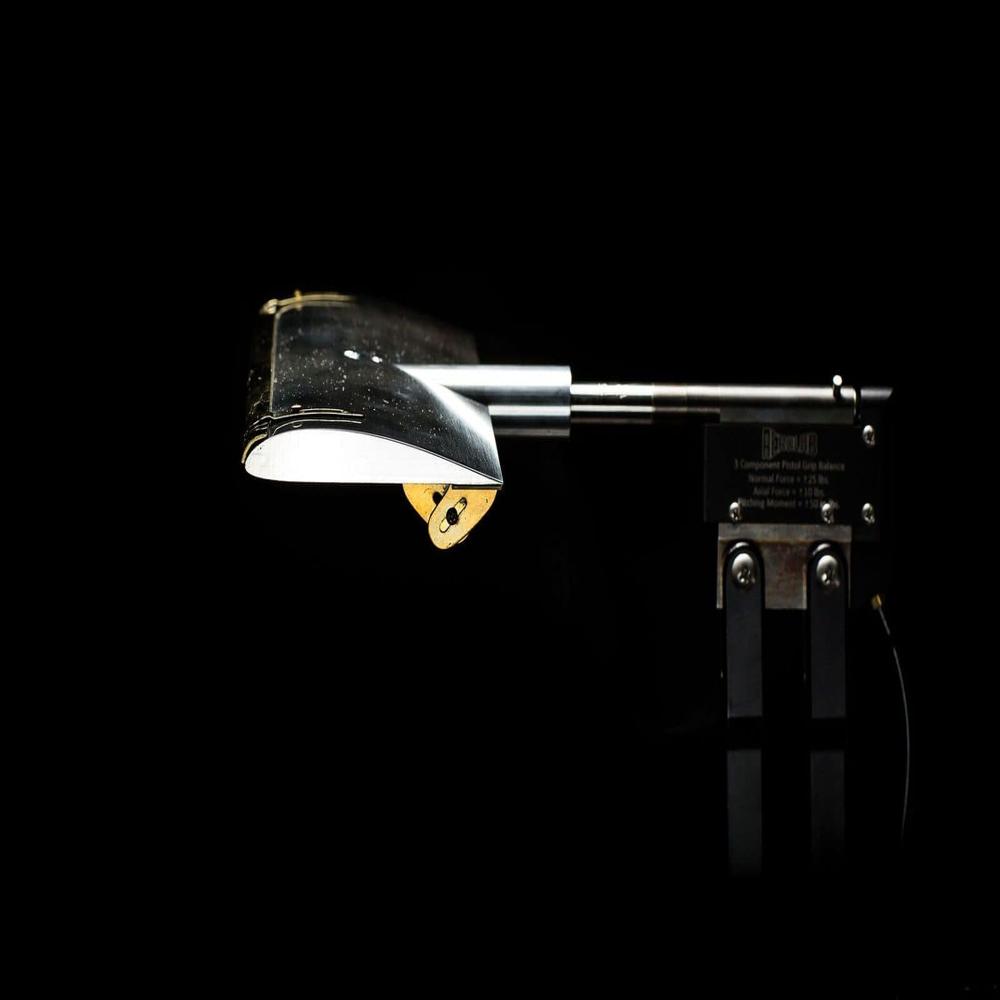
Sting Balance
MOQ : 1 Number
Sting Balance Specification
- Equipment Type
- Balance Machine
- Material
- Mild Steel
- Processing Type
- Automatic
- Condition
- New
- Technology
- Advanced Technology
- Dimension (L*W*H)
- As per requirement
- Power Mode
- Electric
- Voltage
- 220 V
- Power Consumption
- Low
- Pressure Output
- High
- Application
- Industrial Use
- Coating Type
- Powder Coated
- Accessories
- Standard Accessories
- Color
- Grey and Blue
- Working Speed
- Variable
- Display Type
- Digital
- Usage
- Perfect for balancing components like rotors, impellers, and turbines
- Frequency
- 50 Hz
Sting Balance About
Overview
High-precision internal force and moment balances engineered for subsonic, transonic, and supersonic wind tunnel testing. Machined from a single piece of precipitation-hardened stainless steel, these balances deliver exceptional strength, accuracy, and minimal cross-interference, making them ideal for advanced aerodynamic research.
Designed to fit inside test models, internal balances provide direct measurement of aerodynamic loads while maintaining clean external flow conditions.
Key Features
- Monolithic Construction: No screws, welds, or pins for superior integrity
- High Accuracy & Low Cross-Talk
- Compact Internal Design: Minimal flow disturbance
- Wide Range of Sizes & Load Capacities
- Protective Sheath: Safeguards strain gauges and wiring
- Compatible with Sting-Based Mounting Systems
Measurement Capabilities
- Normal Force
- Axial Force (Drag)
- Side Force
- Pitching Moment
- Yawing Moment
- Rolling Moment
Technical Datasheet (Typical)
Design & Construction
- Material: Precipitation-hardened stainless steel
- Manufacturing: Wire-EDM precision machining
- Mounting: Cylindrical or tapered ends
- Model Interface: Reamed fit with set-screw locking
- Protection: Integrated sheath for strain gauges and wiring
Load Capacity Range (Typical)
| Sting Diameter | Normal Force | Axial Force | Side Force | Moments Range |
| 3/8 in | 1 20 lbf | 1 12 lbf | up to 15 lbf | 12 50 in-lbf |
| 1/2 in | 40 60 lbf | 12 15 lbf | 30 36 lbf | 60 120 in-lbf |
| 5/8 in | 100 150 lbf | 25 lbf | 75 100 lbf | 150 250 in-lbf |
| 3/4 in | 200 250 lbf | 50 60 lbf | 100 144 lbf | 160 460 in-lbf |
| 1 in | up to 300 lbf | up to 80 lbf | up to 150 lbf | up to 500 in-lbf |
Design Details
- Sting Mounting:
- One end connects to model positioning system
- Other end fits inside test model
- Mounting Options:
- Cylindrical ends (standard)
- Tapered ends (for missile/nose-mounted models)
- Anti-Burr Features: Grooves or recessed flats for easy model removal
Optional Features
- Data Acquisition, Display & Control System
- Model positioning system integration
- Custom wind tunnel test models
- High-order calibration matrices
Applications
- Supersonic and transonic aerodynamic testing
- High-speed model testing with minimal flow disturbance
- Missile, aerospace, and UAV studies
- Advanced research laboratories
Customization
Each balance is custom-designed based on model size, load requirements, and wind tunnel conditions, ensuring optimal measurement accuracy and integration.
Advanced Digital Display Technology
Featuring a user-friendly digital display, the Sting Balance Machine allows for easy monitoring and precise adjustments during the balancing process. The advanced interface enhances accuracy, ensuring even complex industrial balancing tasks are executed with confidence and control.
Adaptable and Efficient Performance
With variable working speeds and automatic processing capability, this machine delivers exceptional adaptability across diverse balancing requirements. High pressure output combined with low energy consumption means operations remain both powerful and efficient, boosting productivity without increasing operational costs.
Rugged Construction for Industrial Use
Crafted with a mild steel body and protected by a durable powder-coated finish, the Sting Balance Machine is built to withstand the rigors of industrial settings. Its robust build ensures longevity, while customizable dimensions make it an ideal fit for varied workspace requirements.
FAQ's of Sting Balance:
Q: How does the Sting Balance Machine improve the balancing process for industrial components?
A: The machine utilizes advanced technology and variable working speed to ensure precision in balancing rotors, impellers, and turbines. Its digital display provides real-time feedback, allowing for quick adjustments, which results in efficient and accurate balancing for industrial applications.Q: What benefits does the Sting Balance Machine offer compared to traditional balancing equipment?
A: Its automatic operation, digital display, high-pressure output, and low power consumption reduce manual effort and energy costs. The use of advanced technology means operations are faster and more reliable, contributing to increased productivity and component lifespan.Q: When should I choose a machine with a variable working speed?
A: Variable working speed is essential when handling a range of components that differ in size, weight, or balancing requirements. This feature allows for precise calibration based on specific needs, preventing equipment strain and ensuring optimal results every time.Q: Where can the Sting Balance Machine be utilized most effectively?
A: It is best suited for factories, workshops, or manufacturing units where balancing of rotating elements like turbines, impellers, and rotors is required. Its robust design and suitability for industrial use make it ideal for high-demand environments.Q: What is the installation process for the Sting Balance Machine?
A: The machine is supplied with standard accessories and is designed for straightforward installation. Custom dimensions make it adaptable to your workspace, and it operates on a standard 220 V power supply. Once set up, its automatic mode ensures minimal manual intervention.Q: How does the powder-coated finish benefit the machine?
A: The powder-coated surface provides protection against corrosion, wear, and industrial contaminants, ensuring the machine maintains performance integrity and a longer service life, even in harsh industrial environments.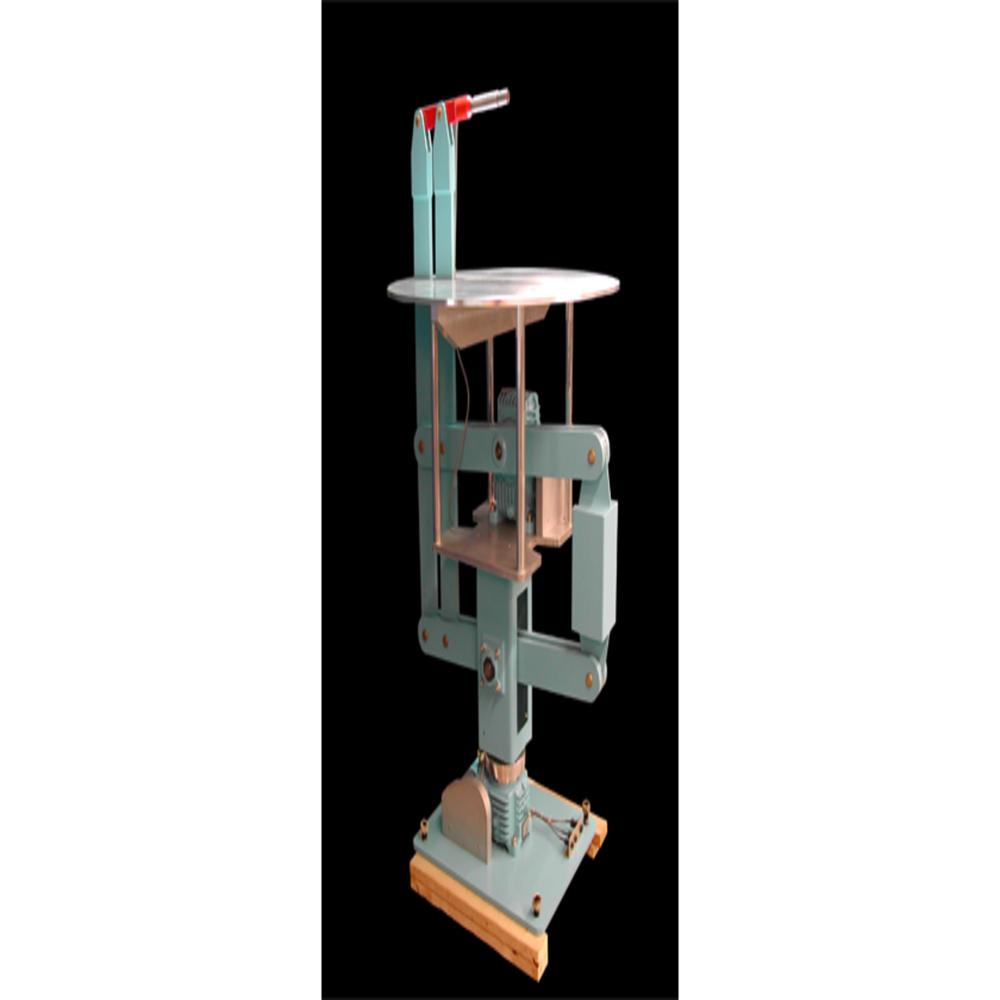
Tell us about your requirement

Price:
Quantity
Select Unit
- 50
- 100
- 200
- 250
- 500
- 1000+
Additional detail
Mobile number
Email

More Products in Wind Tunnel Instrumentation Category
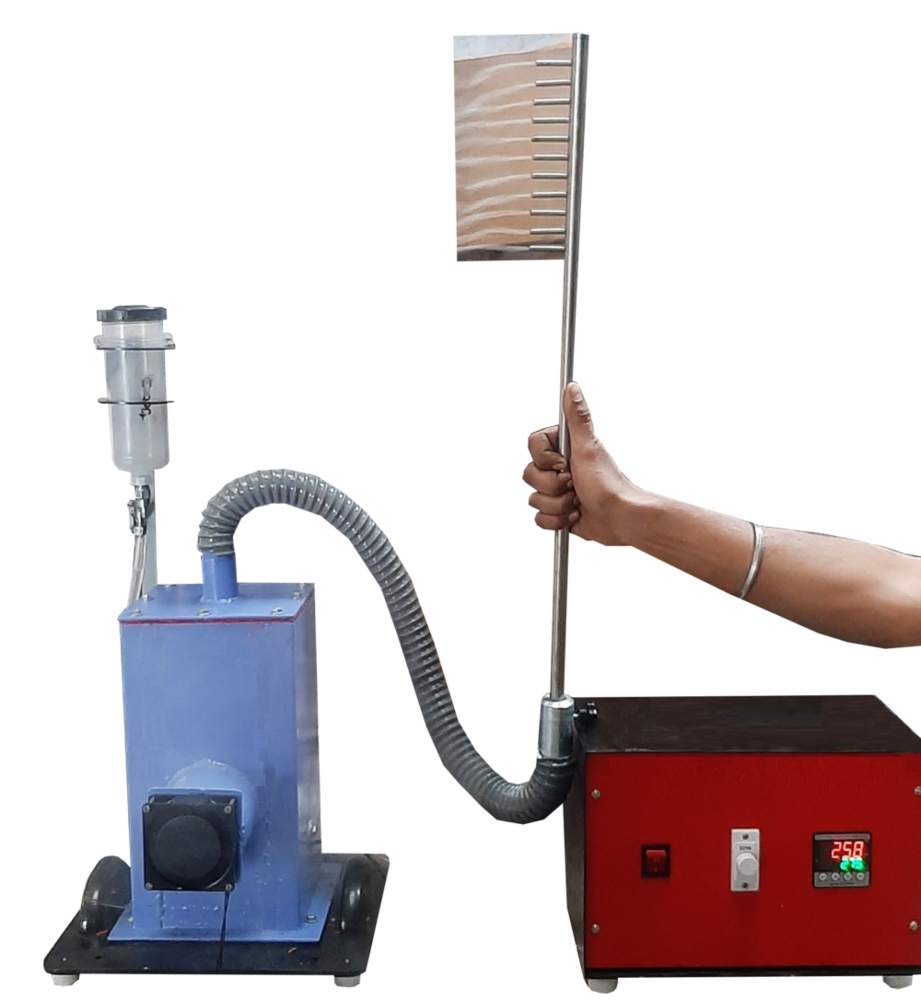
Smoke Generator
Minimum Order Quantity : 1 Piece
Material : Other, Stainless Steel
Dimension (L*W*H) : 900 x 500 x 1200 mm
Technology : Other, Thermal Smoke Generation
Coating Type : Polished Stainless
Power Mode : Electric
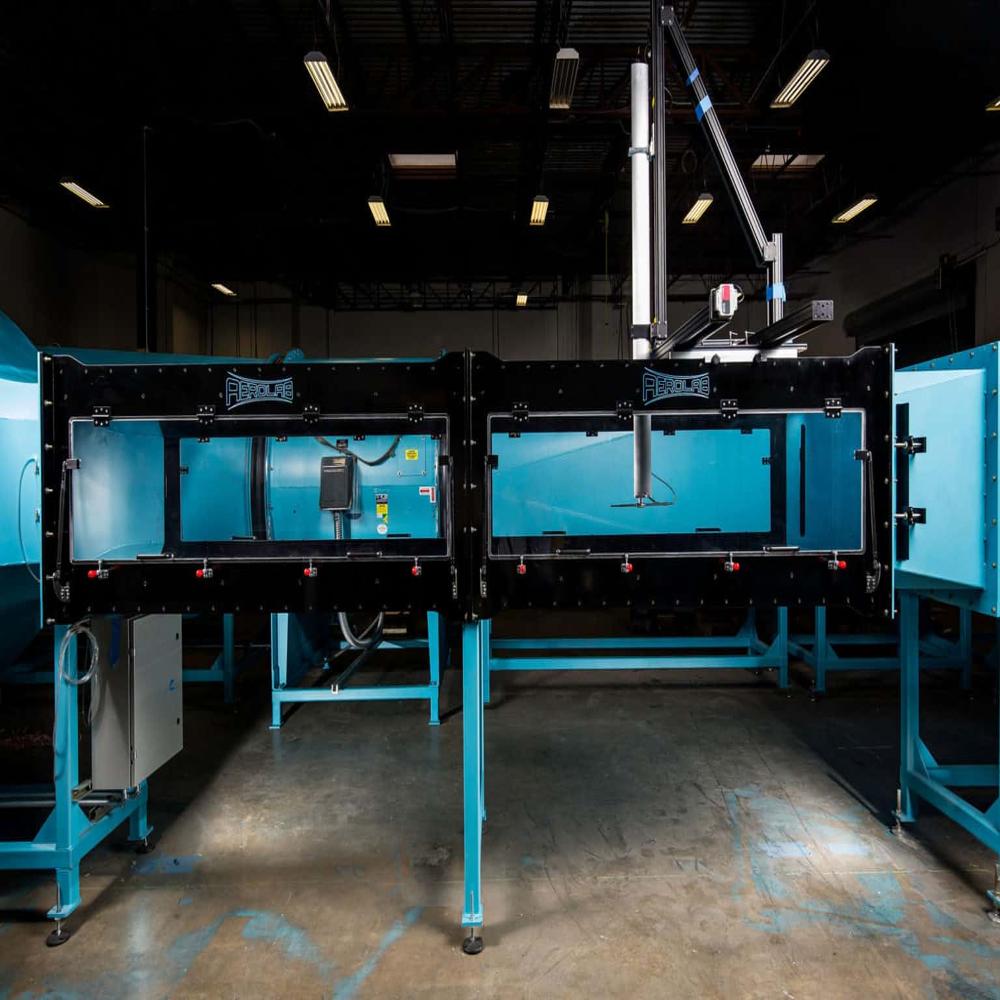
Traverse System
Minimum Order Quantity : 1 Number
Material : Other, Mild Steel
Dimension (L*W*H) : Customizable
Technology : Other, Automatic Traverse System
Coating Type : Powder Coated
Power Mode : Electric
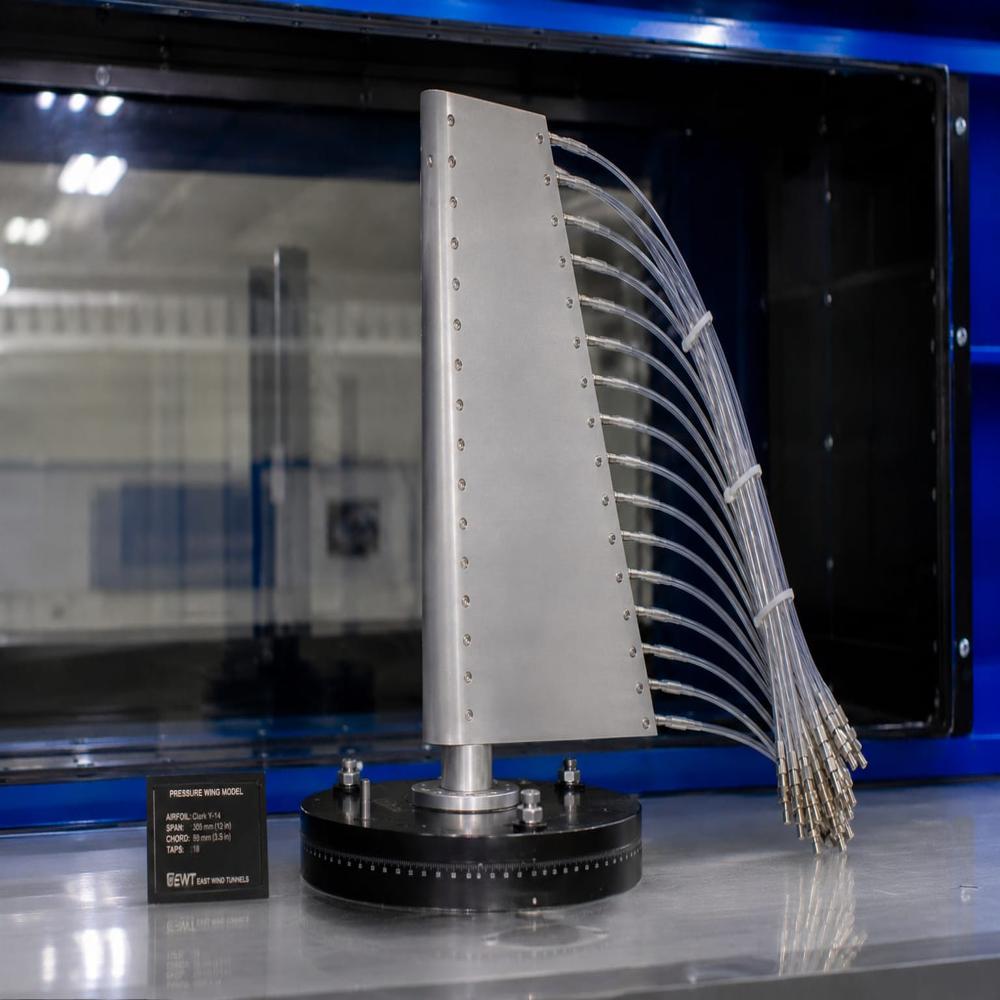
Pressure Wing
Minimum Order Quantity : 1 Number
Material : Other, High grade Stainless Steel
Dimension (L*W*H) : 340 x 170 x 60 mm
Technology : Other, Precision Forged Pressure Wing
Coating Type : Anticorrosive Coating
Power Mode : Other, Manual Operation
Clark Y-14 Slat/Flap Wing
Minimum Order Quantity : 1 Number
Material : Other, Aerospacegrade Aluminum Alloy & Composite
Dimension (L*W*H) : Span: 610 mm, Chord: 120 mm, Slat Chord: 25 mm, Flap Chord: 30 mm
Technology : Other, Clark Y14 Airfoil with Leading Edge Slat and Hinged Trailing Flap
Coating Type : Corrosion Resistant Anodized & Composite Surface
Power Mode : Other, Manual, Electric, Pneumatic (Depends on integration)

 Send Inquiry
Our Products


Plot No - 553, Phase 2 GIDC Vatva, Near Railway Station Vatva,Ahmedabad - 382445, Gujarat, India

Mr Devang Modi
(Director)
Mobile :08045801217
 Send Inquiry
 Send SMS
Developed and Managed by Infocom Network Private Limited.
