
Call us now :08045801217
 Send Inquiry
 Send Inquiry
Acoustic Bubble Spectrometer
Price 500000.0 INR/ Number
MOQ : 1 Number
Acoustic Bubble Spectrometer Specification
- Enclosure Protection
- IP54
- Calibration
- Automatic and Manual
- Color
- White & Blue
- Data Storage
- Onboard and Removable Storage
- Sensor Type
- Ultrasonic Acoustic Sensor
- Alarm System
- Selectable Audio-Visual Alarms
- Software Compatibility
- Windows 7/8/10
Acoustic Bubble Spectrometer About
The Acoustic Bubble Spectrometer (ABS) is a system designed to measure the bubble size distribution in liquids using ultrasonic signals. Originally developed by Dynaflow Inc. (USA), this system enables precise and non-intrusive bubble measurement in various research applications.
Overview
Ultrasonic waves are highly sensitive to bubbles, allowing the ABS system to measure bubble size distribution without interference from solid particles in the liquid. Unlike optical methods, it does not require transparent fluids or containers, making it suitable for a wide range of environments.
The system operates on a Windows-based platform with an intuitive GUI, enabling easy operation without requiring advanced knowledge of complex analysis algorithms.
Measurement Principle
- Uses two ultrasonic sensors (transmitter and receiver).
- A predefined signal is transmitted through the liquid.
- The system analyzes:
- Sound attenuation (u)
- Signal attenuation (v)
- Bubble size distribution is obtained by solving an inverse problem using parameters (u, v).
- Results include:
- Bubble diameter vs. number density distribution
- Real-time waveform visualization
A reference measurement (bubble-free condition) is required to establish baseline values.
Key Features
- Accurate measurement of bubble size distribution in liquids
- Unaffected by solid particles in the medium
- No requirement for optical transparency
- Real-time visualization of measurement results
- All data stored in binary format for post-processing
- User-friendly GUI-based operation
System Configuration
Standard ABS System
- Desktop computer (Windows OS)
- Signal generation board
- Data acquisition board (sampling rate: 10 MHz)
- Ultrasonic sensor set (1/2 inch, transmitter & receiver)
- Signal amplifier
- ABS measurement and analysis software (with 1-year support)
- Operation manuals (English & Japanese)
Optional Equipment
- Upgrade to notebook computer (at time of order)
- Various ultrasonic sensor sets
- Size range: 1/2 inch to 4 inches
- Available in square, cylindrical, and custom designs
- Bypass pipe system with built-in sensors
- Multi-hydrophone system (up to 3 sensor sets)
Measurement Range
- Frequency Range: 10 kHz 220 kHz
- Bubble Radius: 5 m 500 m
(Varies depending on sensor specifications)
Output Data
- Raw signal waveforms
- Parameters (u, v)
- Bubble size distribution
- Void fraction
Applications
- Cavitation testing (bubble nucleus measurement)
- Evaluation of microbubble generation systems
- Environmental bubble measurements
- Monitoring in water treatment systems
Precision Measurement with Ultrasonic Technology
Utilizing an Ultrasonic Acoustic Sensor, the Acoustic Bubble Spectrometer delivers high-sensitivity bubble detection for accurate fluid analysis. The technology minimizes interference and supports a wide range of industrial applications, ensuring reliable results in diverse operational environments.
Flexible Alarm and Data Solutions
The spectrometer's selectable audio-visual alarm system allows users to customize notifications based on specific operational requirements. Combined with dual data storage options-onboard memory and removable storage-it provides secure, hassle-free handling of measurement data.
FAQ's of Acoustic Bubble Spectrometer:
Q: How does the Acoustic Bubble Spectrometer detect bubbles in fluids?
A: The device uses an Ultrasonic Acoustic Sensor to send sound waves through the fluid. Bubbles reflect these waves differently from the surrounding liquid, allowing the spectrometer to easily identify and measure bubbles with high precision.Q: What types of alarms does the spectrometer support?
A: It features selectable audio-visual alarms. Users can choose between sound, light, or both, ensuring they receive alerts in the most suitable format for their application and environment.Q: When should the calibration of the spectrometer be performed?
A: The instrument supports both automatic and manual calibration. Automatic calibration can be set at regular intervals, while manual calibration is recommended after significant changes in the testing environment or before critical measurements to ensure optimal accuracy.Q: Where can data from the Acoustic Bubble Spectrometer be stored?
A: Data can be saved onboard within the device or transferred to removable storage media, allowing flexible archiving and easy data transport. This ensures secure handling and backup of all measurement records.Q: What process is involved in exporting the recorded data?
A: Users can easily export recorded data via the removable storage option. The instrument is also compatible with Windows 7/8/10, facilitating straightforward data transfer to your PC for further analysis or reporting.Q: How is the Acoustic Bubble Spectrometer beneficial for manufacturers and exporters?
A: As a precision tool, it enables manufacturers and exporters to ensure product quality by detecting bubbles that could impact material properties, leading to better compliance with industry standards and fewer defective products.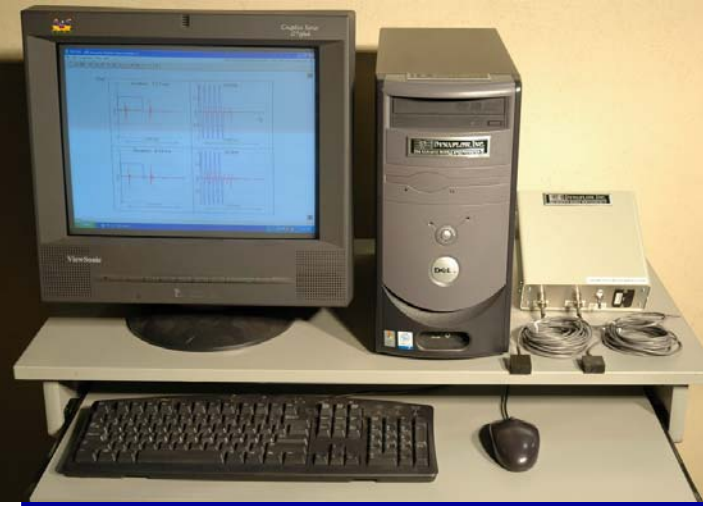
Tell us about your requirement

Price:
Quantity
Select Unit
- 50
- 100
- 200
- 250
- 500
- 1000+
Additional detail
Mobile number
Email

More Products in Water Tunnel Category
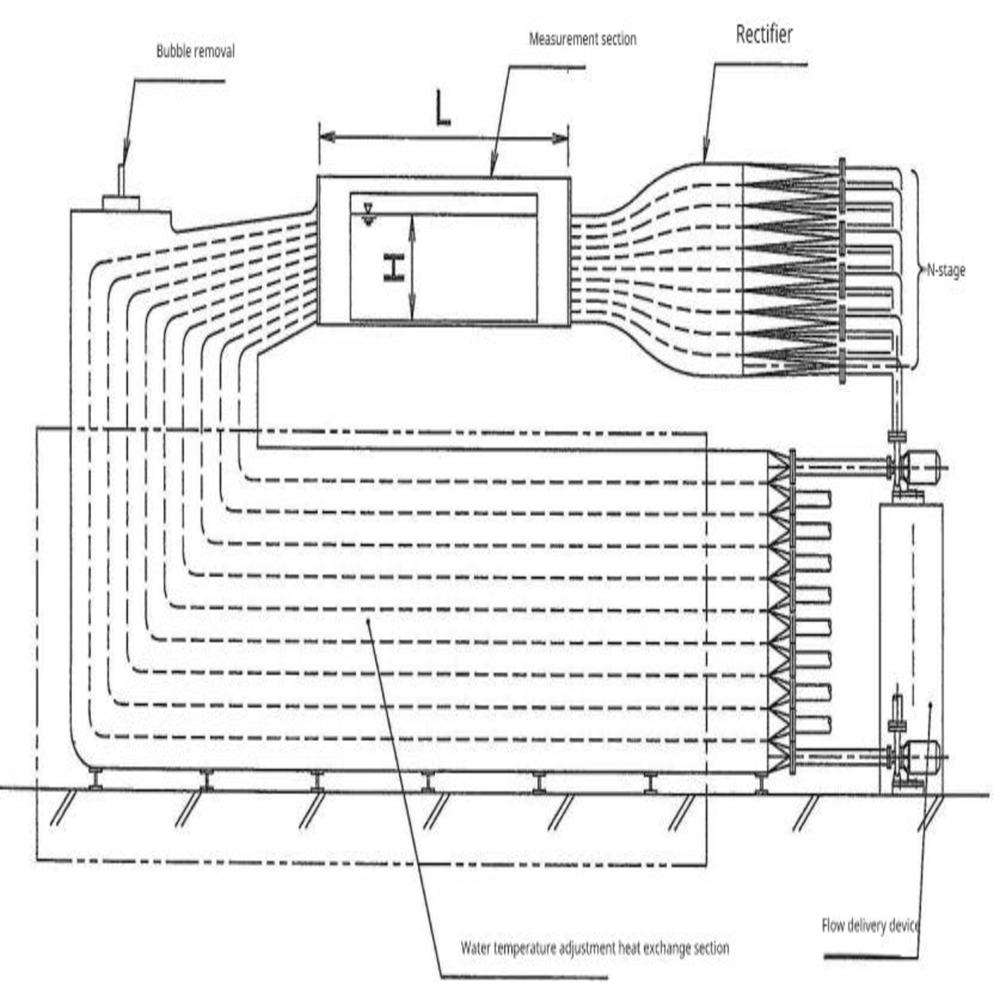
Thermal Stratification Tank
Price 500000.0 INR / Unit
Minimum Order Quantity : 1 Unit
Material : Other, Stainless Steel / Carbon Steel
Coating Type : Anticorrosion Internal Coating
Processing Type : Other, Pressure Vessel Manufacturing
Power Mode : Other, Electric / Heat Exchanger Connected
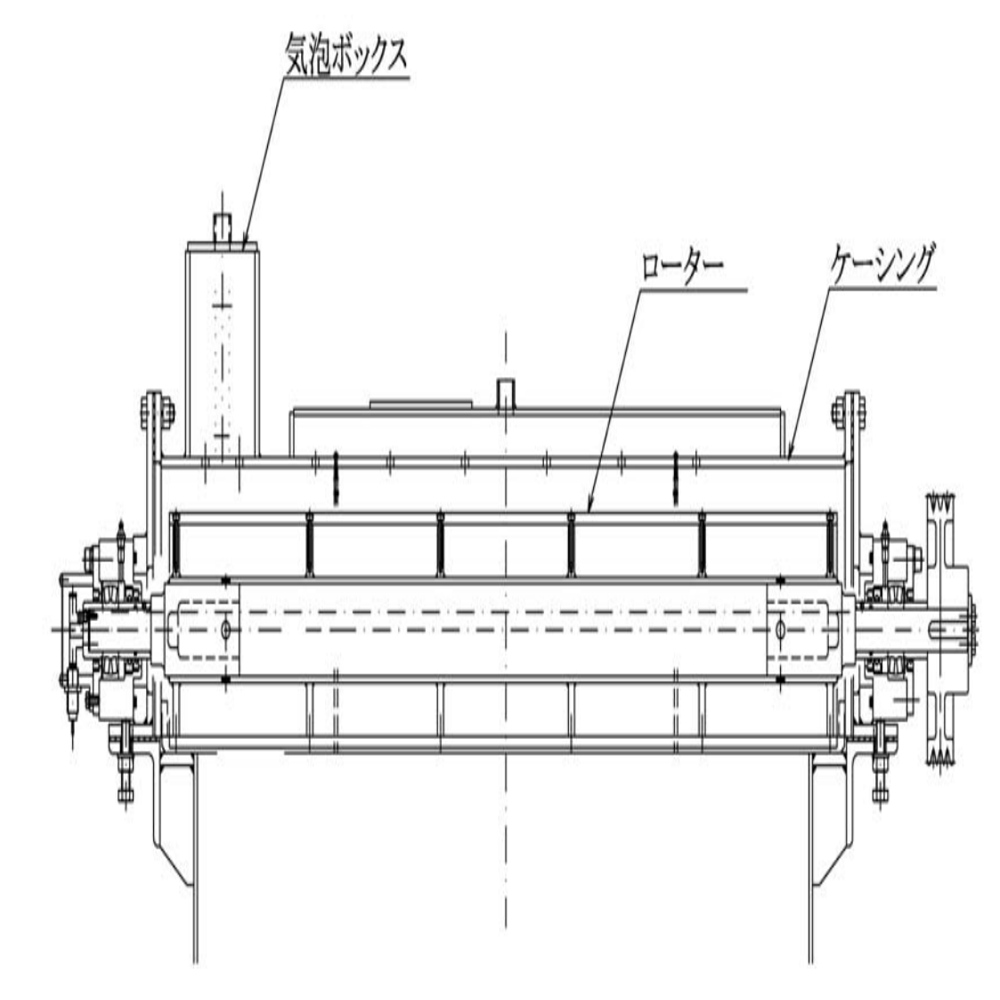
Surface Accelerator
Price 500000.0 INR / Piece
Minimum Order Quantity : 1 Piece
Material : Other, High Grade Stainless Steel & Aluminum Alloy
Coating Type : Dry or Wet Coating Accelerator
Processing Type : Other, Continuous Inline
Power Mode : Electric
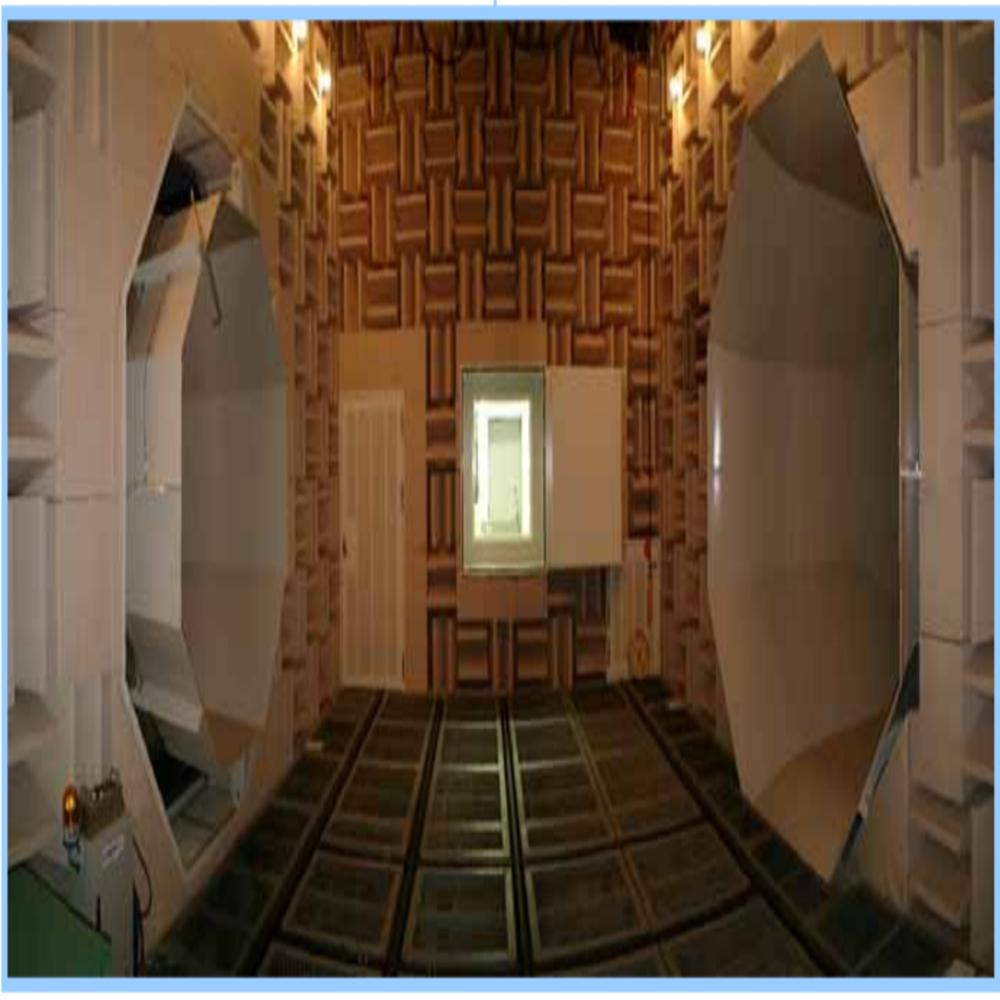
Low Noise Wind Tunnel
Price 500000.0 INR / Unit
Minimum Order Quantity : 1 Unit
Material : Other, Mild Steel
Coating Type : AntiCorrosion Coating
Processing Type : Other, Precision Machined
Power Mode : Electric
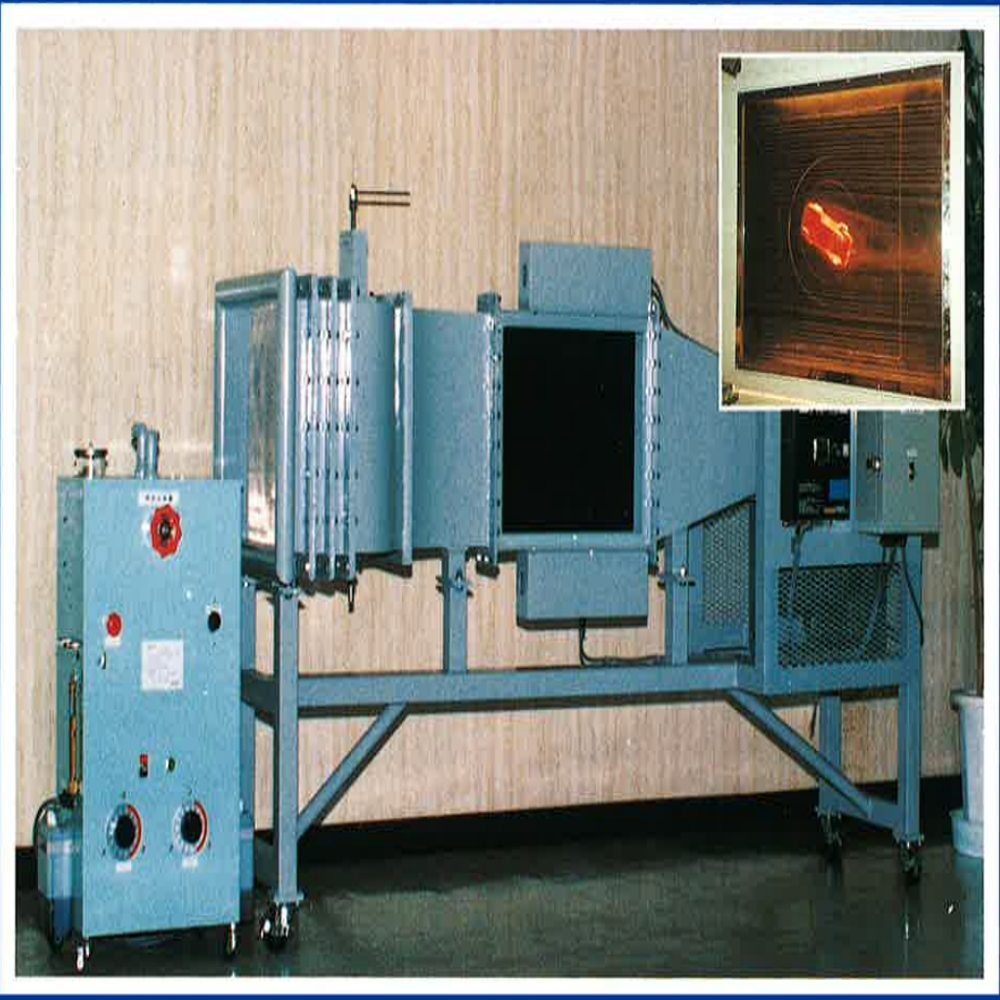
Small Visualization Wind Tunnel
Price 500000.0 INR / Unit
Minimum Order Quantity : 1 Unit
Material : Other, Acrylic and Aluminum Alloy
Coating Type : Powder Coated Aluminum for Frame
Processing Type : Other, Experimentation and Demonstration
Power Mode : Electric

 Send Inquiry
Our Products


Plot No - 553, Phase 2 GIDC Vatva, Near Railway Station Vatva,Ahmedabad - 382445, Gujarat, India

Mr Devang Modi
(Director)
Mobile :08045801217
 Send Inquiry
 Send SMS
Developed and Managed by Infocom Network Private Limited.
