
Call us now :08045801217
 Send Inquiry
 Send Inquiry
Low Noise Wind Tunnel
Price 500000.0 INR/ Unit
MOQ : 1 Unit
Low Noise Wind Tunnel Specification
- Equipment Type
- Low Noise Wind Tunnel
- Material
- Mild Steel
- Processing Type
- Precision Machined
- Condition
- New
- Technology
- Aerodynamic Simulation
- Dimension (L*W*H)
- 4 m x 1.2 m x 2 m
- Power Mode
- Electric
- Voltage
- 220 V / 380 V, 50 Hz
- Power Consumption
- 5 kW
- Pressure Output
- Variable, up to 2000 Pa
- Application
- Research & Development, Educational Institutes, Industrial Testing
- Coating Type
- Anti-Corrosion Coating
- Accessories
- Flow Straightener, Pitot Tubes, Test Section, Honeycomb Structure
- Mounting Type
- Floor Mount
- Airflow Uniformity
- 1%
- Fan Type
- Low Noise Axial Fan
- User Interface
- Touch Panel Display
- Safety Features
- Emergency Stop, Overload Protection
- Colour
- Grey/Blue
- Control
- Digital Speed Controller with Remote Interface
- Test Section Size
- 600 mm x 600 mm
- Noise Level
- Below 65 dB
Low Noise Wind Tunnel About
Key Features
- Achieves low-noise and low-turbulence airflow performance
- Equipped with two test sections for versatile testing applications
- Closed-circuit airflow system enables energy recovery and efficiency
- Compact, space-saving design with optimized components
Performance Specifications
Test Section 1
- Dimensions: Width 2 m Height 2 m Length 5 m
- Type: Open-type
- Maximum Wind Speed: 60 m/s
- Velocity Distribution: Within 1% (at 40 m/s)
- Turbulence Intensity: 0.5% (at 40 m/s)
- Noise Level: 65 dB(A) (at 40 m/s)
Test Section 2
- Dimensions: Width 3.5 m Height 3.5 m Length 7 m
- Type: Closed-type
- Maximum Wind Speed: 30 m/s (with flow path block installed)
- Velocity Distribution: Within 5% (at 30 m/s)
- Turbulence Intensity: 3% (at 30 m/s)
Main Components
- Flow Straightening Section
- Composed of honeycomb structures and multiple screens
- Guide Vanes (with sound-absorbing material)
- Reduce pressure loss at corners while improving flow uniformity
- Silencer Unit
- Minimizes operational noise
- Acoustic Treatment
- Inner walls lined with porous sound-absorbing concrete panels
- Blower System
- Measurement Room & Dual Test Sections
Additional Notes
- Custom design modifications are available as per client requirements
- Design, manufacturing, and installation of general low-speed wind tunnels are also offered
Superior Acoustic Performance
Experience high-precision aerodynamic testing with minimal disturbance. The Low Noise Wind Tunnel operates below 65 dB, allowing tests in environments where quiet operation is essential. Its advanced axial fan design effectively minimizes noise without compromising airflow quality, making it suitable for acoustic-sensitive research and educational facilities.
Advanced Control and Safety
This wind tunnel features a digital speed controller with remote interface, offering seamless adjustments and operational flexibility. The intuitive touch panel display enhances user interaction, while built-in safety functions, such as emergency stop and overload protection, safeguard both equipment and personnel during use.
FAQ's of Low Noise Wind Tunnel:
Q: How does the Low Noise Wind Tunnel achieve such low noise levels during operation?
A: The tunnel utilizes a specially engineered low noise axial fan and advanced flow control mechanisms. High-quality sound insulation and aerodynamic design features ensure operating noise does not exceed 65 dB even at high speeds.Q: What are the main benefits of using a wind tunnel with 1% airflow uniformity?
A: A 1% airflow uniformity ensures highly consistent and accurate test results. This level of precision is especially important for aerodynamic studies, allowing users to reliably analyze airflow patterns and performance characteristics.Q: Where is this wind tunnel typically installed and used?
A: With its floor mounting design and moderate size, this wind tunnel is suitable for installation in laboratory environments, educational institutions, and research centers. Its low noise profile also makes it appropriate for use in university labs or industrial test facilities near office spaces.Q: When should the emergency stop and overload protection features be engaged?
A: The emergency stop should be used in any situation where immediate shutdown is required to ensure user safety or prevent equipment damage. Overload protection automatically activates if the motor or electrical system encounters excessive load, preventing mechanical and electrical faults.Q: What process should users follow to control airflow and monitor performance?
A: Users can control the airflow using the digital speed controller, accessible both through the touch panel and the remote interface. Real-time parameters and system status are displayed, enabling precise monitoring and adjustment during testing procedures.Q: How does the touch panel display improve the user experience?
A: The touch panel provides an intuitive and interactive interface, making it easier to set parameters, start or stop tests, and monitor system operation. This streamlined control reduces operator errors and speeds up test setup.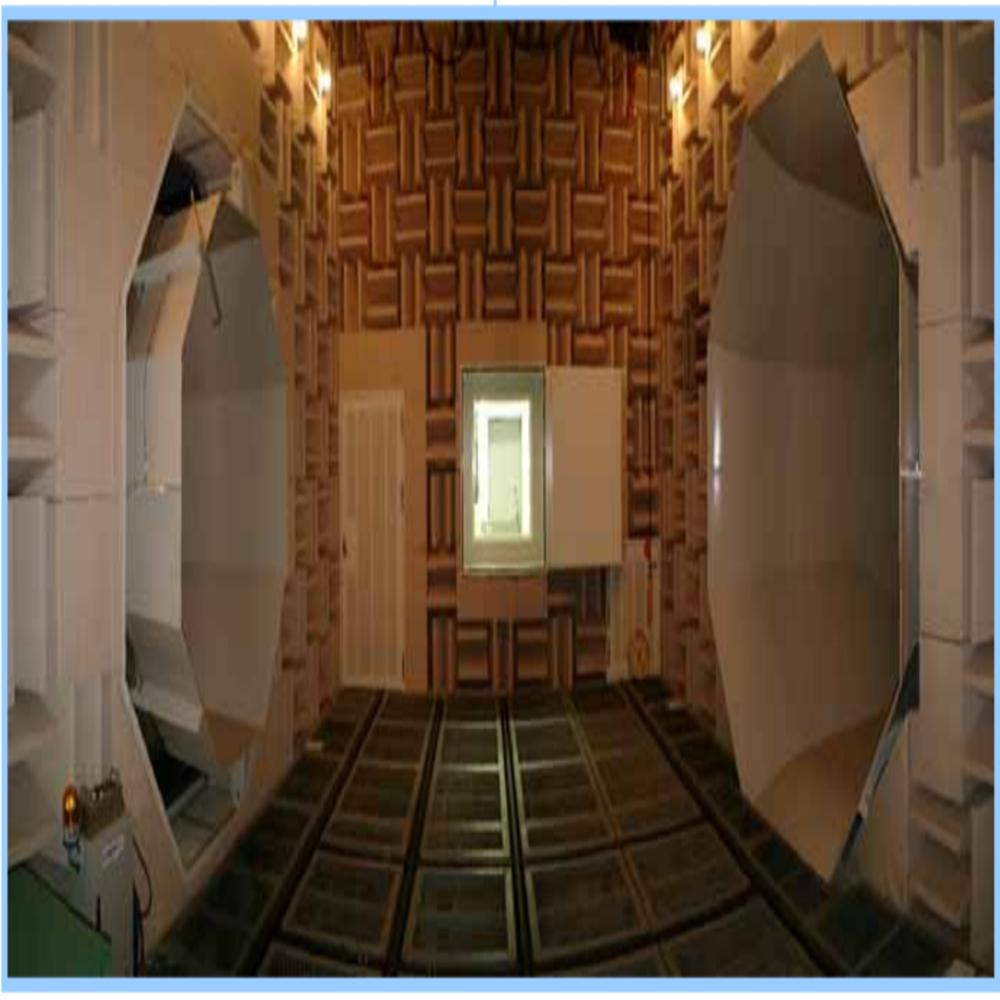
Tell us about your requirement

Price:
Quantity
Select Unit
- 50
- 100
- 200
- 250
- 500
- 1000+
Additional detail
Mobile number
Email

More Products in Water Tunnel Category
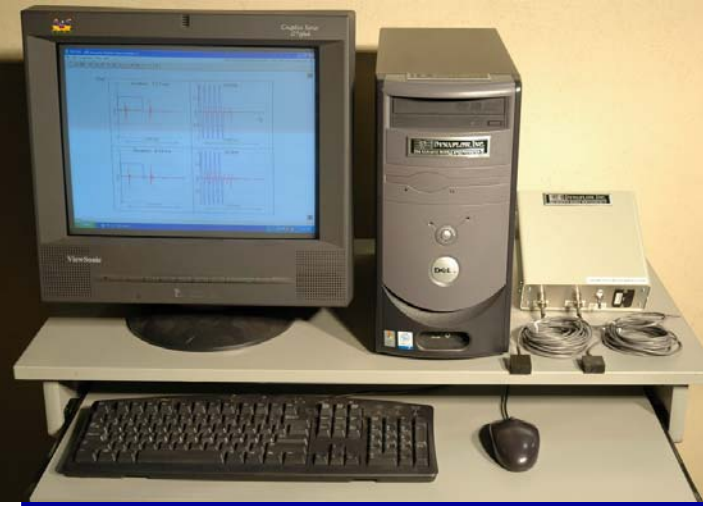
Acoustic Bubble Spectrometer
Price 500000.0 INR / Number
Minimum Order Quantity : 1 Number
Application : Bubble detection, liquid analysis, process monitoring
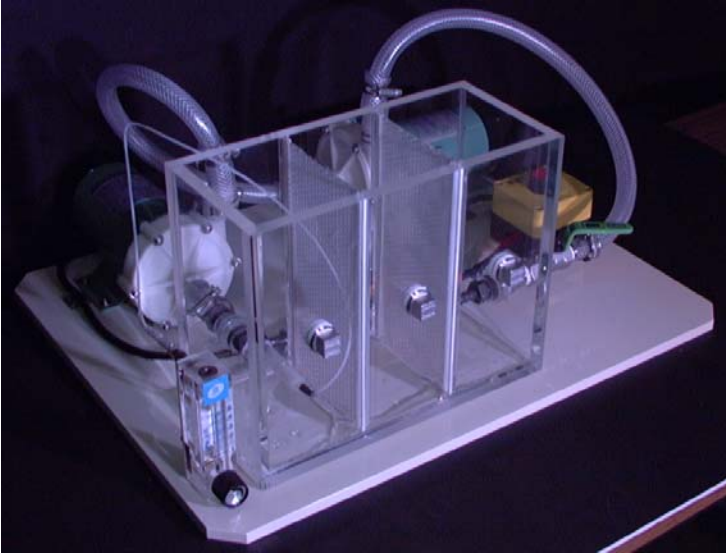
Micro Bubble Generator
Price 500000.0 INR / Number
Minimum Order Quantity : 1 Number
Application : Fine Bubble Aeration, Wastewater Treatment, Aquaculture, Cleaning
Coating Type : CorrosionResistant Coating
Pressure Output : 0.20.5 MPa
Condition : New
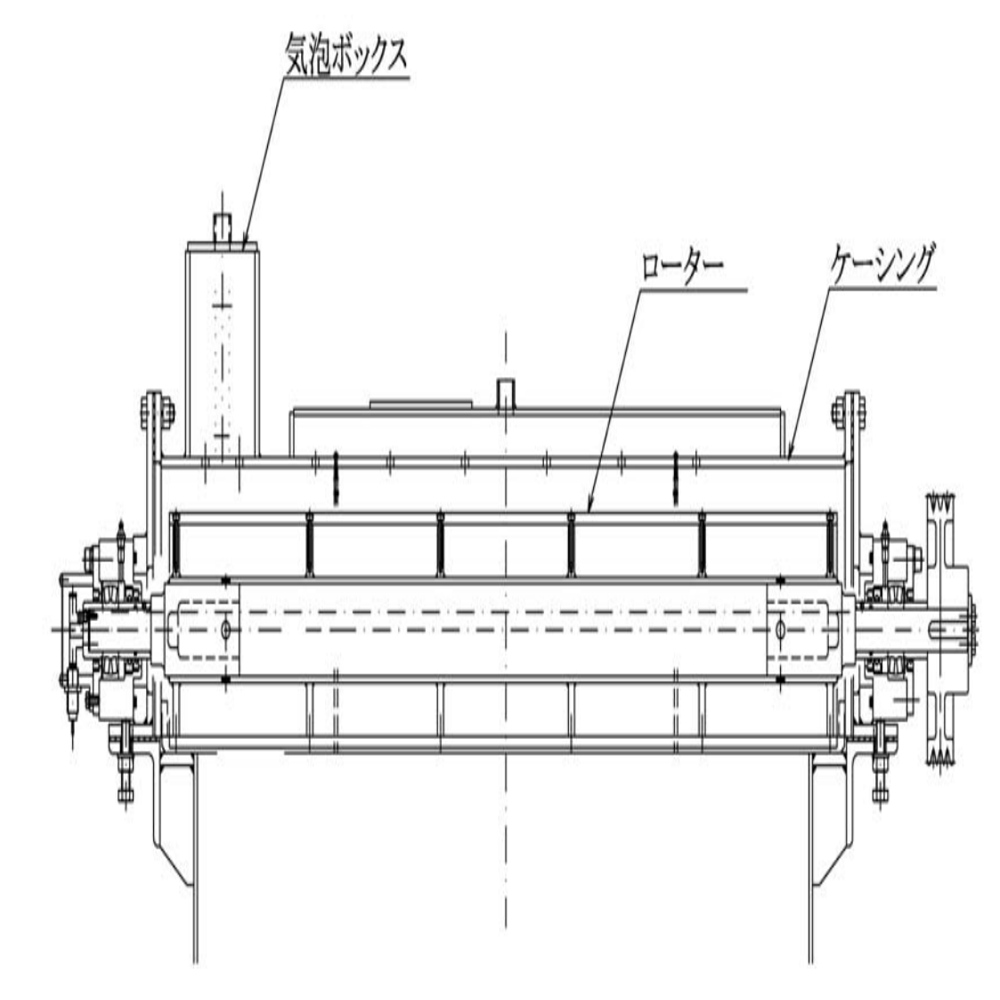
Surface Accelerator
Price 500000.0 INR / Piece
Minimum Order Quantity : 1 Piece
Application : Surface acceleration for coating, printing, and lamination lines
Coating Type : Dry or Wet Coating Accelerator
Pressure Output : 0.2 1.2 MPa, Adjustable
Condition : New
Fluid Mechanics System
Price 500000.0 INR / Number
Minimum Order Quantity : 1 Number
Application : Lab Testing, Educational Demonstrations, and Research
Coating Type : Powder Coated
Pressure Output : 010 bar
Condition : New

 Send Inquiry
Our Products


Plot No - 553, Phase 2 GIDC Vatva, Near Railway Station Vatva,Ahmedabad - 382445, Gujarat, India

Mr Devang Modi
(Director)
Mobile :08045801217
 Send Inquiry
 Send SMS
Developed and Managed by Infocom Network Private Limited.
