
Call us now :08045801217
 Send Inquiry
 Send Inquiry
Small Visualization Wind Tunnel
Price 500000.0 INR/ Unit
MOQ : 1 Unit
Small Visualization Wind Tunnel Specification
- Equipment Type
- Small Visualization Wind Tunnel
- Material
- Acrylic and Aluminum Alloy
- Processing Type
- Experimentation and Demonstration
- Condition
- New
- Technology
- Aerodynamic Visualization
- Dimension (L*W*H)
- Approx. 1200*400*500 mm
- Power Mode
- Electric
- Voltage
- 220V-240V / 50Hz
- Power Consumption
- 150 W
- Pressure Output
- Low Pressure (for flow visualization)
- Application
- Educational/Research Wind Flow Visualization
- Coating Type
- Powder Coated Aluminum for Frame
- Accessories
- Smoke Generator, Model Mounts, Flow Tracers
- Control System
- Manual Speed Controller
- Blower Type
- Variable Speed Centrifugal Fan
- Safety Features
- Emergency Stop and Overcurrent Protection
- Weight
- Approx. 45 kg
- Visualization Method
- Smoke/Wool Tufts
- Observation Windows
- Transparent Acrylic Panels
- Ambient Temperature Range
- 5C to 35C
- Noise Level
- < 65 dB at maximum airflow
- Test Section Size
- 300 mm x 200 mm
- Suitable For
- Engineering Colleges, Universities, Research Labs
- Working Speed
- Adjustable, up to 20 m/s
- Frame Structure
- Rigid Aluminum Extrusion
Small Visualization Wind Tunnel About
Overview
The AERO MINI is a compact, high-performance visualization wind tunnel designed for research, laboratory demonstrations, and educational purposes. It enables clear observation of airflow patterns and flow behavior around models in a controlled environment.
Key Features
- Compact and space-saving design suitable for laboratories and classrooms
- Excellent flow visualization capability using smoke or tracer methods
- Transparent test section for clear observation from multiple angles
- Stable and uniform airflow for accurate experimental results
- Low noise operation for indoor use
- Easy operation and maintenance
Model Configurations
Available in multiple configurations depending on research needs:
- Straight Section Type (TS Type)
Standard configuration for basic flow visualization experiments - L-Type Configuration (LS Type)
Space-efficient design with airflow redirection - S-Type Configuration (MS Type)
Flexible layout for compact installation - Closed Loop Type (DS Type)
Recirculating airflow system for energy efficiency and stable flow conditions
Standard Specifications
(Typical range customizable based on requirements)
- Test Section Size: Multiple options available
- Air Velocity Range: Approx. 0.5 to 30 m/s
- Flow Type: Subsonic, low turbulence
- Test Section Material: Transparent acrylic (plexiglass)
- Drive System: Variable-speed fan/blower
- Control System: User-friendly control panel
Optional Features
- Smoke generator for flow visualization
- Honeycomb and screen flow straighteners
- Adjustable lighting system for better visibility
- Digital velocity measurement system
- Model mounting and positioning system
- Custom test section sizes and configurations
Applications
- Aerodynamic studies
- Flow visualization experiments
- Educational demonstrations
- Research and development
- Fluid mechanics training
Efficient Aerodynamic Testing
This wind tunnel is tailored for demonstrating and analyzing airflow patterns over models. By offering adjustable speeds and a clear observation area, it facilitates precise testing and visualization. Its moderate size allows for varied experimental setups, making it versatile for academic and research applications.
Clear and Safe Visualization
Featuring transparent acrylic panels and advanced visualization methods such as smoke and wool tufts, users can easily observe airflow phenomena. Built-in safety mechanisms, including emergency stops and overcurrent protection, ensure that operation remains safe and reliable during intensive sessions.
User-Friendly Control and Portability
The manual speed controller grants direct adjustment of flow rates, accommodating different experimental needs. Weighing approximately 45 kg and constructed with a rigid aluminum extrusion frame, the tunnel is durable yet portable, making it easy to deploy in various lab environments.
FAQ's of Small Visualization Wind Tunnel:
Q: How does the smoke and wool tuft visualization work in this wind tunnel?
A: The smoke generator and wool tufts are used to reveal airflow patterns within the test section. When smoke or tufts are introduced, users can visually track the flow paths, turbulence, and separation zones across or around objects placed in the tunnel.Q: What types of experiments can be conducted with this wind tunnel?
A: It is suitable for a variety of aerodynamic and fluid dynamics demonstrations, such as observing laminar and turbulent flow, measuring drag and lift forces on scale models, and visualizing boundary layers for educational and research projects.Q: When is this wind tunnel most beneficial for academic and research purposes?
A: The tunnel is particularly useful during coursework related to aerodynamics, fluid mechanics, or mechanical engineering, as well as in research scenarios that require controlled velocity airflow and precise visualization. It supports practical learning and experimental validation.Q: Where is the best environment to operate this wind tunnel?
A: This wind tunnel is designed for use in laboratories at engineering colleges, universities, and research institutions. It functions optimally within an ambient temperature range of 5C to 35C and in spaces that can accommodate its 45 kg weight and dimensions.Q: What process is involved in controlling the wind speed?
A: A manual speed controller allows users to easily adjust the centrifugal blower fan's speed, providing fine control over airflow up to 20 m/s. This enables tailored testing conditions for a wide range of experimental requirements.Q: How do the safety features enhance the user experience?
A: Emergency stop and overcurrent protection systems are integrated to ensure operator safety. These features help prevent accidents, damage, or electrical hazards, allowing users to focus on experimentation with peace of mind.Q: What are the main benefits of using this wind tunnel in an educational setting?
A: Students and researchers benefit from hands-on experimentation, real-time airflow visualization, and the ability to safely study aerodynamic phenomena. Its user-friendly design and robust construction make it a lasting investment for academic labs.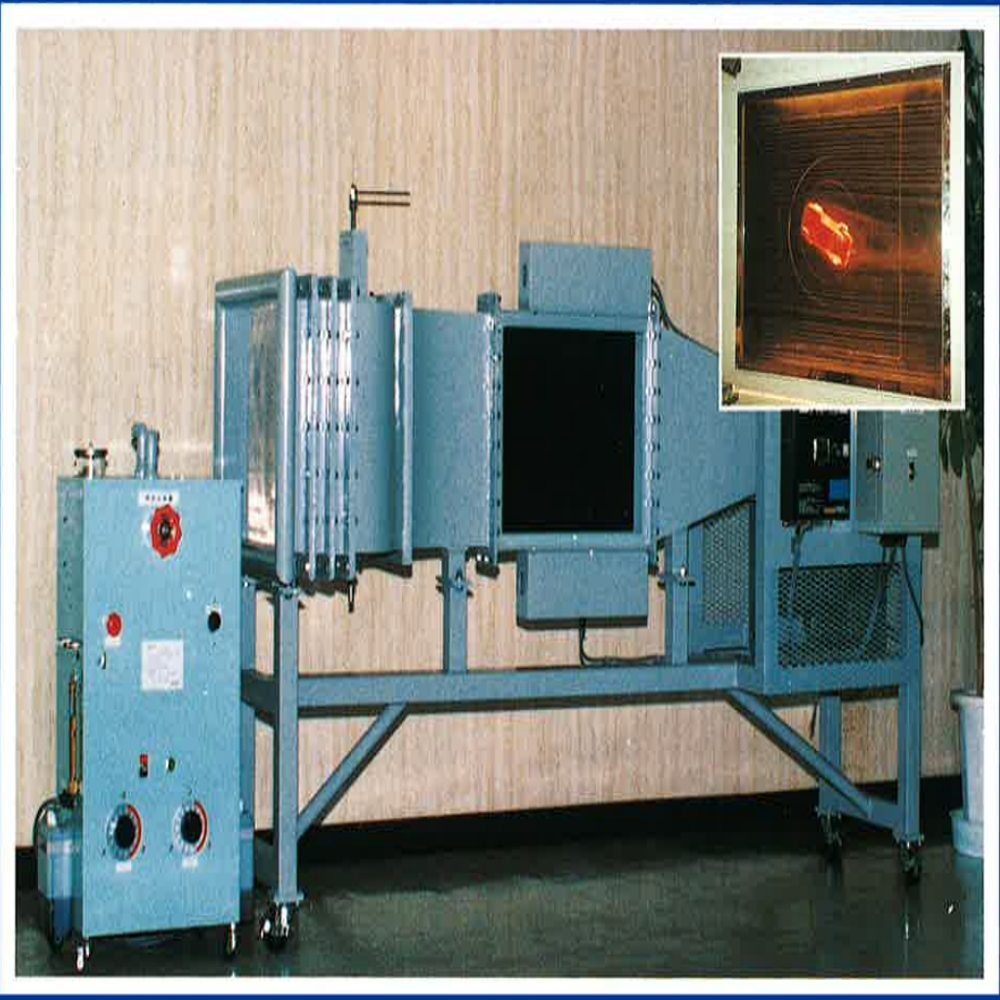
Tell us about your requirement

Price:
Quantity
Select Unit
- 50
- 100
- 200
- 250
- 500
- 1000+
Additional detail
Mobile number
Email

More Products in Water Tunnel Category
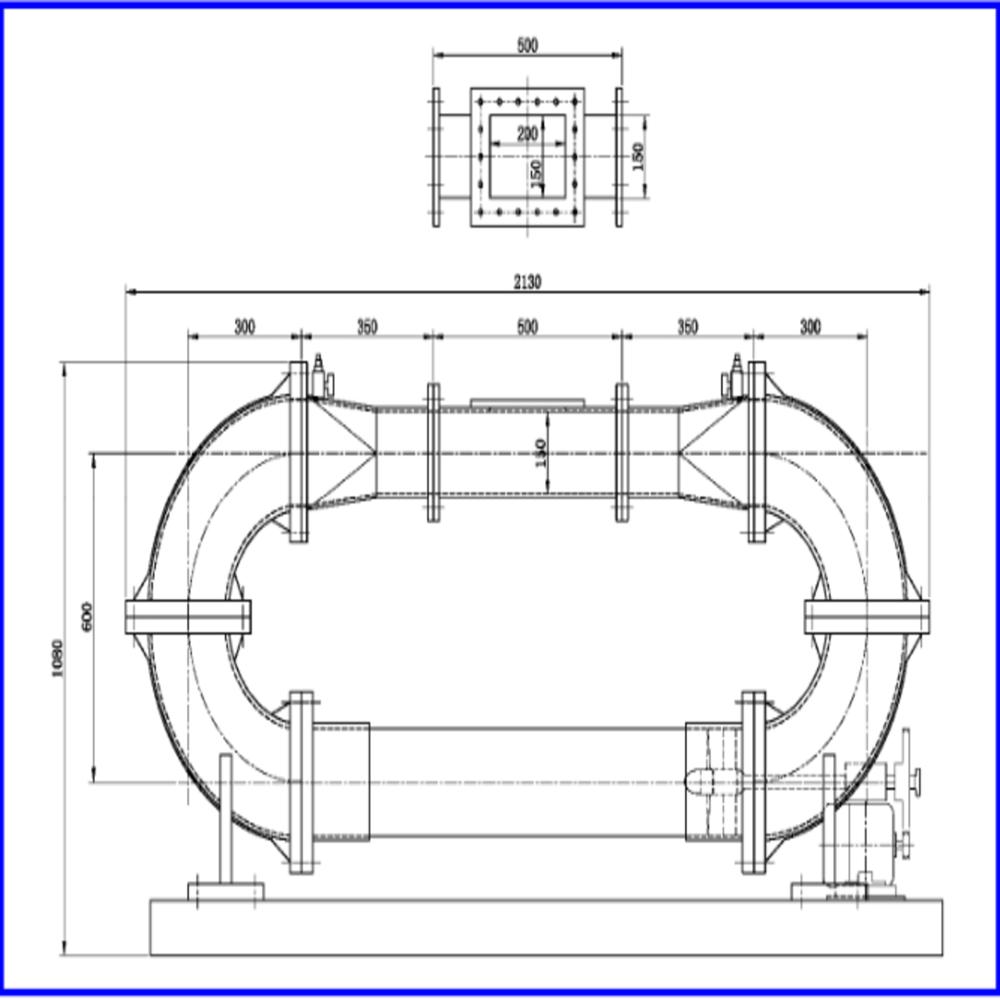
Oscillatory flow Circulating Water Channel
Price 500000.0 INR / Number
Minimum Order Quantity : 1 Number
Processing Type : Other, Hydrodynamic experimental setup
Application : Fluid mechanics research, hydrodynamics, sediment transport studies, environmental engineering laboratories
Technology : Other, Oscillatory circulating flume technology
Dimension (L*W*H) : 2130 mm x 500 mm x 1050 mm (as shown in diagram)
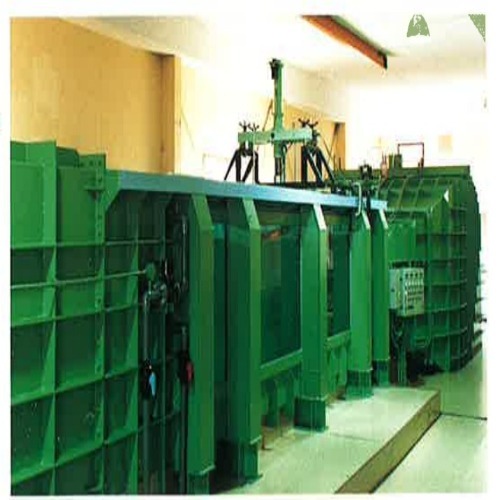
High Speed Circulating water Channel
Price 500000.0 INR / Number
Minimum Order Quantity : 1 Number
Processing Type : Other, Precision Engineering
Application : Hydrodynamics Research, Naval Architecture Studies, Fluid Mechanics Experiments
Technology : Other, Advanced Flow Simulation Technology
Dimension (L*W*H) : 10 m x 3 m x 2 m
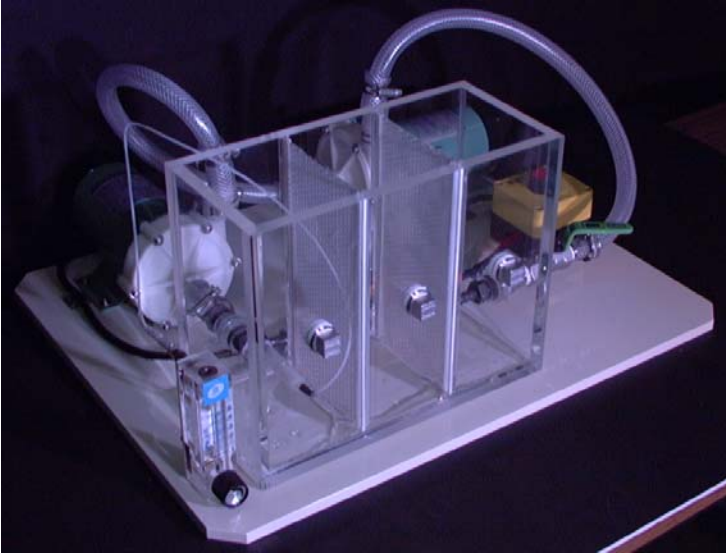
Micro Bubble Generator
Price 500000.0 INR / Number
Minimum Order Quantity : 1 Number
Processing Type : Standard
Application : Fine Bubble Aeration, Wastewater Treatment, Aquaculture, Cleaning
Technology : Other, Micro Bubble Generation Technology
Dimension (L*W*H) : 450 x 230 x 320 mm
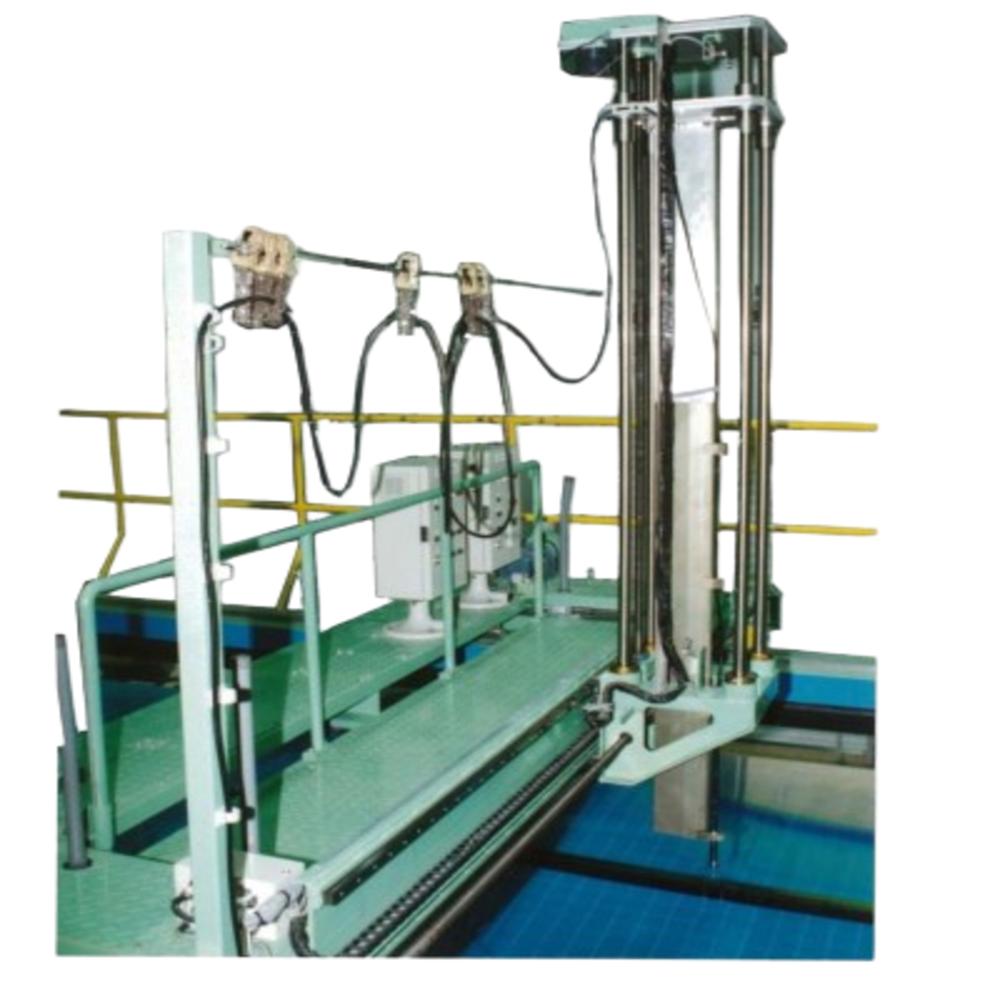
Three-Dimensional Traverse Device
Price 500000.0 INR / Piece
Minimum Order Quantity : 1 Piece
Processing Type : Other, Automatic Traversing
Application : Precision yarn winding, textile machinery, laboratory and R&D uses
Technology : Other, Servo motor driven, Microprocessor controlled
Dimension (L*W*H) : Approx. 350 mm x 120 mm x 180 mm

 Send Inquiry
Our Products


Plot No - 553, Phase 2 GIDC Vatva, Near Railway Station Vatva,Ahmedabad - 382445, Gujarat, India

Mr Devang Modi
(Director)
Mobile :08045801217
 Send Inquiry
 Send SMS
Developed and Managed by Infocom Network Private Limited.
