
Call us now :08045801217
 Send Inquiry
 Send Inquiry
Flow Viz Tunnel
MOQ : 1 Number
Flow Viz Tunnel Specification
- Material
- Acrylic and Mild Steel
- Processing Type
- Laboratory demonstration equipment
- Condition
- New
- Technology
- Smoke flow visualization
- Dimension (L*W*H)
- Approx. 1200 mm x 250 mm x 350 mm
- Power Mode
- Electric
- Voltage
- 220V AC
- Power Consumption
- Approx. 100-300 W
- Pressure Output
- Low pressure for educational wind tunnel
- Application
- Aerodynamic visualization, educational laboratories, demonstration of airflow patterns
- Coating Type
- Powder coated finish on metallic sections
- Accessories
- Smoke generator, power supply, model holders, user manual
- Equipment Type
- Flow Visualization Wind Tunnel
- Model Support
- Provision for various bluff and streamlined bodies
- Fan Type
- Centrifugal or axial, enclosed
- Flow Type
- Laminar & Visual flow patterns
- Viewing Panels
- Transparent acrylic for full visibility
- Portability
- Bench-top/Portable
- Noise Level
- Low, suitable for classroom demonstration
- Working Speed
- Variable (typically up to 3-5 m/s depending on model)
- Test Section Size
- Approx. 300 mm x 200 mm
- Control Panel
- Included with speed controller
- Frame Material
- Powder coated sheet metal
- Smoke Generation Method
- Heater filament with Glycol or Glycerin based smoke fluid
Flow Viz Tunnel About
Overview
An advanced flow visualization wind tunnel designed for hands-on aerodynamic learning and demonstration. Using laminar airflow and vapor-based streaklines, the system allows students to visually observe airflow behavior over airfoils, cylinders, and other models in real time.
Ideal for both group demonstrations and interactive experiments, the tunnel enables direct observation of flow patterns, separation, and aerodynamic effects.
Key Features
- Real-Time Flow Visualization: Vapor streaklines for clear airflow patterns
- Laminar Flow Design: High-quality, low-turbulence airflow
- Interactive Learning: Adjustable models and flow conditions
- Instant Operation: No warm-up required
- Integrated Lighting & Viewing System
Technical Datasheet (Typical)
Wind Tunnel Dimensions
- Length: 1.35 m (53 in)
- Height: 0.72 m (28.5 in)
- Width: 0.43 m (17 in)
Cabinet Dimensions
- Height: 0.94 m (37 in)
- Width: 1.16 m (45.5 in)
- Depth: 0.61 m (24 in)
Power Requirements
- Supply: 115 VAC, 60 Hz
- Current: 15 A (transformer required for international use)
Flow System
- Flow Type: Laminar (low turbulence)
- Blower: Downstream centrifugal blower
- Speed Control: Infinitely variable via control knob
Flow Conditioning
- Contraction Section: High area ratio for smooth acceleration
- Honeycomb Straightener:
- ~7700 hexagonal cells
- Cell size: ~3 mm (1/8 in)
- Length: ~178 mm (7 in)
- Aspect Ratio: ~56
Visualization System
- Medium: Ultrasonic water vapor (streaklines)
- Streakline Spacing: ~6.35 mm (0.25 in)
- Injection: Multi-point vapor rake
- Purge System: Removes condensation during extended use
Construction
- Frame: Anodized aluminium structure
- Panels: Clear and opaque acrylic
- Viewing Area: Transparent test section with black background
- Lighting: Integrated fluorescent illumination (top & bottom)
- Access: Hinged rear panel for model installation
Control & Operation
- Adjustable Parameters:
- Airspeed
- Model angle of attack
- Additional Controls:
- Vacuum/blowing via external pump
- Manual valve Regulation
Demonstration Models (Typical)
- Venturi Model: Flow acceleration in converging ducts
- Rotating Cylinder: Demonstrates Magnus effect
- Airfoils & Cylinders: Flow separation and lift visualization
Applications
- Aerodynamics education and lab demonstrations
- Flow visualization and qualitative analysis
- Boundary layer and separation studies
- Interactive student experimentation
Optional Features
- Additional models and accessories
- Compressor/vacuum integration
- Custom configurations
- Handcrafted custom models and probes
Customization
The system can be tailored for specific educational or laboratory requirements, including model sets, instrumentation, and layout.
Precise Flow Visualization for Education
Engineered for clarity, this wind tunnel facilitates direct observation of airflow patterns around various models. The smoke generator, along with adjustable speeds and acrylic viewing panels, provides students and educators with real-time insights into laminar flow and the behavior of different shapes in a controlled, safe environment.
Classroom-Friendly and Portable Design
Designed for educational convenience, the compact, bench-top wind tunnel features a sturdy powder-coated metal frame and operates at low noise levels. Its mobility and straightforward interface make it ideal for interactive demonstrations, allowing seamless integration into teaching laboratories and hands-on learning sessions.
FAQ's of Flow Viz Tunnel:
Q: How does the smoke generation process work in the Flow Viz Tunnel?
A: The Flow Viz Tunnel uses a heater filament to vaporize glycol or glycerin-based smoke fluid. This method produces visible streaklines in the airflow, helping to easily visualize laminar and transitional flow patterns during experiments.Q: What types of airflow can be demonstrated with this equipment?
A: This wind tunnel is designed for laminar flow visualization and can display clear flow patterns both around streamlined and bluff bodies. It is ideal for demonstrating airflow over basic and complex shapes in educational settings.Q: When is this wind tunnel most beneficial for educational purposes?
A: This device is most effective during classroom demonstrations, laboratory practical sessions, or any scenario where visualizing airflow and aerodynamic principles is essential for comprehension or research.Q: Where can the Flow Viz Tunnel be set up for use?
A: Thanks to its bench-top, portable design, the tunnel can be easily installed on laboratory benches, classroom tables, or demonstration counters. Its compact dimensions and low noise output allow it to fit into a variety of educational environments.Q: What accessories are included with the purchase of the Flow Viz Tunnel?
A: The standard package includes a smoke generator, power supply, model holders, a user manual, and a control panel for adjusting airflow speed, ensuring you have everything needed for immediate operation.Q: How does using transparent acrylic viewing panels enhance the learning process?
A: Transparent acrylic panels allow students and instructors to observe flow patterns from all angles, boosting engagement and understanding of fundamental aerodynamic concepts through direct visualization.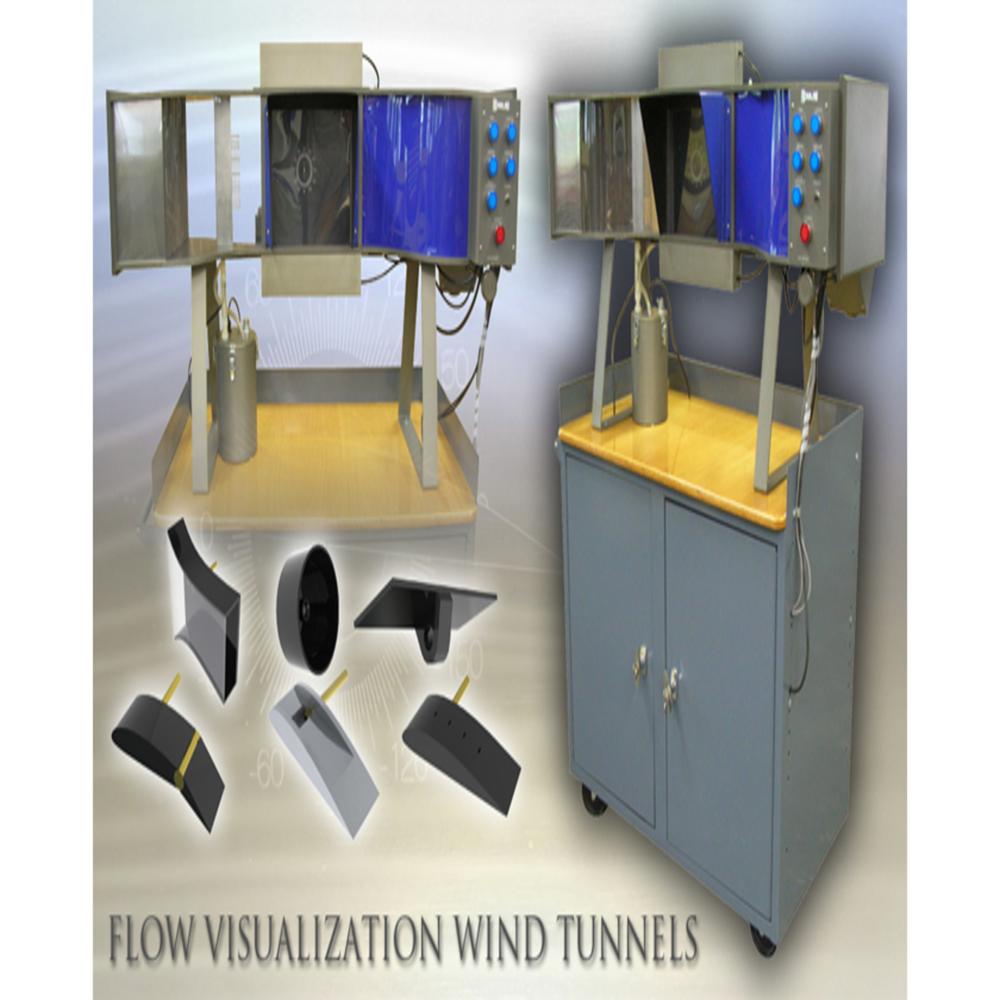
Tell us about your requirement

Price:
Quantity
Select Unit
- 50
- 100
- 200
- 250
- 500
- 1000+
Additional detail
Mobile number
Email

More Products in Wind Tunnel Instrumentation Category
Schlieren System
Price 500000.0 INR / Number
Minimum Order Quantity : 1 Number
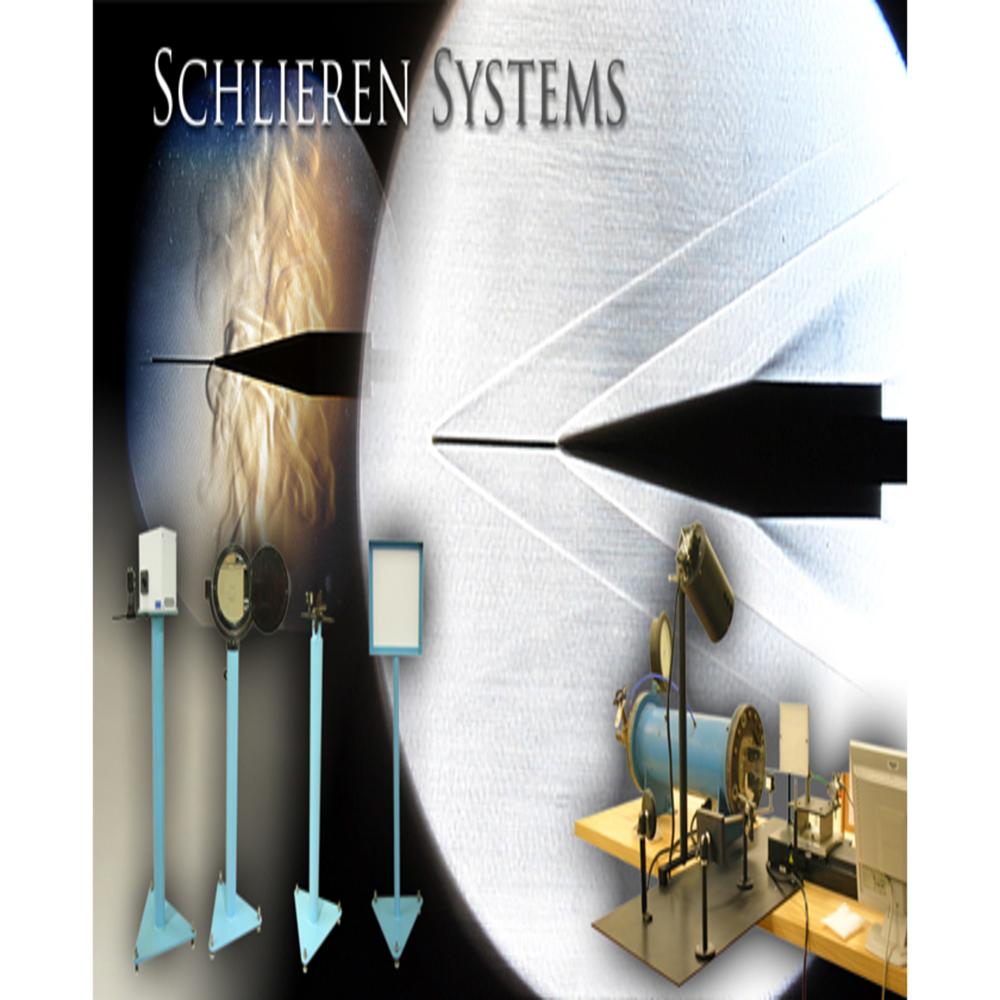
Accessories : Light source, knife edge/slit, concave mirrors/lenses, camera mount, optical bench, alignment aids
Equipment Type : Schlieren Optical System
Application : Visualization of transparent flow fields, gas dynamics, heat transfer studies, laboratory research, educational demonstrations
Material : Other, Stainless Steel and Optical Glass components
Traverse System
Minimum Order Quantity : 1 Number
Accessories : Traverse Unit, Control Panel
Equipment Type : Traverse Winder
Application : Industrial Winding and Unwinding Processes
Material : Other, Mild Steel
Pressure Wing
Minimum Order Quantity : 1 Number
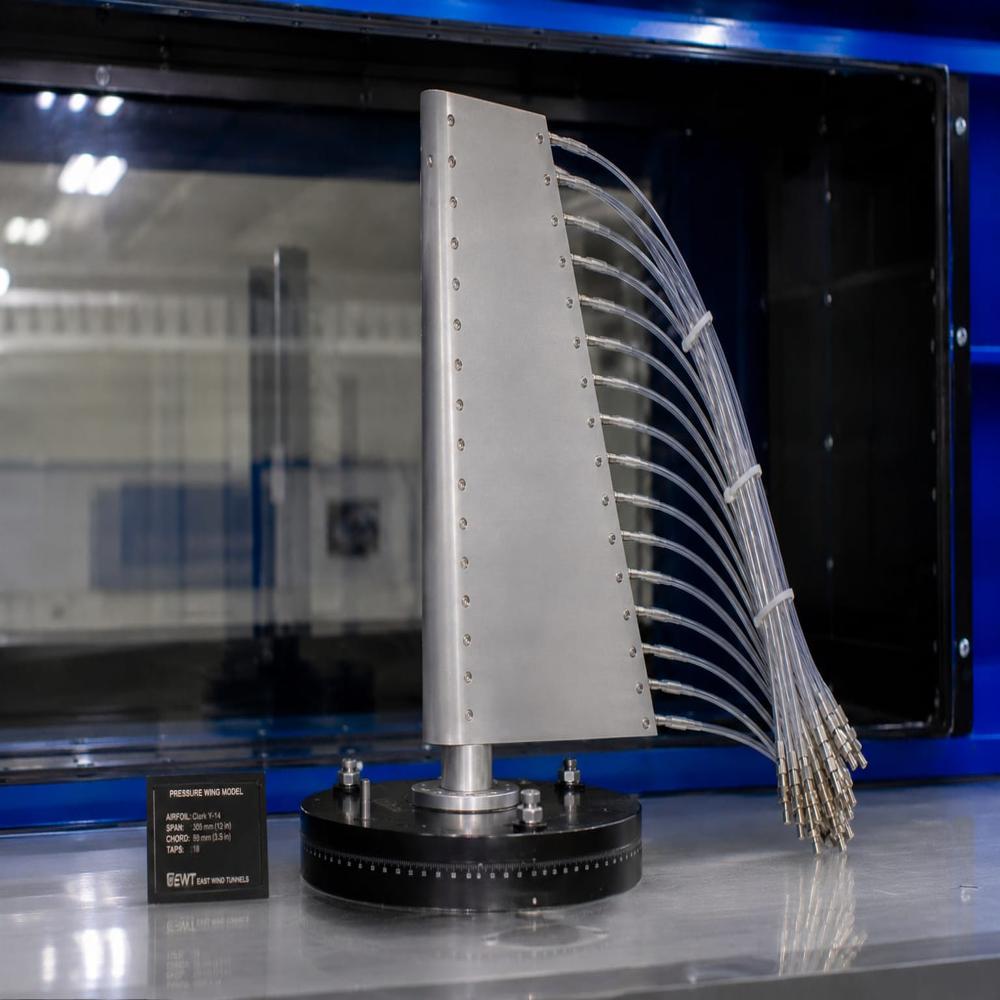
Accessories : Mounting Clamp, Locking Pin
Equipment Type : Pressure Wing
Application : Industrial Pressure Systems, Metal Processing
Material : Other, High grade Stainless Steel
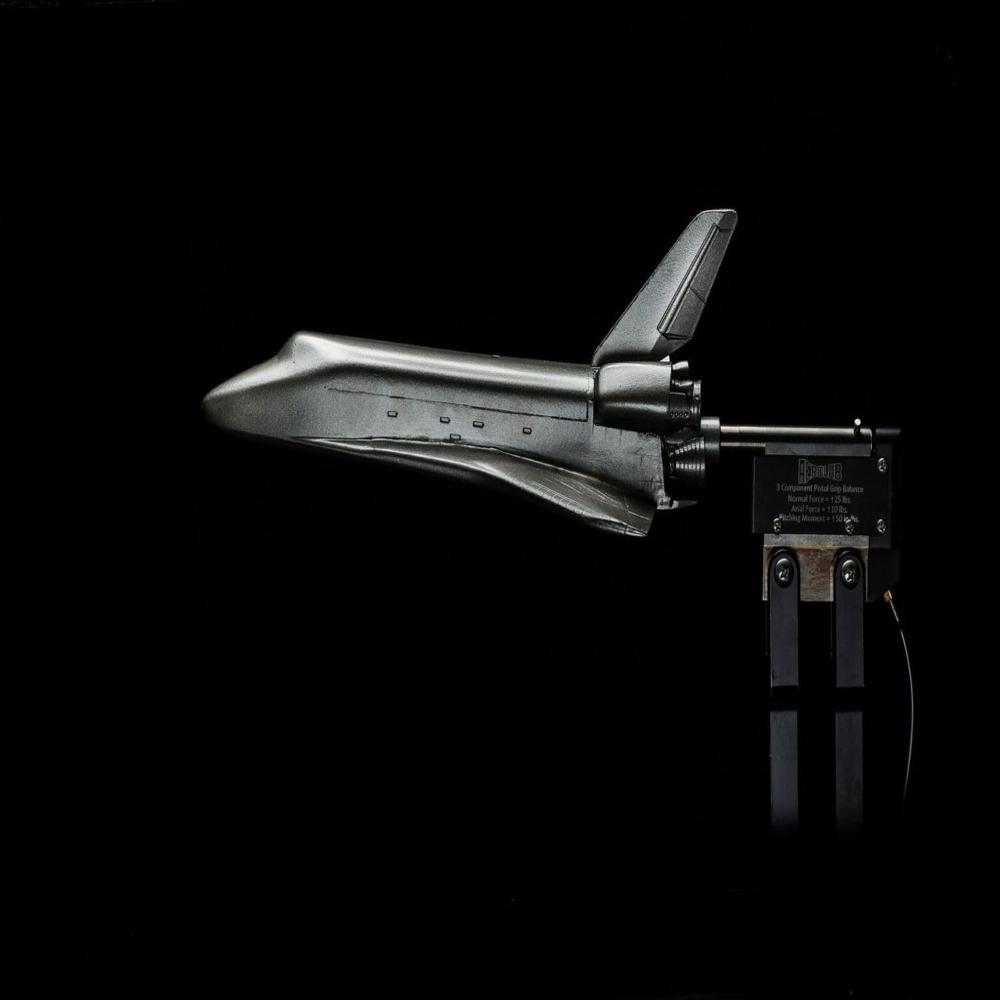
Scaled F-16/Custom Aircraft Models
Minimum Order Quantity : 1 Set
Accessories : Display stand included
Equipment Type : Scaled Aircraft Model
Application : Display, souvenir, training, corporate gifting
Material : Other, Highquality resin and composite material

 Send Inquiry
Our Products


Plot No - 553, Phase 2 GIDC Vatva, Near Railway Station Vatva,Ahmedabad - 382445, Gujarat, India

Mr Devang Modi
(Director)
Mobile :08045801217
 Send Inquiry
 Send SMS
Developed and Managed by Infocom Network Private Limited.
