
Call us now :08045801217
 Send Inquiry
 Send Inquiry
Schlieren System
Price 500000.0 INR/ Number
MOQ : 1 Number
Schlieren System Specification
- Equipment Type
- Schlieren Optical System
- Material
- Stainless Steel and Optical Glass components
- Processing Type
- Optical Analysis
- Condition
- New
- Technology
- Optical Schlieren Imaging
- Dimension (L*W*H)
- Approx. 1200 mm x 400 mm x 400 mm (setup dependent)
- Power Mode
- Electric
- Voltage
- 110V/220V AC
- Power Consumption
- Typically < 100 W (for light source)
- Pressure Output
- Not applicable (Optical system does not generate pressure)
- Application
- Visualization of transparent flow fields, gas dynamics, heat transfer studies, laboratory research, educational demonstrations
- Coating Type
- Anti-reflective coated optical elements
- Accessories
- Light source, knife edge/slit, concave mirrors/lenses, camera mount, optical bench, alignment aids
- Field of View
- 80-200 mm (depending on configuration)
- Weight
- Approx. 45-70 kg, depending on system specification
- Mirror Diameter
- 100-200 mm (varies by model)
- Focal Length (Mirrors/Lenses)
- 500-1200 mm
- Imaging System
- Compatible with high-speed and CMOS cameras
- Calibration Accessories
- Included for system setup and alignment
- Resolution
- High spatial resolution, dependent on camera used
- Frame Rate
- Up to 1000 fps with suitable camera
- Adjustment Mechanism
- Micro-adjustable mounts for optical alignment
- Operating Environment
- Standard laboratory conditions, 10-40C
- Light Source Type
- LED or Halogen, adjustable intensity
- Optical Bench Length
- Up to 1.2 m
- Colour Options
- Black anodized frame with polished components
Schlieren System About
Overview
A high-precision optical flow visualization system designed to make shock waves, expansion waves, and density gradients visible in compressible flow studies. Based on the classic Toepler Schlieren method, the system enables accurate qualitative and quantitative analysis of supersonic and transonic flow phenomena that are otherwise invisible to the naked eye.
Key Features
- High-Sensitivity Visualization: Reveals shock waves and flow gradients clearly
- Non-Intrusive Measurement: Optical method with zero flow disturbance
- Precision Alignment System: Fine adjustments for accurate optical setup
- Modular Design: Suitable for wind tunnels, nozzles, and lab setups
- Custom-Built Configurations Available
Technical Datasheet (Typical)
Optical Performance
- Sensitivity: Detects minute density gradients in compressible flow
- Applications Range: Subsonic to supersonic regimes (Mach 0.3 to >3.0)
- Visualization Output: High-contrast light/dark schlieren patterns
Core Components
- Light Source:
- Short-arc xenon lamp with integrated solid-state power supply
- Supply: 100250 VAC, 50/60 Hz
- Adjustable aperture with precision track mounting
- Parabolic Mirrors (Pair):
- Telescope-grade quality
- Frame-mounted with fine alignment controls
- Knife Edge Assembly:
- Adjustable in X, Y, Z axes
- Variable angle of inclination for sensitivity tuning
- Plain Mirror:
- First-surface mirror for image redirection
- Viewing System:
- Projection screen or camera integration compatible
Standard Mirror Configurations
- 150 mm (6 in) diameter 1200 mm focal length
- 200 mm (8 in) diameter 1600 mm focal length
- 250 mm (10 in) diameter 2000 mm focal length
- 315 mm (12.5 in) diameter 2500 mm focal length
Optional Features
- Custom mirror sizes and focal lengths
- High-speed camera integration
- Digital image acquisition and analysis systems
- Laser-based or LED light source alternatives
- Automated alignment and positioning systems
Applications
- Supersonic and transonic wind tunnel testing
- Shock wave and expansion fan visualization
- Nozzle flow studies
- Combustion and thermal plume analysis
- Academic and advanced fluid dynamics research
Customization
Each system is individually engineered to match your application, including wind tunnel integration, lab space constraints, and optical requirements.
High-Resolution Flow Visualization
This Schlieren System brings advanced optical analysis into your laboratory, supporting the visualization of subtle changes in transparent flow fields. With high spatial resolution determined by your camera, and a customizable field of view up to 200 mm, even delicate phenomena can be documented. Included calibration accessories and optical alignment aids help you achieve accurate, repeatable results.
Flexible and User-Centric Design
Engineered for compatibility with both high-speed and CMOS cameras, as well as a selection of LED or halogen light sources, this system adapts to your experimental needs. Micro-adjustable mounts and a sturdy optical bench up to 1.2 meters long provide stability and ease of use during setup and operation. The system is delivered ready to work, with all necessary optical and mechanical components.
FAQ's of Schlieren System:
Q: How do I set up the Schlieren System for my laboratory experiments?
A: The system comes with detailed calibration accessories and alignment aids. Simply assemble the optical bench, position the anti-reflective coated mirrors or lenses per your desired focal length and field of view, and use the micro-adjustable mounts for precise optical alignment. Mount your chosen high-speed or CMOS camera, install the light source, and follow the included setup guide for calibration.Q: What camera types are supported with this Schlieren System?
A: This system is compatible with any high-speed or CMOS camera. This provides flexibility for users to pair the imaging system with cameras they already own or select a model that best matches their resolution and frame rate requirements, up to 1000 fps depending on the camera.Q: When should I use LED versus halogen for the light source?
A: LED sources provide long life, consistent intensity, and low heat, making them suitable for standard uses and long-duration experiments. Halogen sources may be preferred if your experiment requires a continuous spectrum and higher-intensity illumination. Both options feature adjustable intensity to suit your lighting needs.Q: Where can this Schlieren System be installed?
A: The system is designed for stable operation in standard laboratory environments with temperatures from 10C to 40C. Its moderate size (1200 x 400 x 400 mm setup) and electric power mode (110V/220V AC) allow flexible installation on most laboratory benches.Q: What is the process for calibrating and aligning the optical components?
A: Setup is streamlined by the included calibration accessories, which assist in precisely adjusting the optical path. Micro-adjustable mounts let you fine-tune the position of mirrors and lenses, while the guide describes alignment procedures to ensure high-resolution, artifact-free visualization.Q: How is this system beneficial for gas dynamics and heat transfer research?
A: The Schlieren System enables non-intrusive visualization of flow fields, temperature gradients, and gas dynamics by detecting changes in refractive index. This allows for accurate qualitative and quantitative studies, making it invaluable for both advanced research and educational demonstrations.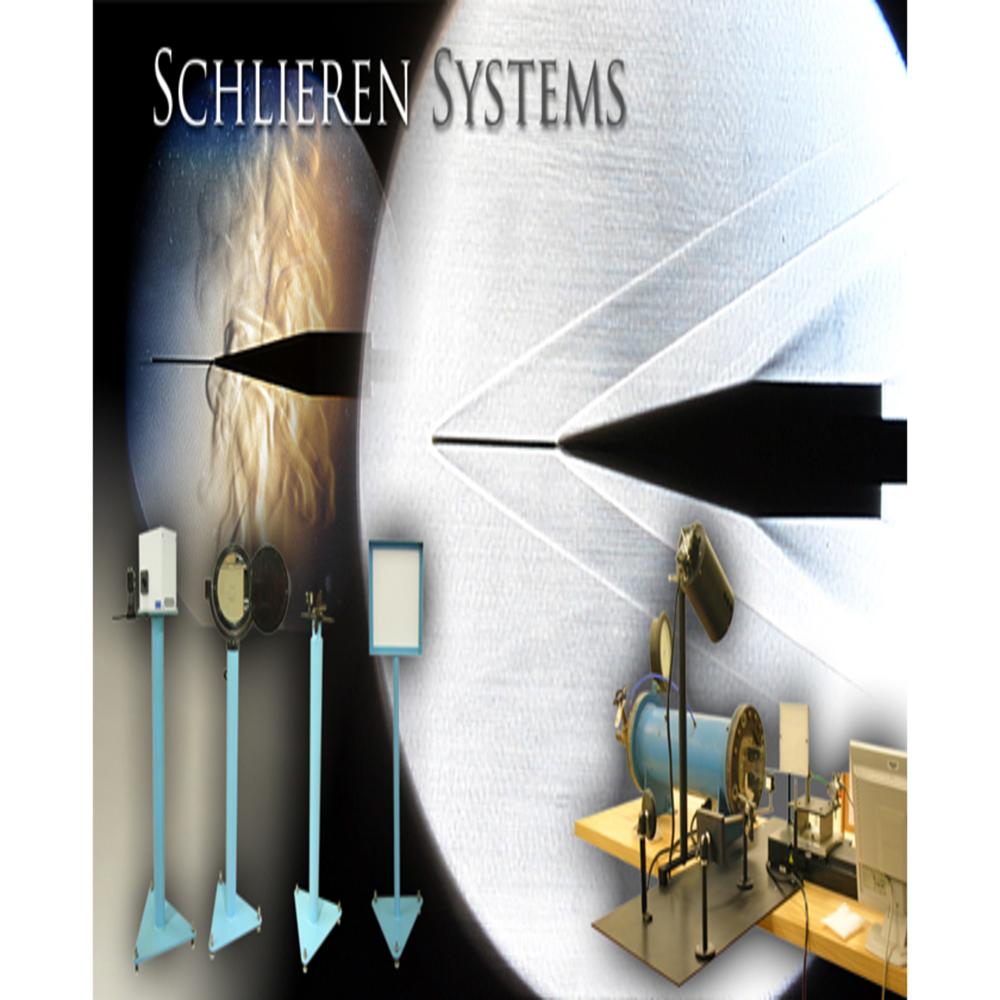
Tell us about your requirement

Price:
Quantity
Select Unit
- 50
- 100
- 200
- 250
- 500
- 1000+
Additional detail
Mobile number
Email

More Products in Wind Tunnel Instrumentation Category
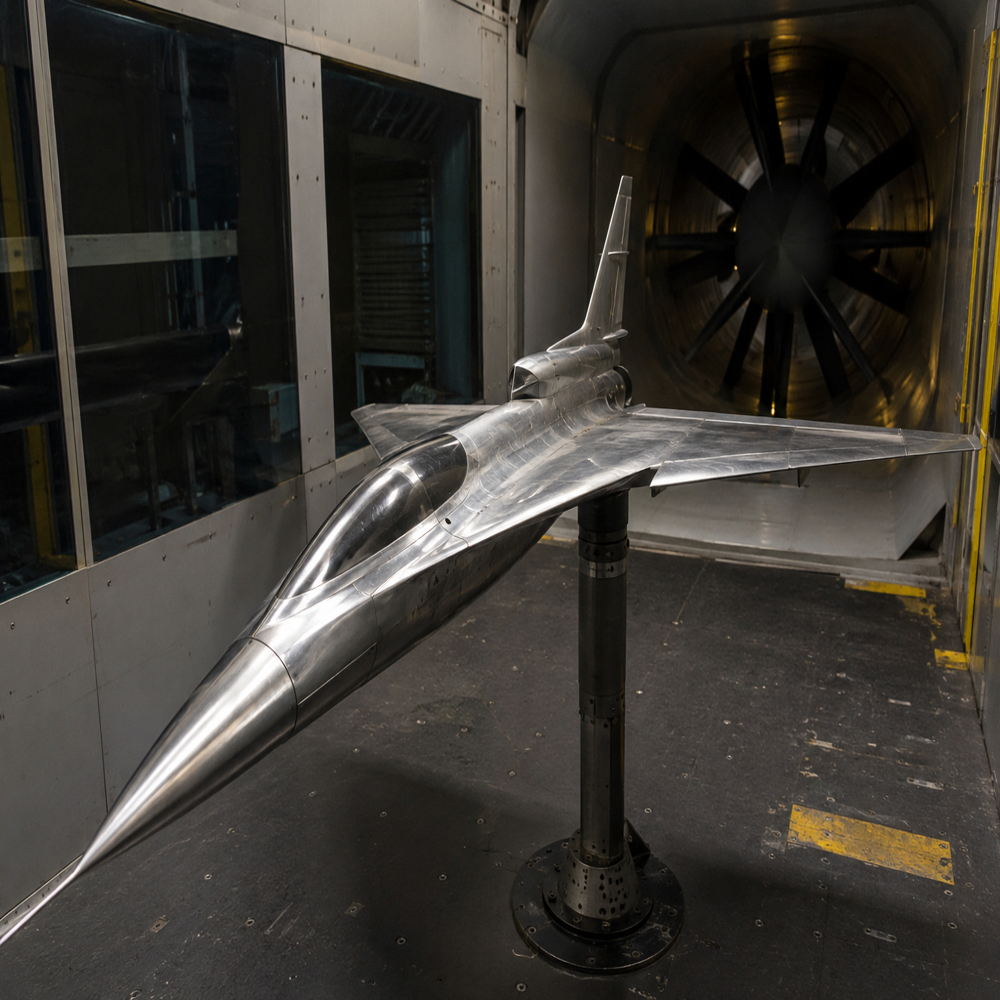
Wind Tunnels Test Models
Minimum Order Quantity : 1 Unit
Pressure Output : Up to 8 Bar (For Instrumented Models)
Coating Type : Anodized or Powder Coated
Dimension (L*W*H) : Customized as per Requirement
Material : Other, Aluminum or Steel Alloy
Condition : New
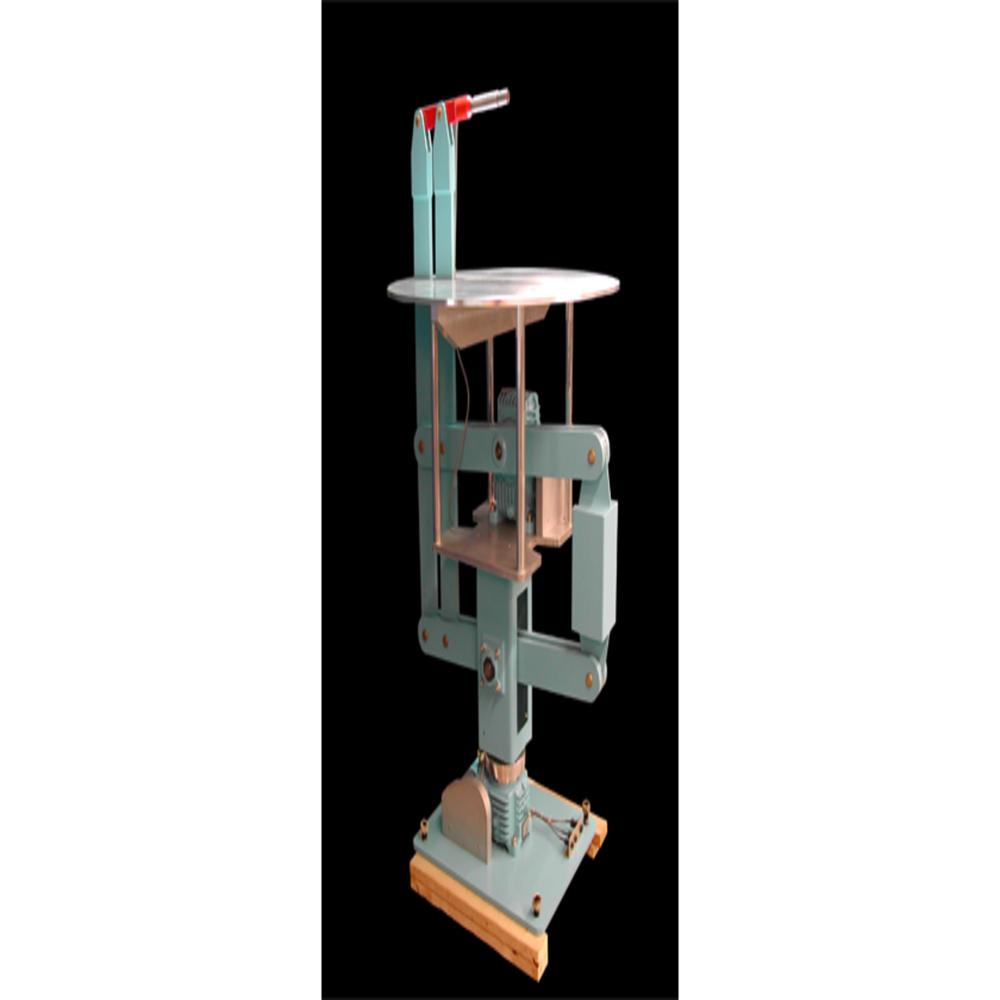
Sting Balance
Minimum Order Quantity : 1 Number
Pressure Output : High
Coating Type : Powder Coated
Dimension (L*W*H) : As per requirement
Material : Other, Mild Steel
Condition : New
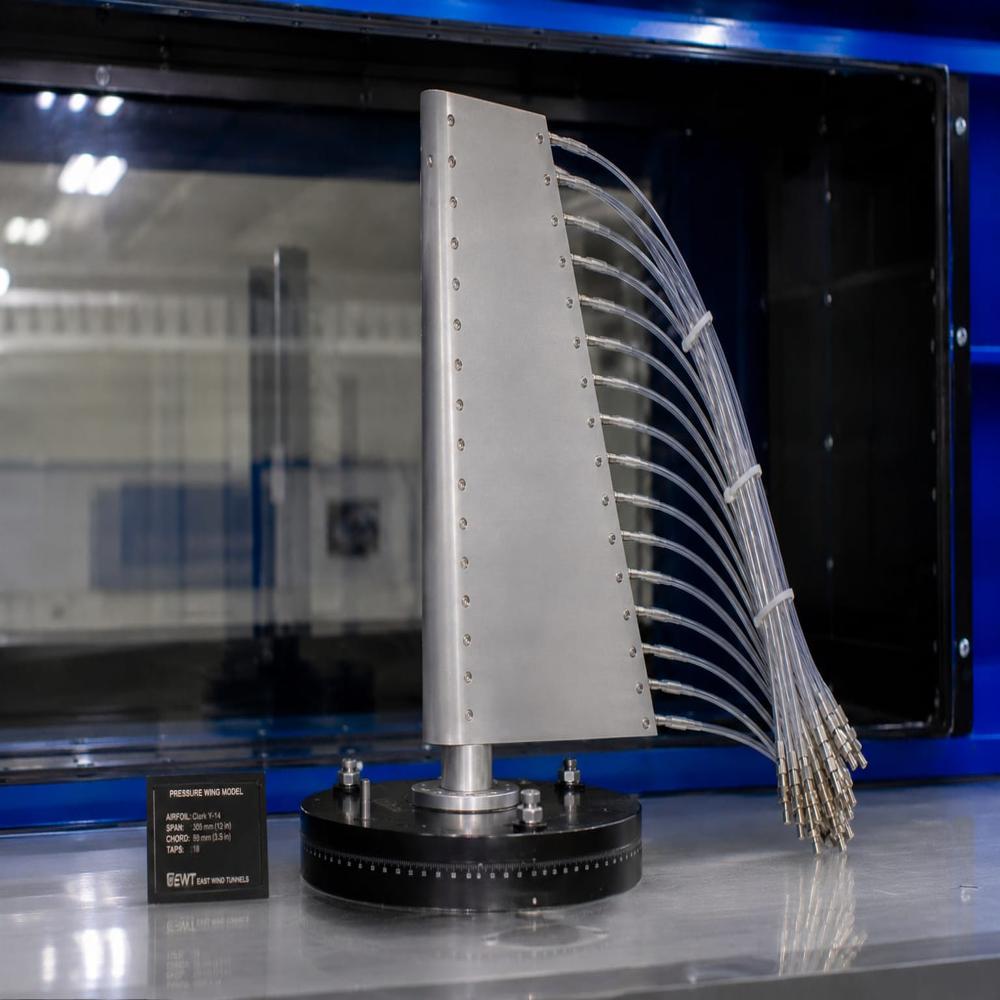
Pressure Wing
Minimum Order Quantity : 1 Number
Pressure Output : 832 bar (max)
Coating Type : Anticorrosive Coating
Dimension (L*W*H) : 340 x 170 x 60 mm
Material : Other, High grade Stainless Steel
Condition : New
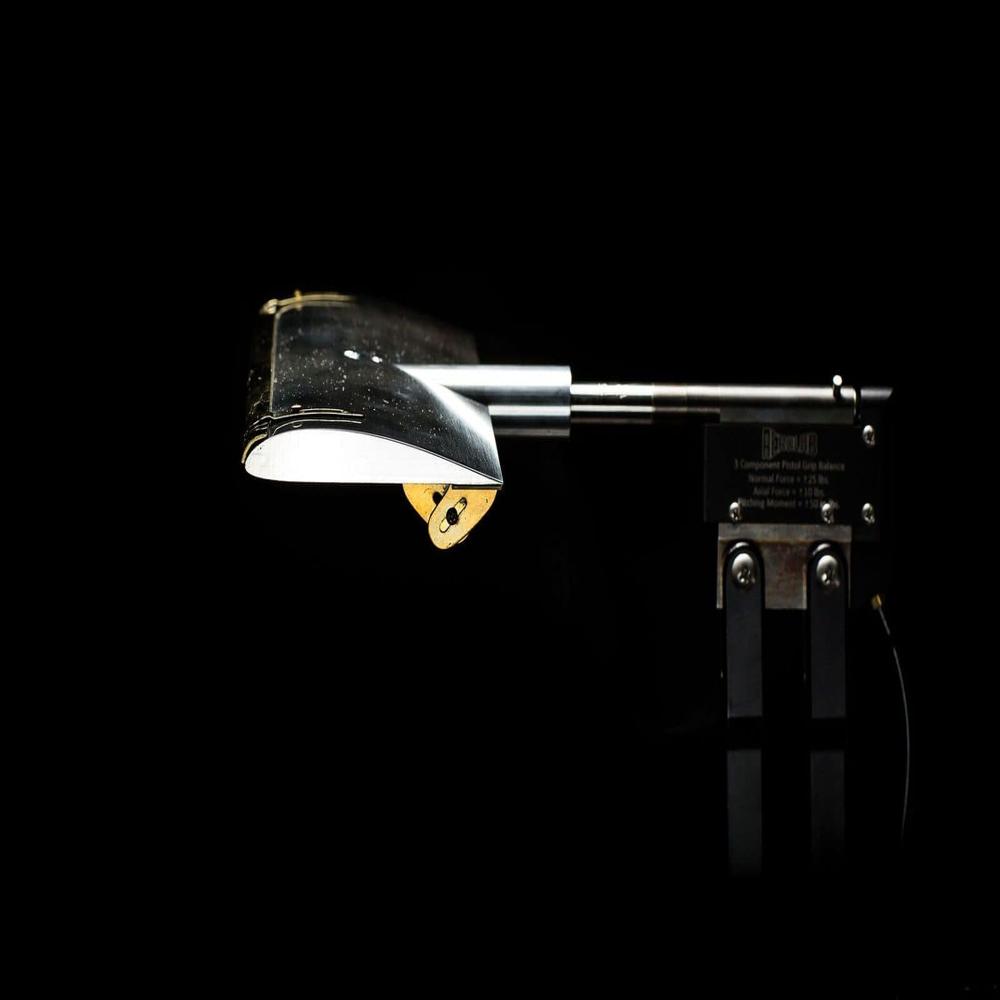
Clark Y-14 Slat/Flap Wing
Minimum Order Quantity : 1 Number
Pressure Output : Up to 2 kPa Differential (wing surface) (application dependent)
Coating Type : Corrosion Resistant Anodized & Composite Surface
Dimension (L*W*H) : Span: 610 mm, Chord: 120 mm, Slat Chord: 25 mm, Flap Chord: 30 mm
Material : Other, Aerospacegrade Aluminum Alloy & Composite
Condition : New

 Send Inquiry
Our Products


Plot No - 553, Phase 2 GIDC Vatva, Near Railway Station Vatva,Ahmedabad - 382445, Gujarat, India

Mr Devang Modi
(Director)
Mobile :08045801217
 Send Inquiry
 Send SMS
Developed and Managed by Infocom Network Private Limited.
