
Call us now :08045801217
 Send Inquiry
 Send Inquiry
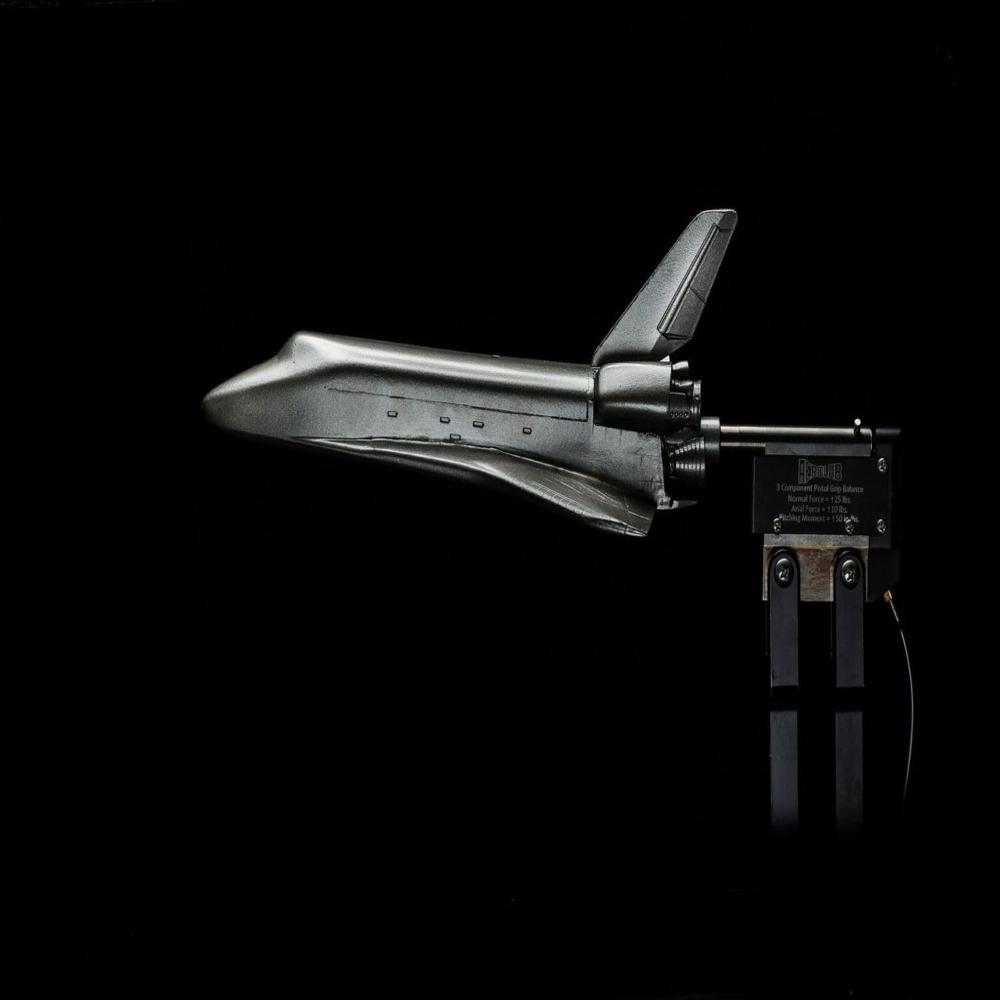
Wind Tunnels Test Models
Price 500000.0 INR/ Unit
MOQ : 1 Unit
Wind Tunnels Test Models Specification
- Equipment Type
- Wind Tunnel Model
- Material
- Aluminum or Steel Alloy
- Processing Type
- Precision Fabrication
- Condition
- New
- Technology
- CNC Machined / 3D Printed
- Dimension (L*W*H)
- Customized as per Requirement
- Power Mode
- Electric
- Voltage
- 220-240 V
- Power Consumption
- 3-5 KW (for Instrumented Models)
- Pressure Output
- Up to 8 Bar (For Instrumented Models)
- Application
- Aerodynamic and Fluid Mechanics Research
- Coating Type
- Anodized or Powder Coated
- Accessories
- Balance Mounts, Pressure Taps, Connectors
- Temperature Resistance
- Up to 100C
- Weight Tolerance
- 0.5% of Design Weight
- Instrument Integration
- Pressure Transducers, Strain Gauges (Optional)
- Data Acquisition
- Integrated Sensor Ports for Pressure/Force Measurement
- Model Mounting
- Compatible with Standard Wind Tunnel Stings
- Surface Finish
- Smooth, Polished (Ra 0.8 m)
- Design File Format
- STEP, IGES, STL supported
- Model Type
- Aircraft, Automobile, or Custom Shape
Wind Tunnels Test Models About
Overview (Marketing Description)
Wind tunnel test models are precision-engineered scale models used for aerodynamic, structural, and flow analysis in wind tunnel experiments. Designed for high accuracy and repeatability, these models simulate real-world performance of aircraft, automobiles, buildings, bridges, UAVs, turbines, and other engineering structures under controlled airflow conditions.
Manufactured using advanced machining and rapid prototyping technologies, the models support detailed aerodynamic investigations, including lift, drag, pressure distribution, flow separation, and stability analysis.
Key Features
- High dimensional accuracy and surface finish
- Scaled or full-custom aerodynamic geometries
- Compatible with subsonic, supersonic, and hypersonic wind tunnels
- Modular design for rapid configuration changes
- Integrated pressure taps and sensor mounting options
- Lightweight and structurally rigid construction
Technical Specifications (Typical Ranges)
Model Parameters
-
- Scale Ratio: 1:5 to 1:200 (application dependent)
- Model Size: 100 mm to 5,000 mm
- Surface Finish Accuracy: Ra < 1.6 m (typical)
- Dimensional Accuracy: 0.05 mm to 0.5 mm
Materials
- Aluminum alloys
- Stainless steel
- Acrylic / polycarbonate
- Composite materials (carbon fiber, fiberglass)
- High-temperature alloys (hypersonic applications)
Test Compatibility
- Flow Regimes:
- Subsonic
- Transonic
- Supersonic
- Hypersonic
Instrumentation Options
- Pressure taps and tubing
- Internal force balances
- Strain gauges
- Temperature sensors
- Flow visualization markers / tufts
Mounting Configurations
- Sting mount
- Sidewall mount
- Floor mount
- Suspension systems
Applications
- Aerospace: Aircraft wings, fuselage, missiles, UAVs
- Automotive: Vehicle drag and cooling analysis
- Civil Engineering: Buildings, bridges, towers
- Wind Energy: Turbine blade optimization
- Marine: Ship hull and hydrodynamic studies
- Academic Research: Fluid mechanics and aerodynamic studies
Manufacturing Capabilities
- CNC machining
- 3D printing / rapid prototyping
- Composite fabrication
- Precision assembly and finishing
- Custom aerodynamic profiling
Optional Features
- Modular interchangeable components
- Transparent sections for flow visualization
- Embedded sensor integration
- High-temperature coatings
- Custom paint and surface treatments
Testing Capabilities
- Lift and drag measurement
- Pressure distribution analysis
- Stability and control studies
- Flow separation and vortex visualization
- Aeroacoustic and thermal studies
Precision Engineering for Aerodynamic Analysis
Our wind tunnel models are manufactured using advanced CNC machining or 3D printing, ensuring precise geometry and accuracy for rigorous aerodynamic assessments. Every model meets strict weight tolerance requirements and includes integrated sensor ports, which facilitate precise data acquisition for pressure and force measurements during wind tunnel testing.
Flexible Application and Customization
Whether you need models for aircraft, automotive, or unique custom shapes, we tailor dimensions and designs to fit your specific research needs. Choose from anodized or powder-coated finishes for enhanced durability, with optional integration of advanced instrumentation such as strain gauges and pressure transducers for sophisticated experimental setups.
FAQ's of Wind Tunnels Test Models:
Q: How are the wind tunnel test models mounted for testing?
A: Our models are designed to be compatible with standard wind tunnel stings, allowing secure and straightforward mounting. This ensures stability during testing and facilitates easy integration into existing wind tunnel setups.Q: What types of sensor integration are available for data acquisition?
A: The models feature integrated sensor ports for pressure and force measurement. Optional instrumentation includes pressure transducers and strain gauges for comprehensive data collection during aerodynamic and fluid mechanics experiments.Q: When should I choose aluminum versus steel alloy for my model material?
A: Aluminum is recommended for lighter models with moderate strength requirements, while steel alloys are better suited for applications demanding higher strength and durability. The choice depends on your specific research objectives and operational constraints.Q: Where can the wind tunnel test models be used?
A: These models are ideal for use in academic, industrial, and research wind tunnel facilities focusing on aerodynamic and fluid mechanics studies. Their standardized compatibility makes them suitable for a wide range of test environments.Q: What is the process for ordering a custom-shaped model?
A: To order a custom shape, provide your design files in STEP, IGES, or STL formats along with specific dimensions and instrumentation requirements. Our engineering team will review and manufacture the model to your exact specifications.Q: How does integrated instrumentation benefit test outcomes?
A: Integrated pressure and force measurement ports, along with optional pressure transducers and strain gauges, offer accurate, real-time data collection. This enables precise analysis of aerodynamic forces and flow behavior, resulting in improved research outcomes.Q: What are the usage benefits of the polished surface finish?
A: A polished or smooth surface finish (Ra 0.8 m) minimizes surface irregularities, reducing airflow disturbances and enhancing the accuracy of aerodynamic measurements in wind tunnel tests.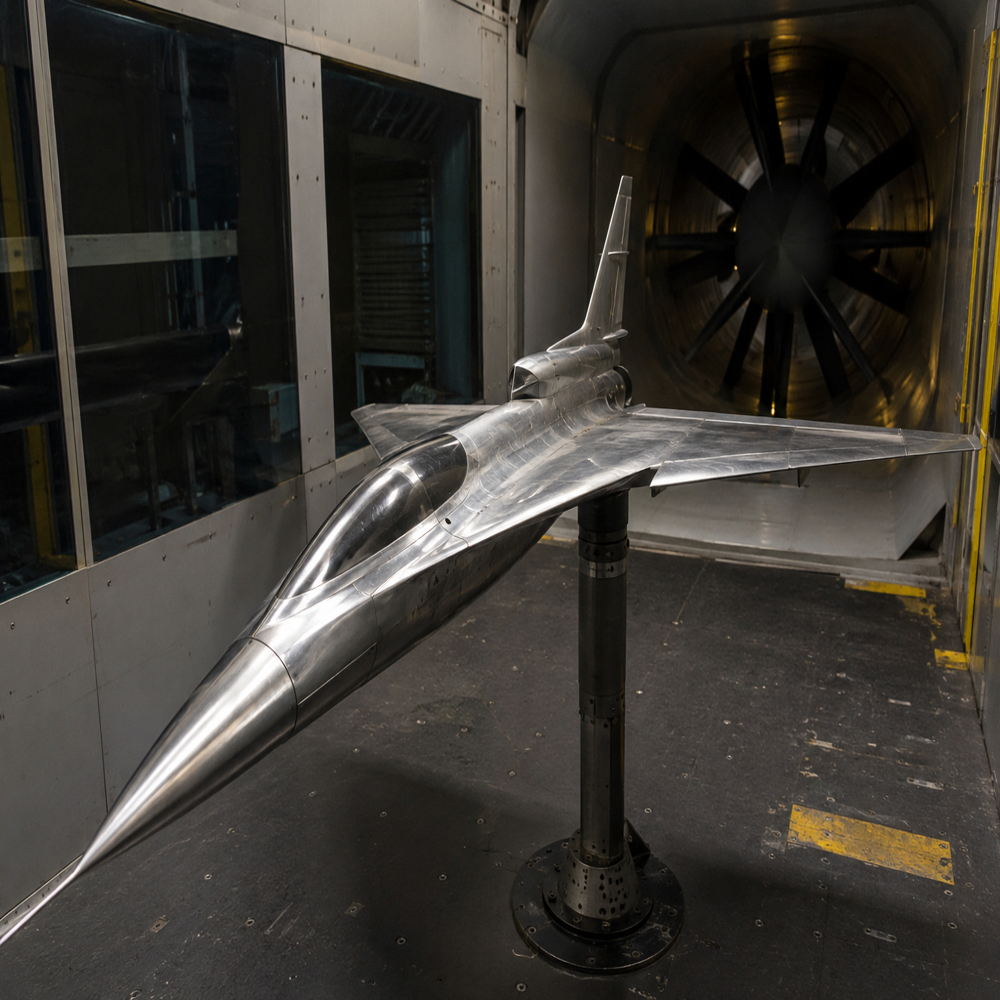
Tell us about your requirement

Price:
Quantity
Select Unit
- 50
- 100
- 200
- 250
- 500
- 1000+
Additional detail
Mobile number
Email

More Products in Wind Tunnel Instrumentation Category
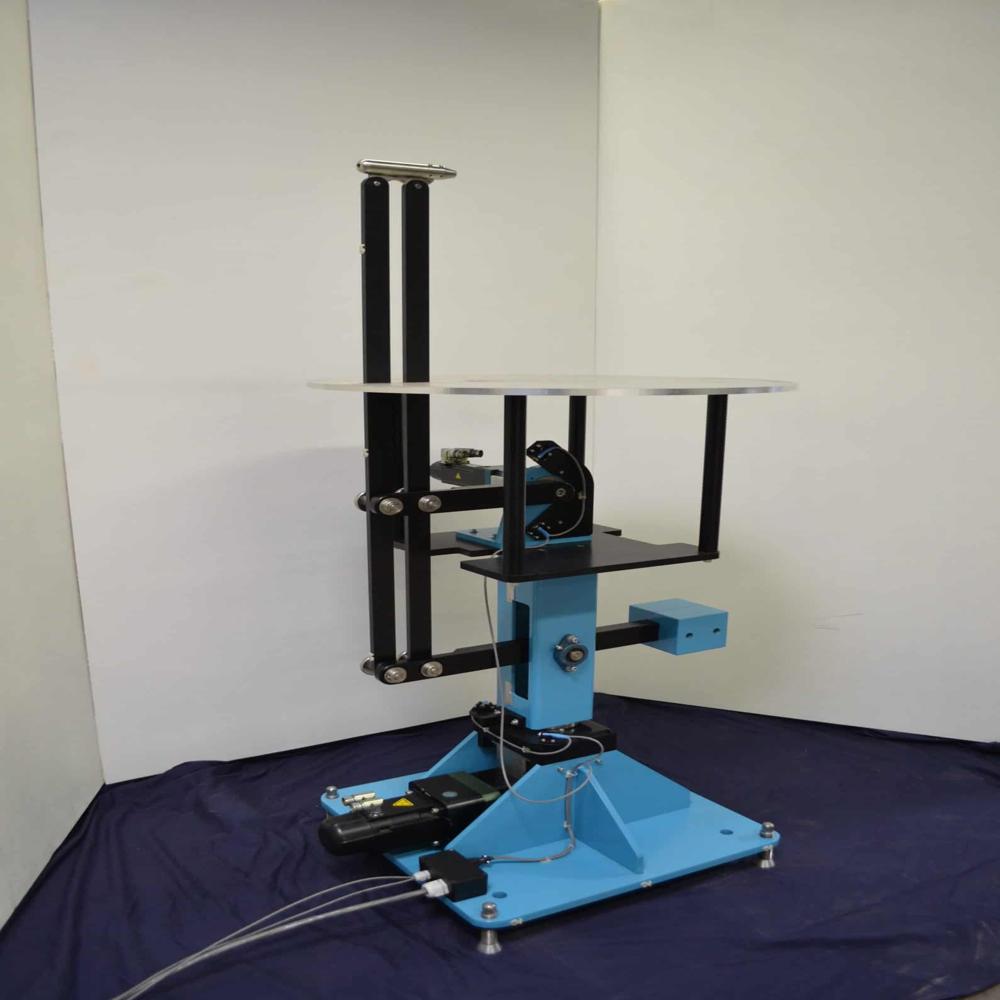
Model Positining System
Minimum Order Quantity : 1 Number
Coating Type : AntiCorrosion Coating
Processing Type : Other, Automatic
Material : Other, Stainless Steel
Accessories : Remote Control Unit, User Manual
Technology : Other, CNC and Servo Control
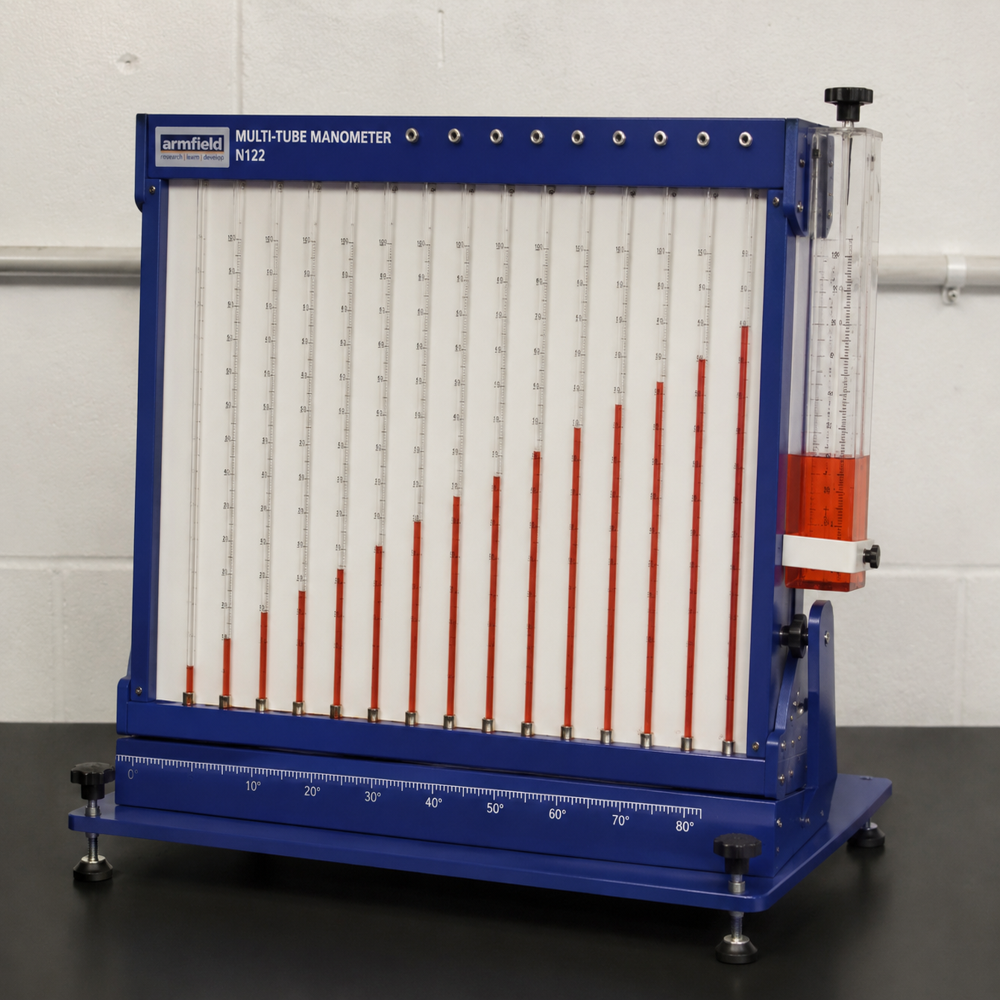
Multi Tube Manometer
Minimum Order Quantity : 1 Number
Coating Type : NonCoated, Polished Surface
Processing Type : Other, Precision Machined
Material : Other, Acrylic, Transparent Plastic Body
Accessories : Wall Mounting Brackets, Connecting Tubes, Calibration Scale
Technology : Other, Inclined & Vertical Tube Liquid Column
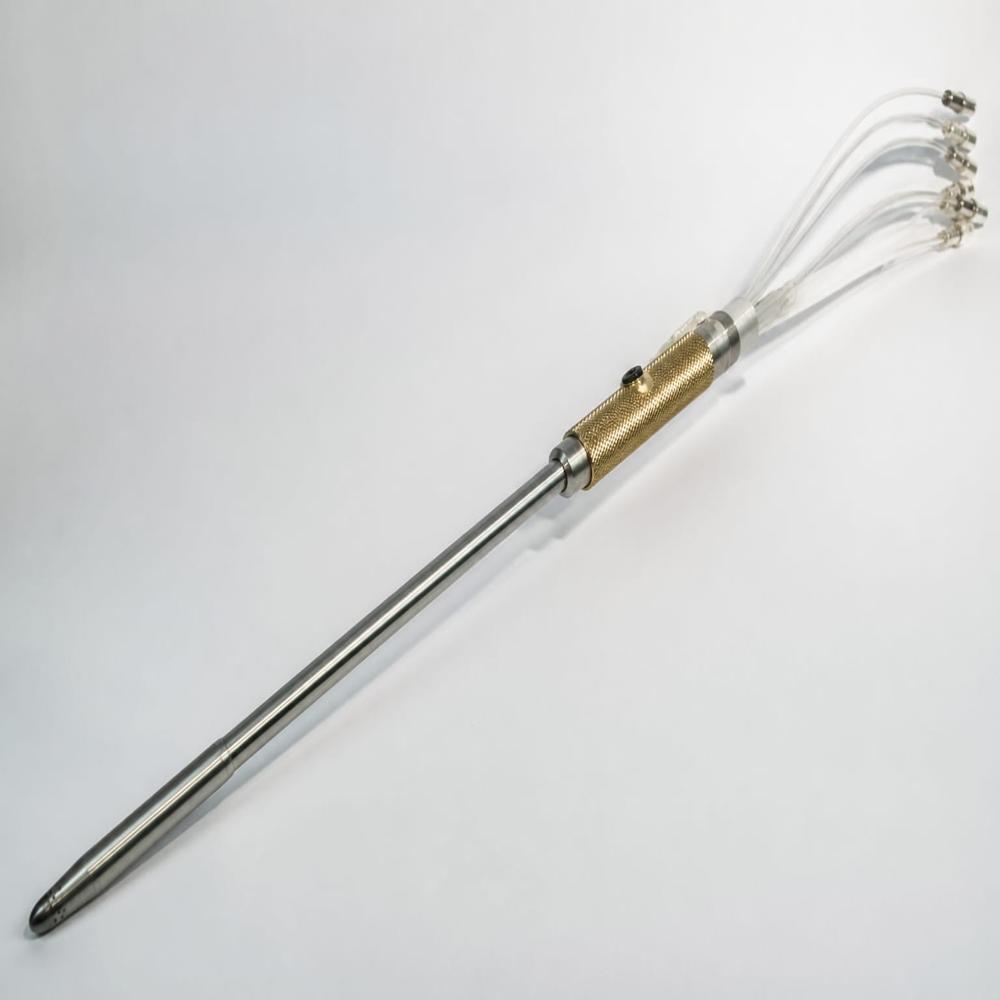
Pitot-Static Probe
Minimum Order Quantity : 1 Number
Coating Type : Corrosion Resistant Finish
Processing Type : Other, Precision Machined
Material : Other, Stainless Steel
Accessories : Mounting Bracket, Tubing Kit, Installation Guide
Technology : Other, PitotStatic Measurement Technology
Scaled F-16/Custom Aircraft Models
Minimum Order Quantity : 1 Set
Coating Type : Protective glossy finish
Processing Type : Other, Custom/Handmade
Material : Other, Highquality resin and composite material
Accessories : Display stand included
Technology : Other, Handcrafted with detailed painting and finishing

 Send Inquiry
Our Products


Plot No - 553, Phase 2 GIDC Vatva, Near Railway Station Vatva,Ahmedabad - 382445, Gujarat, India

Mr Devang Modi
(Director)
Mobile :08045801217
 Send Inquiry
 Send SMS
Developed and Managed by Infocom Network Private Limited.
