
Call us now :08045801217
 Send Inquiry
 Send Inquiry
Vertical Wind Tunnel
Price 500000.0 INR/ Unit
MOQ : 1 Unit
Vertical Wind Tunnel Specification
- Equipment Type
- Aerodynamic Simulation Apparatus
- Material
- High-strength steel structure, transparent polycarbonate walls
- Processing Type
- Precision CNC fabrication, anti-corrosive treatment
- Condition
- New
- Technology
- Vertical airflow circulation, variable speed fans
- Dimension (L*W*H)
- 12 m x 3.5 m x 5.5 m (customizable)
- Power Mode
- Electric powered
- Voltage
- 380V, 50/60 Hz
- Power Consumption
- Approximately 250 kW depending on capacity
- Pressure Output
- Variable, optimized for user weight and skill level
- Application
- Indoor skydiving, free-fall simulation, military and astronaut training, wind resistance testing
- Coating Type
- Powder coated, corrosion resistant
- Accessories
- Safety net, wind speed regulators, control panel, helmet, flight suit
- Fan Type
- Centrifugal axial fans
- Control System
- Advanced digital PLC-based touch panel
- Working Speed
- Adjustable, up to 300 km/h (approx. 185 mph)
- Operational Altitude
- Sea level to 2000m
- Air Temperature Control
- Integrated HVAC system
- Noise Level
- Below 80 dB(A)
- Transportability
- Modular sections for ease of shipment
- Service Support
- Onsite installation and training available
- Installation Type
- Floor mounted, modular assembly
- Color Options
- Custom RAL colors available
- Flight Chamber Diameter
- 2.5 meters
- Compliance
- Meets EN and ASTM international safety standards
- Maximum Occupancy
- 1 instructor + 2 flyers
- Safety Features
- Emergency stop, redundant fan system, padded entry/exit
- Surface Finish
- Smooth, anti-static interior
Vertical Wind Tunnel About
Marketing Overview
The Vertical Wind Tunnel is an advanced aerodynamic testing system designed to generate controlled upward airflow, enabling free-flight, spin, and stability testing of models. Unlike conventional horizontal wind tunnels, this configuration allows objects to be suspended or freely moving within the test section, closely simulating real flight behaviors such as stall, spin, and recovery.
Widely used in aerospace research, defense applications, and training environments, vertical wind tunnels provide a unique platform for studying dynamic stability, parachute systems, and human flight simulation. With precise airflow control and low-noise operation, they deliver high-fidelity experimental data in a controlled environment.
Technical Datasheet (Generalized Ranges)
1. System Classification
- Type: Vertical / Recirculating or Open-loop
- Flow Direction: Upward (vertical airflow)
- Primary Use: Free-flight and spin dynamics testing
2. Test Section Specifications
- Orientation: Vertical
- Shape: Circular (typical) / Rectangular
- Diameter / Width: ~1 m 5+ m
- Height: ~3 m 15+ m
- Access: Transparent or open test section for observation
3. Flow Performance
- Velocity Range: ~5 m/s 60 m/s
- Typical Operating Range: 20 50 m/s
- Velocity Control Accuracy: 1% 2%
- Flow Uniformity: 1% 3%
- Turbulence Intensity: <1%
4. Flow Characteristics
- Flow Profile: Uniform or tailored (e.g., saucer-shaped for spin testing)
- Lift Capability: Supports free suspension of models or human bodies
- Rapid Speed Variation: Enables dynamic testing and control
5. Drive System
- High-power electric motor with axial fan
- Variable frequency drive (VFD) for precise speed control
- Continuous operation capability
- Low-noise design with acoustic treatment
6. Measurement & Control
- Real-time airflow monitoring and control
- Automated data acquisition systems
- High-speed imaging and motion tracking
- Multi-camera synchronization and digital analysis
7. Testing Capabilities
- Aircraft spin and recovery analysis
- Free-flight aerodynamic behaviour
- Dynamic stability testing
- Parachute and descent system evaluation
- Human flight simulation (training applications)
8. Instrumentation (Optional)
- Motion tracking systems
- Force and balance systems (tethered mode)
- High-speed cameras
- Flow visualization tools
- Environmental sensors
9. Applications
- Aerospace R&D (spin dynamics, UAVs, spacecraft recovery)
- Defense and aviation safety studies
- Paratrooper and astronaut training
- Sports and human flight simulation
- Academic and experimental aerodynamics
10. Key Advantages
- Enables true free-flight testing (not just fixed models)
- Realistic simulation of spin and stall behaviour
- High repeatability and control
- Low-noise and safe operational environment
- Multi-purpose research and training platform
11. Customization Options
- Test section size and geometry
- Flow profile shaping
- Acoustic insulation levels
- Advanced imaging and tracking systems
- Human-rated safety systems
Cutting-Edge Aerodynamic Simulation
Built for excellence, the wind tunnel harnesses advanced centrifugal axial fans and digital controls that allow seamless wind speed adjustments. Its modular, floor-mounted assembly ensures straightforward installation and future adaptability, appealing to entertainment venues and training facilities alike.
Enhanced Safety and User Comfort
Safety is paramount, featuring emergency stop functions, a redundant fan system, smooth anti-static finishes, and padded exits. Occupants benefit from quiet operation below 80 dB(A) and a customizable HVAC-controlled environment, ensuring every flight is both exhilarating and secure.
FAQ's of Vertical Wind Tunnel:
Q: How does the adjustable wind speed benefit indoor skydivers and trainers?
A: The wind tunnel's airflow can be smoothly regulated up to 300 km/h using a state-of-the-art PLC touch panel. This versatility allows precise simulation for both beginners and advanced flyers, making it ideal for indoor skydiving training, free-fall simulation, and even military or astronaut preparation.Q: What safety measures are included in this vertical wind tunnel?
A: Safety is integral to the design, with features such as an emergency stop button, redundant fan system, padded entry and exit points, and a safety net. The structure meets EN and ASTM international safety standards, ensuring secure operation for all users.Q: When is this wind tunnel suitable for use across different altitudes?
A: The system operates reliably from sea level up to 2000 meters, making it adaptable for installation in diverse geographic locations without compromising performance or safety.Q: Where can this wind tunnel be installed, and what are its power requirements?
A: Thanks to its modular design and floor-mounted configuration, the tunnel is well-suited for indoor facilities such as entertainment centers, research labs, and training bases. It requires a 380V power supply and consumes around 250 kW, depending on usage.Q: What is the installation and onboarding process for customers?
A: The manufacturer provides onsite installation and training, ensuring the tunnel is assembled correctly and operators are fully briefed on safe usage. Its modular sections simplify shipping and setup, greatly reducing downtime.Q: How does the integrated HVAC and noise reduction improve user experience?
A: The HVAC system keeps the flight chamber at a comfortable temperature regardless of external conditions, while engineering designs limit noise levels to below 80 dB(A), creating a pleasant atmosphere for flyers, instructors, and spectators alike.Q: What are the main benefits of choosing this vertical wind tunnel over others?
A: This apparatus offers precision control, robust safety, customizable aesthetics, and compliance with leading safety standards. Its transportable, modular build and adaptable power and environmental specifications make it suitable for a wide range of commercial and professional applications.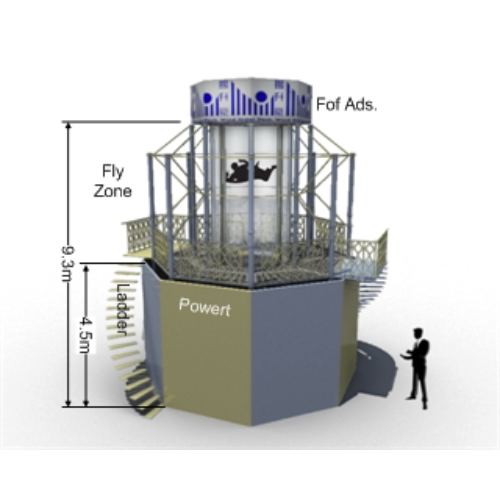
Tell us about your requirement

Price:
Quantity
Select Unit
- 50
- 100
- 200
- 250
- 500
- 1000+
Additional detail
Mobile number
Email

More Products in Subsonic Wind Tunnel Category
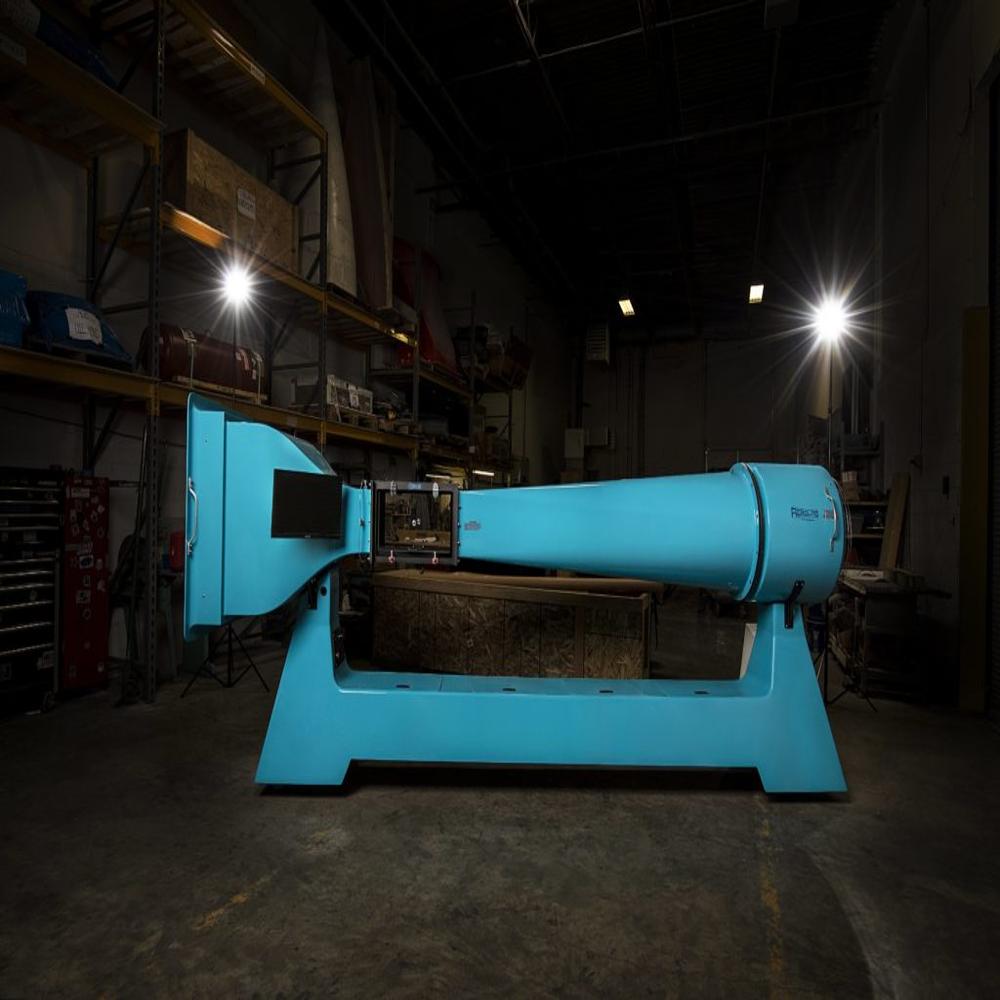
Educational Wind Tunnels
Price 500000.0 INR / Number
Minimum Order Quantity : 1 Number
Power Mode : Electric
Application : Aerodynamics education, laboratory experiments, airflow visualization, research demonstration
Coating Type : Powder coated body with clear acrylic test section
Voltage : 220V/230V, 50 Hz
High Speed Wind Tunnel
Price 500000.0 INR / Unit
Minimum Order Quantity : 1 Unit
Power Mode : Electric
Application : Aerodynamics Testing, Research & Development, Educational Purposes, Automotive and Aerospace Engineering
Coating Type : Powder Coated Exterior
Voltage : 220V / 380V, 50Hz / 60Hz single or three phase
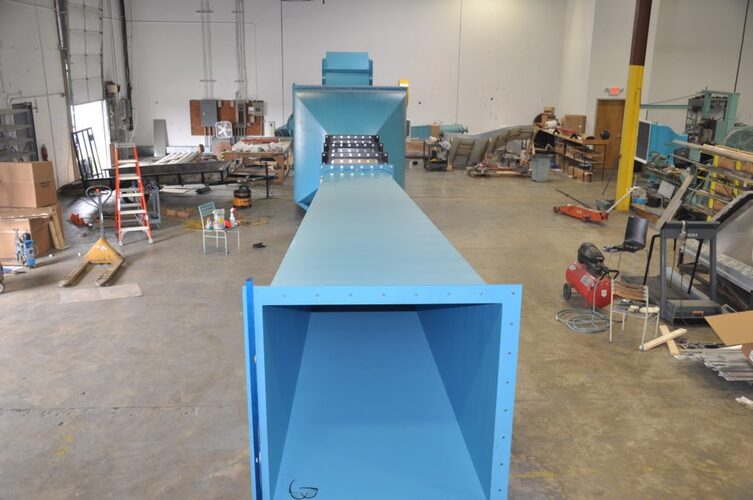
Blow Down Wind Tunnels
Price 500000.0 INR / Unit
Minimum Order Quantity : 1 Unit
Power Mode : Electric
Application : Aerodynamics testing, research, educational experiments
Coating Type : Powder Coated
Voltage : 220240V, 50Hz
Low Speed Wind Tunnel
Price 500000.0 INR / Unit
Minimum Order Quantity : 1 Unit
Power Mode : Electric
Application : Aerodynamics Research, Educational Laboratories, Product Testing, Aerospace Engineering
Coating Type : Powder Coated Exterior
Voltage : 220240V, 50Hz

 Send Inquiry
Our Products


Plot No - 553, Phase 2 GIDC Vatva, Near Railway Station Vatva,Ahmedabad - 382445, Gujarat, India

Mr Devang Modi
(Director)
Mobile :08045801217
 Send Inquiry
 Send SMS
Developed and Managed by Infocom Network Private Limited.
