
Call us now :08045801217
 Send Inquiry
 Send Inquiry
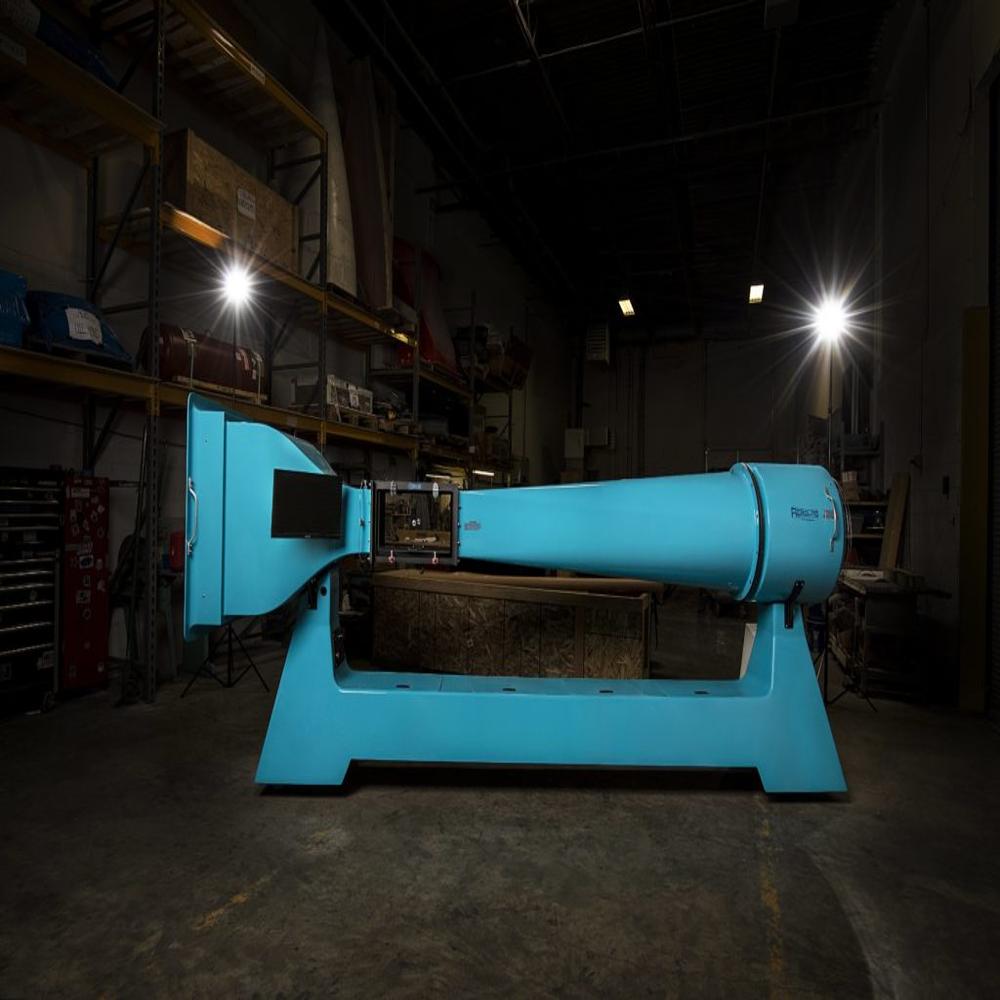
High Speed Wind Tunnel
Price 500000.0 INR/ Unit
MOQ : 1 Unit
High Speed Wind Tunnel Specification
- Equipment Type
- High Speed Wind Tunnel
- Material
- Stainless Steel, Mild Steel, and Aluminum Alloy Construction
- Processing Type
- Fabricated, Precision Machining
- Condition
- New
- Technology
- Closed Circuit, Subsonic and Supersonic Wind Tunnel Technology
- Dimension (L*W*H)
- Approx. 8 m x 2.5 m x 2.2 m (can be customized)
- Power Mode
- Electric
- Voltage
- 220V / 380V, 50Hz / 60Hz single or three phase
- Power Consumption
- 5 - 15 kW depending on size/model
- Pressure Output
- Atmospheric to 1.2 bar (dependent on blower and contraction ratio)
- Application
- Aerodynamics Testing, Research & Development, Educational Purposes, Automotive and Aerospace Engineering
- Coating Type
- Powder Coated Exterior
- Accessories
- Smoke Generator, Balance System, Model Mountings, Instrumentation Panel
- Noise Level
- <70 dB at max speed in operational area
- Calibration Certificates
- Supplied with ISO/IEC 17025 accredited reports
- Safety Features
- Emergency Stop, Overload Protection, Interlock Mechanism
- Data Acquisition System
- Digital, Interface with Computer and Sensors
- Test Section Size
- 400 mm x 400 mm to 600 mm x 600 mm (customizable)
- Drive System
- Direct/Variable Frequency Drive (VFD) motor
- Speed Control
- Infinitely variable (digital controller)
- Fan Type
- Axial Flow, Multi-blade High Efficiency
- Flow Uniformity
- 1% across test section
High Speed Wind Tunnel About
Marketing Overview
Our high-speed wind tunnel systems are designed for advanced aerodynamic research in subsonic, transonic, and supersonic regimes. Engineered for precision and reliability, these tunnels enable accurate simulation of high-speed flow conditions critical for aerospace, defense, and propulsion studies.
With configurable Mach number ranges, high-quality flow control, and advanced measurement integration, the system supports detailed analysis of shock waves, compressibility effects, and high-speed aerodynamic performance. Modular design and scalable power systems allow customization to meet diverse research and testing requirements.
Technical Datasheet (Generalized Ranges)
1. System Classification
- Mach Number Range: 0.4 4.5
- Categories:
- Subsonic: Mach 0.4 0.8
- Transonic: Mach 0.8 1.2
- Supersonic: Mach 1.2 4.5
2. Test Section Specifications
- Type: Closed (typical), Open (optional)
- Shape: Rectangular / Circular
- Cross-Section Area: 0.01 m 5 m
- Length: 0.5 m 10 m
3. Flow Performance
- Velocity Range: ~140 m/s 1500 m/s (depending on Mach number and conditions)
- Mach Number Control Accuracy: 0.01 0.05
- Flow Uniformity: 1% or better
- Turbulence Intensity: < 0.5%
4. Operating Conditions
- Total Pressure Range: 1 bar 50 bar (pressurized systems)
- Total Temperature Range: Ambient to 600 K (higher with heating systems)
- Reynolds Number: Up to 10 10+
5. Drive / Flow Generation
- Type:
- Continuous (compressor-driven)
- Intermittent (blowdown / storage tank type)
- Power Requirement:
100 kW 50 MW (depending on scale)
6. Key Components
- Settling chamber with flow conditioning
- Convergent-divergent (de Laval) nozzle
- Test section (optical access optional)
- Diffuser and exhaust system
- High-pressure air supply / storage tanks
- Control valves and flow regulation system
7. Instrumentation (Optional)
- Pressure transducers and scanners
- Schlieren / shadowgraph systems (shock visualization)
- Force and moment balances
- High-speed data acquisition systems
- Temperature and density measurement
8. Applications
- Aerospace vehicle and missile testing
- Supersonic intake and nozzle studies
- Shock wave and compressibility research
- High-speed propulsion systems
- Academic and defence research
9. Optional Configurations
- Blowdown supersonic wind tunnel
- Hypersonic extension (above Mach 5, on request)
- Heated flow systems
- Variable-density / pressurized tunnels
- Optical access test sections
10. Customization Options
- Mach number range
- Test section size and geometry
- Pressure and temperature capabilities
- Instrumentation and visualization systems
- Continuous or intermittent operation
Advanced Digital Control and Data Acquisition
Utilizing a highly intuitive digital controller, users can achieve infinitely variable speed adjustments, enabling perfectly tailored airflow for a range of research scenarios. The integrated data acquisition system operates digitally and interfaces smoothly with computers and multiple sensors, allowing for seamless real-time monitoring and precise data collection.
Superior Performance and Flow Uniformity
This wind tunnel delivers exceptional flow uniformity (within 1%) across the entire test section, thanks to its expertly engineered axial flow fan and streamlined design. Capable of handling subsonic and supersonic regimes, it enables researchers and engineers to simulate real-world aerodynamic conditions and conduct rigorous analyses with confidence.
Rugged Construction and Safety Assured
Built from high-grade stainless steel, mild steel, and aluminum alloy, the wind tunnel boasts a powder-coated exterior for extra durability. Safety is enhanced by advanced features such as emergency stop, overload protection, and interlock mechanisms, ensuring a secure environment for both operators and sensitive experiments.
FAQ's of High Speed Wind Tunnel:
Q: How is the test section size customized for specific applications?
A: The wind tunnel features a modular design, allowing the test section size to be tailored from 400 mm x 400 mm up to 600 mm x 600 mm according to client specifications. This flexibility is achieved through precision fabrication and a versatile model mounting system.Q: What process is used to control airflow speed and measure data during experiments?
A: Airflow speed is precisely managed using a digital infinite-variable speed controller connected to a direct or variable frequency drive (VFD) motor. Data is captured with a digital acquisition system, interfacing directly with computers and a range of sensors for accurate, real-time monitoring and analysis.Q: When is it recommended to use this wind tunnel in research or industry?
A: This high-speed wind tunnel is ideal during the design, testing, and development phases in aerodynamics, specifically for research projects, educational demonstrations, and engineering validation in automotive and aerospace industries.Q: Where can this wind tunnel be installed, and are its dimensions adaptable?
A: The wind tunnel is suitable for research laboratories, universities, and industrial R&D centers. Its dimensions (approximately 8 m x 2.5 m x 2.2 m) can be customized to fit available space and meet specific operational requirements.Q: What are the main benefits of its advanced safety and calibration features?
A: Comprehensive safety features-emergency stop, overload protection, and interlock mechanisms-ensure user and equipment security. Calibration certificates from ISO/IEC 17025 accredited labs guarantee precise, reliable measurements for critical experiments.Q: How does the included accessory package enhance the wind tunnel's usage?
A: The wind tunnel comes equipped with a smoke generator, balance system, model mountings, and a comprehensive instrumentation panel, allowing for detailed visual flow studies, balance measurements, and convenient experiment setup, thus broadening its application range.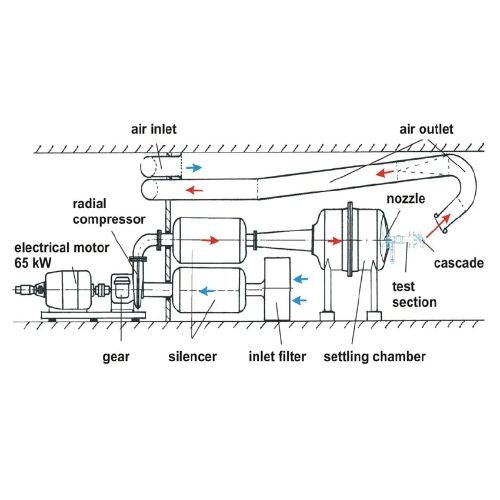
Tell us about your requirement

Price:
Quantity
Select Unit
- 50
- 100
- 200
- 250
- 500
- 1000+
Additional detail
Mobile number
Email

More Products in Subsonic Wind Tunnel Category
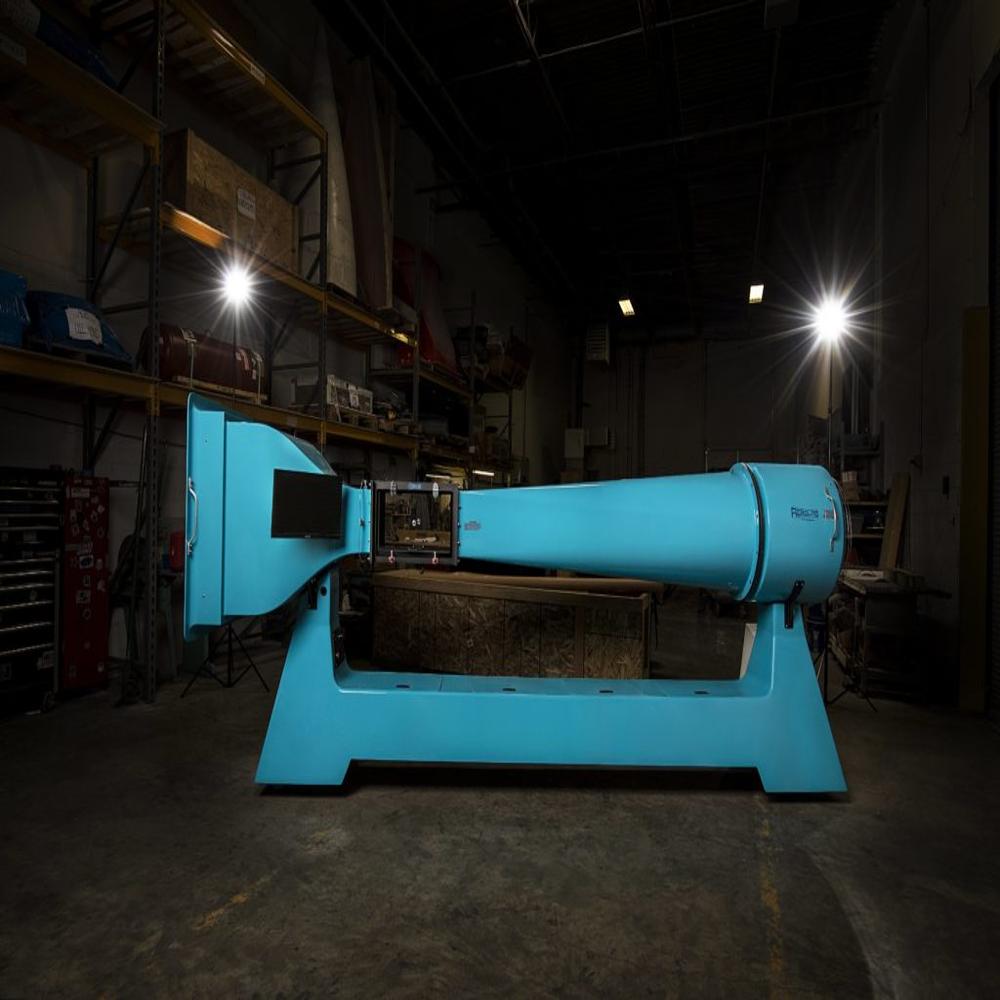
Educational Wind Tunnels
Price 500000.0 INR / Number
Minimum Order Quantity : 1 Number
Dimension (L*W*H) : Approx. 1200 mm x 600 mm x 900 mm
Technology : Other, Wind tunnel simulation, controlled airflow
Voltage : 220V/230V, 50 Hz
Material : Other, Acrylic/Aluminum/Steel (as per model)
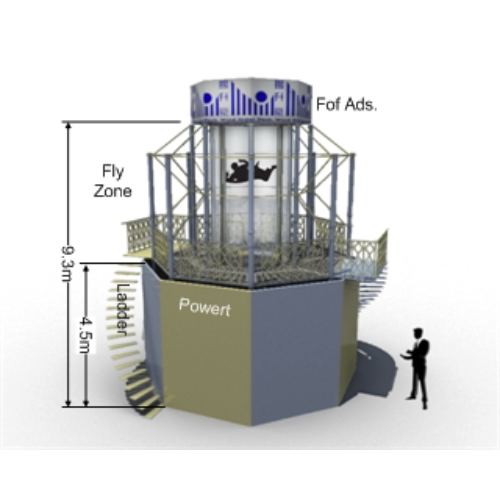
Vertical Wind Tunnel
Price 500000.0 INR / Unit
Minimum Order Quantity : 1 Unit
Dimension (L*W*H) : 12 m x 3.5 m x 5.5 m (customizable)
Technology : Other, Vertical airflow circulation, variable speed fans
Voltage : 380V, 50/60 Hz
Material : Other, Highstrength steel structure, transparent polycarbonate walls
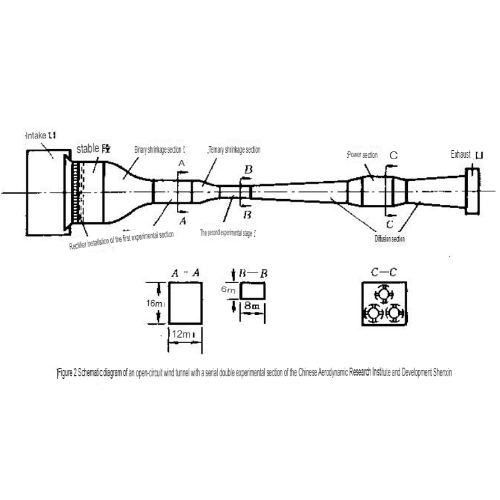
Low Speed Wind Tunnel
Price 500000.0 INR / Unit
Minimum Order Quantity : 1 Unit
Dimension (L*W*H) : Approx. 2200 x 800 x 1200 mm
Technology : Other, Subsonic OpenCircuit Wind Tunnel
Voltage : 220240V, 50Hz
Material : Other, Aluminum Alloy Body, Transparent Acrylic Test Section, Stainless Steel Fasteners
Educational Wind Tunnels Upgrade
Price 500000.0 INR / Number
Minimum Order Quantity : 1 Number
Dimension (L*W*H) : 2000 x 600 x 1500 mm
Technology : Other, Closed Circuit Subsonic Wind Tunnel System
Voltage : 220V AC, 50 Hz
Material : Other, Mild Steel, Acrylic Panels, Aluminium Frame

 Send Inquiry
Our Products


Plot No - 553, Phase 2 GIDC Vatva, Near Railway Station Vatva,Ahmedabad - 382445, Gujarat, India

Mr Devang Modi
(Director)
Mobile :08045801217
 Send Inquiry
 Send SMS
Developed and Managed by Infocom Network Private Limited.
