
Call us now :08045801217
 Send Inquiry
 Send Inquiry
Wind Power Trainer
Price 500000.0 INR/ Piece
MOQ : 1 Piece
Wind Power Trainer Specification
- Equipment Type
- Wind Power Training System
- Material
- Mild Steel, Aluminum, Acrylic Sheet
- Processing Type
- Dynamic / Simulation
- Condition
- New
- Technology
- Microcontroller-Based Monitoring
- Dimension (L*W*H)
- Approx. 900 x 400 x 700 mm
- Power Mode
- Wind Powered / Manual Simulation
- Voltage
- 230V AC, 50Hz / 12V DC (Operation)
- Power Consumption
- <15W (Electronic Monitoring Electronics)
- Pressure Output
- Demo Pressure Output (for Educational Purpose Only)
- Application
- Educational Laboratory Training, Renewable Energy Demonstration
- Coating Type
- Powder Coated
- Accessories
- Wind Turbine, Generator, Control Panel, Load Devices, Monitoring Software, Connection Cables, User Manual
- Construction
- Corrosion Resistant, Rigid Framing
- Number of Blades
- 3
- Safety Features
- Overcurrent Protection, Enclosed Wiring
- Mounting Type
- Bench-top / Table-top
- Rotor Diameter
- 300 mm
- Noise Level
- 55 dB
- Data Logging
- Integrated, PC Connectivity via USB
- User Interface
- Touch Control or Button Panel
- Learning Modules
- Wind Energy Fundamentals, Power Measurement, Load Analysis, Efficiency Calculation
- Generator Type
- Brushless DC (BLDC)
- Test Points
- Provided for Experimental Measurements
- Digital Display
- RPM, Output Voltage, Output Power
Wind Power Trainer About
Product Overview
The Wind Power Trainer is a compact and advanced renewable energy laboratory system designed to demonstrate the principles of wind energy conversion and electrical power generation. The setup enables students, researchers, and trainees to study wind turbine operation, energy conversion efficiency, mechanical power transmission, and electrical output characteristics under controlled laboratory conditions.
The trainer simulates the working of a real wind power generation.
system and provides practical understanding of:
- Wind energy conversion
- Turbine aerodynamics
- Electrical power generation
- Mechanical & electrical efficiency
- Rotor speed and torque analysis
- Blade angle optimization
- Renewable energy system performance
Key Features
- Laboratory-scale wind energy system
- Real-time performance monitoring
- Variable wind speed operation
- Adjustable turbine blade angle
- Digital measurement instruments
- Compact and portable structure
- Transparent safety enclosure
- Industrial-grade fabrication
- Easy operation and maintenance
Advantages
Educational Advantages
- Hands-on renewable energy learning
- Demonstrates real wind turbine operation
- Simplifies energy conversion concepts
- Ideal for engineering practical experiments
- Enhances technical and research skills
Technical Advantages
- High measurement accuracy
- Stable and smooth turbine operation
- Adjustable experimental parameters
- Real-time electrical and mechanical analysis
- Reliable performance under varying loads
Operational Advantages
- Compact laboratory installation
- Low maintenance requirements
- Safe enclosed operation
- Long operational life
- User-friendly control system
Environmental Advantages
- Promotes green energy education
- Supports sustainable technology learning
- Zero-emission demonstration system
- Encourages renewable energy awareness
Technical Specifications
Wind Turbine Specifications
| Parameter | Specification |
| Turbine Type | Horizontal Axis Wind Turbine |
| Rated Power | 50 W 500 W |
| Rotor Diameter | 300 mm 1000 mm |
| Number of Blades | 3 |
| Blade Material | FRP / Polyethylene |
| Rotor Speed Range | 200 2000 RPM |
| Cut-in Wind Speed | 2 3 m/s |
| Generator Type | Permanent Magnet DC Generator |
| Output Voltage | 1 48 V DC |
| Blade Pitch Adjustment | Manual |
Wind Tunnel / Fan Specifications
| Parameter | Specification |
| Fan Type | Axial Flow Fan |
| Airflow Capacity | 300012000 CFM |
| Fan Diameter | 300 700 mm |
| Motor Power | 1 HP 5 HP |
| Speed Control | Variable Frequency Drive (VFD) |
| Power Supply | 230V / 415V AC |
Measurement System Specifications
| Parameter | Specification |
| Wind Speed Measurement | Digital Anemometer |
| RPM Measurement | Digital RPM Sensor |
| Torque Measurement | Torque Sensor |
| Voltage Display | Digital Voltmeter |
| Current Display | Digital Ammeter |
| Load Variation | Variable Resistive Load |
Numerical Operating Ranges
| Operating Parameter | Typical Range |
| Wind Velocity | 2 15 m/s |
| Rotor Speed | 200 2000 RPM |
| Output Voltage | 1 48 V DC |
| Current Output | 0 15 A |
| Torque Range | 0 10 Nm |
| Power Output | 50 500 W |
| System Efficiency | 65% 90% |
| Operating Temperature | 10C to +60C |
Performance Equations
Wind Power Equation

Mechanical Power

Electrical Power

Efficiency Calculation

Experimental Capabilities
- Wind turbine performance analysis
- Blade angle effect study
- Wind speed variation experiments
- Mechanical & electrical power calculations
- Torque and RPM analysis
- Load characteristic testing
- Energy conversion efficiency study
Typical Performance Data
| Wind Speed | RPM | Voltage | Current | Output Power |
| 4 m/s | 450 RPM | 6 V | 1.2 A | 7.2 W |
| 6 m/s | 850 RPM | 12 V | 2.1 A | 25.2 W |
| 8 m/s | 1250 RPM | 24 V | 3.0 A | 72 W |
| 10 m/s | 1700 RPM | 36 V | 4.2 A | 151.2 W |
Applications
- Renewable Energy Laboratories
- Engineering Colleges
- Polytechnic Institutes
- Research & Development Centers
- Technical Skill Development Institutes
- Mechanical Engineering Labs
- Electrical Engineering Labs
- Green Energy Demonstration Centers
Optional Accessories
- IoT-Based Monitoring System
- PLC Integration
- Data Acquisition Software
- Solar-Wind Hybrid Module
- SCADA Connectivity
- Digital Data Logger
- Battery Storage System
Versatile Educational Training
This Wind Power Trainer is engineered for educational environments, offering comprehensive modules in wind energy, power measurement, and efficiency calculation. Its intuitive user interface and integrated monitoring tools allow for engaging, hands-on experimentation in both dynamic and simulated wind power scenarios.
Cutting-Edge Technology and Safety
Equipped with a brushless DC generator and microcontroller-based monitoring, the system ensures reliable measurements and high performance. Safety is prioritized with features such as overcurrent protection, enclosed wiring, and sturdy corrosion-resistant construction, making it suitable for academic labs and demonstration purposes.
Complete Laboratory Package
Delivered with essential accessories including a wind turbine, generator, control panel, load devices, monitoring software, and user manual, this bench-top device ensures educators and students have everything necessary for effective renewable energy training. Data logging and PC connectivity support extended learning and analysis.
FAQ's of Wind Power Trainer:
Q: How does the Wind Power Trainer simulate wind energy for laboratory experiments?
A: The Wind Power Trainer can operate using actual wind power or manual simulation. It utilizes a 300 mm three-blade rotor to convert wind energy into electrical power, allowing students to study its generation, measurement, and analysis processes. Simulation features and integrated test points assist in observing various wind energy scenarios.Q: What are the primary applications of this training system?
A: This equipment is specifically designed for educational laboratory training and renewable energy demonstration. It supports learning modules such as wind energy fundamentals, power measurement, load analysis, and efficiency calculation, making it ideal for universities, technical institutions, and vocational training centers.Q: When should students use the test points provided in the system?
A: Test points can be used whenever experimental measurements are required during exercises or demonstrations. They allow students to directly monitor variables such as voltage, current, and power output at different stages of wind energy conversion for deeper analysis and understanding.Q: Where can the Wind Power Trainer system be installed?
A: The system is suitable for installation on bench-tops or table-tops in classroom, laboratory, or demonstration environments. Its compact and robust design (approx. 900 x 400 x 700 mm) fits easily into most educational setups and is portable for versatility.Q: What safety features does the Wind Power Trainer provide during usage?
A: It is equipped with overcurrent protection, fully enclosed wiring, and a rigid, corrosion-resistant frame. These features ensure that experiments remain safe for users while minimizing electrical and mechanical hazards during operation.Q: How is data measured and recorded on this training system?
A: Measurement is accessible through a digital display that shows RPM, output voltage, and power output in real-time. The system also includes integrated data logging capabilities and can connect to a PC via USB, enabling students and instructors to record and analyze data efficiently.Q: What benefits does this trainer offer over conventional wind power demos?
A: Unlike basic demonstrators, this Wind Power Trainer combines dynamic and simulated processes with advanced monitoring, safety, and connectivity. It supports comprehensive educational modules, interactive learning, accurate data collection, and in-depth analysis for a holistic wind energy training experience.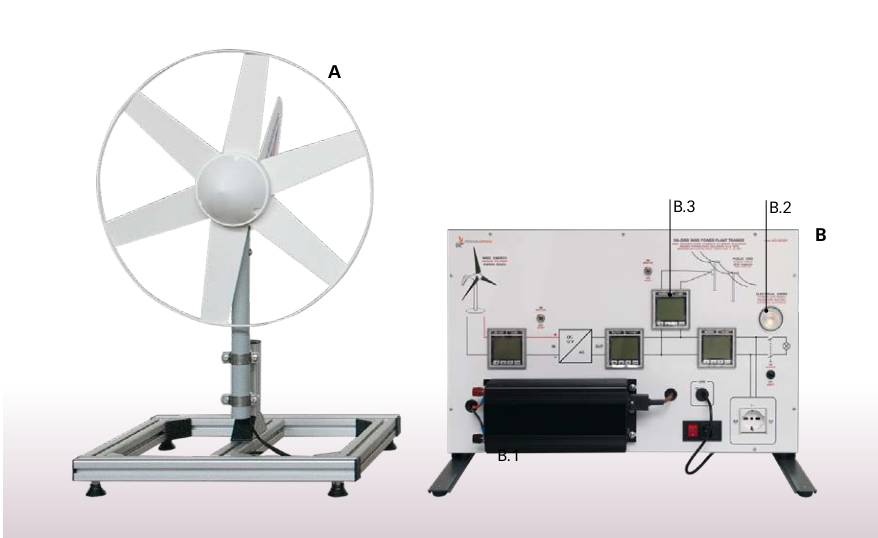
Tell us about your requirement

Price:
Quantity
Select Unit
- 50
- 100
- 200
- 250
- 500
- 1000+
Additional detail
Mobile number
Email

More Products in Wind Turbine Trainer Category
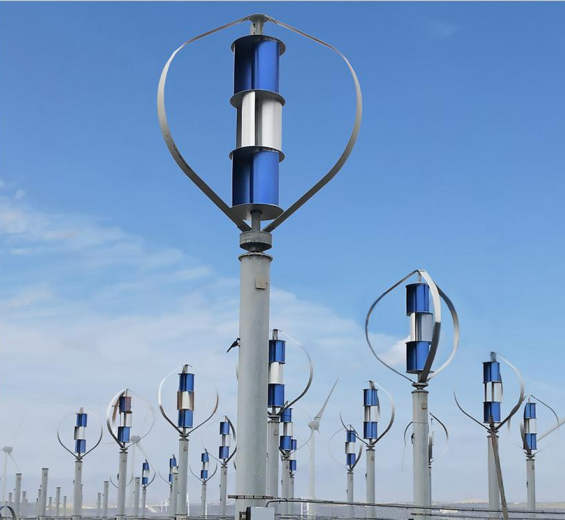
Darrieus Wind Turbine
Price 500000.0 INR / Unit
Minimum Order Quantity : 1 Unit
Power Consumption : Self Generated
Material : Other, Mild Steel
Accessories : Mounting Brackets, Bolts, Nuts
Technology : Other, Vertical Axis Wind Turbine
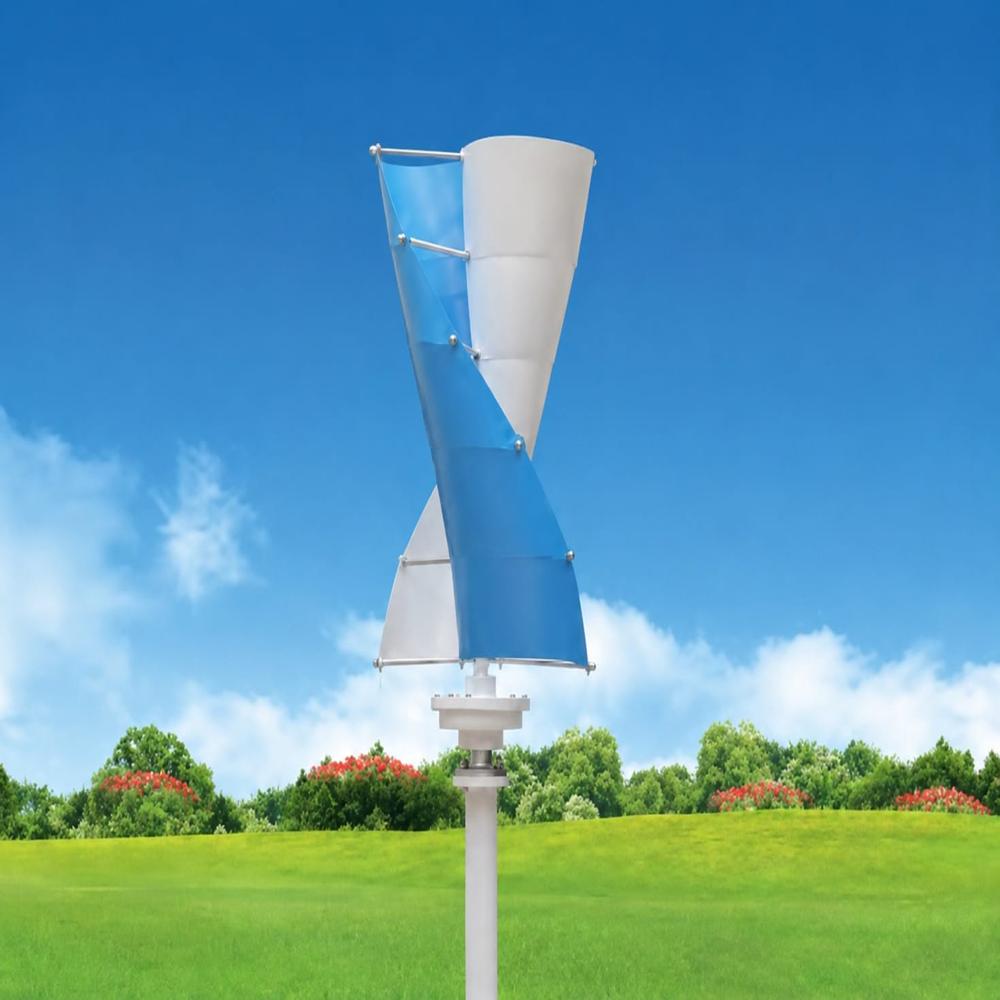
Savonius Wind Turbine
Price 500000.0 INR / Unit
Minimum Order Quantity : 1 Unit
Power Consumption : Zero (Power Generation equipment)
Material : Other, Mild Steel, Aluminum (Blades), Stainless Steel (Shaft)
Accessories : Mounting Stand, Generator, Control Electronics
Technology : Other, Vertical Axis Wind Turbine (VAWT)
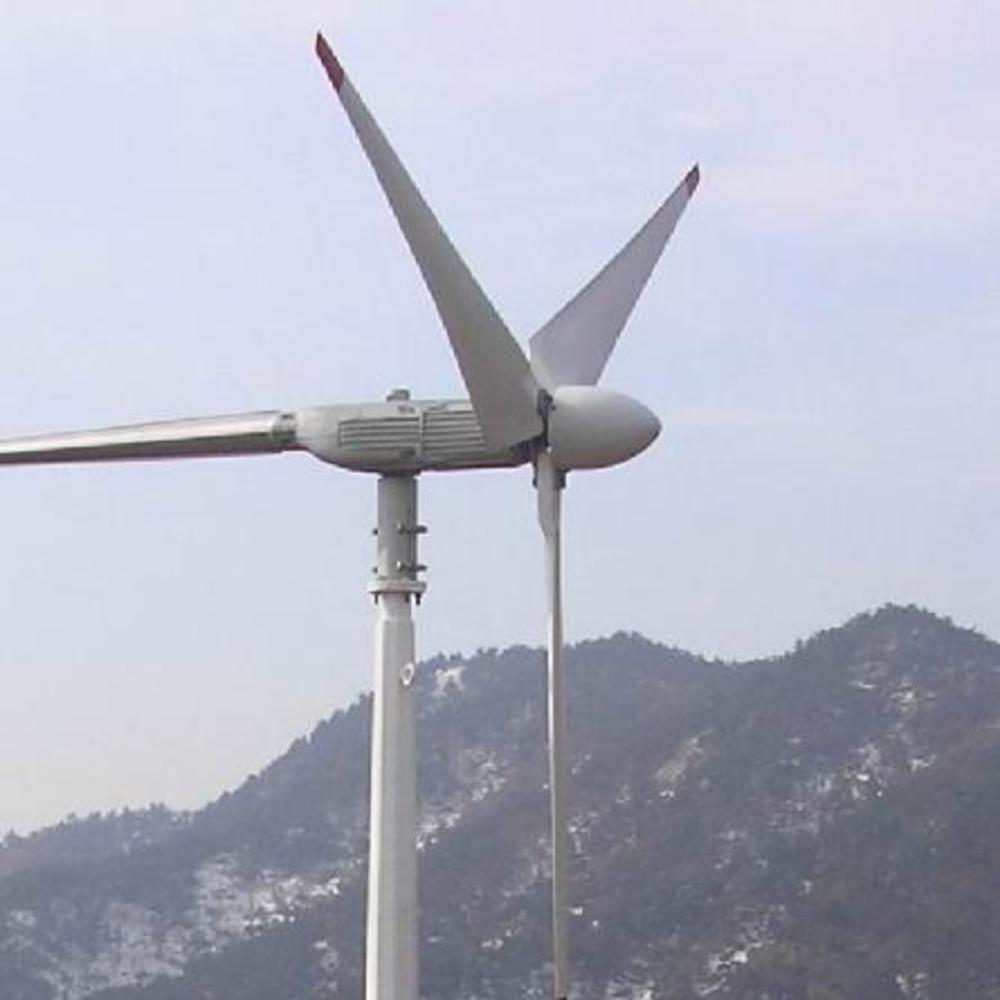
Wind Power Plants
Price 500000.0 INR / Piece
Minimum Order Quantity : 1 Piece
Power Consumption : 0 kW (selfgenerating)
Material : Other, Mild Steel
Accessories : Generator, Tower, Nacelle, Blades
Technology : Other, Wind Turbine
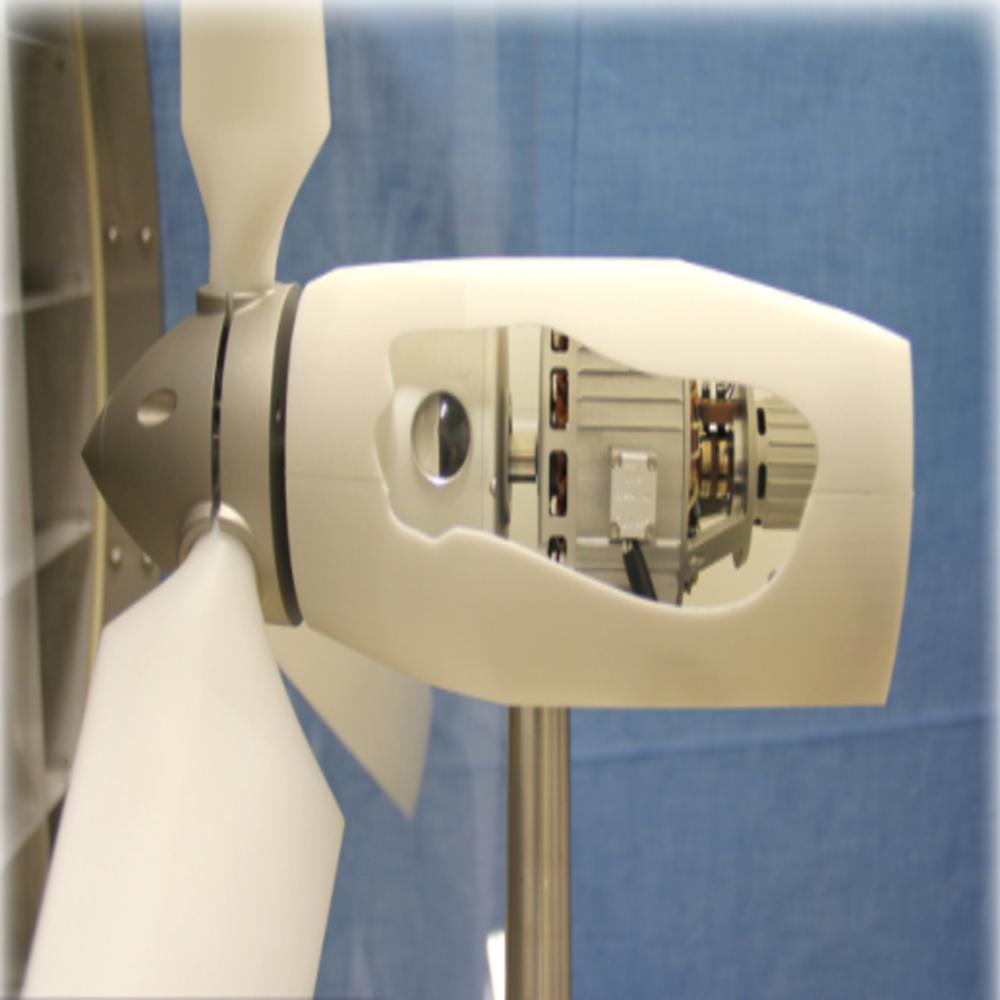
Wind Turbine Gear Trainer
Price 500000.0 INR / Unit
Minimum Order Quantity : 1 Unit
Power Consumption : Less than 80W (Electric Motor Only)
Material : Other, Mild Steel, Aluminum, Acrylic (Display Panel)
Accessories : Instruction Manual, Tool Kit, Set of Weights, Connecting Cables
Technology : Other, Demonstration of Wind Turbine Gear Mechanism

 Send Inquiry
Our Products


Plot No - 553, Phase 2 GIDC Vatva, Near Railway Station Vatva,Ahmedabad - 382445, Gujarat, India

Mr Devang Modi
(Director)
Mobile :08045801217
 Send Inquiry
 Send SMS
Developed and Managed by Infocom Network Private Limited.
