
Call us now :08045801217
 Send Inquiry
 Send Inquiry
Aerofoil testing
Price 500000.0 INR/ Number
MOQ : 1 Number
Aerofoil testing Specification
- Material
- Mild Steel, Aluminum, Stainless Steel
- Processing Type
- Precision Instrumentation
- Condition
- New
- Technology
- Wind Tunnel Based Testing Technology
- Dimension (L*W*H)
- 1500mm x 800mm x 1800mm
- Power Mode
- Electric
- Voltage
- 220-240V AC
- Power Consumption
- 1.5 kW
- Pressure Output
- 0-500 Pascals
- Application
- Aerofoil aerodynamic characteristics analysis, Education, Research and Development, Laboratory Use
- Coating Type
- Powder Coated
- Accessories
- Digital Manometer, Pressure Sensors, Data Logger, Aerofoil Models, Computer Interface
- Display Type
- Digital LCD Display
- Model Number
- AFT-2024
- Air Flow Range
- 0.5 m/s to 40 m/s
- Safety Features
- Emergency Stop Button, Overload Protection
- Operating Temperature Range
- 10C to 40C
- Control System
- Digital Speed Controller
- Equipment Type
- Aerofoil Testing Rig
- Noise Level
- <70 dB(A)
- Measurement Parameter
- Lift and Drag Force, Pressure Distribution, Angle of Attack
- Mounting Type
- Floor Standing
- Measuring Accuracy
- 0.5%
- Data Output
- USB and RS232 Ports
Aerofoil testing About
Overview (Marketing Description)
The Aerofoil Testing System is a precision experimental solution designed to evaluate the aerodynamic performance of airfoil models under controlled conditions. Widely used in wind tunnel studies and research laboratories, the system enables accurate measurement of lift, drag, and pressure distribution, along with detailed flow visualization.
It supports both fundamental research and advanced aerodynamic optimization for aerospace, automotive, and wind energy applications, with compatibility for experimental and CFD validation workflows.
Key Features
- Accurate measurement of lift, drag, and pitching moments
- Modular aerofoil mounting with adjustable angle of attack
- High-resolution pressure distribution analysis
- Integration with flow visualization techniques (smoke, tufts, etc.)
- Compatible with CFD validation and data correlation
- Suitable for 2D and 3D aerofoil models
Technical Specifications (Typical Ranges)
Test Conditions
- Air Velocity Range: 5 100 m/s (depending on wind tunnel)
- Reynolds Number: 10 10
- Angle of Attack Range: -10 to +40
- Stall Detection: Up to ~2025 (typical airfoils)
Measurement Parameters
- Lift Coefficient (Cl): Measured via force balance
- Drag Coefficient (Cd): Measured via force balance
- Moment Coefficient (Cm): Pitching moment analysis
- Pressure Coefficient (Cp): From surface pressure taps
Instrumentation
- Multi-axis force balance system
- Pressure taps: 10 50+ points (typical)
- Pressure scanner / multi-tube manometer
- Air velocity measurement (Pitot tube / anemometer)
Flow Visualization
- Smoke / dye injection system
- Tuft grid visualization
- Optional: Schlieren / PIV systems
Model Specifications
- Aerofoil Type: NACA / custom profiles
- Model Span: 150 600 mm (typical lab scale)
- Material: Aluminium / composite / acrylic
Applications
- Aerospace: Wing and airfoil performance analysis
- Wind Energy: Blade profile optimization
- Automotive: Aerodynamic surface studies
- Research & Education: Fluid dynamics experiments
- CFD Validation: Experimental benchmarking
Optional Features
- Automated angle of attack control
- Digital pressure scanning systems
- High-speed data acquisition
- Integration with CFD software tools
- Advanced flow diagnostics (PIV, PSP)
Test Capabilities
- Lift & drag characterization across AoA range
- Stall behaviour and flow separation analysis
- Boundary layer and vortex study
- Pressure distribution mapping over aerofoil surface
High Accuracy Measurement
Achieve reliable aerodynamic data with 0.5% measuring accuracy across lift, drag, and pressure parameters. The AFT-2024 is equipped with high-quality sensors and digital instrumentation that ensure precise, repeatable measurements important for both educational and research settings.
User-Friendly Operation & Safety
Thanks to its digital LCD interface and advanced controller, the rig allows for intuitive speed adjustments and real-time monitoring. Integrated safety features like an emergency stop button and overload protection provide a secure testing environment for operators.
Comprehensive Data Connectivity
Streamline experiments with digital data output via USB and RS232 ports. These interfaces enable efficient transfer of test results to computers and data loggers for further analysis and documentation, making the system suitable for modern laboratory workflows.
FAQ's of Aerofoil testing:
Q: How does the Aerofoil Testing Rig (AFT-2024) measure aerodynamic forces and pressure distribution?
A: The AFT-2024 uses high-precision sensors to measure lift and drag forces, as well as pressure distribution over the aerofoil surface. Data from these sensors are processed and displayed on the digital LCD, ensuring accurate readings for each parameter.Q: What is the typical process for conducting an aerofoil test using this rig?
A: Tests start by securely mounting an aerofoil model in the wind tunnel. After configuring airflow and angle of attack through the digital speed controller, users observe real-time data on the LCD display. Results are recorded with the included data logger or transferred to a computer via USB/RS232.Q: When should I utilize the AFT-2024 in research or academic applications?
A: The AFT-2024 is ideal for analyzing aerodynamic properties in controlled conditions, suitable for laboratory courses, research projects, and development work that require accurate lift, drag, and pressure measurements for different aerofoil shapes.Q: Where can data from the rig be accessed or exported?
A: Data collected during tests can be accessed directly from the digital display or easily exported using the built-in USB and RS232 ports to computers and other data storage devices for further analysis.Q: What safety mechanisms does the testing rig incorporate during operation?
A: The rig features multiple safety elements including an emergency stop button and overload protection system, to ensure safe operation during all testing procedures, providing confidence in high-use educational and research environments.Q: How does the digital speed controller benefit users?
A: The digital speed controller enables precise adjustments to air flow rates, allowing users to systematically examine the effects of variable wind speeds and angle of attack on aerofoil performance, enhancing experiment reproducibility and efficiency.Q: What are the benefits of the rig's construction materials and powder coating?
A: The use of mild steel, aluminum, and stainless steel, finished with a powder coating, ensures superior durability, corrosion resistance, and a long service life even in demanding laboratory settings.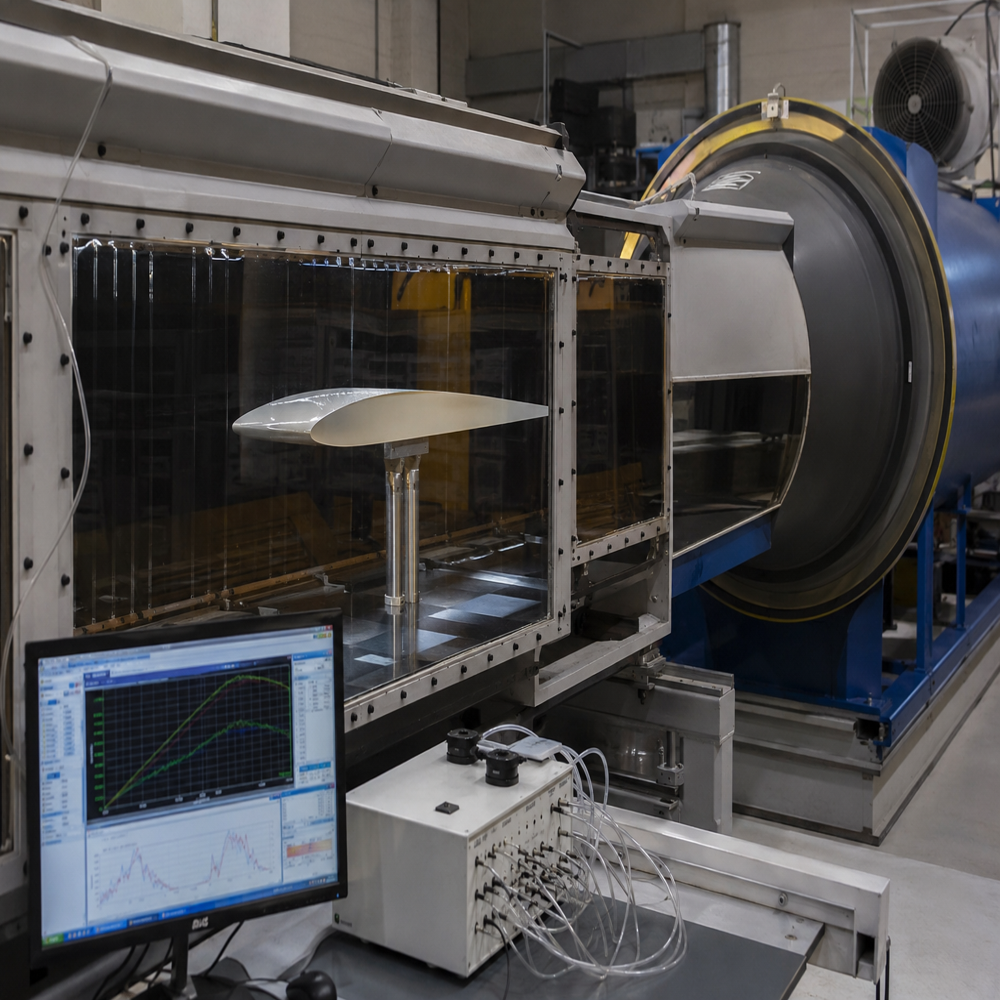
Tell us about your requirement

Price:
Quantity
Select Unit
- 50
- 100
- 200
- 250
- 500
- 1000+
Additional detail
Mobile number
Email

More Products in Wind Testing Category
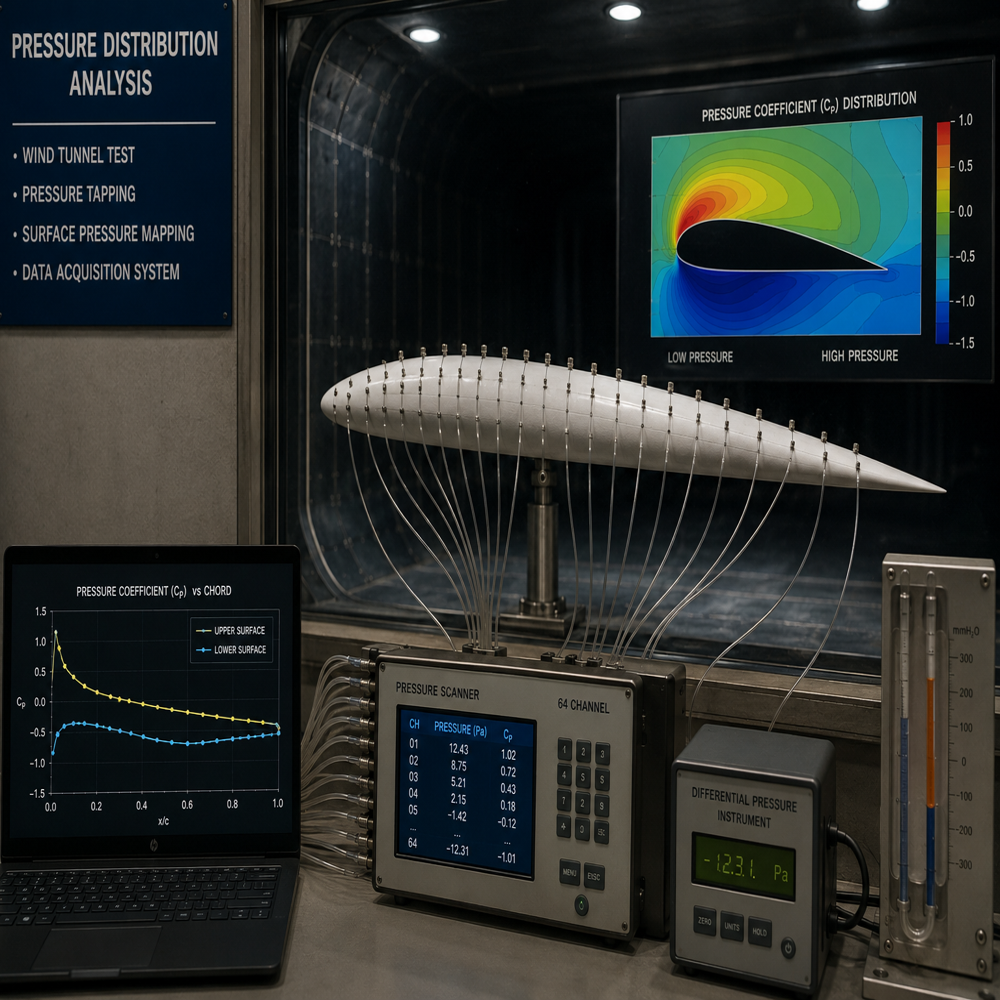
Pressure Distribution
Price 500000.0 INR / Number
Minimum Order Quantity : 1 Number
Dimension (L*W*H) : 1200 x 800 x 1600 mm
Accessories : Pressure Gauges, Safety Valves, Piping Fittings
Condition : New
Power Mode : Electric
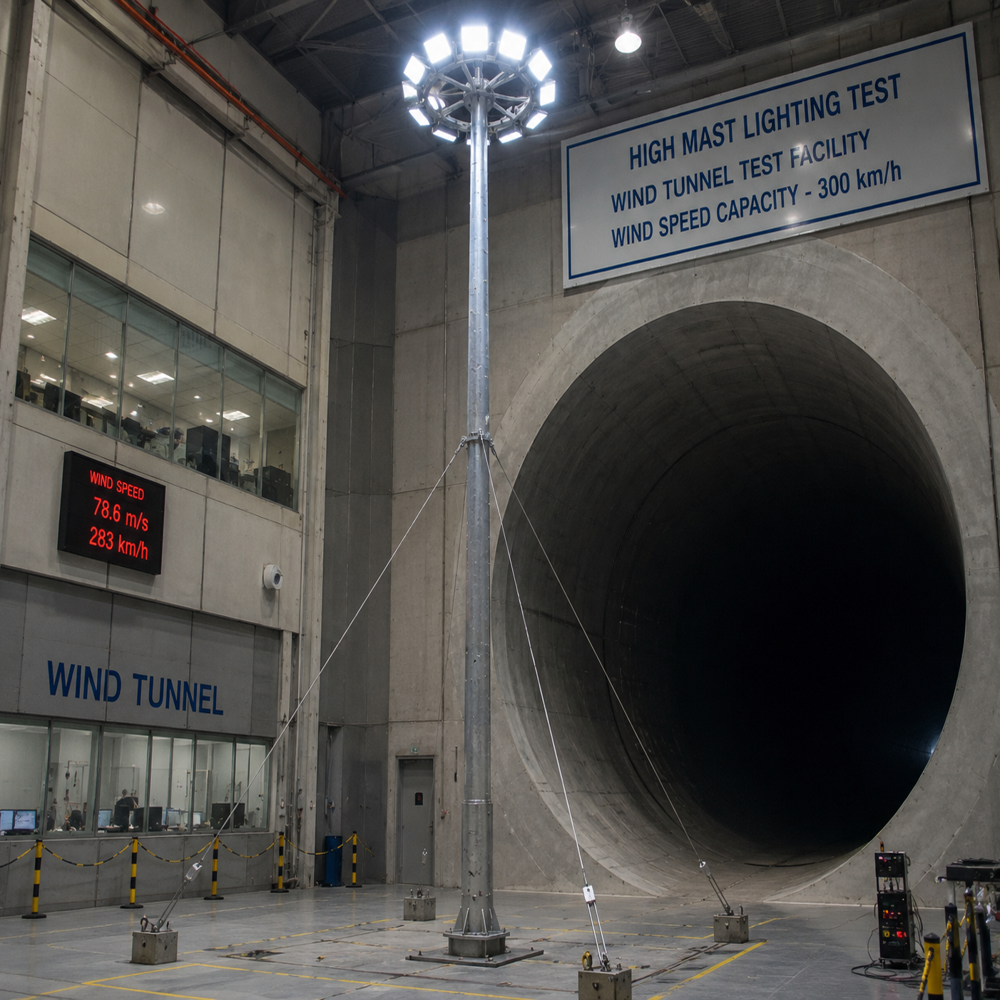
High Mast Testing
Price 500000.0 INR / Unit
Minimum Order Quantity : 1 Unit
Dimension (L*W*H) : 4000 mm x 1500 mm x 1800 mm
Accessories : Standard Testing Accessories Included
Condition : New
Power Mode : Electric
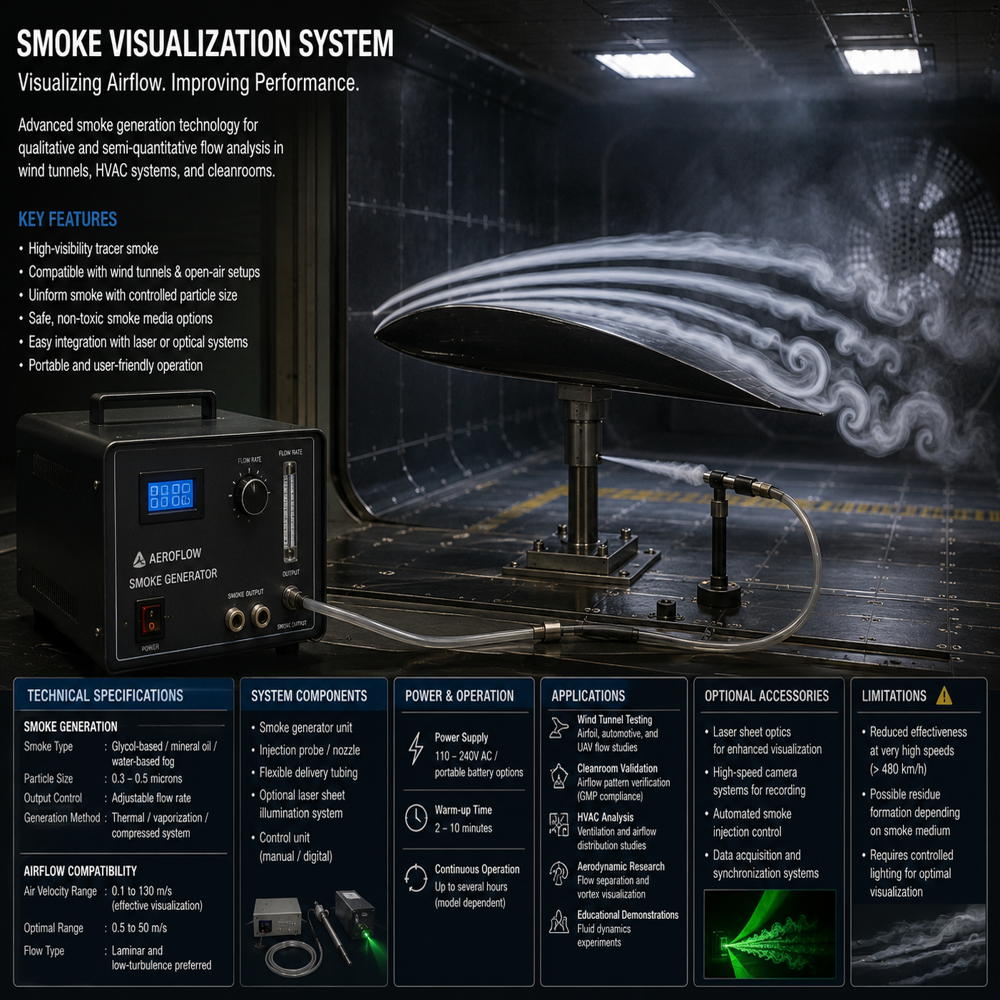
Smoke Visualization
Price 500000.0 INR / Number
Minimum Order Quantity : 1 Number
Dimension (L*W*H) : 250 mm x 120 mm x 160 mm
Accessories : Flexible Dispensing Nozzle, Refill Bottle, Carry Case
Condition : New
Power Mode : Electric
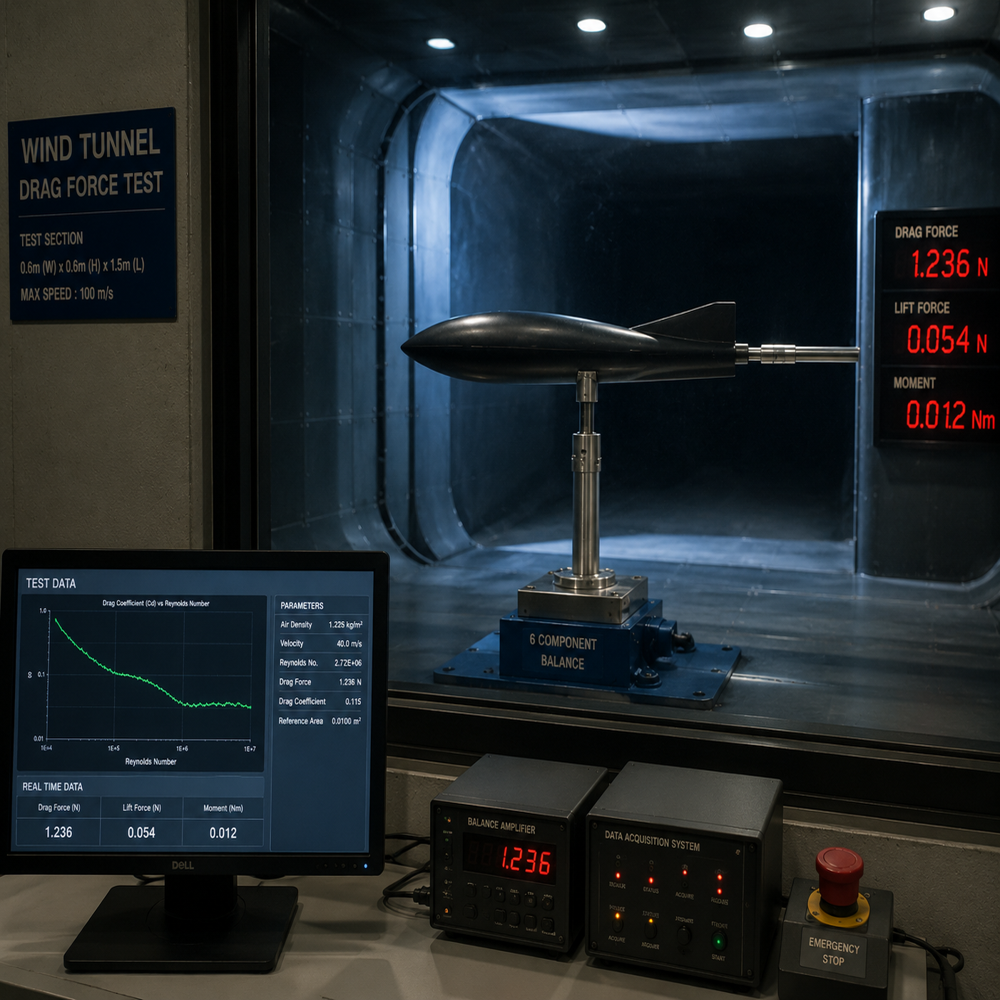
Drag Force Testing
Price 500000.0 INR / Set
Minimum Order Quantity : 1 Set
Dimension (L*W*H) : 600 x 400 x 800 mm
Accessories : Standard Test Fixtures, Display Unit, Power Cable, User Manual
Condition : New
Power Mode : Electric

 Send Inquiry
Our Products


Plot No - 553, Phase 2 GIDC Vatva, Near Railway Station Vatva,Ahmedabad - 382445, Gujarat, India

Mr Devang Modi
(Director)
Mobile :08045801217
 Send Inquiry
 Send SMS
Developed and Managed by Infocom Network Private Limited.
