
Call us now :08045801217
 Send Inquiry
 Send Inquiry
High Mast Testing
Price 500000.0 INR/ Unit
MOQ : 1 Unit
High Mast Testing Specification
- Equipment Type
- High Mast Testing Machine
- Material
- Mild Steel
- Processing Type
- Automatic
- Condition
- New
- Technology
- Advanced Hydraulic and Mechanical System
- Dimension (L*W*H)
- 4000 mm x 1500 mm x 1800 mm
- Power Mode
- Electric
- Voltage
- 220-440 V
- Power Consumption
- 3 kW
- Pressure Output
- Up to 250 bar
- Application
- High Mast Testing for Lighting Poles
- Coating Type
- Galvanized Finish
- Accessories
- Standard Testing Accessories Included
- Safety Features
- Emergency Stop, Overload Protection
- Test Standards
- Complies with IS/IEC standards
- Mobility
- Heavy Duty Wheels for Easy Movement
- Data Logging
- USB and Ethernet Data Export Supported
- Test Capacity
- Up to 30 m mast height
- Weight
- Approx. 1200 kg
- Control Panel
- Digital Display with PLC Control
- Operating Temperature
- -10C to +50C
High Mast Testing About
Overview
High mast testing ensures the structural integrity, safety, and performance of lighting towers used in highways, airports, ports, and industrial facilities. Testing validates resistance to extreme wind loads, structural stability, and lighting efficiency, ensuring compliance with national and international standards.
Key Features
- Validation for high wind speeds up to ~300 km/h
- Comprehensive structural, mechanical, and electrical testing
- Compliance with IEC / IS standards
- Third-party certified testing and inspection
- Suitable for masts ranging from 12 m to 45 m (40150 ft)
Core Testing Methods
Wind Tunnel Testing
- Full-scale or scaled model testing under simulated wind conditions
- Evaluation of aerodynamic loads and structural response
- Certification for critical infrastructure applications
Structural Stability Testing
- Analysis of strength, vibration, and dynamic behaviour
- Assessment under wind, seismic, and operational loads
Non-Destructive Testing (NDT)
- Ultrasonic thickness measurement of poles
- Magnetic particle inspection of weld joints
- Detection of internal defects without damage
Photometric & Electrical Testing
- Evaluation of lighting performance and efficiency
- Testing under extreme environmental conditions (temperature, altitude)
Winch & Mechanical Testing
- Load testing of lowering/lifting mechanisms
- Reliability assessment of internal components
Technical Specifications (Typical Ranges)
| Parameter | Specification |
| Mast Height | 12 m 45 m (40 150 ft) |
| Wind Resistance | Up to ~300 km/h |
| Environmental Testing | Sub-zero to high-temperature, high-altitude (>1800 m) |
| Inspection Interval | Annual / 35 years detailed testing |
| Standards Compliance | IS 16106, IS 10322, IEC standards |
Standards & Certification
- Wind Tunnel Tested (WTT) Certification
- Compliance with IS: 16106-2012 (LED luminaires)
- Compliance with IS: 10322 (Part I)
- Third-party inspection and validation
Maintenance & Inspection
- Annual Inspections: Visual checks for corrosion, coating damage, and structural wear
- Periodic Detailed Testing (35 years): NDT, structural analysis, and electrical system evaluation
Applications
- Highways and expressways
- Airports and seaports
- Industrial facilities and yards
- Stadiums and large outdoor areas
Benefits
- Ensures safety under extreme environmental conditions
- Enhances structural reliability and lifespan
- Meets regulatory and project compliance requirements
- Reduces maintenance risks and operational failures
Advanced Control with Digital PLC Display
Benefit from the intuitive digital display and PLC-based control system, enabling easy monitoring and adjustment during high mast testing. The interface ensures precision, minimizes errors, and simplifies operation for all skill levels, making complex testing processes accessible and efficient.
Reliable Safety and Compliance
Designed with operator safety in mind, the machine includes features like emergency stop and overload protection. It strictly adheres to IS/IEC standards, ensuring that all tests are both reliable and in compliance with industry regulations for peace of mind.
Robust Construction and Mobility
Manufactured from galvanized mild steel, the equipment assures durability and resistance to harsh environments. Heavy-duty wheels allow for effortless relocation within test facilities, while the sizable yet manageable footprint accommodates a wide variety of high mast lighting poles.
FAQ's of High Mast Testing:
Q: How does the digital PLC control panel enhance the high mast testing process?
A: The digital PLC (Programmable Logic Controller) control panel provides precise monitoring and adjustment capabilities, allowing operators to set parameters accurately, visualize test progress, and ensure consistent results for each testing cycle.Q: What safety features are integrated into the High Mast Testing Machine?
A: This equipment is equipped with emergency stop controls and overload protection to protect operators and prevent damage, ensuring a secure testing environment at all times.Q: When is it necessary to perform high mast testing with this machine?
A: High mast testing is essential prior to pole installation or after repairs to verify structural integrity and compliance with IS/IEC standards, preventing potential failures in lighting poles.Q: Where can data from the testing operations be accessed or exported?
A: Test data can be exported directly through USB or Ethernet ports, facilitating easy transfer to external devices for analysis, record-keeping, or reporting purposes.Q: What is the maximum mast height and pressure output the machine can handle?
A: This testing machine accommodates masts up to 30 meters in height and can deliver pressure outputs of up to 250 bar, covering a broad range of lighting pole specifications.Q: How does mobility benefit users of the High Mast Testing Machine?
A: Heavy-duty wheels allow the equipment to be moved easily around the facility, enabling flexible testing locations and improving workflow without the need for permanent installation.Q: What advantages does a galvanized finish provide for this equipment?
A: The galvanized coating enhances the machine's resistance to corrosion and environmental wear, promoting longevity and reliable operation even in challenging industrial settings.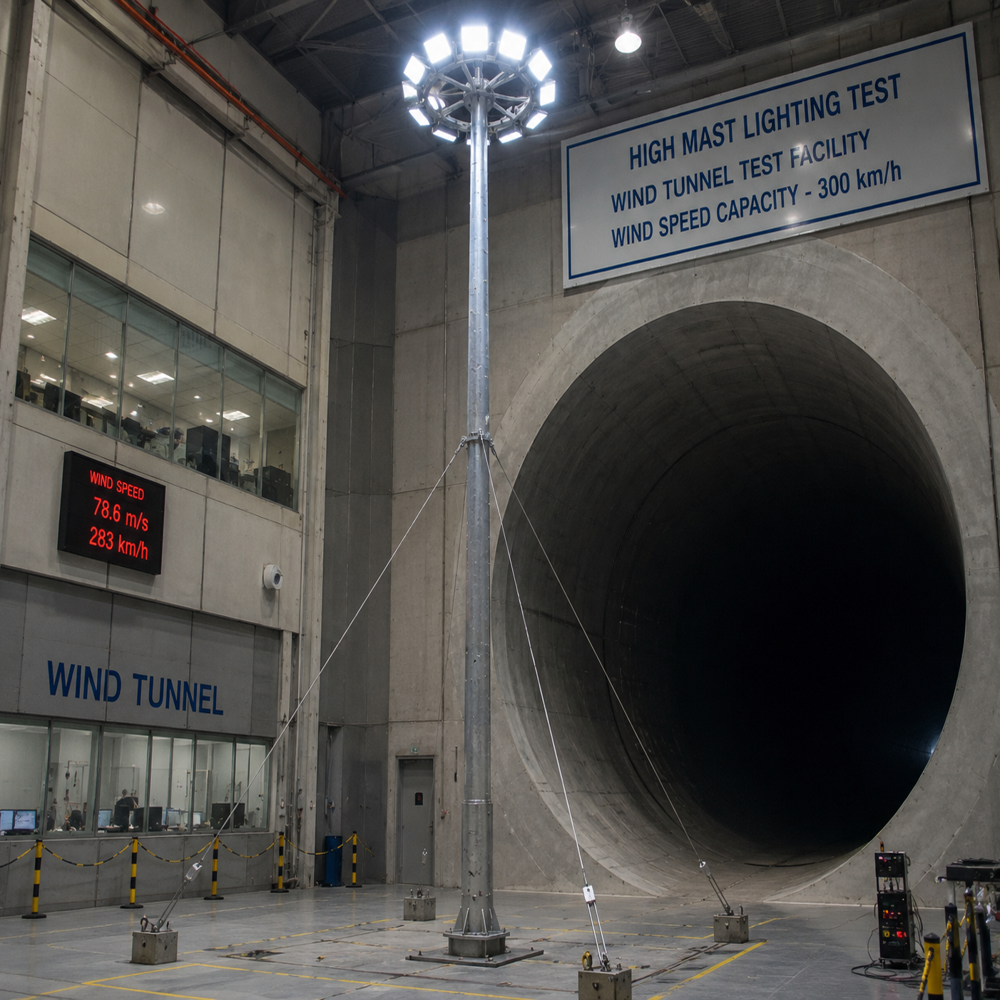
Tell us about your requirement

Price:
Quantity
Select Unit
- 50
- 100
- 200
- 250
- 500
- 1000+
Additional detail
Mobile number
Email

More Products in Wind Testing Category
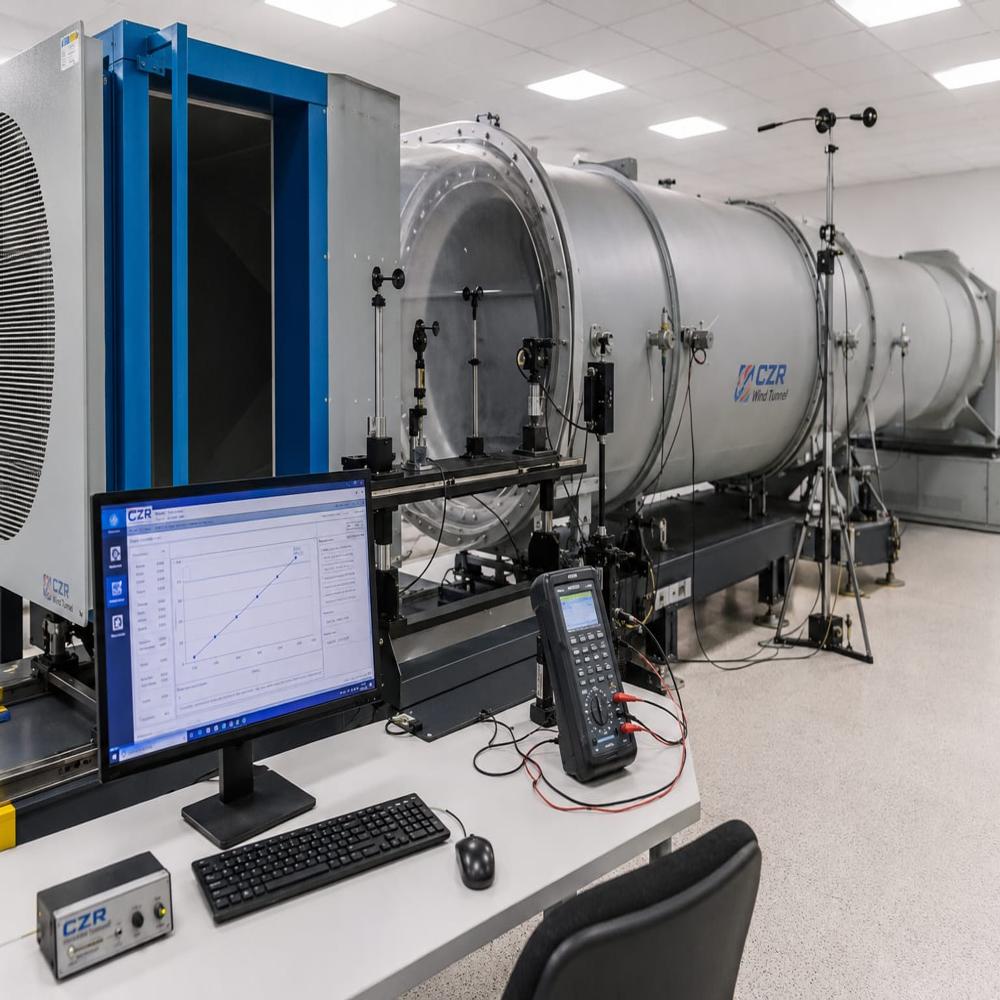
Anemometer Calibration
Price 500000.0 INR / Number
Minimum Order Quantity : 1 Number
Accessories : Calibration Certificate, User Manual, Power Cord
Pressure Output : 0500 Pa
Application : Industrial Anemometer Calibration
Material : Other, Mild Steel
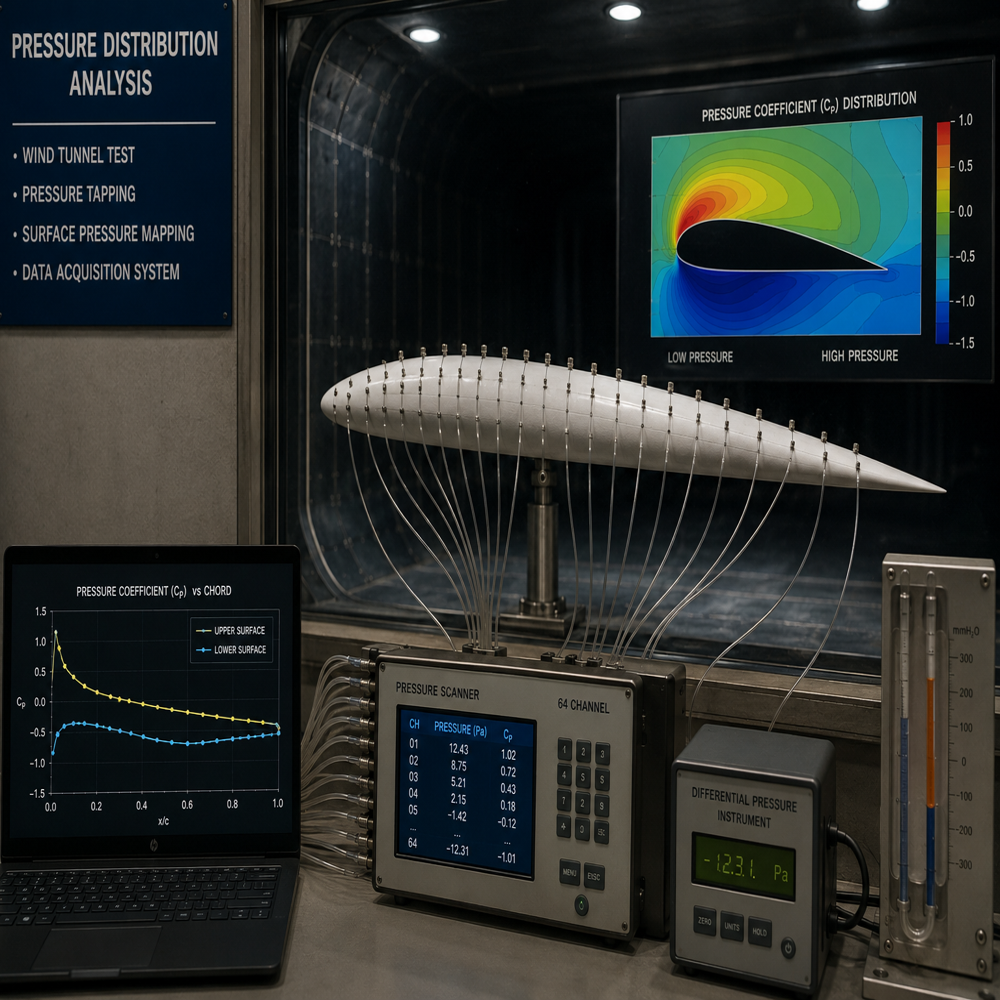
Pressure Distribution
Price 500000.0 INR / Number
Minimum Order Quantity : 1 Number
Accessories : Pressure Gauges, Safety Valves, Piping Fittings
Pressure Output : Up to 350 Bar
Application : Industrial Pressure Distribution Systems
Material : Other, Mild Steel Construction
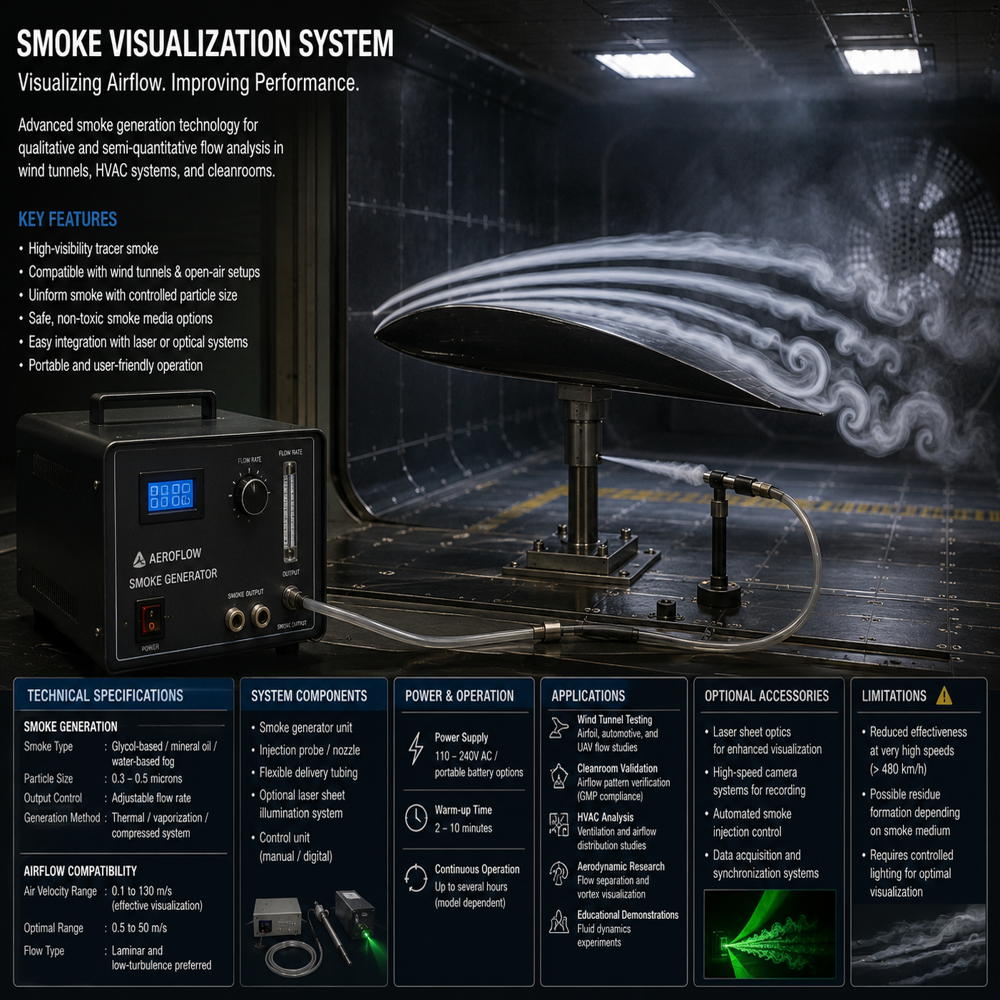
Smoke Visualization
Price 500000.0 INR / Number
Minimum Order Quantity : 1 Number
Accessories : Flexible Dispensing Nozzle, Refill Bottle, Carry Case
Pressure Output : Low Pressure, Adjustable
Application : Airflow visualization, Chemical labs, Safety testing, HVAC, Cleanrooms
Material : Other, Acrylic Body, Stainless Steel Base
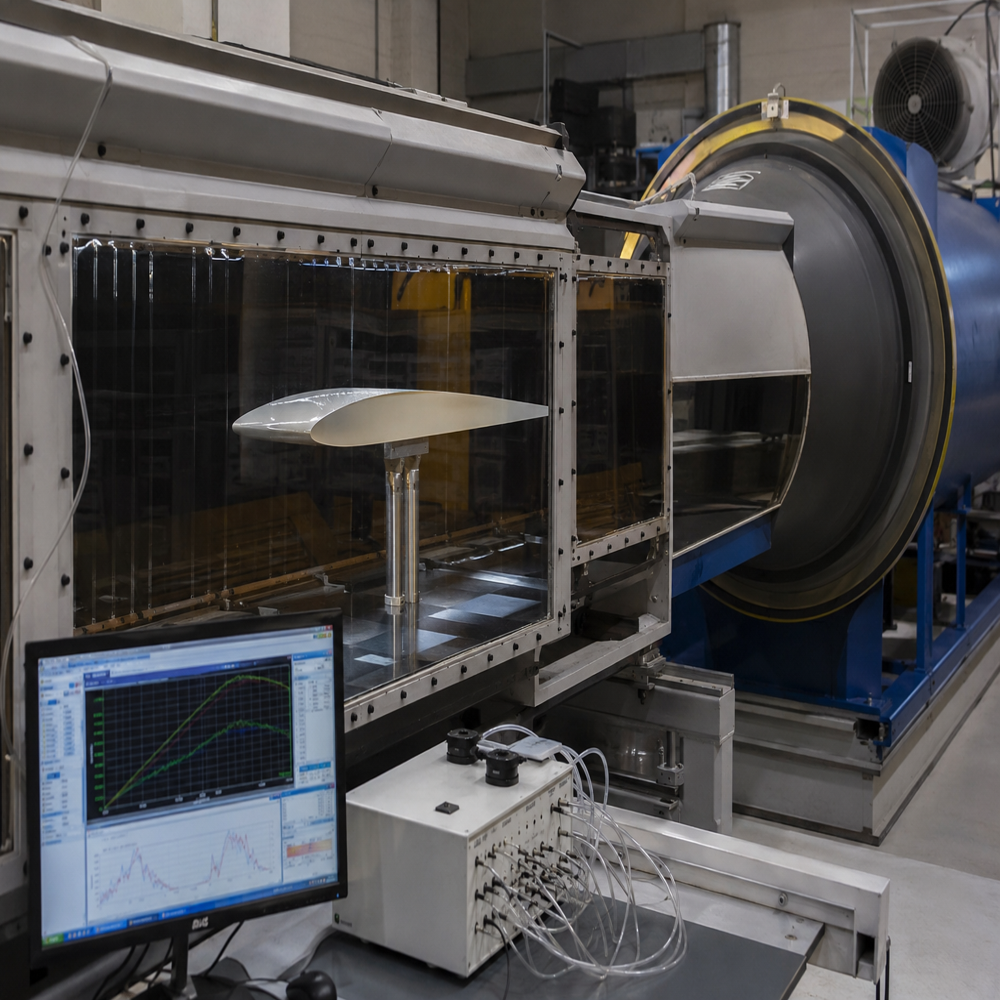
Aerofoil testing
Price 500000.0 INR / Number
Minimum Order Quantity : 1 Number
Accessories : Digital Manometer, Pressure Sensors, Data Logger, Aerofoil Models, Computer Interface
Pressure Output : 0500 Pascals
Application : Aerofoil aerodynamic characteristics analysis, Education, Research and Development, Laboratory Use
Material : Other, Mild Steel, Aluminum, Stainless Steel

 Send Inquiry
Our Products


Plot No - 553, Phase 2 GIDC Vatva, Near Railway Station Vatva,Ahmedabad - 382445, Gujarat, India

Mr Devang Modi
(Director)
Mobile :08045801217
 Send Inquiry
 Send SMS
Developed and Managed by Infocom Network Private Limited.
