
Call us now :08045801217
 Send Inquiry
 Send Inquiry
Pressure Distribution
Price 500000.0 INR/ Number
MOQ : 1 Number
Pressure Distribution Specification
- Equipment Type
- Pressure Distribution Panel
- Material
- Mild Steel Construction
- Processing Type
- Hydraulic Processing
- Condition
- New
- Technology
- Advanced Flow Control
- Dimension (L*W*H)
- 1200 x 800 x 1600 mm
- Power Mode
- Electric
- Voltage
- 380V AC, 3 Phase
- Power Consumption
- 2 kW
- Pressure Output
- Up to 350 Bar
- Application
- Industrial Pressure Distribution Systems
- Coating Type
- Powder Coated Finish
- Accessories
- Pressure Gauges, Safety Valves, Piping Fittings
- Working Speed
- Adjustable
- Protection Grade
- IP54
- Control Panel
- PLC-Based Automation
- Display Type
- Analog and Digital Indicators
- Flow Rate Capacity
- Up to 200 LPM
- Installation Type
- Floor Mounted
- Noise Level
- <70 dB
- Inlet/Outlet Connection Size
- 1/2 inch to 2 inch
- Color
- Blue and White
- Operating Temperature Range
- -10C to 60C
Pressure Distribution About
Overview
Pressure Distribution Analysis evaluates how pressure varies across a surface or within a fluid. It is essential for understanding aerodynamic forces, structural loading, and fluid behavior, enabling engineers to optimize design, safety, and performance.
Fundamental Principles


Where:
 = Pressure
  = Force
  = Area
  = Fluid density
  = Gravitational acceleration
  = Depth
Key Features
- Measurement of static and dynamic pressure distribution
- High-resolution surface pressure mapping
- Compatible with wind tunnels, fluid tanks, and flow systems
- Integration with advanced visualization and data acquisition tools
- Supports both experimental and CFD validation studies
Measurement Techniques
Pressure Tapping & Sensors
- Direct measurement using pressure ports and Digital sensors
- Suitable for wind tunnel and pipe flow experiments
Pressure-Sensitive Paint (PSP)
- Optical technique for full-field surface pressure mapping
- High spatial resolution for aerodynamic testing
Manometers & Differential Gauges
- Simple and reliable measurement of pressure differences
- Ideal for laboratory and educational setups
Key Parameters
- Pressure coefficient distribution
- Static and dynamic pressure variation
- Flow separation and stagnation regions
- Load distribution on surfaces
Typical Observations
- Hydrostatic Pressure: Linear increase with depth in stationary fluids
- Aerodynamic Flow: High pressure at stagnation points, lower pressure in accelerated regions
- Flow Separation: Pressure drop leading to wake formation and increased drag
Technical Specifications (Typical Ranges)
| Parameter | Specification |
| Pressure Range | Pa to MPa (application dependent) |
| Accuracy | 0.25% to 1% FS |
| Measurement Type | Point-based / Full-field |
| Data Output | Pressure plots, |
| Integration | Wind tunnels, CFD systems, experimental rigs |
 curves, contour maps
Applications
- Aerodynamics Drag and lift analysis on airfoils and vehicles
- Fluid Mechanics Pipe flow and hydrostatic studies
- Energy Systems Fuel cell and turbine optimization
- Structural Engineering Load and stress distribution analysis
- Environmental Studies Atmospheric pressure mapping
Benefits
- Accurate force and load estimation
- Improved aerodynamic and structural design
- Enhanced validation of simulation models
- Better understanding of fluid behaviour
Advanced Control and Monitoring
This Pressure Distribution Panel features PLC-based automation with both analog and digital displays, enabling users to monitor pressure levels and adjust working speeds in real-time. Its precise control helps maintain consistent performance across various industrial uses, seamlessly integrating safety and efficiency.
Engineered for Industrial Reliability
Constructed from mild steel with powder coating, the panel withstands industrial environments and offers robust IP54-rated protection against dust and splashes. Its compact, floor-mounted design fits easily into existing setups, while working quietly below 70 dB for minimal disruption.
Flexible Installation and Versatility
With inlet/outlet connection sizes ranging from 1/2 inch to 2 inch and adjustable flow rates up to 200 LPM, the panel suits diverse processes. It's compatible with electric power sources (380V AC, 3-phase), making it ideal for new or upgraded industrial pressure systems.
FAQ's of Pressure Distribution:
Q: How is the Pressure Distribution Panel installed in industrial settings?
A: The panel is designed for floor-mounted installation, featuring standardized dimensions (1200 x 800 x 1600 mm) that allow for hassle-free placement. Inlet and outlet connections range from 1/2 inch to 2 inch, supporting integration with existing industrial piping and hydraulic systems.Q: What applications are suitable for this Pressure Distribution Panel?
A: This equipment is suitable for new or upgraded industrial pressure distribution systems requiring hydraulic processing, flow control, and safety monitoring. Common industries include manufacturing, fluid transport, and process engineering.Q: When should the working speed or flow rate be adjusted?
A: Adjust the working speed or flow rate whenever your process demands change, such as when different materials, system requirements, or production volumes are involved. The system's analog and digital indicators help ensure settings remain optimal and safe.Q: Where can the Pressure Distribution Panel be used considering the operating conditions?
A: With an operating temperature range of -10C to 60C, IP54 protection grade, and mild steel construction, the panel is suitable for a variety of industrial locations, including factories, workshops, and processing plants, both indoors and in semi-sheltered outdoor areas.Q: What are the primary benefits of using this PLC-controlled system?
A: Key benefits include accurate pressure management up to 350 Bar, automated operation via PLC for consistent reliability, reduced manual intervention, and enhanced safety through integrated pressure gauges and valves. Its construction guarantees long-term durability and minimal maintenance.Q: How does the advanced flow control technology contribute to usage?
A: The integrated advanced flow control ensures that pressure distribution remains steady and responsive to system needs, improving overall process efficiency and protecting equipment against pressure surges or drops, crucial for industrial reliability and product quality.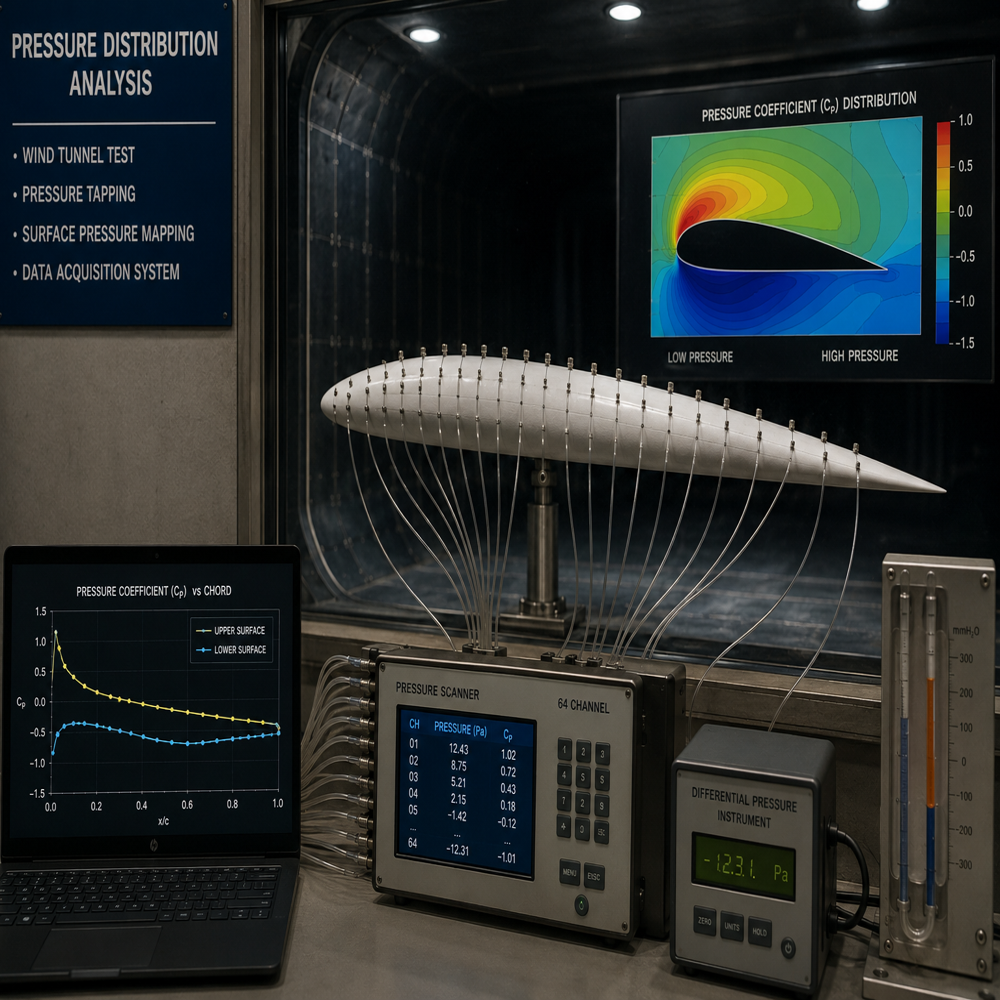
Tell us about your requirement

Price:
Quantity
Select Unit
- 50
- 100
- 200
- 250
- 500
- 1000+
Additional detail
Mobile number
Email

More Products in Wind Testing Category
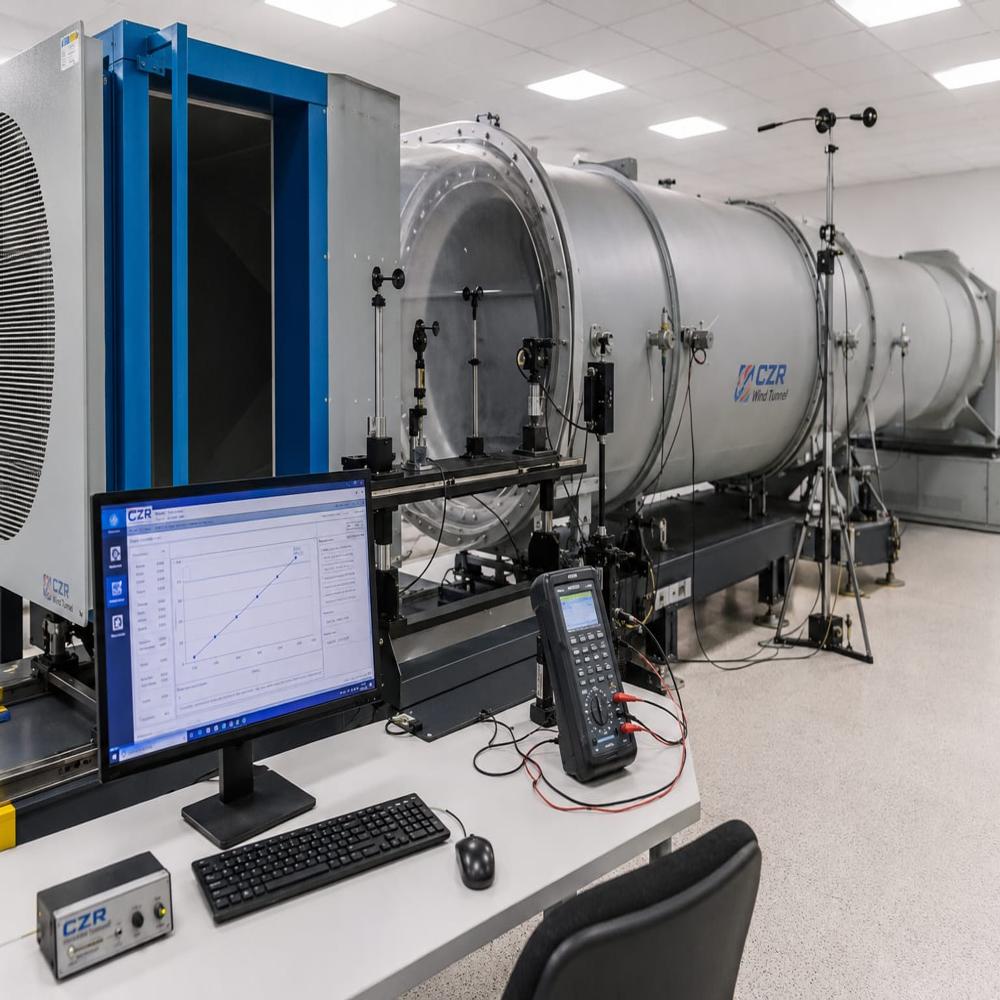
Anemometer Calibration
Price 500000.0 INR / Number
Minimum Order Quantity : 1 Number
Power Mode : Electric
Accessories : Calibration Certificate, User Manual, Power Cord
Material : Other, Mild Steel
Application : Industrial Anemometer Calibration
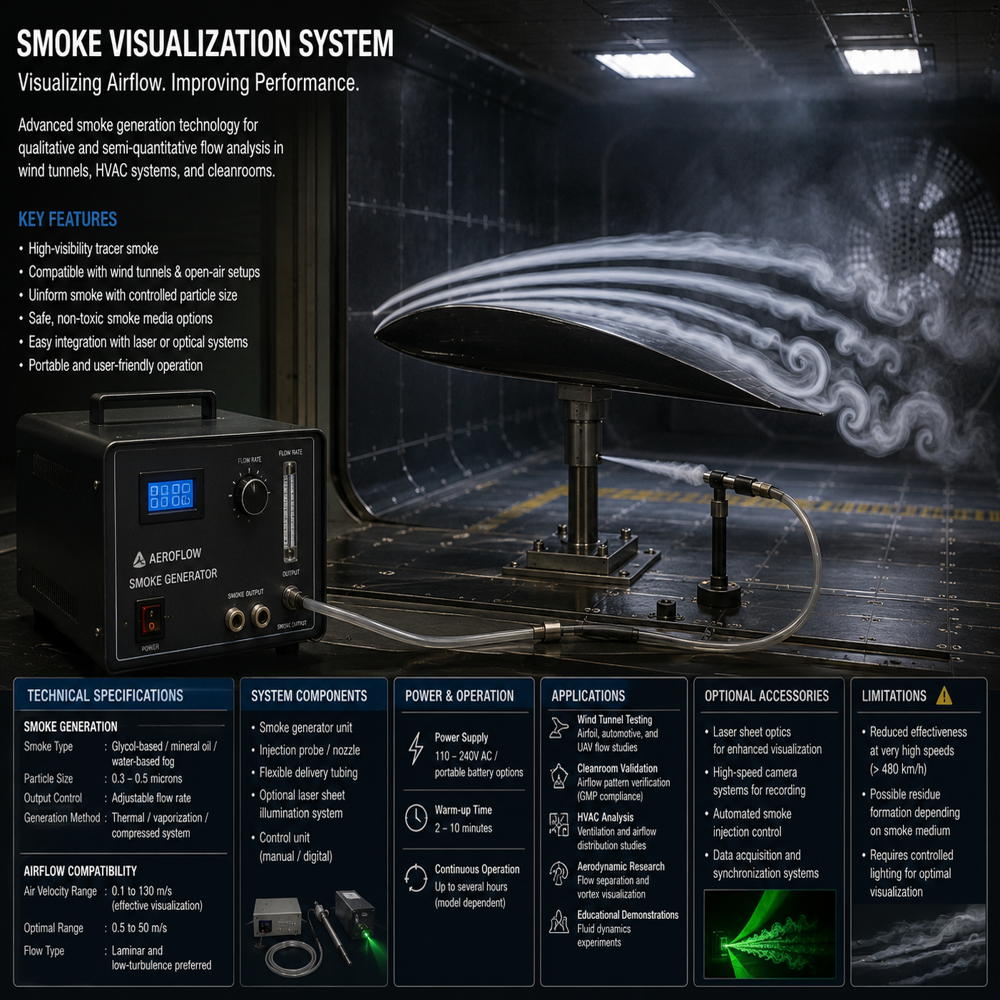
Smoke Visualization
Price 500000.0 INR / Number
Minimum Order Quantity : 1 Number
Power Mode : Electric
Accessories : Flexible Dispensing Nozzle, Refill Bottle, Carry Case
Material : Other, Acrylic Body, Stainless Steel Base
Application : Airflow visualization, Chemical labs, Safety testing, HVAC, Cleanrooms
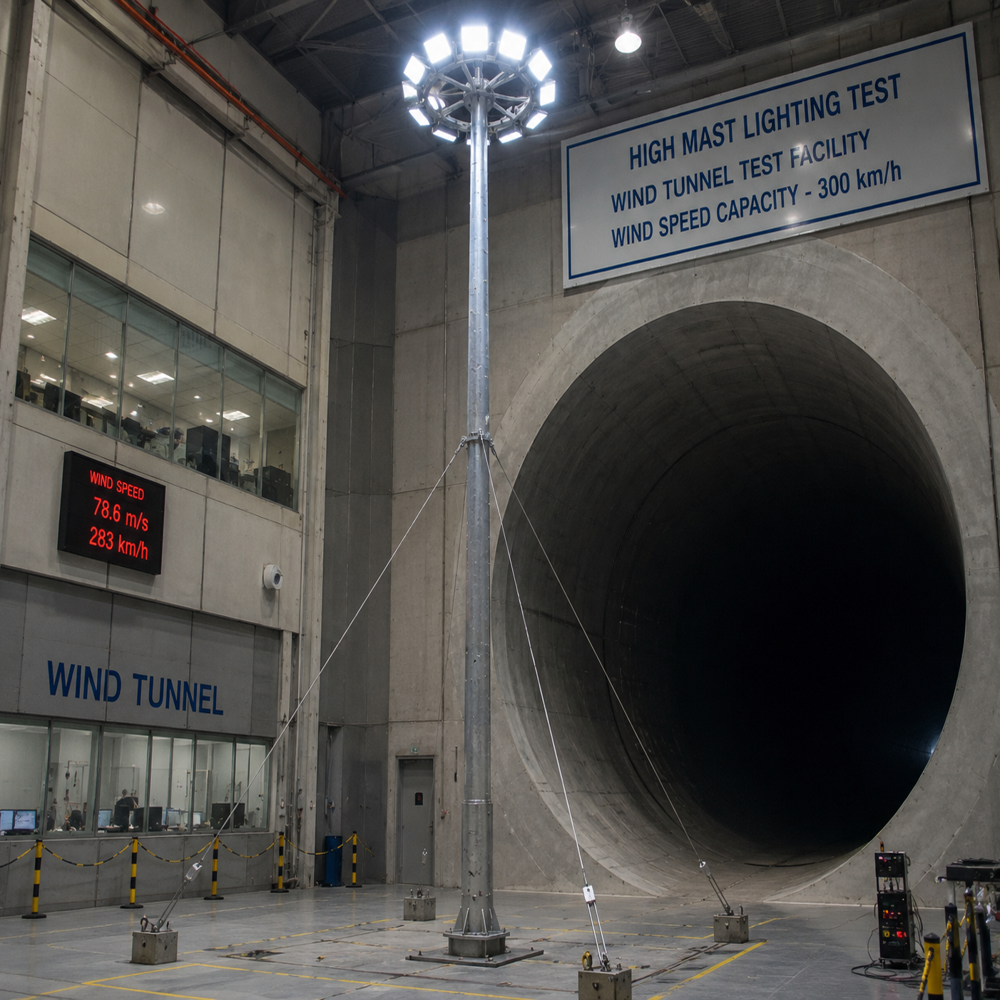
High Mast Testing
Price 500000.0 INR / Unit
Minimum Order Quantity : 1 Unit
Power Mode : Electric
Accessories : Standard Testing Accessories Included
Material : Other, Mild Steel
Application : High Mast Testing for Lighting Poles
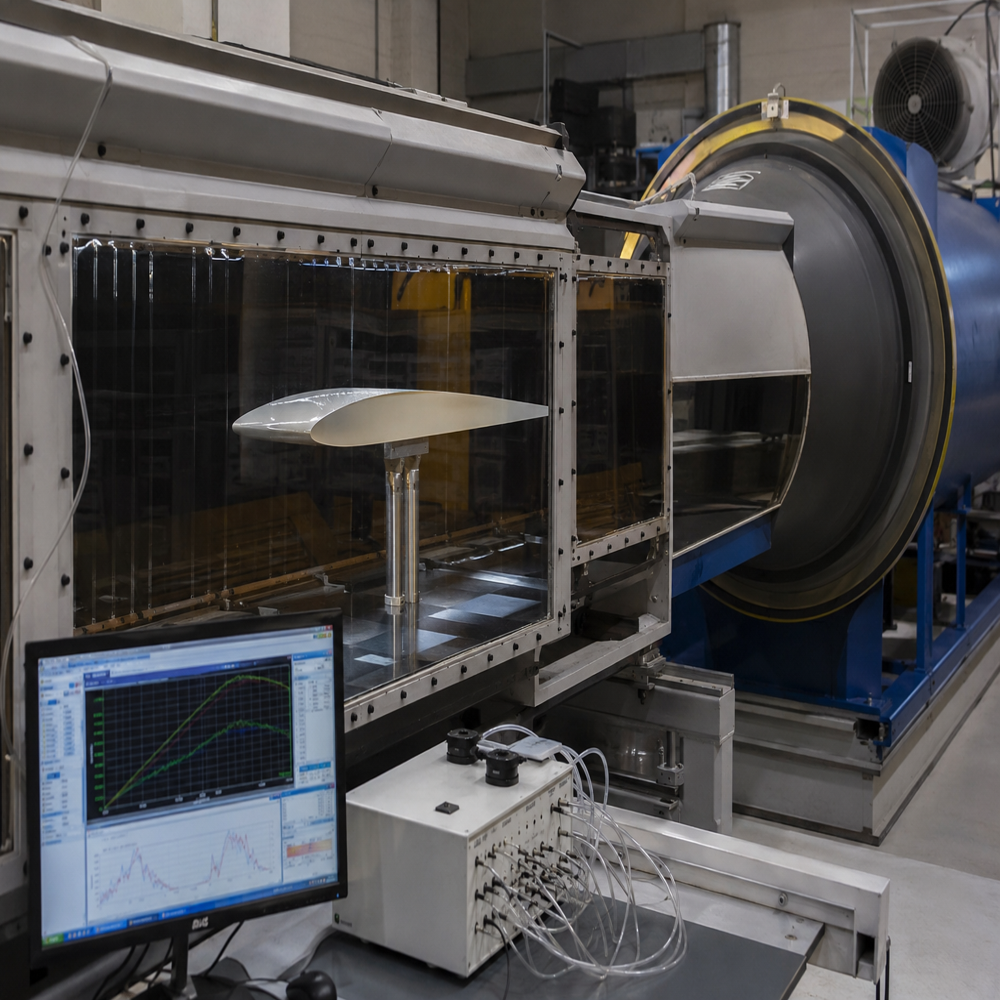
Aerofoil testing
Price 500000.0 INR / Number
Minimum Order Quantity : 1 Number
Power Mode : Electric
Accessories : Digital Manometer, Pressure Sensors, Data Logger, Aerofoil Models, Computer Interface
Material : Other, Mild Steel, Aluminum, Stainless Steel
Application : Aerofoil aerodynamic characteristics analysis, Education, Research and Development, Laboratory Use

 Send Inquiry
Our Products


Plot No - 553, Phase 2 GIDC Vatva, Near Railway Station Vatva,Ahmedabad - 382445, Gujarat, India

Mr Devang Modi
(Director)
Mobile :08045801217
 Send Inquiry
 Send SMS
Developed and Managed by Infocom Network Private Limited.
