
Call us now :08045801217
 Send Inquiry
 Send Inquiry
Drag Force Testing
Price 500000.0 INR/ Set
MOQ : 1 Set
Drag Force Testing Specification
- Material
- Stainless Steel
- Processing Type
- Automatic
- Condition
- New
- Technology
- Advanced Strain Gauge Sensor Technology
- Dimension (L*W*H)
- 600 x 400 x 800 mm
- Power Mode
- Electric
- Voltage
- 220-240 V AC
- Power Consumption
- 150 W
- Pressure Output
- 0-50 kN
- Application
- Industrial Drag Force Measurement
- Coating Type
- Corrosion Resistant Coating
- Accessories
- Standard Test Fixtures, Display Unit, Power Cable, User Manual
- Operating Temperature
- 0C to 50C
- Control Interface
- Touch Panel
- Accuracy
- 0.5% of Full Scale
- Safety Features
- Emergency Stop, Overload Protection
- Weight
- Approx. 80 kg
- Resolution
- 0.1 N
- Equipment Type
- Drag Force Testing Apparatus
- Compliance Standard
- ISO 7500-1, ASTM E4
- Working Speed
- Variable, up to 200 mm/min
- Mounting Type
- Free Standing
- Data Output Method
- USB, RS232
- Display Type
- Digital LCD Display
- Test Range
- 0-5000 N
Drag Force Testing About
Overview
Drag force testing measures the resistance force acting opposite to an objects motion through a fluid (air or water). It is widely used in aerodynamic analysis, product design, and research to evaluate and minimize drag, improving efficiency and performance.
Fundamental Principle

Where:
 = Drag Force
  = Fluid density
  = Flow velocity
  = Drag coefficient
  = Reference area
Key Features
- Accurate measurement of drag forces using balance systems or load cells
- Compatible with wind tunnel and water channel testing
- Supports testing across various geometries (cylinders, spheres, airfoils)
- High sensitivity for low- and high-speed flow conditions
- Integration with data acquisition and analysis systems
Testing Methods
Wind Tunnel Testing
- Models mounted on force balances or strain gauge systems
- Controlled airflow to simulate real operating conditions
- Measurement of drag, lift, and moment coefficients
Balance & Load Cell Measurement
- Converts mechanical force into electrical signals
- High precision for steady and transient force measurements
Terminal Velocity Method
- Determines drag by analysing falling object behaviour in fluid
Technical Specifications (Typical Ranges)
| Parameter | Specification |
| Velocity Range | 1 m/s to >100 m/s (application-dependent) |
| Drag Force Range | mN to kN (depending on model size) |
| Measurement Accuracy | 0.5% to 1% FS |
| Test Media | Air / Water |
| Data Acquisition | Computer-integrated systems |
Key Parameters Analysed
- Drag coefficient ( )
- Reynolds number (
 )
) - Flow separation and wake formation
- Surface roughness effects
- Velocity and pressure distribution
Applications
- Automotive Drag reduction and fuel efficiency
- Aerospace Airfoil and aircraft performance
- Marine Engineering Hull resistance analysis
- Sports Engineering Equipment optimization
- Academic Research Fluid mechanics experiments
Benefits
- Improved aerodynamic efficiency
- Reduced energy consumption
- Enhanced product performance
- Reliable validation of CFD simulations
Advanced Drag Force Measurement Technology
Built with leading-edge strain gauge sensors and automatic processing, the Drag Force Testing Apparatus guarantees meticulous, repeatable results across a wide test range. The instrument's stainless steel body and corrosion-resistant coating ensure long-term durability, even in demanding industrial contexts. The digital LCD display, complemented by intuitive touch panel controls, enhances the operator experience and streamlines test procedures.
User-Friendly Operation and Data Management
The apparatus provides easy operation through its digital touch interface, accommodating variable speeds. Users can conveniently monitor and record data via the digital LCD, with effortless data export through USB or RS232 outputs. Safety features such as emergency stop and overload protection contribute to a secure testing process. Compliance with recognized standards further supports reliable and comparable measurements.
FAQ's of Drag Force Testing:
Q: How does the Drag Force Testing Apparatus ensure accuracy in measurements?
A: Accuracy is maintained through advanced strain gauge sensor technology, delivering precision up to 0.5% of the full-scale range and a resolution of 0.1 N. The apparatus also complies with ISO 7500-1 and ASTM E4 standards, ensuring reliable and standardized results, while automatic processing minimizes human error during tests.Q: What are the primary applications for this drag force tester?
A: The apparatus is designed for industrial drag force measurement and can be used in quality control, materials testing, and research environments where precise force assessment is critical. Its variable speed settings, robust range, and compliance with international standards make it suitable for both R&D and production environments.Q: When should I use the emergency stop and overload protection features?
A: Emergency stop should be activated immediately if any hazard or unexpected event occurs during operation to prevent accidents. Overload protection automatically engages when a force exceeding the test range (0-5000 N) is detected, safeguarding both the user and the instrument from potential damage.Q: Where can data collected during tests be accessed or exported?
A: Test data can be viewed instantly on the digital LCD display. For further analysis or record keeping, data is easily exported via the USB or RS232 interface, allowing for seamless integration with computers and data management systems.Q: What is the process for setting up and using the Drag Force Testing Apparatus?
A: Simply mount the apparatus on a stable, flat surface (free-standing), connect it to a 220-240 V AC power source, and use the touch panel to configure test parameters. Install the appropriate test fixture, follow the user manual for sample placement, and initiate the test. Results are displayed digitally and can be exported as needed.Q: How does this apparatus benefit industrial testing environments?
A: This tester enhances productivity and quality assurance through reliable, accurate measurements, user-friendly controls, robust safety, and automatic operation. Corrosion-resistant construction and compliance with international standards ensure lasting performance and broad applicability, significantly supporting both routine testing and specialized research.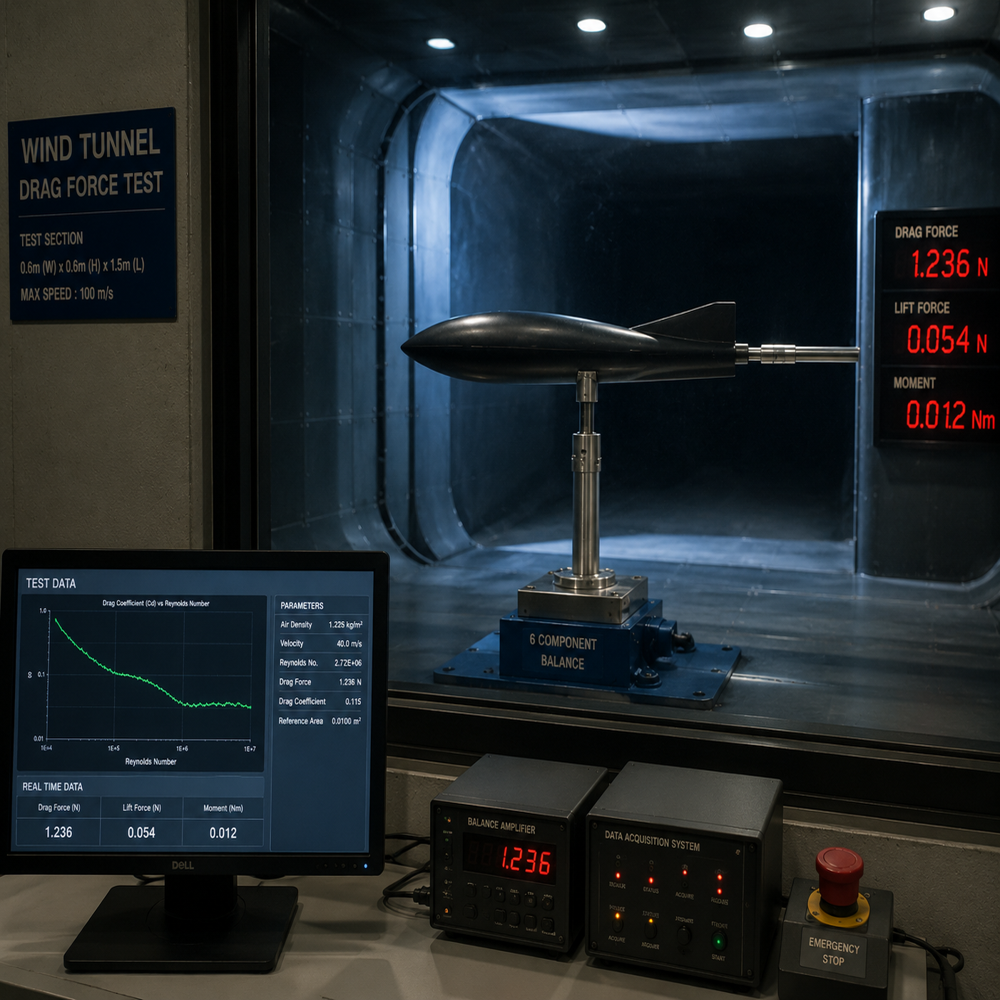
Tell us about your requirement

Price:
Quantity
Select Unit
- 50
- 100
- 200
- 250
- 500
- 1000+
Additional detail
Mobile number
Email

More Products in Wind Testing Category
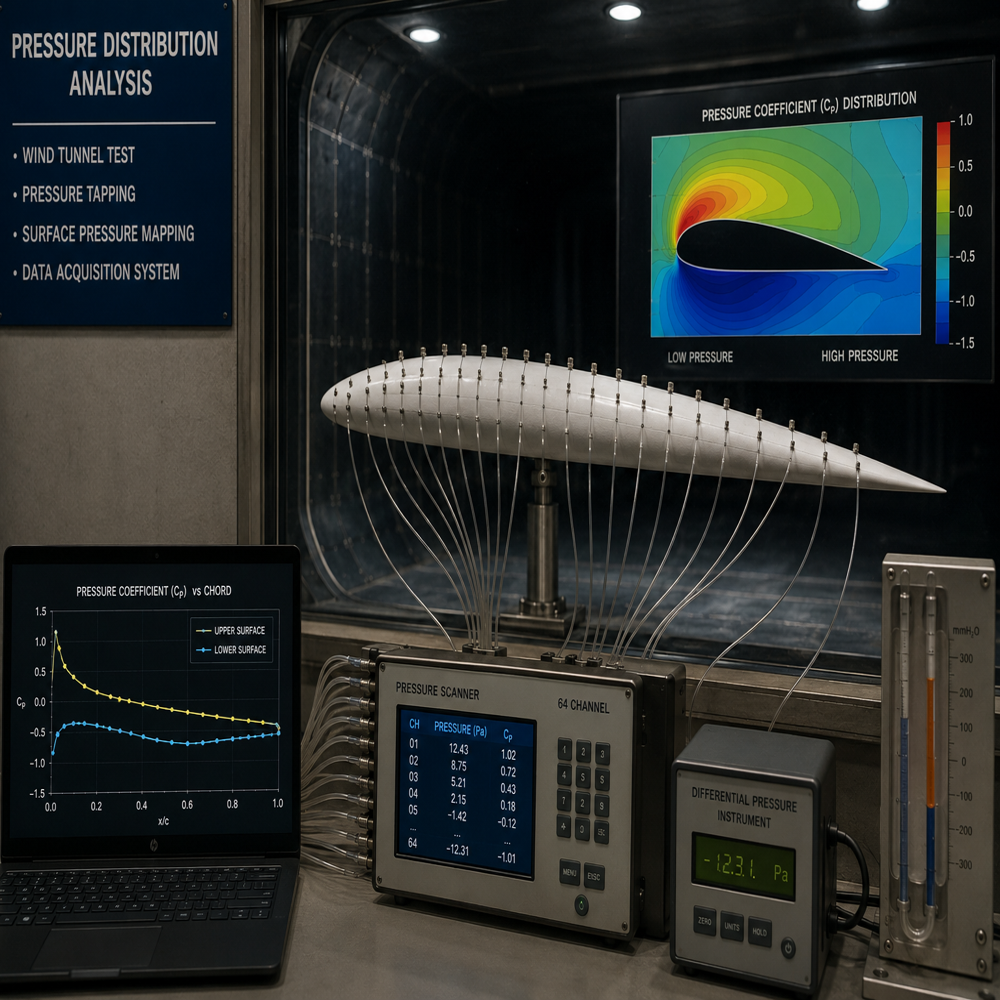
Pressure Distribution
Price 500000.0 INR / Number
Minimum Order Quantity : 1 Number
Voltage : 380V AC, 3 Phase
Pressure Output : Up to 350 Bar
Coating Type : Powder Coated Finish
Material : Other, Mild Steel Construction
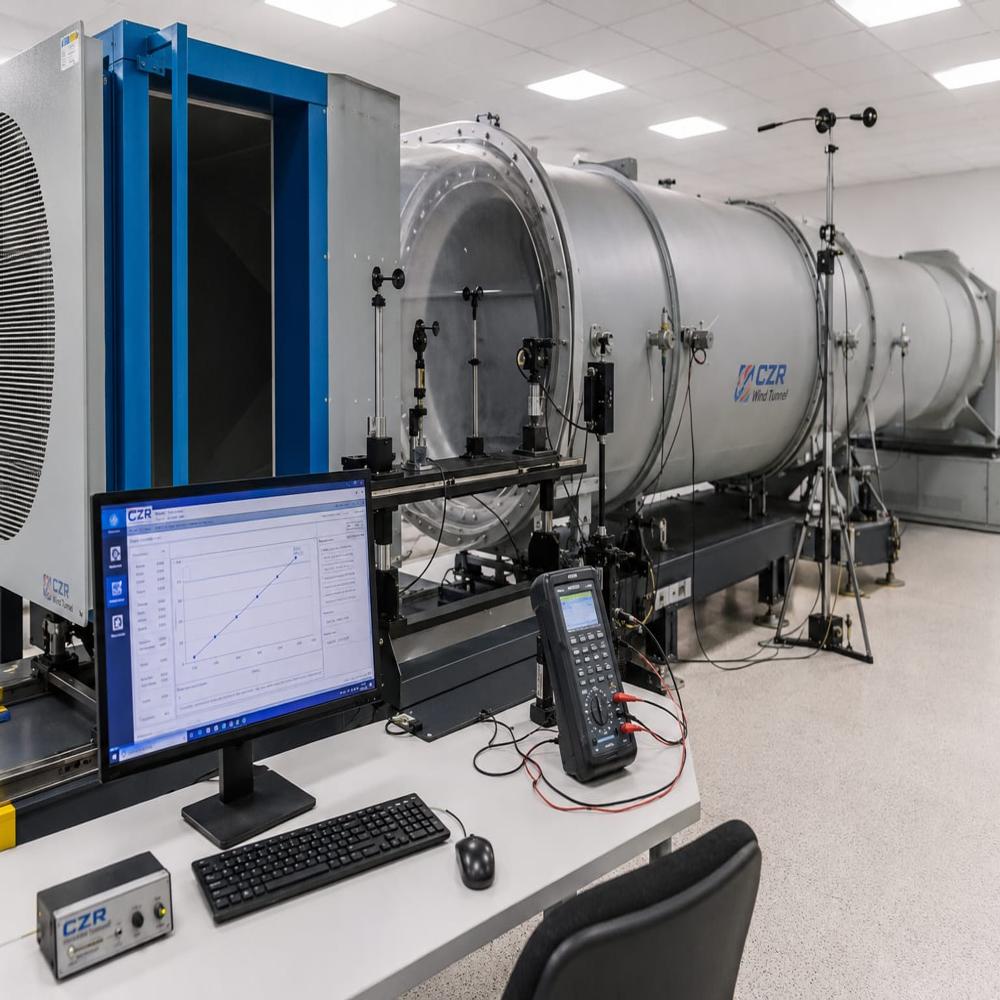
Anemometer Calibration
Price 500000.0 INR / Number
Minimum Order Quantity : 1 Number
Voltage : 220240 V AC
Pressure Output : 0500 Pa
Coating Type : Powder Coated
Material : Other, Mild Steel
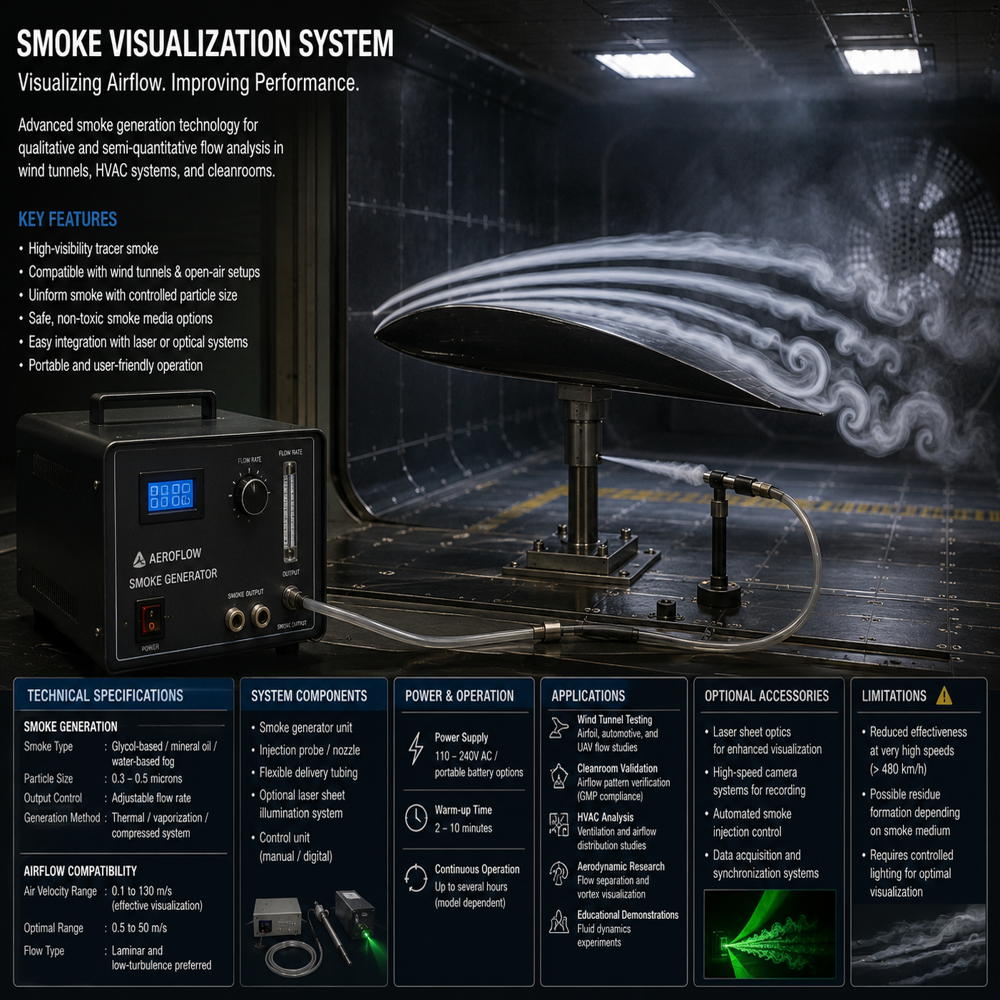
Smoke Visualization
Price 500000.0 INR / Number
Minimum Order Quantity : 1 Number
Voltage : 220 V AC
Pressure Output : Low Pressure, Adjustable
Coating Type : Powder Coated Base
Material : Other, Acrylic Body, Stainless Steel Base
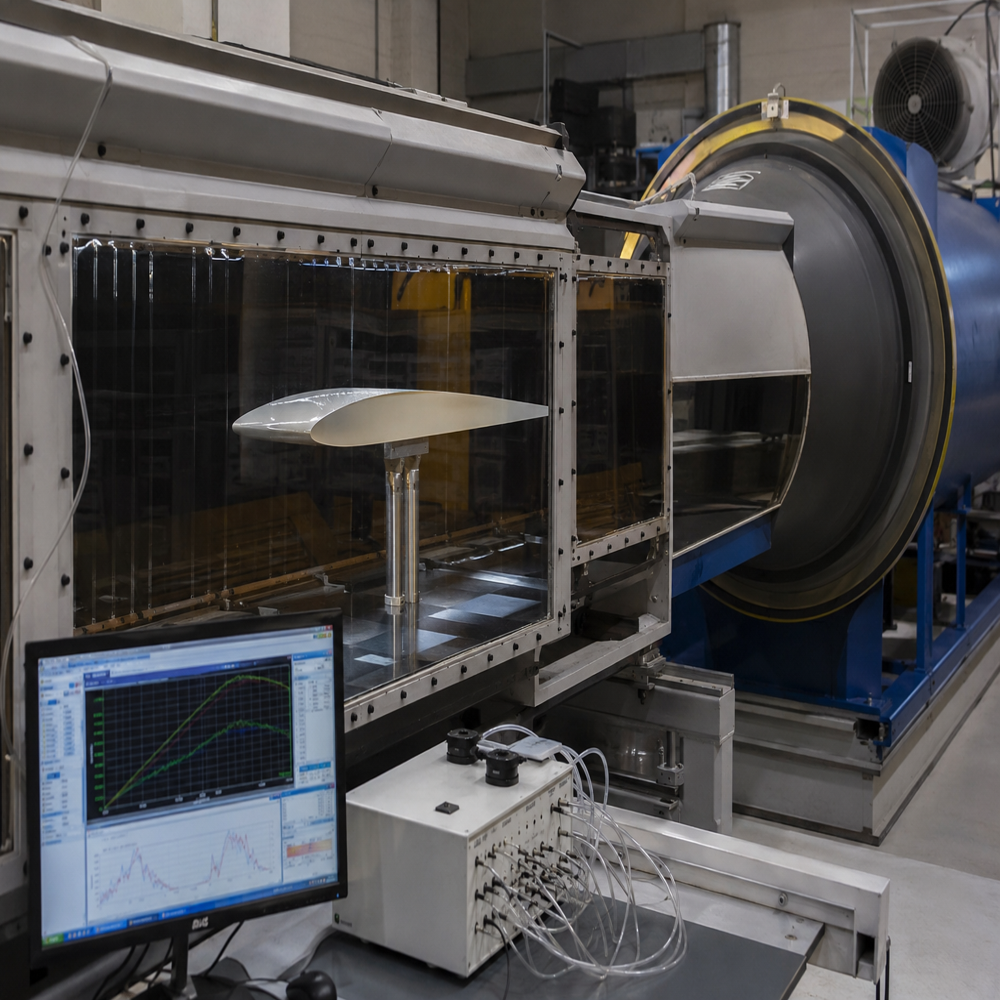
Aerofoil testing
Price 500000.0 INR / Number
Minimum Order Quantity : 1 Number
Voltage : 220240V AC
Pressure Output : 0500 Pascals
Coating Type : Powder Coated
Material : Other, Mild Steel, Aluminum, Stainless Steel

 Send Inquiry
Our Products


Plot No - 553, Phase 2 GIDC Vatva, Near Railway Station Vatva,Ahmedabad - 382445, Gujarat, India

Mr Devang Modi
(Director)
Mobile :08045801217
 Send Inquiry
 Send SMS
Developed and Managed by Infocom Network Private Limited.
