
Call us now :08045801217
 Send Inquiry
 Send Inquiry
Calibration Wind Tunnel
Price 500000.0 INR/ Unit
MOQ : 1 Unit
Calibration Wind Tunnel Specification
- Equipment Type
- Calibration Wind Tunnel
- Material
- Mild Steel
- Processing Type
- Precision Airflow Calibration
- Condition
- New
- Technology
- Aerodynamic Wind Tunnel
- Dimension (L*W*H)
- 2200 x 900 x 1250 mm
- Power Mode
- Electric
- Voltage
- 220-240 V, 50 Hz
- Power Consumption
- 3 kW
- Pressure Output
- Up to 1500 Pa
- Application
- Calibration of air velocity sensors, anemometers, and laboratory airflow testing
- Coating Type
- Powder Coated
- Accessories
- Digital Control Panel, Airflow Straighteners, Test Section Fixtures
- Fan Type
- Variable-Speed Axial Fan
- Display Type
- Digital LCD Display
- Noise Level
- < 70 dB(A)
- Calibration Accuracy
- 1% of reading
- Working Speed
- 0.2 to 40 m/s adjustable
- Airflow Direction
- Horizontal
- Body Finish
- Corrosion Resistant
- Control System
- PID Electronic Controller
- Operating Temperature Range
- 10C - 40C
- Test Section Size
- 300 x 300 mm (Standard)
- Mounting Type
- Floor Mounted
Calibration Wind Tunnel About
A series of ultra-accurate wind tunnels engineered specifically for the calibration of anemometers and wind vanes, delivering industry-leading precision and repeatability for both research and certification purposes.
Facility Overview
- Type: Calibration Wind Tunnels (Multiple Units)
- Design: Gttingen-type (closed-circuit)
- Primary Application: Calibration and certification of wind measurement sensors
- Configuration: Supports both open and closed test sections
General Specifications
- Total Tunnel Length: ~38 m
- Test Section Dimensions (W H L): 1.0 1.0 1.8 m
- Flow Type: Closed-loop, highly controlled airflow
- Measurement Environment: Optimized for high-precision sensor calibration
Aerodynamic Performance
- Flow Quality: Extremely low turbulence and high uniformity
- Velocity Control: Fine resolution for calibration-grade measurements
- Repeatability: High consistency across multiple test runs and facilities
Calibration Capabilities
- Anemometer calibration (cup, ultrasonic, propeller types)
- Wind vane direction calibration
- Sensor classification and certification testing
- Comparative performance benchmarking
- High-accuracy reference measurements
Available Facilities
- Calibration Wind Tunnel 1
- Calibration Wind Tunnel 2 (PTB-aligned reference system)
- Calibration Wind Tunnel 3
- Calibration Wind Tunnel 4
(Multiple tunnels enable parallel testing, redundancy, and cross-validation of results.)
Key Features
- Among the highest accuracy calibration facilities worldwide
- Closed-circuit Gttingen design for superior flow stability
- Flexible test configurations (open/closed sections)
- Ideal for traceable and standards-compliant measurements
- Scalable testing capacity across multiple tunnels
High-Performance Airflow Calibration
This calibration wind tunnel enables precise airflow measurements with variable speeds from 0.2 to 40 m/s. The PID electronic control system ensures readings are consistently accurate, with calibration error maintained within 1%. Its ergonomic design and digital LCD display simplify usage for both experienced technicians and laboratory personnel.
Advanced Technology and Durable Design
Built from corrosion-resistant powder-coated mild steel, this wind tunnel boasts a robust structure suitable for continuous operation in demanding laboratory environments. The aerodynamic technology, combined with effective airflow straighteners and fixtures, ensures even, horizontal airflow for precise calibration outcomes every time.
Versatile Applications in Research and Testing
Ideal for calibration of air velocity sensors, anemometers, and various laboratory airflow tests, this equipment adapts to a broad range of scientific and industrial applications. The digital control panel and precise airflow management facilitate efficient calibration cycles, enhancing the accuracy and reliability of your measurement devices.
FAQ's of Calibration Wind Tunnel:
Q: How do I operate the Calibration Wind Tunnel for sensor calibration?
A: Begin by placing the sensor or anemometer in the test section using the provided fixtures. Use the digital control panel to select your desired airflow speed between 0.2 and 40 m/s. Monitor readings on the LCD display, and the PID electronic controller will ensure highly accurate and stable airflow for calibration.Q: What types of devices can be calibrated using this wind tunnel?
A: This equipment is suitable for calibrating air velocity sensors, anemometers, and for general airflow measurement and testing in laboratories and industrial settings.Q: When is it recommended to perform calibrations with this wind tunnel?
A: Calibration should be performed when new sensors are deployed, after repair or maintenance, or at regular intervals defined by your quality assurance protocols to ensure measurement accuracy in critical processes.Q: Where should the wind tunnel be installed for optimum performance?
A: This wind tunnel is designed for floor mounting in indoor laboratory environments with stable temperatures between 10C and 40C and a 220-240 V power supply. Ensure there is adequate space around the unit (2200 x 900 x 1250 mm) for easy operation and maintenance.Q: What is the process for adjusting airflow and monitoring test conditions?
A: Airflow is adjusted via the digital control panel, which interfaces with the variable-speed axial fan. The built-in PID electronic controller maintains precise setpoint speeds, and the LCD display provides real-time data on speed and pressure, ensuring effective monitoring throughout the calibration cycle.Q: How does this wind tunnel benefit my laboratory operations?
A: It delivers reliable and consistent calibration with an accuracy of 1% of reading, reduces noise exposure (<70 dB(A)), provides a professional-grade testing environment, and extends the service life of airflow measurement devices by maintaining peak calibration standards.Q: What accessories are included to enhance testing and calibration?
A: The wind tunnel comes equipped with a digital control panel for ease of use, airflow straighteners for uniform airflow, and test section fixtures to securely position devices during calibration.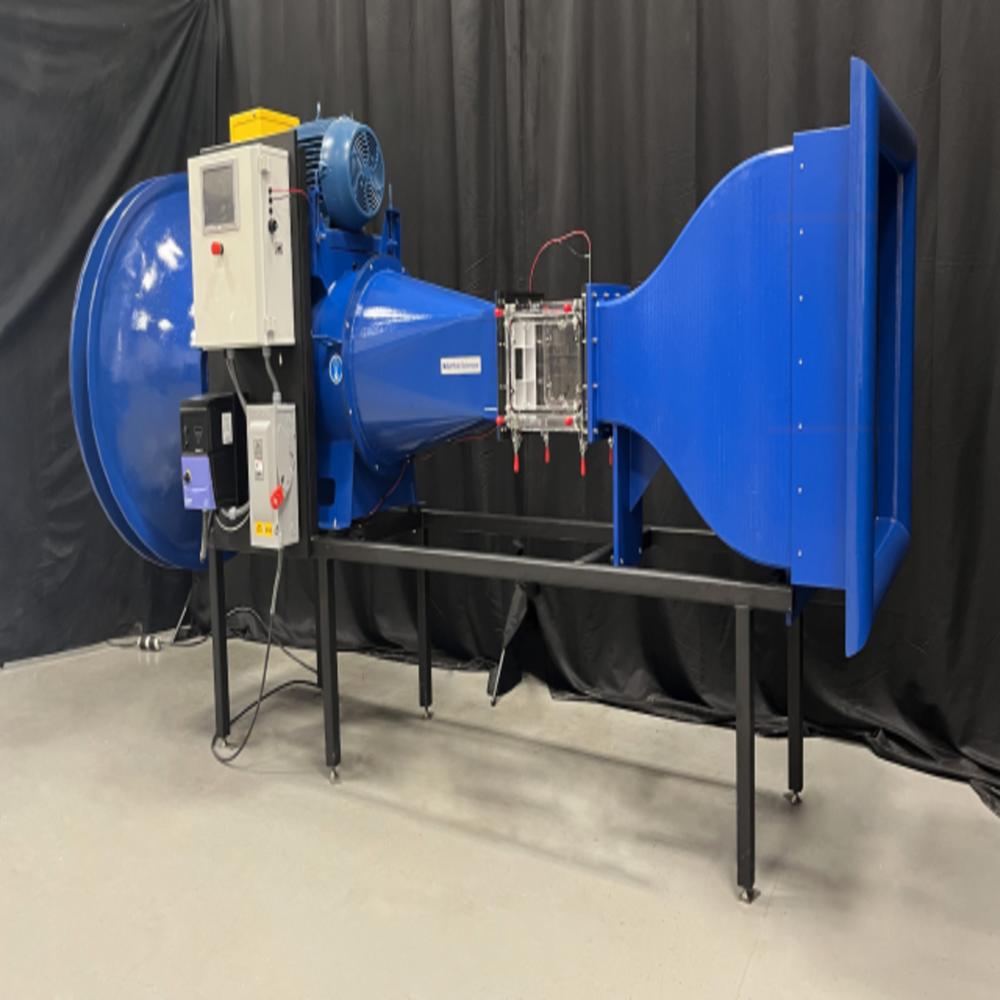
Tell us about your requirement

Price:
Quantity
Select Unit
- 50
- 100
- 200
- 250
- 500
- 1000+
Additional detail
Mobile number
Email

More Products in Speciality Wind Tunnels Category
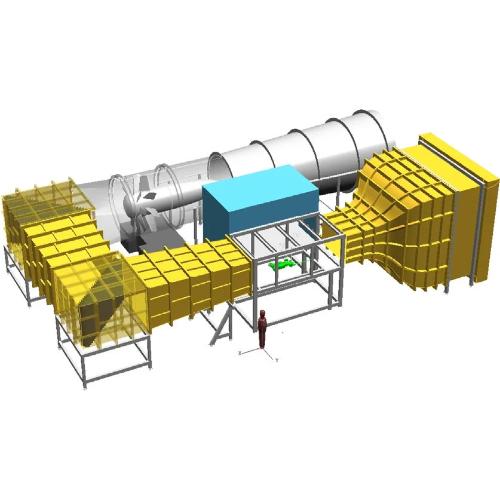
Large Wind Tunnel
Price 500000.0 INR / Unit
Minimum Order Quantity : 1 Unit
Power Consumption : 50 kW (maximum)
Coating Type : Corrosion Resistant Paint
Processing Type : Other, Dynamic Airflow Testing
Accessories : Data Acquisition System, Display Console, Control Software, Test Section Fixtures
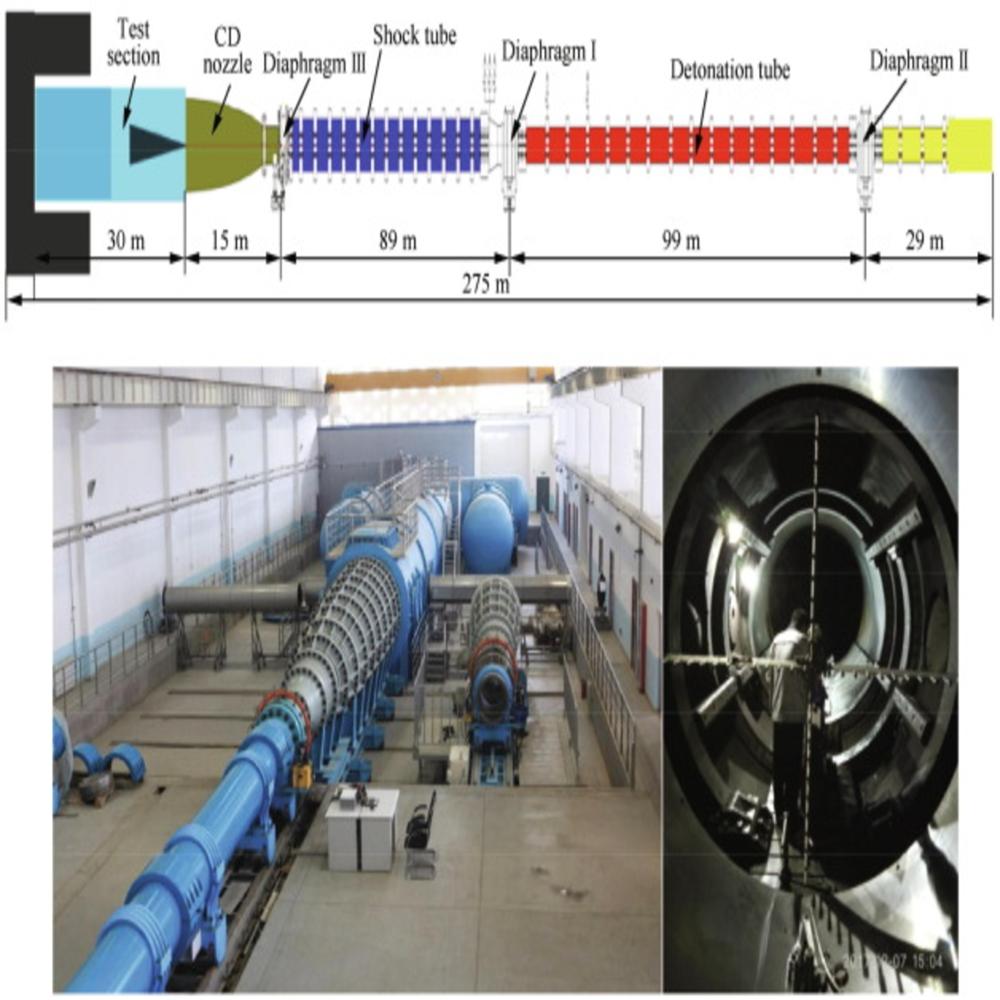
Hypersonic High Enthalpy Wind Tunnel
Price 500000.0 INR / Unit
Minimum Order Quantity : 1 Unit
Power Consumption : 120 kW 500 kW
Coating Type : Temperature Resistant Ceramic Coating
Processing Type : Other, Thermal and Fluidic Simulation
Accessories : Control Console, Vacuum System, Nozzle Sets, Data Acquisition Modules
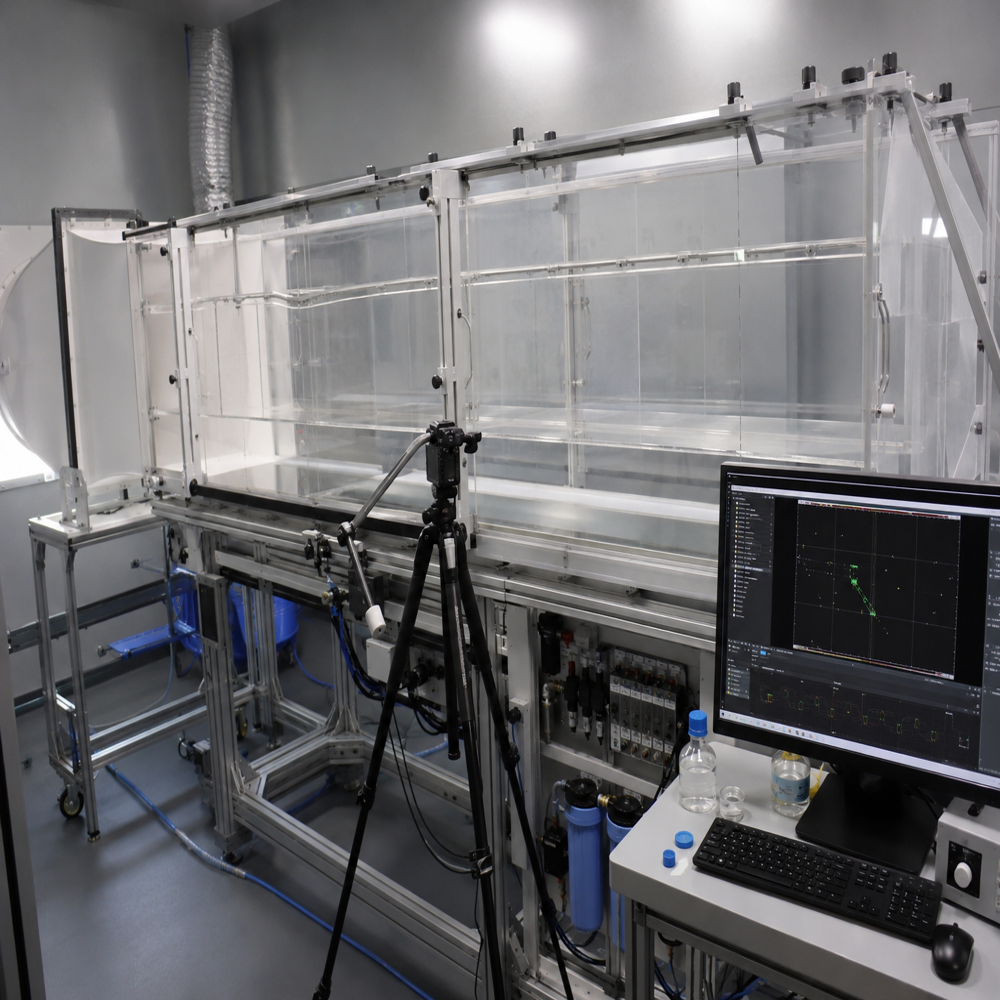
Bio-Assyl Wind Tunnel
Price 500000.0 INR / Unit
Minimum Order Quantity : 1 Unit
Power Consumption : Approximately 250 W
Coating Type : Powder Coated
Processing Type : Other, Precision Machined
Accessories : HEPA Filter, Control Panel, Mounting Stand
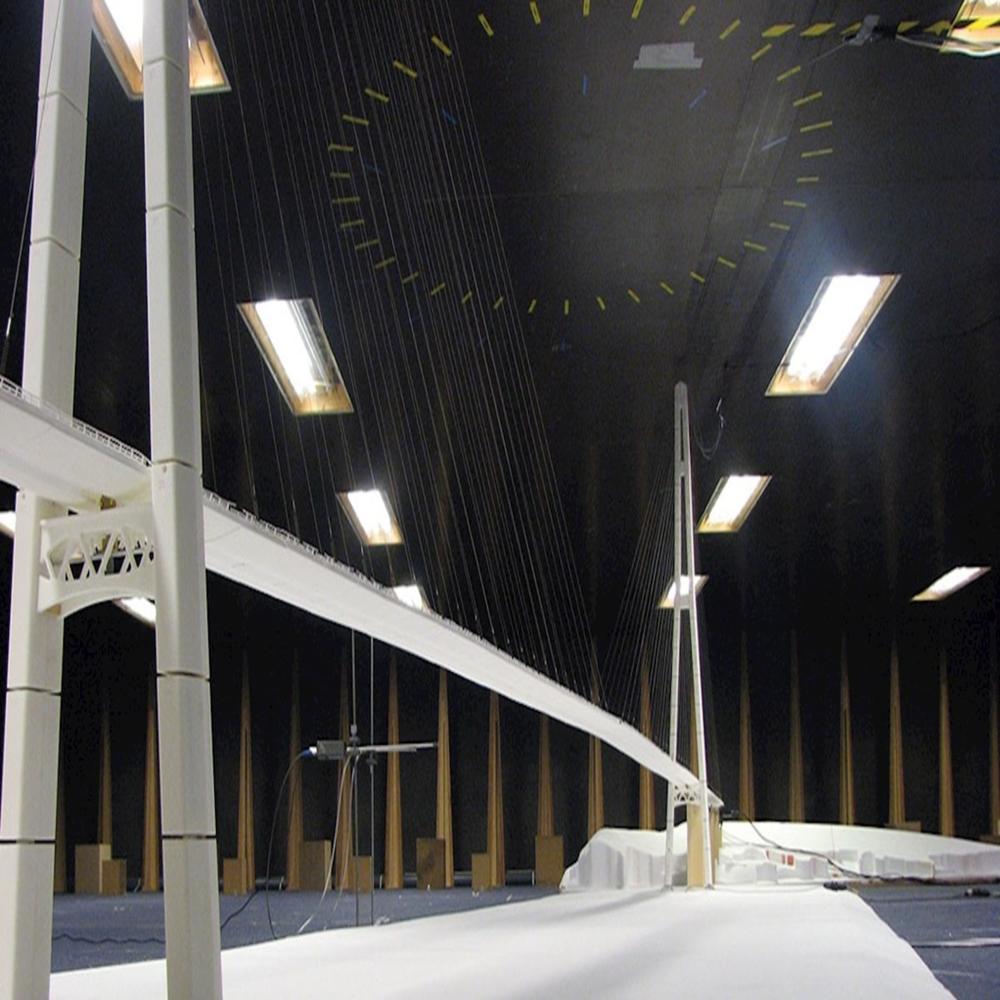
Wide Boundry Layer Wind Tunnel
Minimum Order Quantity : 1 Unit
Power Consumption : 1.5 kW
Coating Type : Powder Coated
Processing Type : Other, Mechanical
Accessories : Manometers, Pitot Tube, Hotwire Anemometer (optional), Test Objects, Control Panel

 Send Inquiry
Our Products


Plot No - 553, Phase 2 GIDC Vatva, Near Railway Station Vatva,Ahmedabad - 382445, Gujarat, India

Mr Devang Modi
(Director)
Mobile :08045801217
 Send Inquiry
 Send SMS
Developed and Managed by Infocom Network Private Limited.
