
Call us now :08045801217
 Send Inquiry
 Send Inquiry
Bio-Assyl Wind Tunnel
Price 500000.0 INR/ Unit
MOQ : 1 Unit
Bio-Assyl Wind Tunnel Specification
- Equipment Type
- Bio-Assyl Wind Tunnel
- Material
- Stainless Steel, Polycarbonate
- Processing Type
- Precision Machined
- Condition
- New
- Technology
- Aerodynamic Flow Control
- Dimension (L*W*H)
- 1800 mm x 700 mm x 700 mm
- Power Mode
- Electric
- Voltage
- 220-240V AC
- Power Consumption
- Approximately 250 W
- Pressure Output
- Consistent, Adjustable Airflow
- Application
- Laboratory Insect Behavioural Experiments
- Coating Type
- Powder Coated
- Accessories
- HEPA Filter, Control Panel, Mounting Stand
- Observation Chamber
- Transparent Polycarbonate
- Control Interface
- Digital Touchscreen
- Flow Uniformity
- >90%
- Insect Entry Port
- Multi-sized, Sealable
- Noise Level
- <50 dB
- Working Speed
- Variable (Adjustable by Control Panel)
- Air Velocity Range
- 0.2 to 2.0 m/s (adjustable)
- Frame Material
- Anodized Aluminum
- Lighting
- Internal LED Illumination
- Temperature Range
- Ambient to 40C
- Usage Environment
- Indoor Laboratories
Bio-Assyl Wind Tunnel About
Short Marketing Overview
Our Bioassay Wind Tunnel System is a precision laboratory platform designed for studying insect behavior under controlled airflow and environmental conditions. Engineered to deliver stable laminar flow and contaminant-free air, the system enables accurate evaluation of insect responses to pheromones, odors, and chemical stimuli.
With high optical accessibility and advanced environmental control, this solution is ideal for entomology research, pest control development, and behavioral ecology studies, providing reproducible and high-quality experimental data.
Technical Datasheet (Generalized Ranges)
Airflow Performance
- Flow Type: Laminar, low-turbulence
- Velocity Range: 0.1 1.5 m/s (10 150 cm/s)
- Flow Uniformity: 5% across test section
- Turbulence Intensity: <1%
Test Section
- Typical Dimensions:
- Length: 1.5 3.0 m
- Width/Height: 0.3 1.0 m
- Material: Transparent acrylic / glass
- Configuration: Rectangular, full optical access
Air Handling & Filtration
- Airflow Generation: Variable-speed blower (typically downstream/exhaust)
- Filtration System:
- Activated carbon filters (odor removal)
- HEPA / fine particulate filters (optional)
- Air Quality: Clean, odor-free baseline conditions
Environmental Control
- Temperature Range: 15 35C
- Humidity Control: 30% 80% RH
- Lighting: Adjustable (visible / UV optional)
- Environmental Stability: High precision for repeatable experiments
Stimulus Delivery System
- Controlled release of:
- Pheromones
- Volatile organic compounds (VOCs)
- Repellents / aerosols
- Positioning: Upwind injection with precise flow integration
Observation & Measurement
- Behavioral tracking parameters:
- Take-off response
- Flight trajectory (e.g., anemotaxis)
- Orientation and velocity
- Landing frequency and location
- Imaging Systems:
- High-speed cameras (optional)
- Automated tracking software (optional)
Key Features
- Stable laminar airflow for accurate behavioural studies
- Odor-free baseline with advanced filtration
- High optical clarity for full-flight visualization
- Precise environmental simulation
- Modular design for custom experimental setups
Applications
- Insect behavioural and olfactory studies
- Pheromone and attractant research
- Repellent and insecticide efficacy testing
- Agricultural pest management research
- Flight ecology and navigation studies
Typical Test Workflow
1. Acclimatization: Insects adapt to controlled environment
2. Flow Stabilization: Laminar airflow established
3. Stimulus Introduction: Odor/compound released upstream
4. Release & Tracking: Behavioural response recorded and analysed
Precision Airflow Control for Reliable Results
With adjustable airflow speeds and greater than 90% flow uniformity, the Bio-Assyl Wind Tunnel ensures consistent and repeatable conditions necessary for accurate insect behavioral studies. The integrated aerodynamic flow control technology allows researchers to mimic natural wind environments for a variety of experimental setups.
Effortless Observation and Handling
The observation chamber, crafted from transparent polycarbonate, provides exceptional visibility from multiple angles. Internal LED lighting illuminates the test area without generating disruptive heat, allowing prolonged and undisturbed viewing of insect responses and interactions.
User-Friendly Interface and Reliable Construction
Its digital touchscreen control panel simplifies operation and parameter adjustments, streamlining experimental workflows. Built with an anodized aluminum frame and stainless steel materials, this wind tunnel is engineered for longevity and safe usage in demanding research laboratories.
FAQ's of Bio-Assyl Wind Tunnel:
Q: How does the Bio-Assyl Wind Tunnel maintain consistent airflow for experiments?
A: The tunnel uses advanced aerodynamic flow control technology to deliver a uniform airflow with more than 90% flow uniformity. Air velocity is adjustable between 0.2 and 2.0 m/s via a digital touchscreen, ensuring repeatable conditions essential for insect behavioral research.Q: What types of laboratory environments is this equipment suitable for?
A: The Bio-Assyl Wind Tunnel is designed specifically for indoor laboratory settings and supports a range of insect behavioral experiments, making it suitable for entomology, environmental science, and biological research facilities.Q: When should I adjust the airflow or temperature settings?
A: Airflow and temperature settings should be modified prior to beginning an experiment or as required by your experimental protocol to simulate specific environmental scenarios. Adjustments are made easily on the digital touchscreen interface for both airflow speed and ambient temperature (up to 40C).Q: Where are the insect entry ports located and how do they function?
A: The observation chamber has multi-sized, sealable ports designed for the safe introduction of various insect species. These ports allow researchers to introduce or remove insects without compromising internal conditions or experimental integrity.Q: What is the process for cleaning and maintaining the wind tunnel?
A: Maintenance involves routine cleaning of the transparent observation chamber with non-abrasive cleaners and checking the HEPA filter regularly. The construction materials, including stainless steel and polycarbonate, simplify cleaning and prevent corrosion.Q: How does using this wind tunnel benefit insect behavioral experiments?
A: It provides a controlled, low-noise (<50 dB) environment with precise airflow and temperature control. These features reduce external variables, allowing researchers to focus on observing natural insect behaviors and responses under reproducible conditions.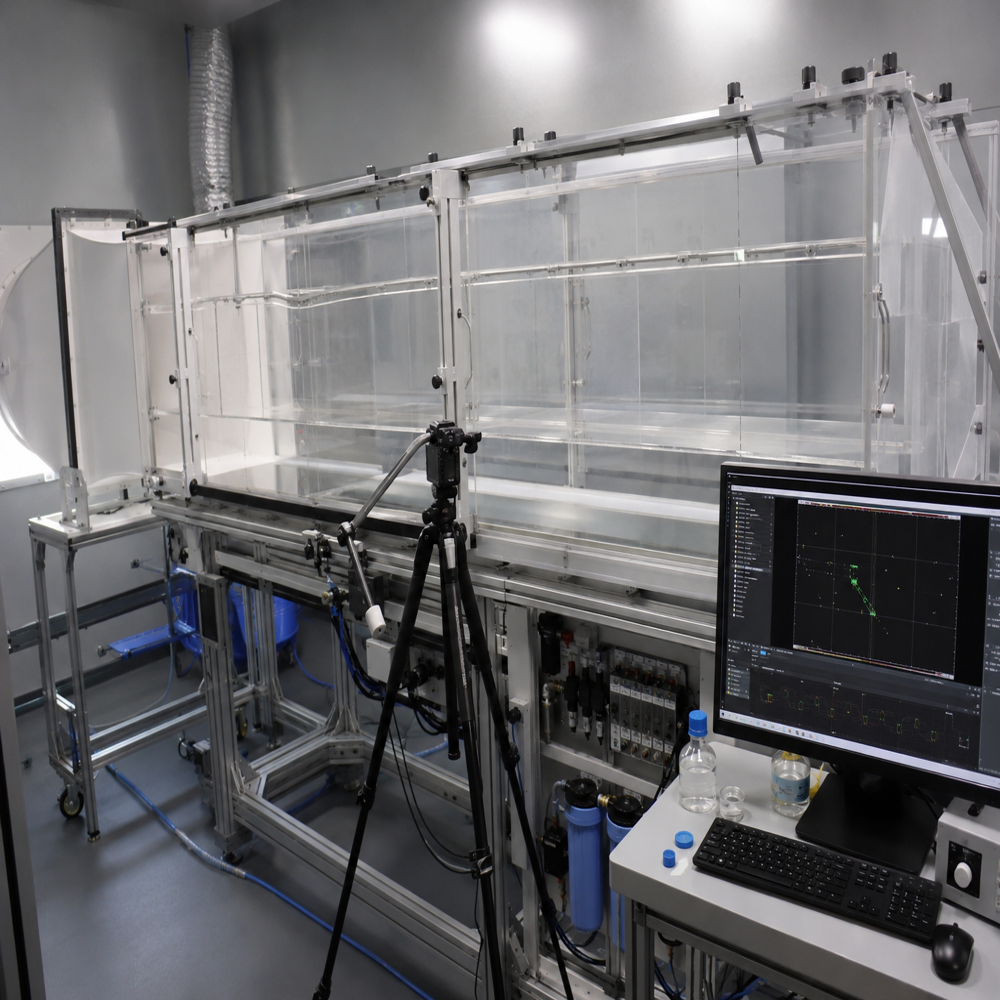
Tell us about your requirement

Price:
Quantity
Select Unit
- 50
- 100
- 200
- 250
- 500
- 1000+
Additional detail
Mobile number
Email

More Products in Speciality Wind Tunnels Category
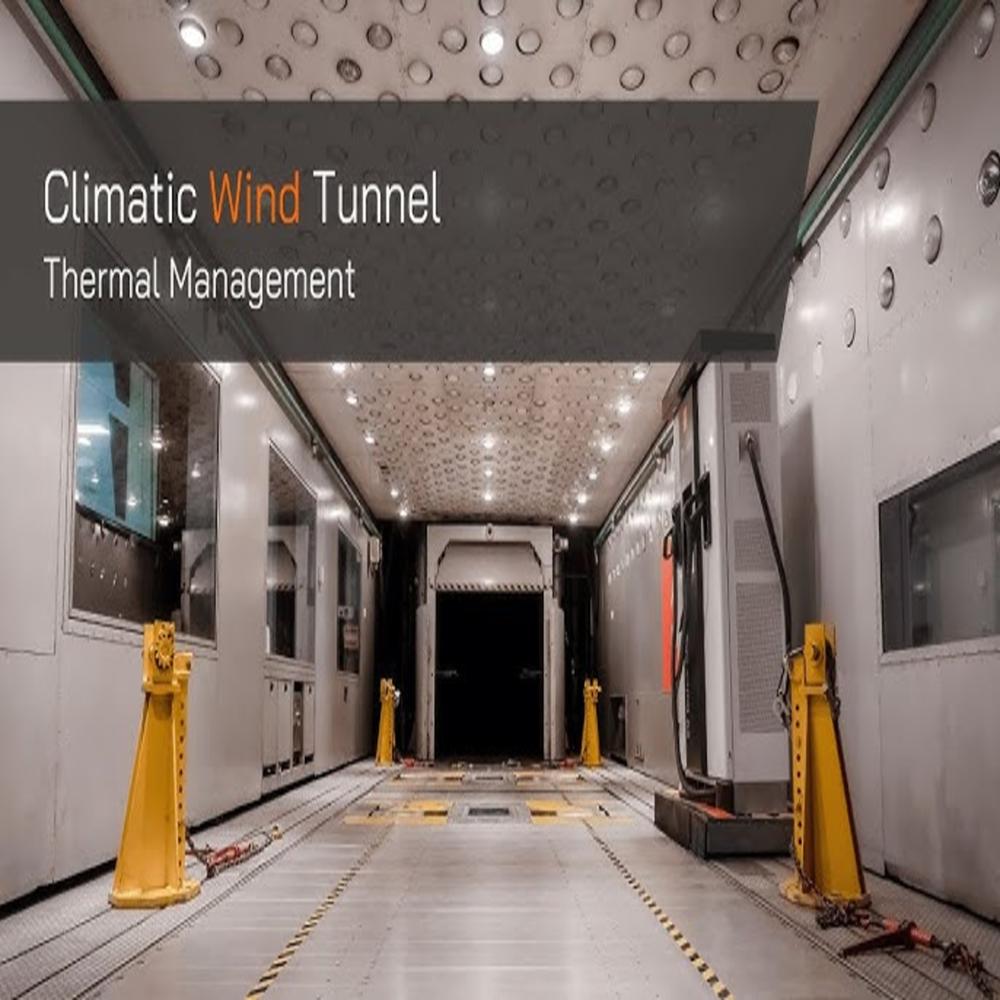
Climatic Wind Tunnel
Price 500000.0 INR / Unit
Minimum Order Quantity : 1 Unit
Application : Automotive testing, Aerospace research, Building material analysis, Environmental simulations
Voltage : 380 V, 3phase
Dimension (L*W*H) : 12000 mm x 4500 mm x 4000 mm
Accessories : Temperature and humidity sensors, Data acquisition system, Control panels, Test stands
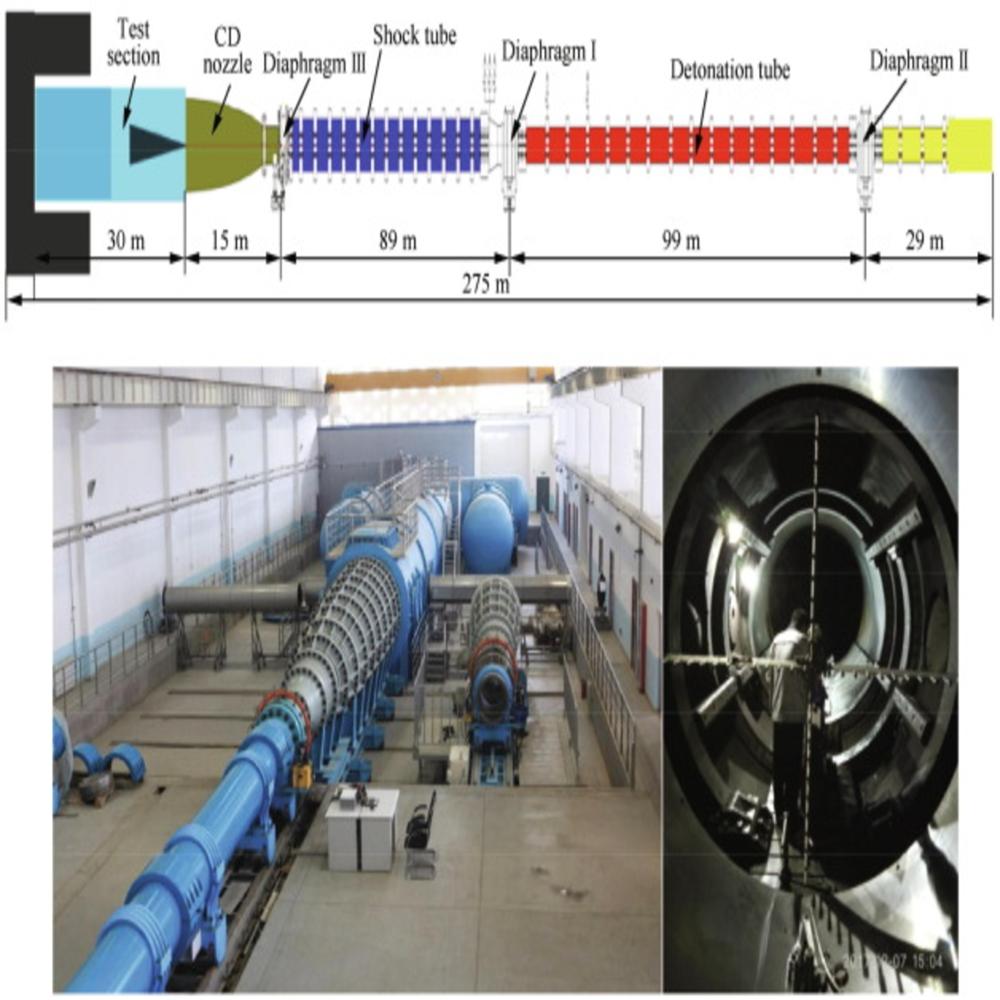
Hypersonic High Enthalpy Wind Tunnel
Price 500000.0 INR / Unit
Minimum Order Quantity : 1 Unit
Application : Aerodynamics and Aerospace Research, Hypersonic Vehicle Analysis, Material Testing at High Temperature
Voltage : 380 V 440 V, 3Phase AC
Dimension (L*W*H) : Customized (Typical: 8.0 m x 2.5 m x 2.8 m)
Accessories : Control Console, Vacuum System, Nozzle Sets, Data Acquisition Modules

Plasma Wind Tunnel
Price 500000.0 INR / Unit
Minimum Order Quantity : 1 Unit
Application : Aerospace Material Testing, Plasma Jet Simulation, Thermal Protection Studies
Voltage : 380 V
Dimension (L*W*H) : Approx. 5 m x 2 m x 2.5 m
Accessories : Control Console, Data Acquisition System, Test Section Modules
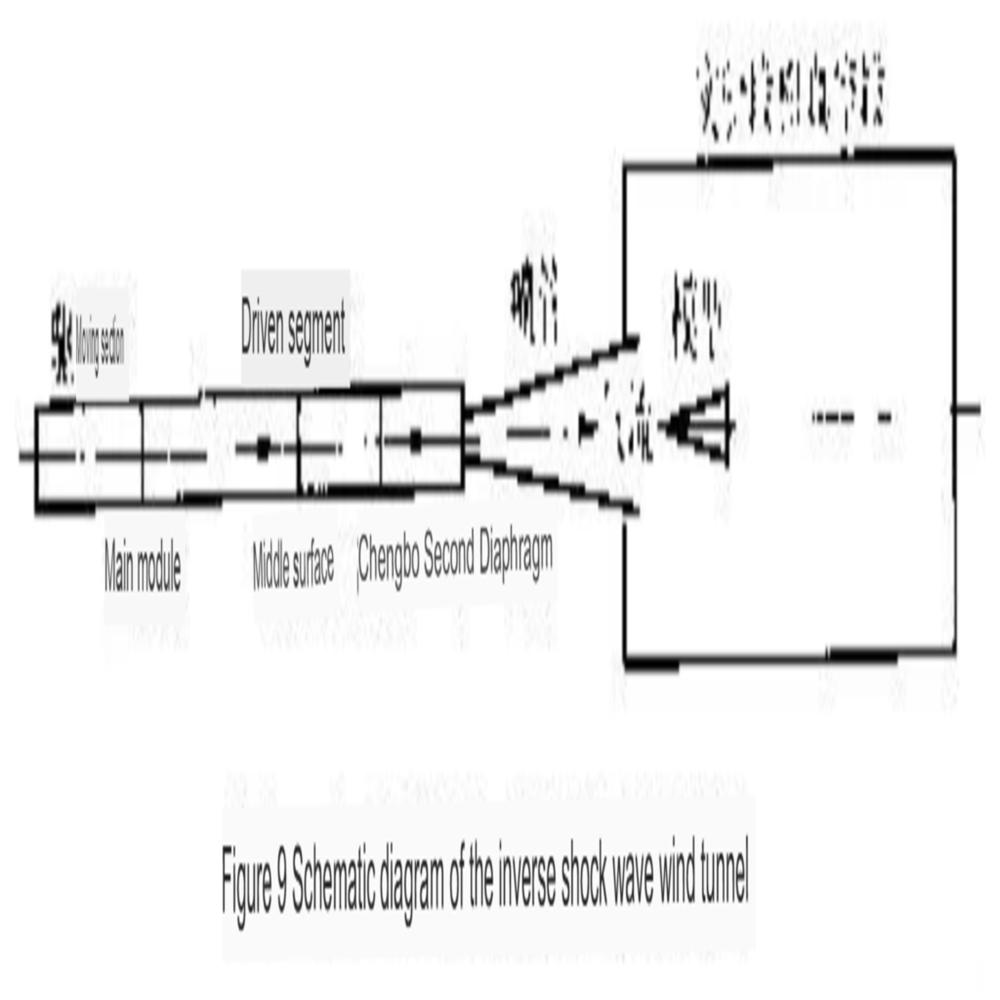
Shock Tunnel
Minimum Order Quantity : 1 Number
Application : Used for highspeed aerodynamic testing and simulation of extreme atmospheric conditions
Voltage : 220V / 380V
Dimension (L*W*H) : Customizable as per client requirements
Accessories : Comprehensive control panels, gas supply systems, pressure sensors

 Send Inquiry
Our Products


Plot No - 553, Phase 2 GIDC Vatva, Near Railway Station Vatva,Ahmedabad - 382445, Gujarat, India

Mr Devang Modi
(Director)
Mobile :08045801217
 Send Inquiry
 Send SMS
Developed and Managed by Infocom Network Private Limited.
