
Call us now :08045801217
 Send Inquiry
 Send Inquiry
Hypersonic High Enthalpy Wind Tunnel
Price 500000.0 INR/ Unit
MOQ : 1 Unit
Hypersonic High Enthalpy Wind Tunnel Specification
- Equipment Type
- Hypersonic High Enthalpy Wind Tunnel
- Material
- Stainless Steel, High-Grade Alloy Steel, Quartz Windows
- Processing Type
- Thermal and Fluidic Simulation
- Condition
- New
- Technology
- High Enthalpy Plasma Arc Heated Wind Tunnel
- Dimension (L*W*H)
- Customized (Typical: 8.0 m x 2.5 m x 2.8 m)
- Power Mode
- Electric
- Voltage
- 380 V - 440 V, 3-Phase AC
- Power Consumption
- 120 kW - 500 kW
- Pressure Output
- Up to 40 bar
- Application
- Aerodynamics and Aerospace Research, Hypersonic Vehicle Analysis, Material Testing at High Temperature
- Coating Type
- Temperature Resistant Ceramic Coating
- Accessories
- Control Console, Vacuum System, Nozzle Sets, Data Acquisition Modules
- Noise Level
- Below 80 dB(A)
- Control Method
- PLC Based Automated Control System
- Data Output Interface
- Ethernet, USB, RS-485
- Chamber Material
- High-Temperature Alloy Steel
- Compliance Standards
- ASTM E2589, ISO 15821
- Cooling System
- Active Water/Glycol Cooling
- Measurement Systems
- Optical Windows, Pressure Sensors, Thermocouple Arrays
- Test Section Diameter
- 300 mm - 600 mm (Customizable)
- Start-Up Time
- < 90 minutes
- Maximum Gas Temperature
- Up to 5000 K
Hypersonic High Enthalpy Wind Tunnel About
Marketing Overview
The Hypersonic High Enthalpy Wind Tunnel is a specialized testing system designed to replicate the extreme thermal and aerodynamic conditions encountered by high-speed vehicles such as rockets, re-entry bodies, and hypersonic aircraft. By generating high-temperature, high-energy flow, the system enables accurate evaluation of aerodynamic performance, heat transfer, and material behavior under realistic flight conditions.
Ideal for advanced aerospace and defense research, this facility supports critical studies in aerothermodynamics, thermal protection systems, and high-speed propulsion.
Technical Datasheet (Generalized Ranges)
1. System Classification
- Type: High-enthalpy / Blowdown / Shock / Arc-heated
- Flow Regime: Hypersonic (Mach > 5)
2. Test Section
- Shape: Circular / Axisymmetric
- Size Range: ~0.1 m 1.0 m
- Length: ~0.5 m 3 m
3. Flow Performance
- Mach Number Range: ~5 15 (extendable to 20+)
- Velocity Range: ~2,000 5,000 m/s
- Reynolds Number: ~10 10 per meter
- Flow Uniformity: 1% 5%
4. Enthalpy & Thermal Conditions
- Stagnation Temperature: ~1,000 K 10,000 K
- Total Enthalpy: ~1 20 MJ/kg
- Gas Types: Air / Nitrogen / Helium (optional)
5. Operating Characteristics
- Test Duration:
- Shock / impulse: ~1 ms 50 ms
- Arc-heated / quasi-steady: ~10 ms 500 ms
- Operating Mode: Intermittent / Impulse
6. Heating Methods
- Electric arc heating
- Shock compression heating
- Combustion or plasma heating systems
7. Key Components
- High-energy driver section (arc heater / shock tube)
- Settling chamber (high-temperature resistant)
- Hypersonic nozzle (cooled, contoured)
- Test section and diffuser
- Vacuum tank / exhaust system
8. Measurement & Instrumentation
- Heat flux and surface temperature sensors
- Pressure and aerodynamic force measurement
- High-speed optical diagnostics (Schlieren, spectroscopy)
- Plasma and ionization measurement systems
9. Applications
- Rocket and missile aerodynamics
- Re-entry vehicle thermal protection systems (TPS)
- Hypersonic vehicle development
- High-temperature gas dynamics research
- Ablation and material testing
10. Key Advantages
- Realistic simulation of high-temperature flight conditions
- Capability to study aerothermal and chemical effects
- Supports extreme environment testing
- Critical for next-generation aerospace systems
11. Customization Options
- Higher enthalpy ranges (plasma/arc systems)
- Extended test duration configurations
- Specialized gas environments
- Advanced diagnostic and optical systems
Positioning Tip
Place under:
Hypersonic Wind Tunnels High Enthalpy / Aerothermal Systems
This is a high-end research product, typically used by:
- Space agencies
- Defense laboratories
- Advanced aerospace R&D centers
Advanced Testing Capabilities
The tunnel offers precise simulation conditions for hypersonic and high enthalpy flows, crucial for aerospace research and development. Customizable diameters and high operational temperatures enable material evaluation under real-world conditions, while optical and sensor-based measurement options ensure accurate data acquisition.
Sophisticated Control & Safety
A PLC-based automated system manages all tunnel functions, ensuring process reliability and quick operational start-up in under 90 minutes. Active water/glycol cooling and ceramic-coated surfaces safeguard against extreme temperatures, optimizing longevity and safety during prolonged usage.
Connectivity and Compliance
Licensed to international standards, the wind tunnel includes Ethernet, USB, and RS-485 data interfaces for seamless integration with laboratory setups and data networks. Its infrastructure aligns with ASTM and ISO protocols, delivering confidence and compatibility for global research teams.
FAQ's of Hypersonic High Enthalpy Wind Tunnel:
Q: How does the Hypersonic High Enthalpy Wind Tunnel benefit aerospace and material research?
A: This wind tunnel enables in-depth analysis of material and aerodynamic performance under extreme hypersonic conditions. Researchers can replicate real flight environments, test high-temperature materials, and analyze fluid dynamics, improving design accuracy and safety for advanced vehicles.Q: What measurement systems are integrated within the tunnel for accurate data?
A: The tunnel comes equipped with optical windows for flow visualization, precision pressure sensors, and thermocouple arrays to monitor thermal and dynamic parameters throughout tests, delivering comprehensive and reliable data sets.Q: When is the equipment ready for operation after installation?
A: Thanks to its automated PLC-based control system and streamlined start-up protocols, the wind tunnel can be brought online in less than 90 minutes after installation and setup, minimizing downtime for critical research projects.Q: Where is this wind tunnel typically installed and used?
A: It is ideally installed in specialized research laboratories, aerospace research centers, and university facilities focusing on hypersonic aerodynamics and material science, where advanced experimental setups are required.Q: What is the process for simulating high enthalpy and hypersonic flow conditions?
A: The process involves heating gases up to 5000 K using plasma arc technology, then accelerating them through customizable nozzles into the test section. The system monitors conditions and data in real time using its automated control and measurement modules.Q: How can users access and manage experimental data from the system?
A: Users can retrieve and analyze experiment data via Ethernet, USB, or RS-485 interfaces, ensuring compatibility with standard data acquisition modules and laboratory networks for seamless integration and workflow efficiency.Q: What are the main advantages of the tunnel's construction and safety features?
A: Manufactured from high-grade alloy steel with temperature-resistant ceramic coatings and active cooling systems, the tunnel ensures operational durability and safety even during demanding high-temperature runs, while maintaining noise levels below 80 dB(A).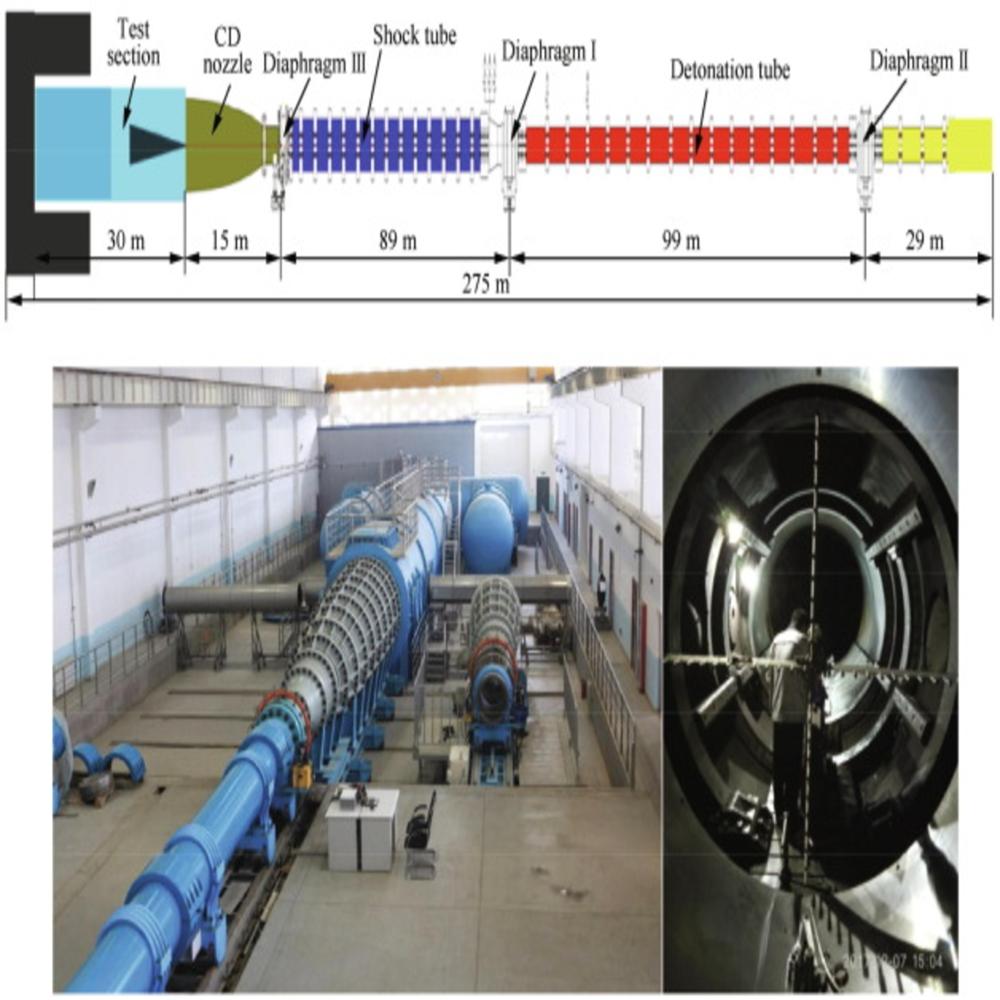
Tell us about your requirement

Price:
Quantity
Select Unit
- 50
- 100
- 200
- 250
- 500
- 1000+
Additional detail
Mobile number
Email

More Products in Speciality Wind Tunnels Category
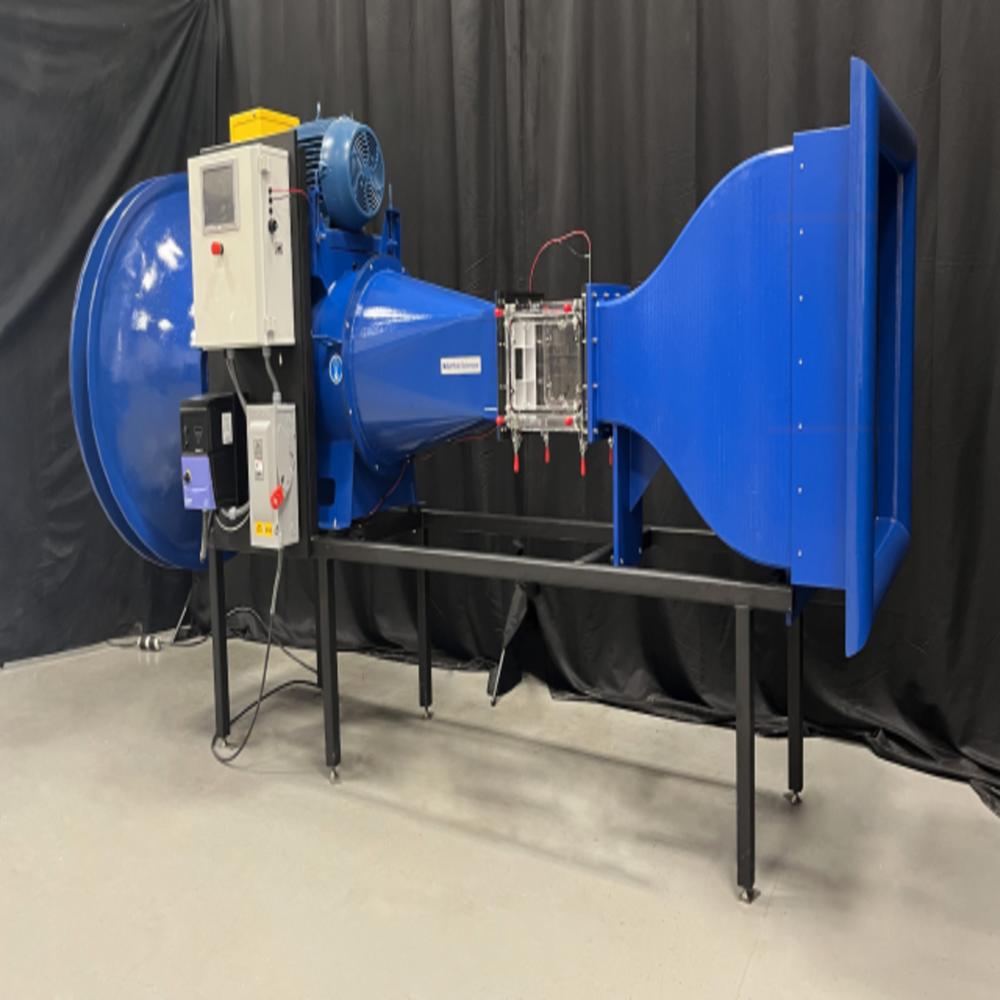
Calibration Wind Tunnel
Price 500000.0 INR / Unit
Minimum Order Quantity : 1 Unit
Power Mode : Electric
Processing Type : Other, Precision Airflow Calibration
Condition : New
Pressure Output : Up to 1500 Pa
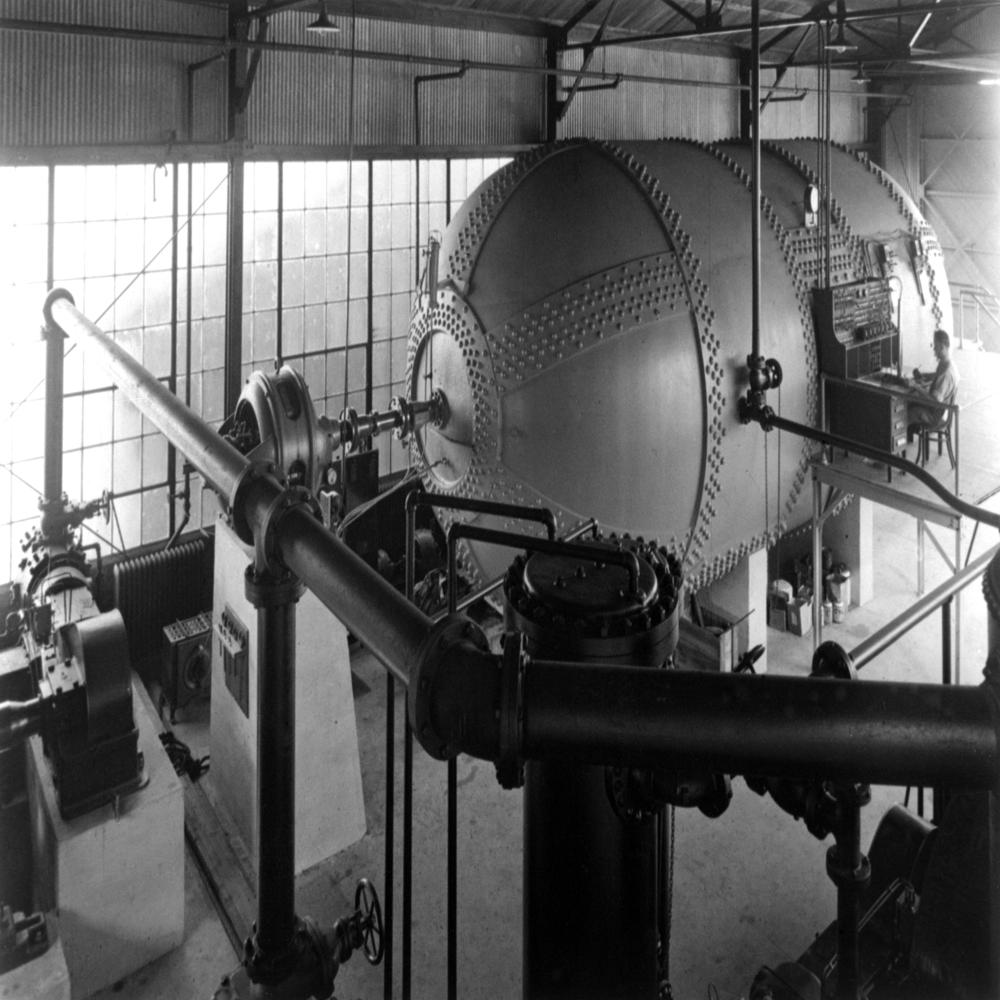
Variable Density Wind Tunnel
Price 500000.0 INR / Unit
Minimum Order Quantity : 1 Unit
Power Mode : Electric
Processing Type : Other, Fluid Dynamics Testing
Condition : New
Pressure Output : Up to 10 atm (adjustable)
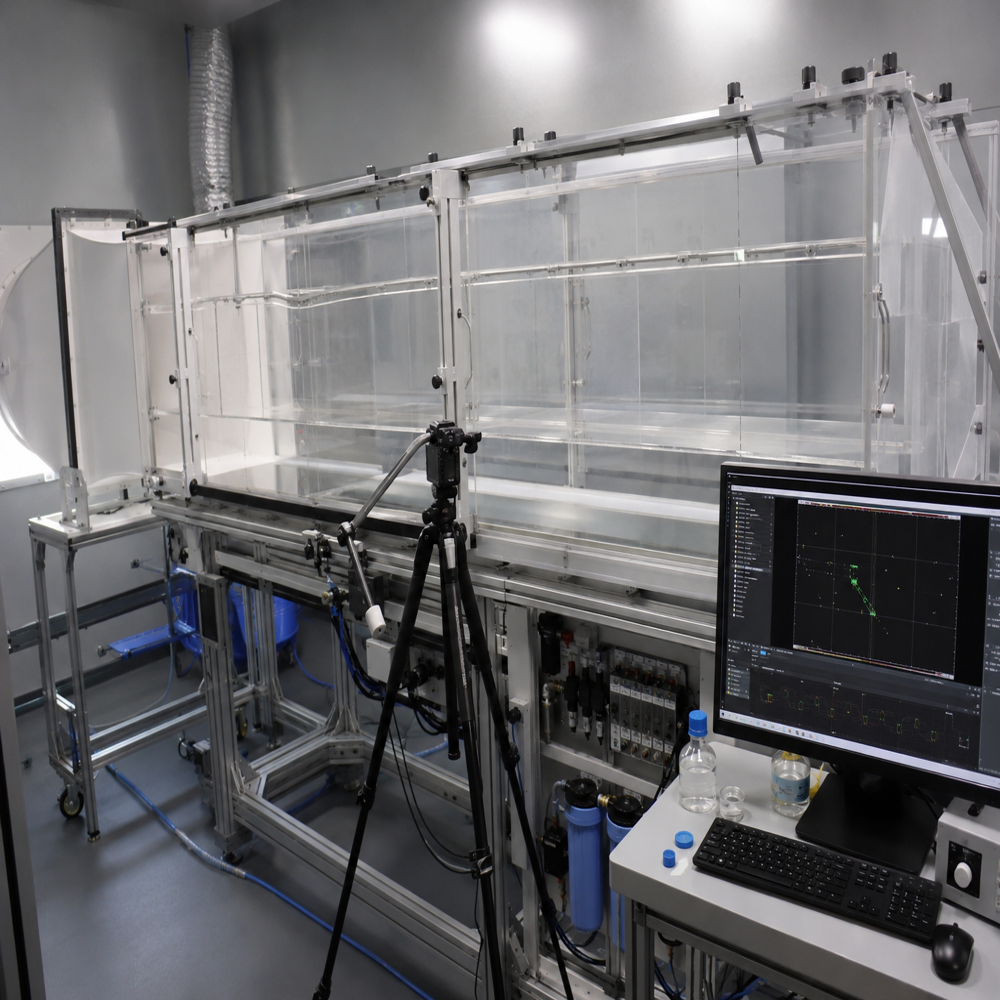
Bio-Assyl Wind Tunnel
Price 500000.0 INR / Unit
Minimum Order Quantity : 1 Unit
Power Mode : Electric
Processing Type : Other, Precision Machined
Condition : New
Pressure Output : Consistent, Adjustable Airflow
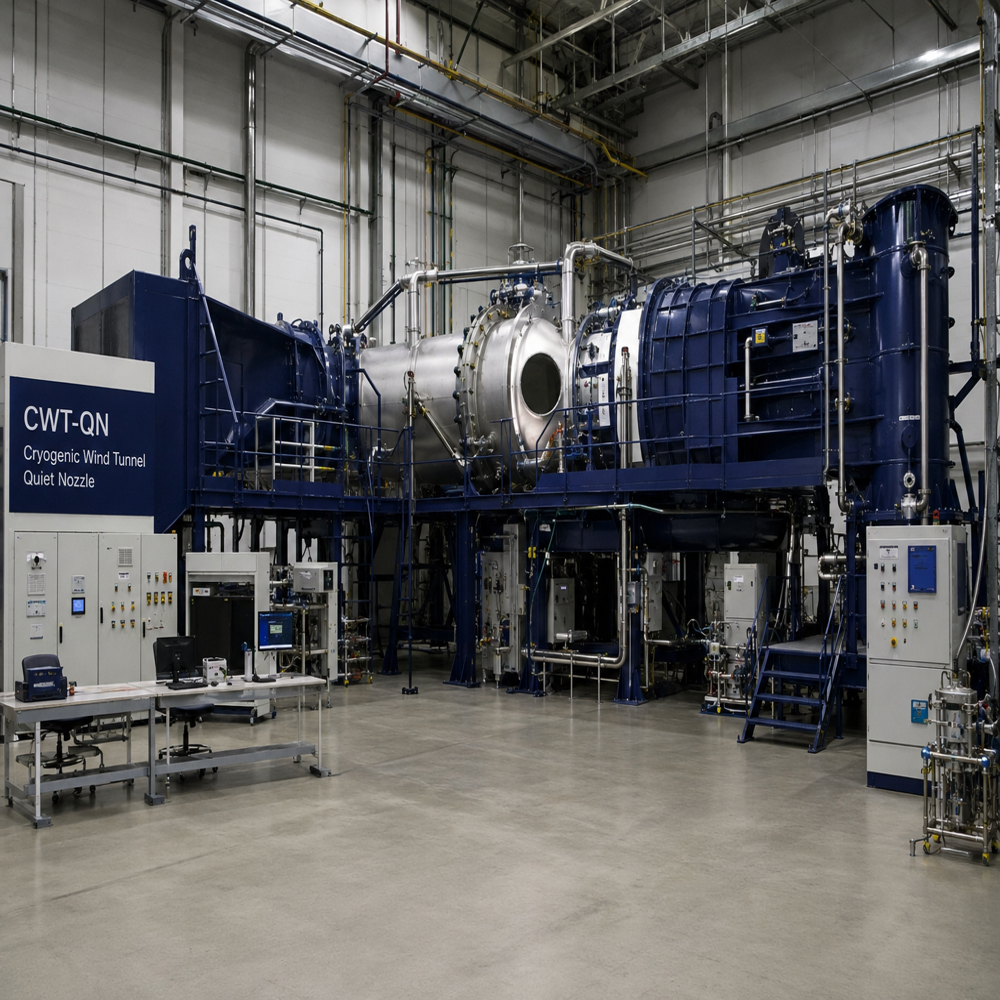
Cryogenic Wind Tunnel / Quiet Nozzle
Price 500000.0 INR / Piece
Minimum Order Quantity : 1 Piece
Power Mode : Other, Electric Powered, HighCapacity Cryogenic Cooling System
Processing Type : Other, Precision Machined, Assembled under Controlled Environment
Condition : New
Pressure Output : 0.1 4 bar (configurable)

 Send Inquiry
Our Products


Plot No - 553, Phase 2 GIDC Vatva, Near Railway Station Vatva,Ahmedabad - 382445, Gujarat, India

Mr Devang Modi
(Director)
Mobile :08045801217
 Send Inquiry
 Send SMS
Developed and Managed by Infocom Network Private Limited.
