
Call us now :08045801217
 Send Inquiry
 Send Inquiry
Circulating Water Channel for Training
Price 500000.0 INR/ Number
MOQ : 1 Number
Circulating Water Channel for Training Specification
- Material
- Stainless Steel and Transparent Acrylic
- Processing Type
- Precision Fabrication
- Condition
- New
- Technology
- Hydrodynamics/Fluid Flow Visualization
- Dimension (L*W*H)
- Typically 4000 x 500 x 600 mm
- Power Mode
- Electric
- Voltage
- 220V/50Hz
- Power Consumption
- Approx. 1-2 kW
- Pressure Output
- Adjustable, depending on pump capacity
- Application
- Fluid Mechanics Laboratory Training
- Coating Type
- Anti-corrosive Coating
- Accessories
- Flow Control Valves, Model Flow Objects, Measuring Instruments
- Pump Type
- Centrifugal, corrosion-resistant
- Equipment Type
- Circulating Water Channel
- Installation Type
- Bench-top or floor mounted
- Tank Capacity
- Up to 200 liters
- Channel Length
- 1.5 to 4 meters (customizable)
- Flow Adjustment
- Manual and electronic controls available
- Safety Feature
- Overload and leakage protection
- Working Speed
- Variable, typically 0.1 to 1.5 m/s
- Observation Window
- Transparent acrylic for clear viewing
- Noise Level
- 65 dB
- Flow Visualization
- Dye injection system included
- Packing Type
- Export quality wooden crate
Circulating Water Channel for Training About
Training Water Tank Systems
A range of specialized water tanks designed for training, simulation, and research applications, supporting realistic environmental conditions and safety training.
Applications & Features
Canoe Training Tank
- Dedicated facility for canoe operation and handling training under controlled flow conditions
Severe Weather Simulation Tank
- Equipped with wave generation, water current, and wind (airflow) systems
- Enables realistic storm and rough sea condition simulations
- Can also simulate low-visibility environments using muddy or contaminated water
- Suitable for underwater work training in adverse conditions
Helicopter Rescue Training System
- Includes equipment for descent training from rescue helicopters
- Designed for emergency response and rescue operation practice
Diving Pool
- Large-scale pool designed for diving and underwater training
- Equipped with observation and lighting windows for:
- Monitoring
- Instruction
- Safety management
- Dimensions:
- Diameter: 6 m
- Water Depth: 8 m
Versatile Flow Training Tool
Engineered for flexibility, the Circulating Water Channel serves both educators and researchers seeking precise flow studies. The system accommodates a wide range of channel lengths and speeds, suited for various experimental setups. Its robust construction and advanced safety features ensure reliable, long-term operation in demanding environments.
Exceptional Visualization Capabilities
The integrated dye injection system, paired with transparent acrylic observation windows, enables users to easily visualize flow patterns and understand fluid dynamics concepts. This visual access is invaluable for demonstrations, data recording, and effective training sessions, enhancing the learning experience for students and professionals alike.
FAQ's of Circulating Water Channel for Training:
Q: How is the flow speed adjusted in this Circulating Water Channel?
A: The channel features both manual and electronic controls, allowing precise regulation of water flow speeds between 0.1 and 1.5 meters per second to match a wide variety of training or research needs.Q: What process is used for flow visualization in this equipment?
A: A dye injection system is built into the channel, enabling clear and controlled visualization of water flow patterns for in-depth analysis and better understanding of fluid movement.Q: When is this water channel typically used?
A: This circulating water channel is most commonly used during laboratory sessions for hydrodynamics, educational training, and research experiments that require accurate observation of fluid behavior.Q: Where can this channel be installed for operation?
A: Depending on facility requirements, the unit can be conveniently installed either as a bench-top model or floor-mounted, providing flexibility to fit different laboratory layouts.Q: What are the key benefits of using this circulating water channel?
A: Users benefit from its customizable features, easy-to-observe flow patterns, reliable safety mechanisms, low operational noise (65 dB), and durability, making it a valuable addition to any teaching or research environment.Q: How is the equipment protected during shipping and operation?
A: For shipping, the channel is securely packed in an export-quality wooden crate, and, during operation, it provides overload and leakage protection to ensure continuous safe usage.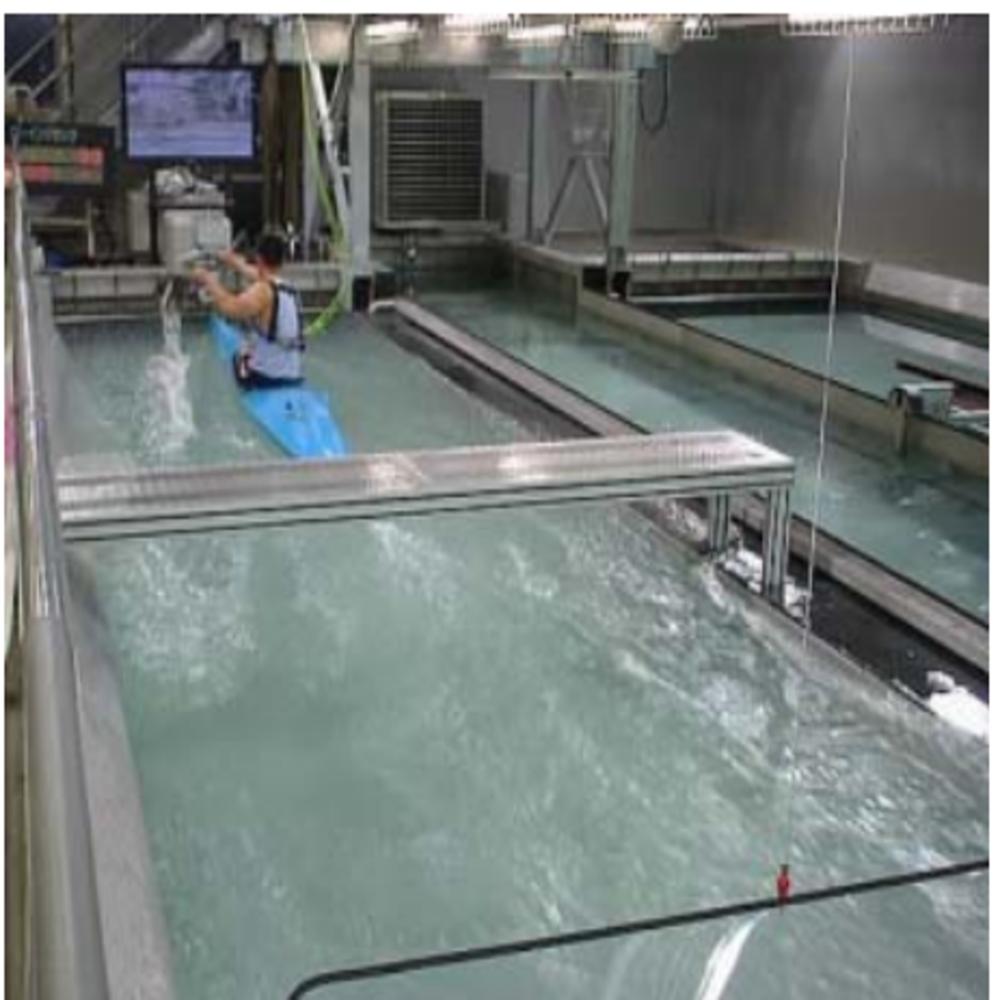
Tell us about your requirement

Price:
Quantity
Select Unit
- 50
- 100
- 200
- 250
- 500
- 1000+
Additional detail
Mobile number
Email

More Products in Water Tunnel Category

Thermal Stratification Wind Tunnel
Price 500000.0 INR / Unit
Minimum Order Quantity : 1 Unit
Material : Other, Mild Steel, Acrylic, Aluminum
Condition : New
Voltage : 220V AC
Application : Educational Research, Fluid Dynamics, Thermal Engineering Experiments
Small Visualization Wind Tunnel
Price 500000.0 INR / Unit
Minimum Order Quantity : 1 Unit
Material : Other, Acrylic and Aluminum Alloy
Condition : New
Voltage : 220V240V / 50Hz
Application : Educational/Research Wind Flow Visualization
Circulating water Channel with 2 Impellers
Price 500000.0 INR / Number
Minimum Order Quantity : 1 Number
Material : Other, Stainless Steel/Aluminum
Condition : New
Voltage : 220V/50Hz
Application : Hydrodynamic studies, Fluid Mechanics Labs, Research and Education
Wave Flume
Price 500000.0 INR / Number
Minimum Order Quantity : 1 Number
Material : Other, Stainless Steel and Glass
Condition : New
Voltage : 220V AC
Application : Fluid Mechanics, Hydraulics, Research & Education

 Send Inquiry
Our Products


Plot No - 553, Phase 2 GIDC Vatva, Near Railway Station Vatva,Ahmedabad - 382445, Gujarat, India

Mr Devang Modi
(Director)
Mobile :08045801217
 Send Inquiry
 Send SMS
Developed and Managed by Infocom Network Private Limited.
