
Call us now :08045801217
 Send Inquiry
 Send Inquiry
Climatic Wind Tunnel
Price 500000.0 INR/ Unit
MOQ : 1 Unit
Climatic Wind Tunnel Specification
- Equipment Type
- Climatic Wind Tunnel
- Material
- Galvanized Steel, Stainless Steel, Aluminum Alloy
- Processing Type
- Custom Fabrication
- Condition
- New
- Technology
- Advanced simulation with precision climate and airflow control
- Dimension (L*W*H)
- 12000 mm x 4500 mm x 4000 mm
- Power Mode
- Electric
- Voltage
- 380 V, 3-phase
- Power Consumption
- 120 kW typical
- Pressure Output
- Up to 4000 Pa
- Application
- Automotive testing, Aerospace research, Building material analysis, Environmental simulations
- Coating Type
- Anti-corrosive epoxy coating
- Accessories
- Temperature and humidity sensors, Data acquisition system, Control panels, Test stands
- Noise Level
- 65 dB(A) at operating conditions
- Test Chamber Volume
- 200 m3
- Temperature Range
- -40C to +60C
- Lighting
- High intensity LED illumination
- Control System
- PLC based with touch screen interface
- Wind Generator Type
- Axial flow fan with frequency inverter
- Humidity Range
- 20% to 95% RH
- Observation Windows
- Tempered laminated glass
- Safety Features
- Overheat protection, Emergency stop, Overload alarms
- Air Flow Uniformity
- 1.5%
Climatic Wind Tunnel About
A high-performance climatic wind tunnel designed for full-scale aerodynamic and environmental testing of structural cables and similar components under controlled wind, rain, and icing conditions.
Technical Overview
- Application: Full-scale testing of bridge cables, stay cables, structural elements
- Test Media: Wind, rain, freezing conditions, ice accretion simulation
- Flow Type: Controlled, uniform airflow for aerodynamic studies
- Scale: Full-scale (no geometric scaling required for cables)
Aerodynamic Performance
- Maximum Wind Speed: up to 32 m/s
- Variable Flow Range: ~032 m/s (continuously adjustable)
- Flow Stability: High uniformity for repeatable aerodynamic loading conditions
Thermal & Climatic Control
- Temperature Range:
- Down to 10C at lower wind speeds
- Down to 5C at approximately 25 m/s airflow
- Climate Modes:
- Dry cold airflow
- Rain + wind combination
- Icing / ice accretion conditions
Icing & Weather Simulation Capabilities
- Controlled ice accretion on cylindrical and cable surfaces
- Simulation of freezing rain and wet snow conditions
- Observation of ice shedding and aerodynamic instability effects
- Realistic reproduction of wind-induced vibration + icing interaction
Testing Capabilities
- Aeroelastic response of long, flexible cables
- Wind-induced vibration (rainwind / vortex shedding effects)
- Ice formation impact on drag, lift, and cable stability
- Safety assessment for ice shedding onto infrastructure below
Key Advantages
- Full-scale realism eliminates scaling errors
- Direct applicability of results for bridge design
- Supports development of anti-vibration and de-icing measures
- Enables validation of next-generation long-span bridge designs
Versatile Environmental Simulation
This climatic wind tunnel enables precise replication of extreme weather conditions, essential for automotive, aerospace, and building material testing. Its broad temperature and humidity range, combined with accurate airflow control, supports rigorous performance assessments and innovation in product development.
State-of-the-Art Control and Safety
Equipped with a PLC-based touch screen interface, the tunnel provides intuitive operation and precise settings adjustment. Safety is paramount, with features such as overheat protection, emergency stop, and overload alarms, ensuring operator and equipment security during complex testing.
Comprehensive Data Monitoring
Integrated temperature and humidity sensors, test stands, and a data acquisition system facilitate real-time monitoring and recording of all environmental parameters. This robust setup guarantees reliable testing data, crucial for quality assurance and research validation.
FAQ's of Climatic Wind Tunnel:
Q: How does the Climatic Wind Tunnel replicate extreme environmental conditions?
A: The wind tunnel uses an advanced system combining axial flow fan technology with a frequency inverter and PLC-based controls, allowing precise adjustments to temperature (-40C to +60C), humidity (20%-95% RH), and airflow, thereby accurately simulating a wide spectrum of real-world weather scenarios.Q: What types of tests can be performed within this tunnel?
A: It is ideal for automotive testing, aerospace research, building material analysis, and general environmental simulations, providing manufacturers and researchers with reliable tools to assess performance under controlled and repeatable conditions.Q: When should the data acquisition system be used during testing?
A: The data acquisition system is recommended to be used throughout all test phases, as it continuously collects real-time data on temperature, humidity, and other environmental parameters. This ensures accurate, traceable, and comprehensive test results.Q: Where is the control system located and how is it operated?
A: The PLC-based control system, equipped with a user-friendly touchscreen interface, is typically located in the main control room adjacent to the test chamber. Operators can easily manage all environmental settings and monitor system performance from this station.Q: What is the process for ensuring operator safety during operation?
A: Multiple safety mechanisms, including overheat protection, emergency stop functions, and overload alarms, are integrated into the tunnel. Additionally, observation windows made from tempered laminated glass allow safe monitoring, and all electrical systems comply with industrial safety standards.Q: How does the anti-corrosive epoxy coating benefit the equipment?
A: The anti-corrosive epoxy coating protects the tunnel's galvanized steel, stainless steel, and aluminum structure from deterioration, ensuring durability and consistent performance even under harsh test conditions, thus minimizing maintenance needs and extending equipment lifespan.Q: What are the practical benefits for manufacturers using this wind tunnel?
A: Manufacturers gain the ability to conduct comprehensive product validation, rapidly identify design flaws, ensure compliance with international standards, and accelerate innovation cycles-all within a controlled, repeatable, and highly accurate test environment.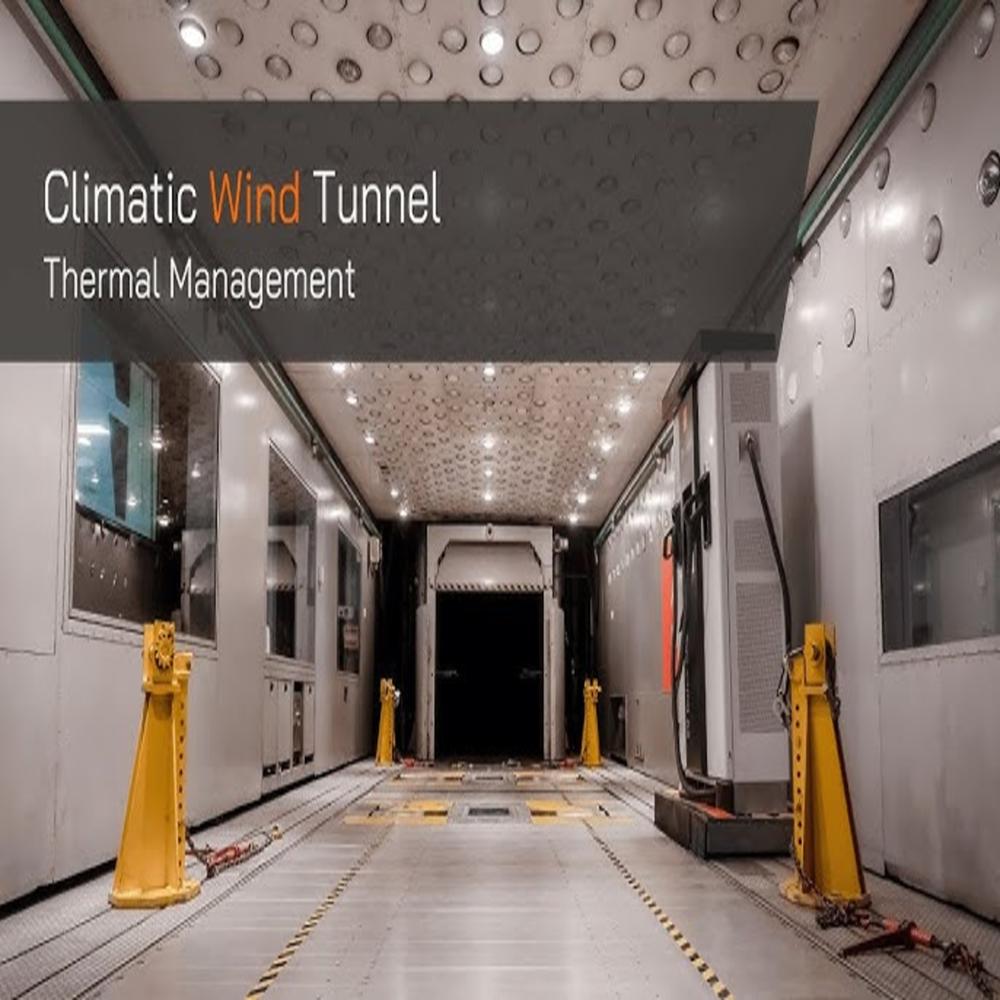
Tell us about your requirement

Price:
Quantity
Select Unit
- 50
- 100
- 200
- 250
- 500
- 1000+
Additional detail
Mobile number
Email

More Products in Speciality Wind Tunnels Category
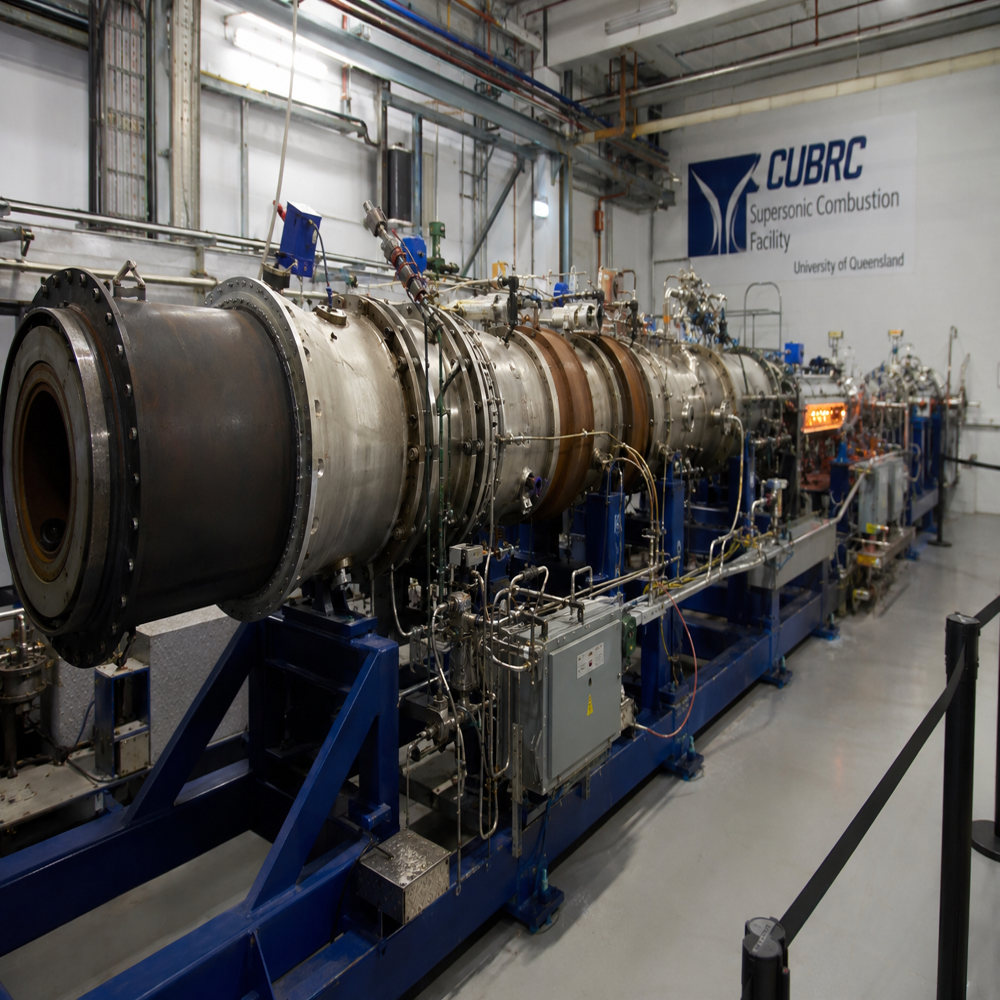
Supersonic Combustion Wind Tunnel
Price 500000.0 INR / Unit
Minimum Order Quantity : 1 Unit
Pressure Output : 2 15 Bar
Power Consumption : 8 kW
Voltage : 220V / 440V
Coating Type : Corrosion Resistant Finish
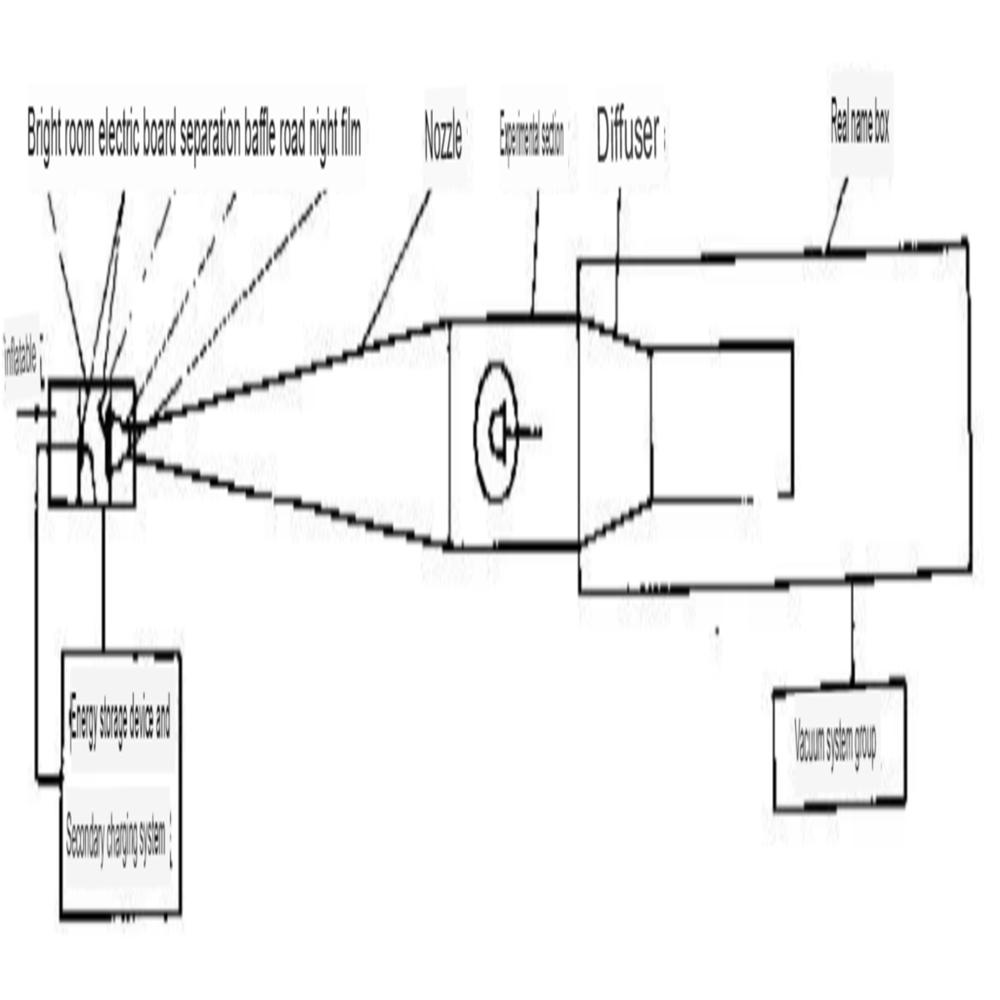
Hot-Shot Wind Tunnel
Price 500000.0 INR / Unit
Minimum Order Quantity : 1 Unit
Pressure Output : Highly Pressurized Air Flow/Adjustable
Power Consumption : Approx. 75 kW
Voltage : 380V / 440V, 3 Phase
Coating Type : Powder Coated
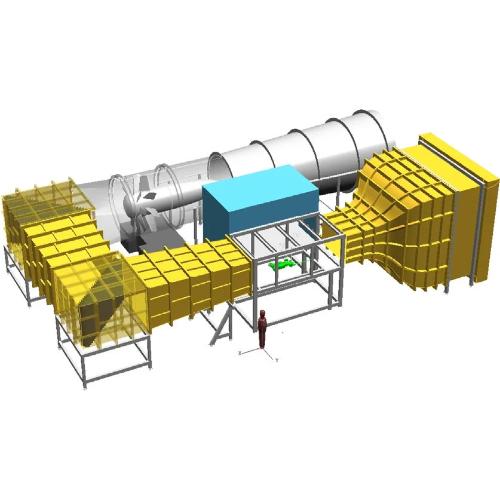
Large Wind Tunnel
Price 500000.0 INR / Unit
Minimum Order Quantity : 1 Unit
Pressure Output : Up to 2.5 kPa
Power Consumption : 50 kW (maximum)
Voltage : 415V, 3 Phase
Coating Type : Corrosion Resistant Paint
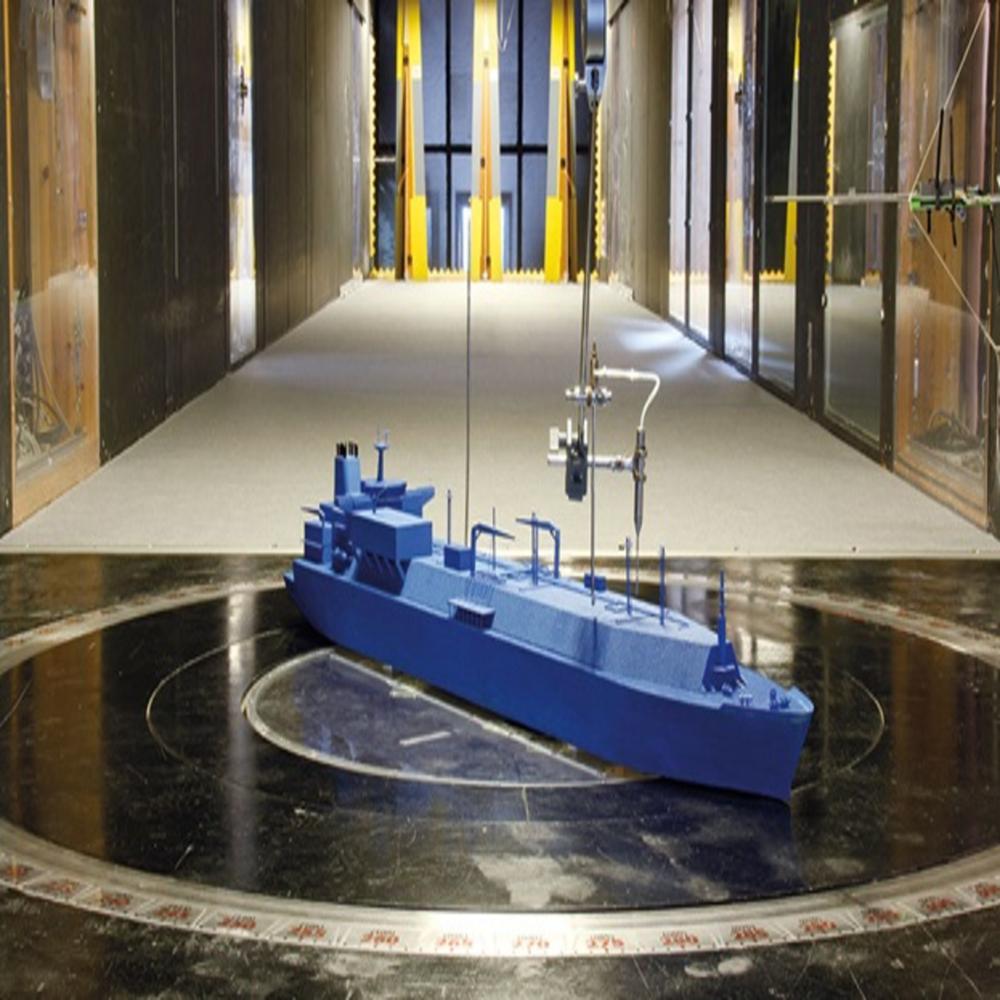
Boundry Layer Wind Tunnel
Minimum Order Quantity : 1 Unit
Pressure Output : Up to 300 mm of water
Power Consumption : 2 kW
Voltage : 220240 V, 50 Hz
Coating Type : Powder Coated

 Send Inquiry
Our Products


Plot No - 553, Phase 2 GIDC Vatva, Near Railway Station Vatva,Ahmedabad - 382445, Gujarat, India

Mr Devang Modi
(Director)
Mobile :08045801217
 Send Inquiry
 Send SMS
Developed and Managed by Infocom Network Private Limited.
