
Call us now :08045801217
 Send Inquiry
 Send Inquiry
Supersonic Combustion Wind Tunnel
Price 500000.0 INR/ Unit
MOQ : 1 Unit
Supersonic Combustion Wind Tunnel Specification
- Equipment Type
- Wind Tunnel
- Material
- Stainless Steel, Aluminum Alloy, High-Strength Glass
- Processing Type
- Machined and Fabricated
- Condition
- New
- Technology
- Supersonic Flow Simulation, Combustion Analysis
- Dimension (L*W*H)
- 4300 mm x 1200 mm x 1600 mm
- Power Mode
- Electric
- Voltage
- 220V / 440V
- Power Consumption
- 8 kW
- Pressure Output
- 2 - 15 Bar
- Application
- Aerospace Engineering, Combustion Research, Hypersonic Flow Studies
- Coating Type
- Corrosion Resistant Finish
- Accessories
- Pressure Sensors, Nozzle Assembly, Test Section, Data Acquisition System, Control Panel
- Temperature Range
- Ambient to 250C
- Model Support Mechanism
- Adjustable Sting Mount
- Safety Features
- Emergency Stop, Overpressure Protection, Circuit Breakers
- Control System
- PLC-Based Automated Controls
- Testing Capability
- Ramjet, Scramjet, and Supersonic Combustion
- Flow Visualization Options
- Schlieren Photography, Shadowgraph System
- Compliance Standards
- ISO 9001:2015, CE Certified
- Noise Level
- < 75 dB(A)
- Data Acquisition Interface
- Digital, Computer Integrated
- Test Section Dimensions
- 300 mm x 300 mm cross-section
Supersonic Combustion Wind Tunnel About
Short Marketing Overview
Our Supersonic Combustion Facility is a state-of-the-art, electrically heated high-speed wind tunnel designed for advanced research in supersonic and hypersonic combustion, including scramjet engine development. The system delivers clean, high-temperature airflow with precise control, enabling accurate simulation of real flight conditions without contamination from combustion byproducts.
With continuous flow capability, extended test durations, and advanced laser-based diagnostics, this facility provides unmatched insight into high-speed reacting flows, supporting both fundamental research and propulsion system development.
Technical Datasheet (Generalized Ranges)
Flow Performance
- Mach Number Range: 2 6 (expandable for hypersonic simulation)
- Velocity Range: ~1,500 3,000 mph (700 1,300 m/s)
- Flow Temperature: up to 2,0002,500 K (3,5004,500 F)
- Flow Medium: Clean air / vitiated air (CO, HO addition)
Operating Mode
- Type: Continuous flow (electrically heated)
- Test Duration:
- Steady-state: 30 minutes 2 hours
- Total run time (incl. thermal cycles): 3 8 hours
Heating System
- Heating Method: Electrical resistance heating
- Max Temperature Capability: up to ~2500 K
- Advantage: Non-vitiated flow (no combustion contaminants)
Test Section
- Configuration: Supersonic combustor test section
- Optical Access: Multi-side optical windows
- Application: Reacting flow and combustion diagnostics
Pressure & Flow Control
- Operating Pressure: 1 10 bar (typical)
- Mass Flow Control: Precision-controlled for combustion stability
- Flow Uniformity: High (optimized for combustion studies)
Diagnostics & Instrumentation
- Laser-Based Measurement Systems:
- Stereoscopic Particle Image Velocimetry (10 1000 Hz)
- Tunable Diode Laser Absorption Spectroscopy (TDLAS)
- Flow Visualization:
- High-speed Schlieren / shadowgraph (up to MHz range)
- Additional Measurements:
- Temperature, species concentration, velocity fields
- Pressure and heat release characteristics
Key Features
- Continuous operation for long-duration combustion studies
- Clean or controlled vitiated flow simulation capability
- High-temperature, high-speed reacting flow environment
- Advanced non-intrusive optical diagnostics
- Ideal for scramjet and high-speed propulsion research
Applications
- Supersonic combustion and scramjet engine development
- Hypersonic propulsion system validation
- High-speed reacting flow physics research
- CFD model validation and database generation
- Aerospace and defence propulsion programs
Advanced Flow Visualization Capability
This wind tunnel is equipped with Schlieren photography and shadowgraph systems for detailed analysis of supersonic and combustion flows. These features enable clear visualization of shockwaves, boundary layers, and combustion phenomena, which are crucial for research in aerospace propulsion and hypersonic aerodynamics.
Integrated Digital Data Acquisition and Control
The wind tunnel includes a modern, computer-integrated digital data acquisition system and PLC-based automated control panel. This setup ensures precise test execution, real-time monitoring, and easy adaptation to complex research protocols, allowing researchers to focus on analysis rather than setup.
Engineered for Safety and Compliance
Safety is prioritized through emergency stop, overpressure protection, and circuit breakers, ensuring secure operation for users. The tunnel adheres to ISO 9001:2015 quality standards and is CE certified, reflecting reliability and global regulatory compliance for demanding laboratory environments.
FAQ's of Supersonic Combustion Wind Tunnel:
Q: How does the adjustable sting mount support different model testing in this wind tunnel?
A: The adjustable sting mount provides flexible support for various test models, enabling precise positioning within the 300 mm x 300 mm test section. This adaptability is essential to conduct accurate experiments for ramjet, scramjet, or general supersonic flow studies.Q: What flow visualization options are available for analyzing combustion phenomena?
A: The facility is outfitted with Schlieren photography and a shadowgraph system, both of which are ideal for visualizing shockwave structures, flow transitions, and detailed combustion behavior in high-speed flows, enhancing experimental insight for researchers.Q: When should the emergency stop and overpressure protection features be utilized?
A: The emergency stop and overpressure protection should be activated whenever there is an unexpected anomaly, such as abnormal pressure spikes or unsafe operating conditions, ensuring immediate cessation of operations to protect both personnel and equipment.Q: Where can this supersonic combustion wind tunnel be effectively applied?
A: It is optimally used in aerospace engineering laboratories, combustion research facilities, and institutes focusing on hypersonic flow studies, offering advanced testing capabilities for propulsion systems and high-speed aerodynamics.Q: What is the process for acquiring and monitoring test data in this wind tunnel?
A: All sensor and test data, including pressure and temperature readings, are acquired via a digital data acquisition system, fully integrated with computer software for real-time monitoring, analysis, and secure storage.Q: How does the corrosion-resistant finish and robust materials enhance the wind tunnel's durability?
A: The use of stainless steel, aluminum alloy, and high-strength glass, along with a corrosion-resistant coating, ensures long-lasting performance, minimal maintenance, and consistent operation even under harsh experimental conditions.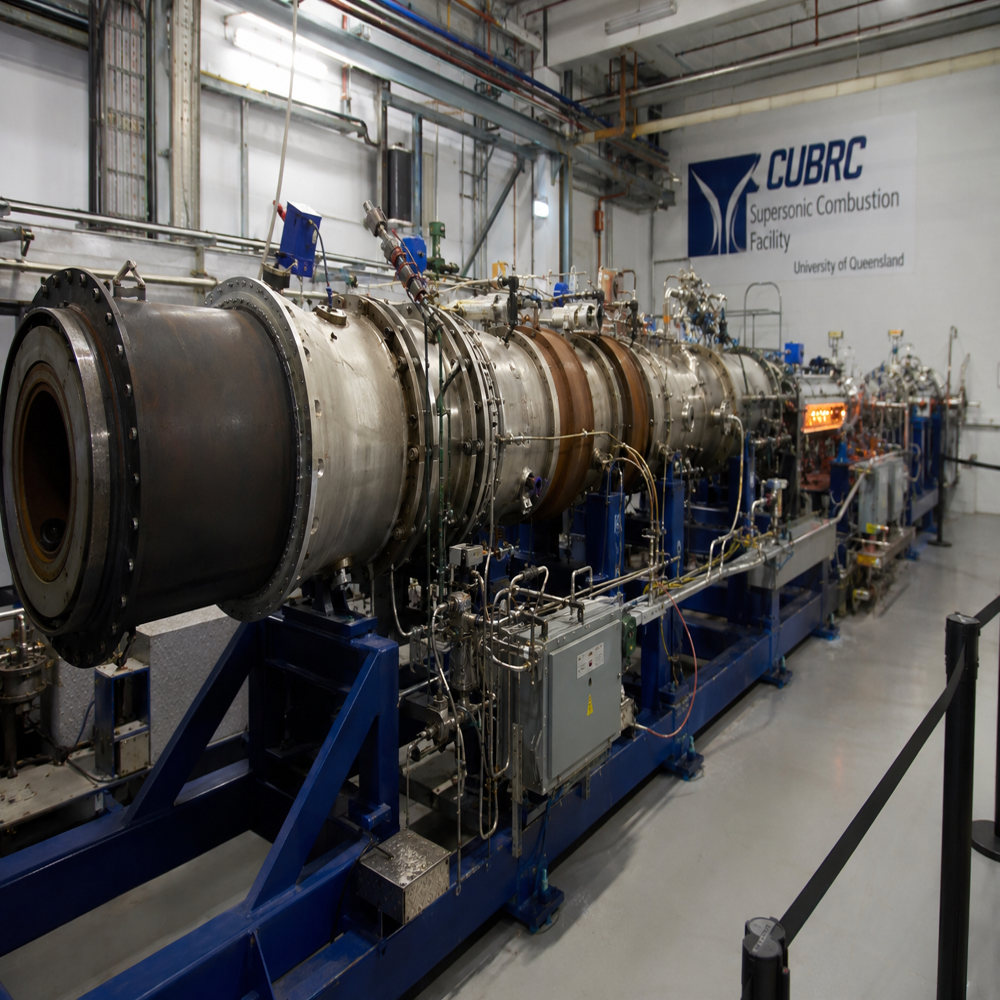
Tell us about your requirement

Price:
Quantity
Select Unit
- 50
- 100
- 200
- 250
- 500
- 1000+
Additional detail
Mobile number
Email

More Products in Speciality Wind Tunnels Category
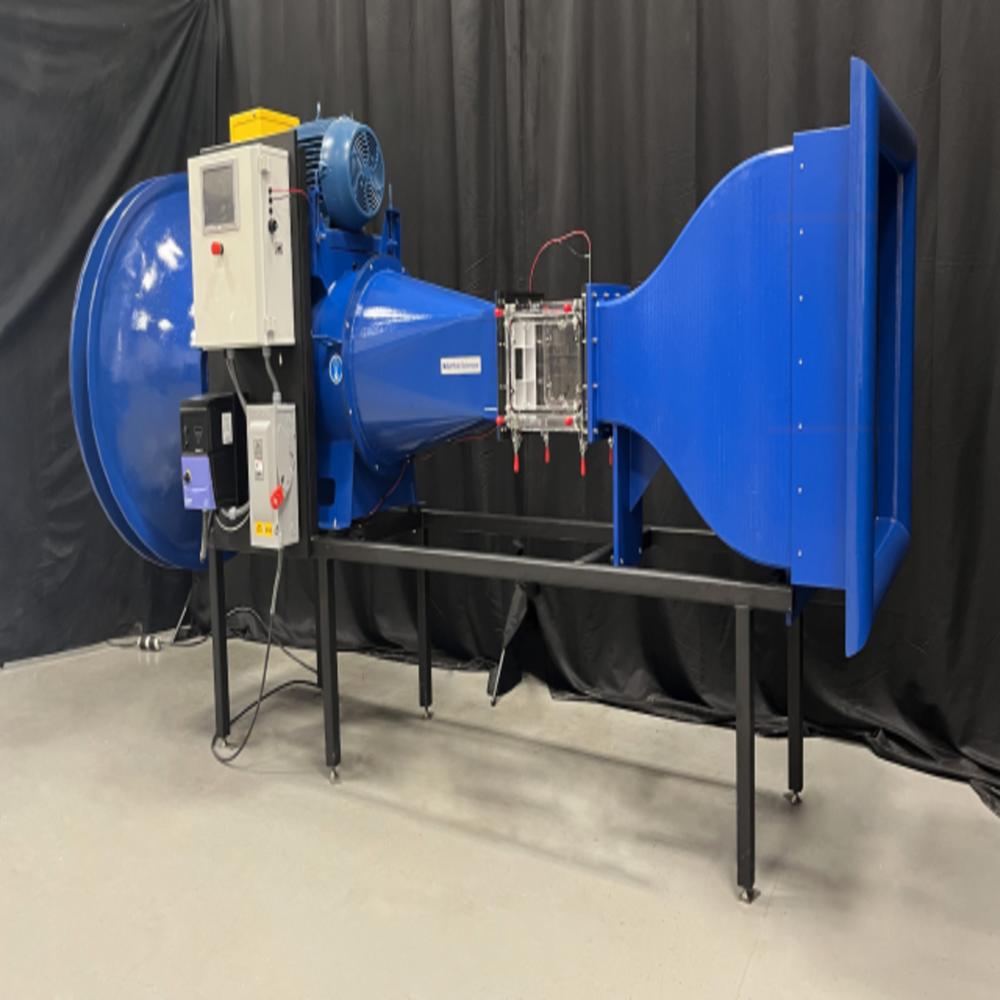
Calibration Wind Tunnel
Price 500000.0 INR / Unit
Minimum Order Quantity : 1 Unit
Pressure Output : Up to 1500 Pa
Power Consumption : 3 kW
Accessories : Digital Control Panel, Airflow Straighteners, Test Section Fixtures
Material : Other, Mild Steel
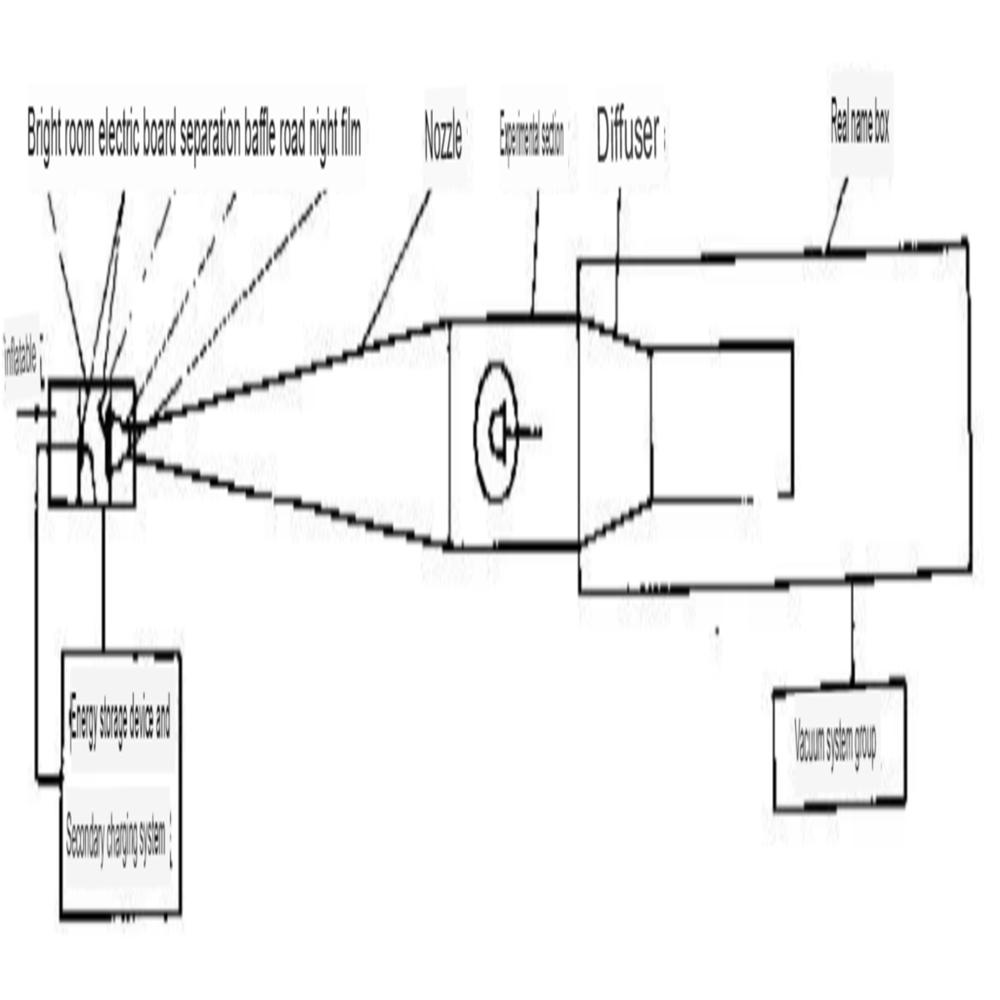
Hot-Shot Wind Tunnel
Price 500000.0 INR / Unit
Minimum Order Quantity : 1 Unit
Pressure Output : Highly Pressurized Air Flow/Adjustable
Power Consumption : Approx. 75 kW
Accessories : Control Console, Test Section, Data Acquisition System
Material : Other, Highgrade Steel and Alloy Components
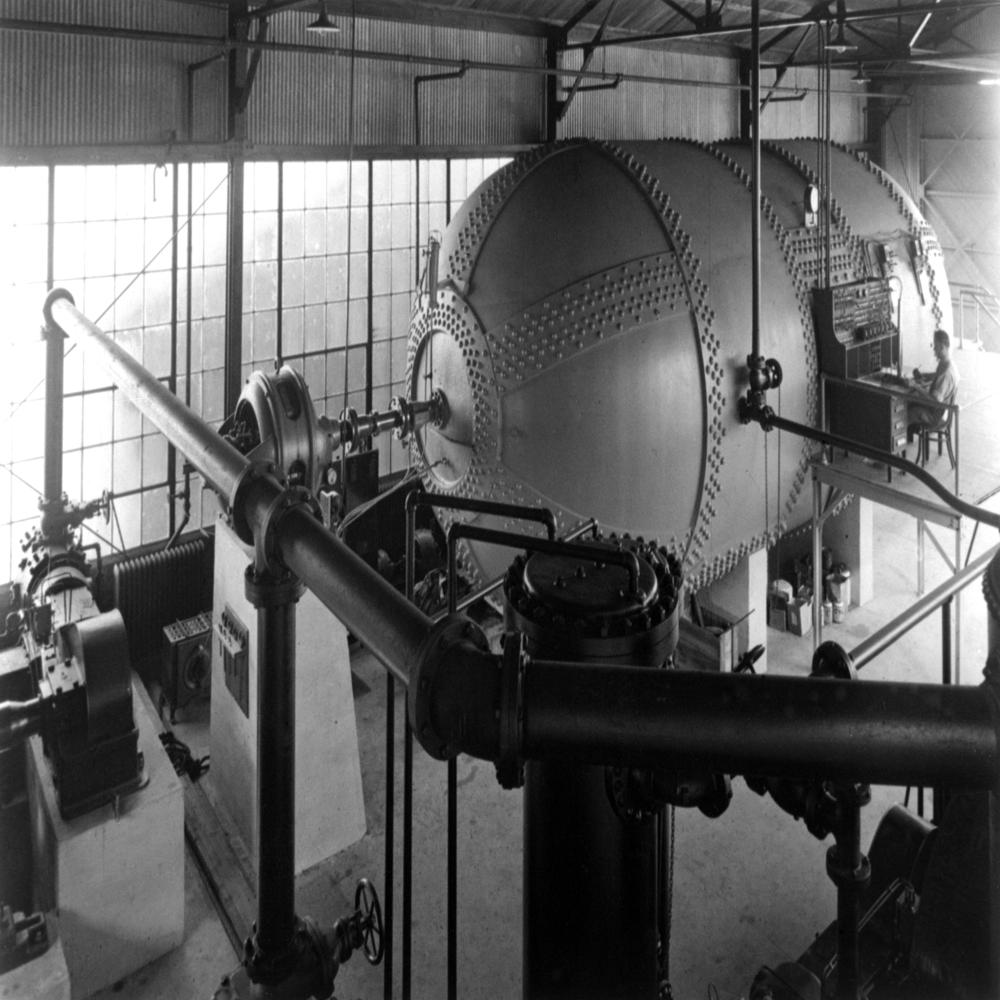
Variable Density Wind Tunnel
Price 500000.0 INR / Unit
Minimum Order Quantity : 1 Unit
Pressure Output : Up to 10 atm (adjustable)
Power Consumption : Approx. 1015 kW (depending on model)
Accessories : Diffuser, Test Section, Settling Chamber, Control Panel, Model Supports
Material : Other, Mild Steel, Aluminium, Glass, Stainless Steel (composite construction)
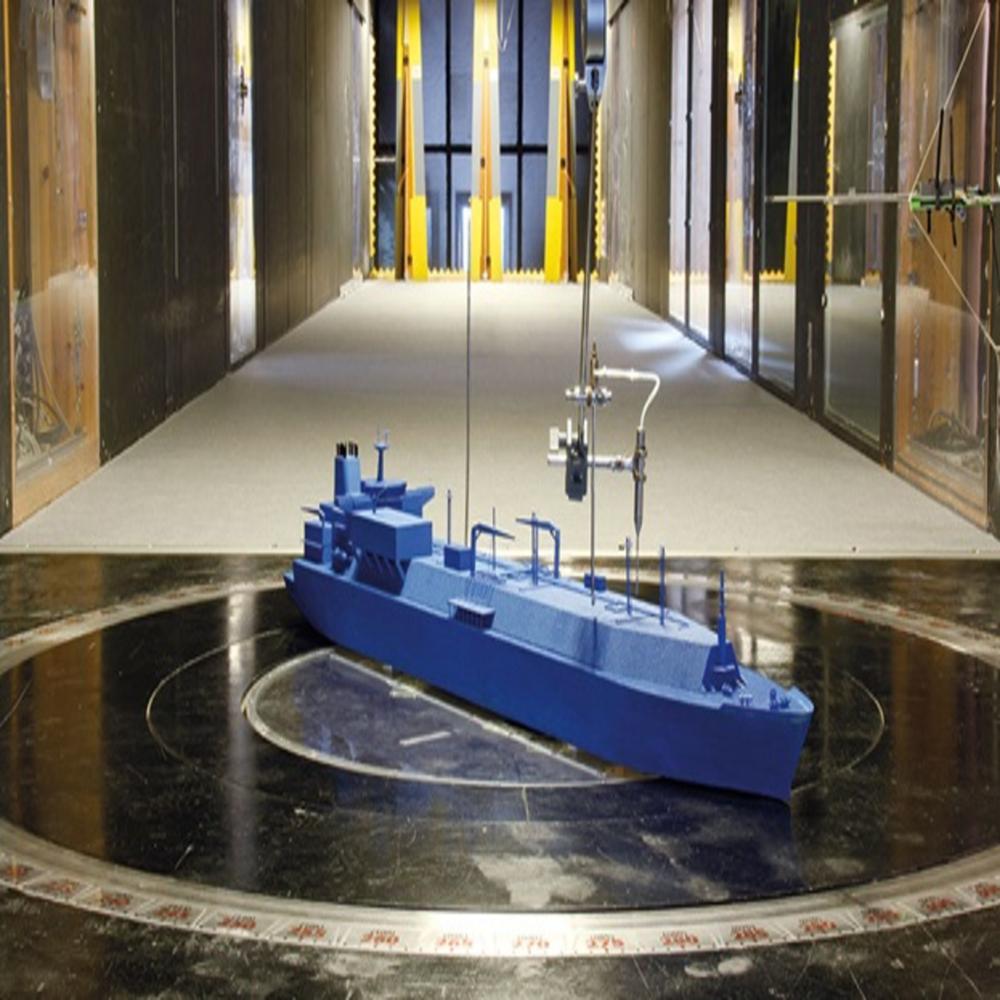
Boundry Layer Wind Tunnel
Minimum Order Quantity : 1 Unit
Pressure Output : Up to 300 mm of water
Power Consumption : 2 kW
Accessories : Pitot Tube, Manometers, Smoke Generator, Traverse Mechanism
Material : Other, Mild Steel, Transparent Acrylic, and Aluminium

 Send Inquiry
Our Products


Plot No - 553, Phase 2 GIDC Vatva, Near Railway Station Vatva,Ahmedabad - 382445, Gujarat, India

Mr Devang Modi
(Director)
Mobile :08045801217
 Send Inquiry
 Send SMS
Developed and Managed by Infocom Network Private Limited.
