
Call us now :08045801217
 Send Inquiry
 Send Inquiry
Hot-Shot Wind Tunnel
Price 500000.0 INR/ Unit
MOQ : 1 Unit
Hot-Shot Wind Tunnel Specification
- Equipment Type
- Hot-Shot Wind Tunnel
- Material
- High-grade Steel and Alloy Components
- Processing Type
- Air Flow Simulation
- Condition
- New
- Technology
- Wind Tunnel Technology
- Dimension (L*W*H)
- 5700 mm x 1600 mm x 2150 mm
- Power Mode
- Electric
- Voltage
- 380V / 440V, 3 Phase
- Power Consumption
- Approx. 75 kW
- Pressure Output
- Highly Pressurized Air Flow/Adjustable
- Application
- Aerodynamics Testing and Research
- Coating Type
- Powder Coated
- Accessories
- Control Console, Test Section, Data Acquisition System
- Data Output
- Digital and Analog Interface
- Test Section Size
- 300 mm x 300 mm cross section
- Working Speed
- Up to 900 m/s (Mach 3)
- Calibration
- Factory Calibrated for Accuracy
- Transportability
- Movable With Integrated Casters
- Frame Construction
- Heavy Duty Welded Frame
- Cooling System
- Integrated Forced-Air Cooling
- Maximum Test Duration
- Up to 10 seconds per shot
- Noise Level
- <80 dB
- Safety Features
- Emergency Stop, Overload Protection, Safety Shields
- Control System
- Advanced Digital Control Panel
Hot-Shot Wind Tunnel About
Marketing Overview
Our hot-shot wind tunnel systems are advanced hypersonic test facilities that generate high-enthalpy flow using pulsed electric arc discharge. Designed for extended-duration hypersonic testing, these tunnels provide quasi-steady flow conditions significantly longer than traditional shock tunnels, enabling both steady and dynamic aerodynamic experiments.
With high-energy electrical heating, controlled gas expansion, and precise measurement systems, the facility supports comprehensive testing of aerodynamic forces, thermal loads, and propulsion systems. Ideal for aerospace and defense research, the system enables realistic simulation of hypersonic flight conditions, including ramjet and high-temperature flow studies.
Technical Datasheet (Generalized Ranges)
1. System Classification
- Flow Type: Arc-heated, impulse / quasi-steady
- Mach Number Range: 8 22
- Flow Regime: Hypersonic / High-enthalpy
2. Operating Principle
- Electrical energy stored in capacitors/inductors
- Arc discharge heats and compresses gas at constant volume
- Diaphragm rupture initiates expansion through nozzle
- Hypersonic flow generated in test section
- Flow discharged into vacuum system
3. Test Section Specifications
- Type: Closed or free-jet
- Typical Size: 0.05 m 1.0 m
- Test Duration: ~20 200 milliseconds (quasi-steady)
4. Flow Performance
- Velocity Range: ~2000 m/s 6000+ m/s
- Mach Number Control Accuracy: 0.05 0.2
- Reynolds Number (per meter):
~1 10 2 10 - Flow Uniformity: 1% 3%
5. Thermal & Energy System
- Arc Chamber Temperature: Up to ~3000 4000 K
- Energy Storage Methods:
- Capacitor banks: up to ~10 MJ
- Inductor systems: ~5 100 MJ
- Direct grid supply: ~10 MJ
- Test Gas Options: Air / Nitrogen (preferred to reduce contamination)
6. Operating Conditions
- Arc Chamber Pressure: High-pressure pulsed system
- Vacuum Requirement: High vacuum downstream (10 bar typical before test)
- Pressure/Temperature Variation: ~10% 50% lower than shock tunnels
7. Key Components
- Energy storage system (capacitor/inductor bank)
- Arc chamber with electrodes
- Diaphragm system
- Convergent-divergent nozzle
- Test section
- Diffuser and vacuum tank
- Control and discharge system
8. Measurement & Instrumentation
(Requires high-speed synchronized acquisition)
- Pressure transducers
- Heat flux sensors
- Force and moment balances
- High-speed data acquisition systems
- Optical diagnostics (Schlieren / imaging)
9. Key Features
- Longer test duration than shock tunnels
- Quasi-steady hypersonic flow
- Suitable for both static and dynamic testing
- Enables full angle-of-attack testing in a single run
- Supports propulsion testing (e.g., ramjet studies)
10. Applications
- Hypersonic vehicle aerodynamics
- Thermal protection and heating studies
- Dynamic stability and control testing
- Ramjet / scramjet engine testing
- High-temperature gas dynamics research
11. Technical Challenges & Solutions
- Material Ablation Control:
- Use of nitrogen test gas
- Optimized electrode and insulation design
- Contamination Reduction:
- Controlled arc temperature (< ~4000 K)
- Improved chamber materials and geometry
12. Optional Configurations
- High-energy arc systems
- Advanced contamination control design
- Specialized test gases (nitrogen, helium)
- Enhanced diagnostics for transient measurements
13. Customization Options
- Energy storage capacity (MJ range)
- Mach number and test duration
- Test section size and configuration
- Arc chamber design and materials
- Instrumentation and diagnostics
Advanced Aerodynamics Testing
This Hot-Shot Wind Tunnel supports high-velocity airflow of up to Mach 3, enabling researchers and engineers to accurately simulate extreme aerodynamic conditions. Its test section is meticulously scaled at 300 mm x 300 mm, providing the precision required for meaningful experimentation.
Seamless Digital Control & Monitoring
Equipped with an advanced digital control panel, users can effortlessly manage test cycles, adjust parameters, and monitor performance in real time. Digital and analog data interfaces simplify integration with modern data acquisition systems, streamlining analysis and reporting.
Rugged Design and Enhanced Safety
Built with a heavy-duty welded frame and powder-coated for durability, the wind tunnel is both robust and portable. It features essential safety elements such as emergency stops, overload protection, and safety shields, ensuring a secure environment for users during high-speed tests.
FAQ's of Hot-Shot Wind Tunnel:
Q: How does the Hot-Shot Wind Tunnel achieve Mach 3 airflow within the test section?
A: The Hot-Shot Wind Tunnel utilizes a high-powered, electrically driven system that generates and regulates highly pressurized air flow, rapidly accelerating the air through the 300 mm x 300 mm test section to reach speeds up to 900 m/s (Mach 3), simulating extreme aerodynamic conditions.Q: What are the main benefits of using this wind tunnel for research and testing?
A: Key benefits include accurate, repeatable high-speed airflow for advanced aerodynamics research, intuitive digital controls for ease of operation, real-time data output for detailed analysis, and comprehensive safety features for secure usage in academic and industrial settings.Q: When should I consider using the Hot-Shot Wind Tunnel in my testing process?
A: This wind tunnel is ideal for scenarios requiring short-duration, high-velocity airflow, such as materials or model testing at supersonic speeds, validation of aerodynamic designs, and calibration or verification of sensors under fast flow conditions.Q: Where can the wind tunnel be installed and operated safely?
A: Due to its electrically powered system and portability with integrated casters, the wind tunnel can be safely operated in dedicated laboratory or research facility spaces equipped with 380V/440V, 3-phase electricity and proper ventilation to accommodate its high-power and airflow demands.Q: What is the process for collecting data during wind tunnel tests?
A: During each test shot (up to 10 seconds), data is captured via integrated acquisition systems, with both digital and analog outputs available. This allows researchers to monitor test parameters and analyze results using compatible data systems for immediate and future reference.Q: How does the integrated cooling system contribute to reliable operation?
A: The forced-air cooling system dissipates heat generated during rapid airflow tests, maintaining equipment integrity and ensuring stable performance even at peak wind speeds. This minimizes downtime and extends the service life of the wind tunnel.Q: What safety features are included to protect users during high-speed tests?
A: Safety is ensured through emergency stop buttons, overload protection systems, safety shields to contain debris, and control interlocks. These features protect operators and equipment during all test scenarios, upholding a safe testing environment.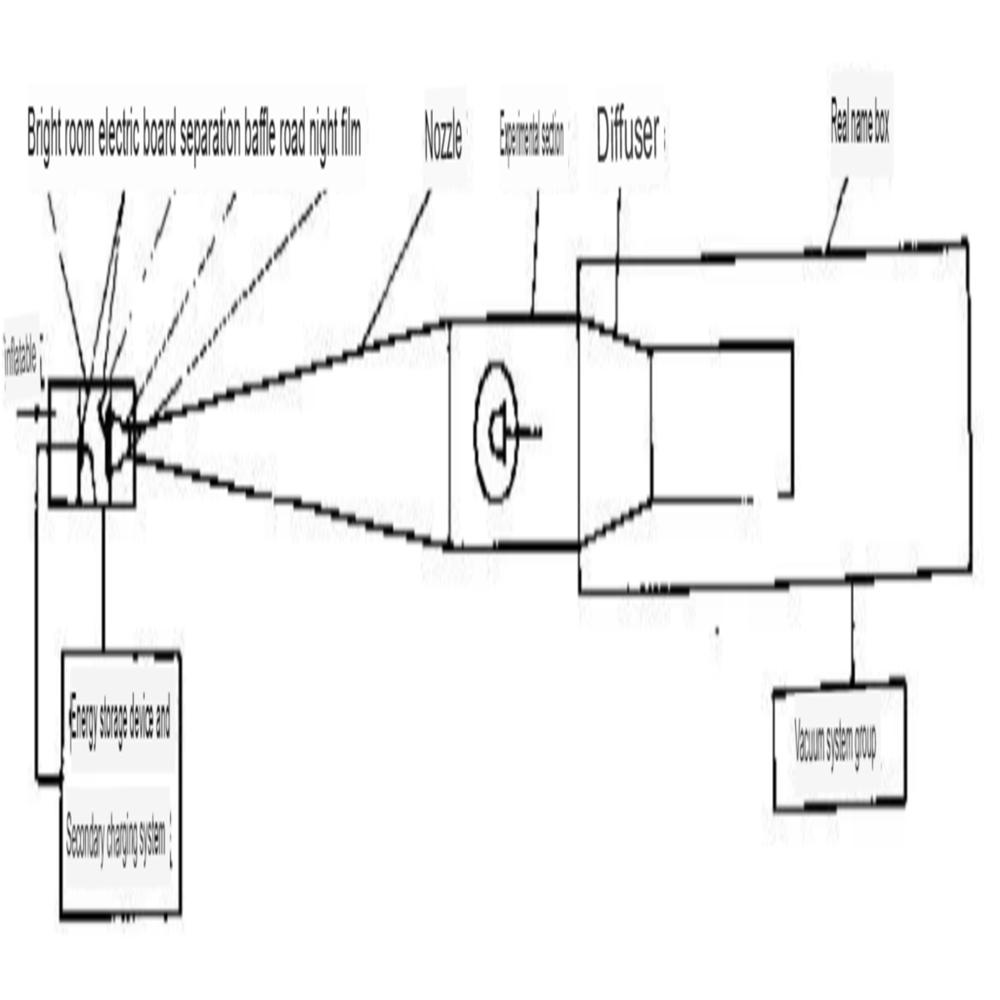
Tell us about your requirement

Price:
Quantity
Select Unit
- 50
- 100
- 200
- 250
- 500
- 1000+
Additional detail
Mobile number
Email

More Products in Speciality Wind Tunnels Category
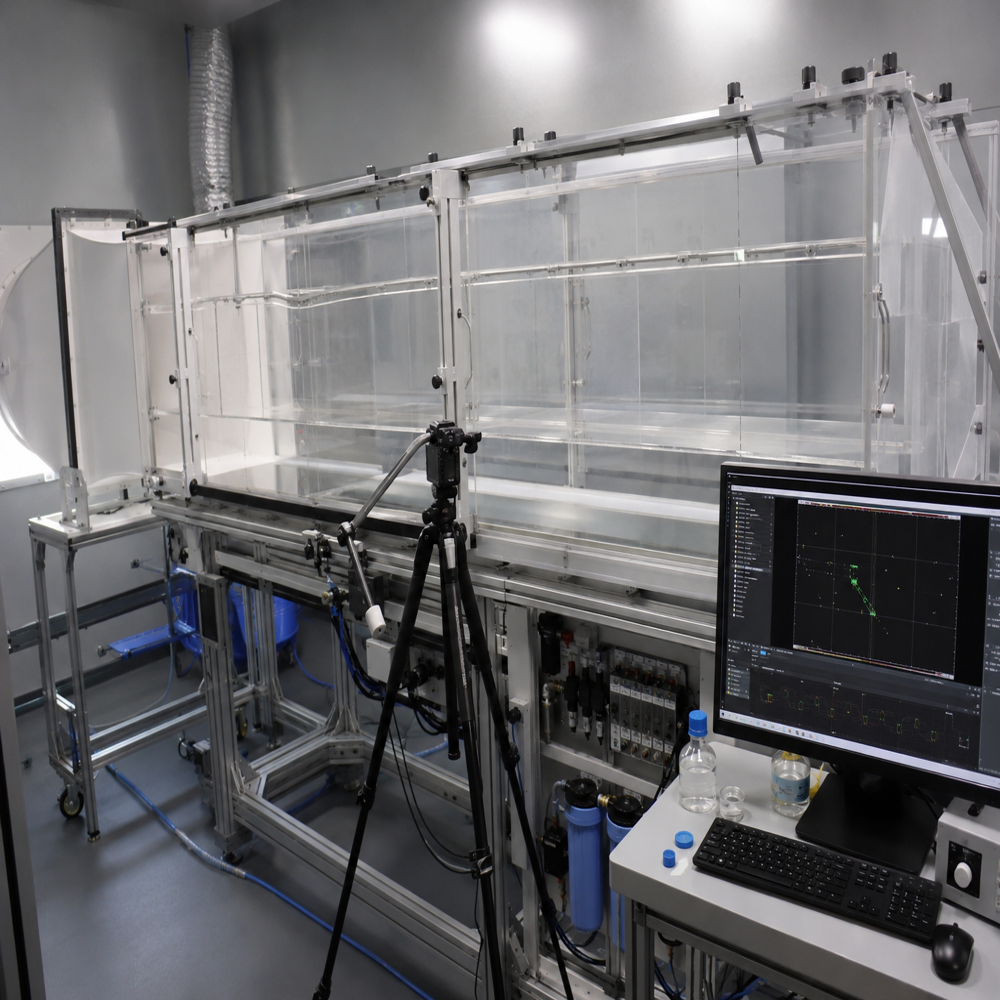
Bio-Assyl Wind Tunnel
Price 500000.0 INR / Unit
Minimum Order Quantity : 1 Unit
Dimension (L*W*H) : 1800 mm x 700 mm x 700 mm
Accessories : HEPA Filter, Control Panel, Mounting Stand
Technology : Other, Aerodynamic Flow Control
Equipment Type : BioAssyl Wind Tunnel
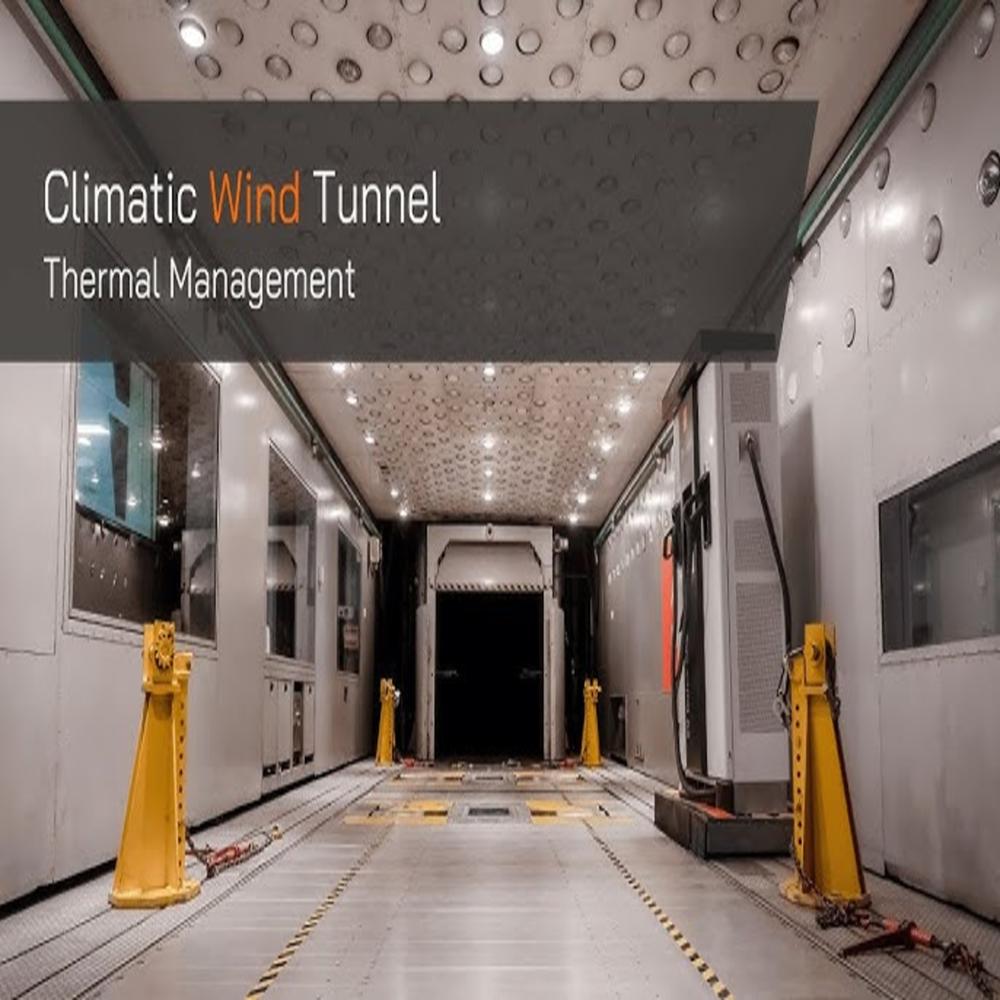
Climatic Wind Tunnel
Price 500000.0 INR / Unit
Minimum Order Quantity : 1 Unit
Dimension (L*W*H) : 12000 mm x 4500 mm x 4000 mm
Accessories : Temperature and humidity sensors, Data acquisition system, Control panels, Test stands
Technology : Other, Advanced simulation with precision climate and airflow control
Equipment Type : Climatic Wind Tunnel
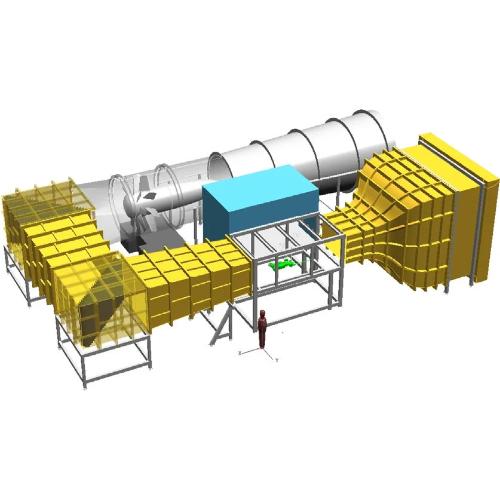
Large Wind Tunnel
Price 500000.0 INR / Unit
Minimum Order Quantity : 1 Unit
Dimension (L*W*H) : 8.5 m x 3.2 m x 3 m
Accessories : Data Acquisition System, Display Console, Control Software, Test Section Fixtures
Technology : Other, Advanced Wind Simulation Technology
Equipment Type : Large Wind Tunnel

Plasma Wind Tunnel
Price 500000.0 INR / Unit
Minimum Order Quantity : 1 Unit
Dimension (L*W*H) : Approx. 5 m x 2 m x 2.5 m
Accessories : Control Console, Data Acquisition System, Test Section Modules
Technology : Other, Plasma Arc, HighTemperature Simulation
Equipment Type : Wind Tunnel

 Send Inquiry
Our Products


Plot No - 553, Phase 2 GIDC Vatva, Near Railway Station Vatva,Ahmedabad - 382445, Gujarat, India

Mr Devang Modi
(Director)
Mobile :08045801217
 Send Inquiry
 Send SMS
Developed and Managed by Infocom Network Private Limited.
