
Call us now :08045801217
 Send Inquiry
 Send Inquiry
Boundry Layer Wind Tunnel
MOQ : 1 Unit
Boundry Layer Wind Tunnel Specification
- Equipment Type
- Wind Tunnel Apparatus
- Material
- Mild Steel, Transparent Acrylic, and Aluminium
- Processing Type
- Dynamic Airflow Simulation
- Condition
- New
- Technology
- Aerodynamic Simulation
- Dimension (L*W*H)
- 2600 mm x 600 mm x 1200 mm
- Power Mode
- Electric
- Voltage
- 220-240 V, 50 Hz
- Power Consumption
- 2 kW
- Pressure Output
- Up to 300 mm of water
- Application
- Educational and Research Experiments on Boundary Layer Flows
- Coating Type
- Powder Coated
- Accessories
- Pitot Tube, Manometers, Smoke Generator, Traverse Mechanism
- Safety Features
- Overload and Emergency Stop Switch
- Test Section Size
- 600 mm x 300 mm (L x H)
- Noise Level
- < 65 dB
- Working Speed
- 0.3 to 30 m/s
- Observation Windows
- Acrylic Transparent Panes
- Air Straightener
- Honeycomb Grid
- Control System
- Digital Speed and Pressure Monitoring
- Drive Motor Type
- Variable Speed Motor
- Calibration Certificates
- Provided
- Flow Uniformity
- 2%
- Structural Frame
- Heavy Duty Mild Steel Frame
Boundry Layer Wind Tunnel About
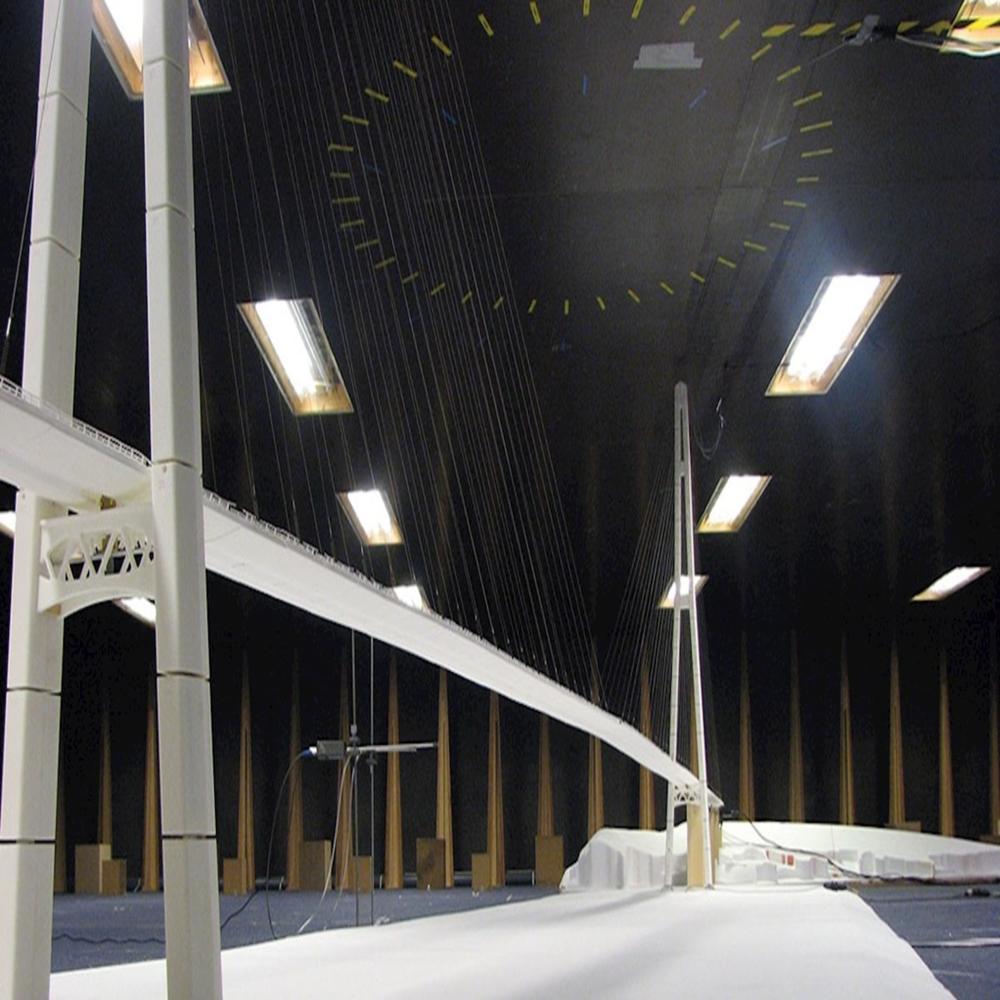
A controlled aerodynamic testing facility designed for boundary-layer wind simulation of buildings, structures, and infrastructure models under realistic atmospheric flow conditions.
Facility Overview
- Type: Boundary Layer Wind Tunnel (WT2)
- Application: Structural aerodynamics, wind engineering, environmental flow studies
- Flow Condition: Atmospheric boundary-layer simulation (turbulent wind profiles)
Test Section Dimensions
- Height: 1.8 2.3 m (adjustable / variable roof section)
- Width: 2.6 m
- Length: 20.8 m
- Test Section Type: Long development section for fully formed boundary-layer flow
Aerodynamic Performance
- Maximum Wind Speed: up to 24 m/s
- Flow Control: Continuously adjustable velocity
- Flow Quality: Engineered turbulence structure for realistic urban/terrain boundary layers
Testing Capabilities
- Wind loading on buildings and bridges
- Gust response and turbulence interaction studies
- Pedestrian-level wind comfort assessment
- Dispersion and environmental airflow modelling
- Structural aeroelastic response of scaled models
Key Features
- Extended test section length for fully developed flow conditions
- Adjustable ceiling height for profile optimization
- High-quality boundary-layer simulation for urban and terrain replication
- Suitable for scaled aerodynamic and environmental studies
Optimized for Research and Education
This wind tunnel apparatus is meticulously engineered to support both students and researchers in studying boundary layer phenomena and aerodynamic behaviors. With advanced features such as a digital monitoring system, transparent observation panels, and a range of precise instruments, users are empowered to conduct thorough and insightful experiments.
Exceptional Structural Stability and Safety
Constructed with a heavy-duty mild steel frame and powder-coated finish, this apparatus guarantees durability and reliability. Safety is prioritized through integrated overload and emergency stop switches, ensuring secure operation for all users.
FAQ's of Boundry Layer Wind Tunnel:
Q: How does the Boundary Layer Wind Tunnel achieve high flow uniformity?
A: The wind tunnel incorporates a honeycomb grid air straightener and carefully designed test section to ensure flow uniformity of 2%. This minimizes turbulence and delivers consistent airflow throughout the test area, enabling accurate boundary layer measurements.Q: What educational and research benefits does this apparatus offer?
A: This wind tunnel provides hands-on experience with boundary layer flows and aerodynamic simulations, invaluable for understanding real-world aerodynamic applications. Researchers and students can visualize airflow using the supplied smoke generator and analyze pressure using Pitot tubes and manometers.Q: When should the safety features be engaged during operation?
A: The overload and emergency stop switches should be used immediately in the event of an equipment malfunction or unsafe condition, ensuring the protection of both the user and the apparatus during testing processes.Q: Where are measurements and observations conducted in this system?
A: All measurements and visual observations are carried out in the 600 mm x 300 mm test section, which is equipped with transparent acrylic panes. These enable clear visibility for smoke flow analysis and instrumentation placement without interference.Q: What is the process for calibrating the wind tunnel?
A: The wind tunnel is supplied with calibration certificates and comes pre-calibrated. Users can verify calibration through standard procedures using included accessories like manometers and Pitot tubes, ensuring reliable pressure and velocity readings.Q: How is the wind speed controlled and monitored?
A: Wind speed is maintained using a variable speed drive motor, while the digital monitoring system allows real-time speed and pressure adjustments. This makes it easy to simulate a range of testing conditions relevant to aerodynamic research.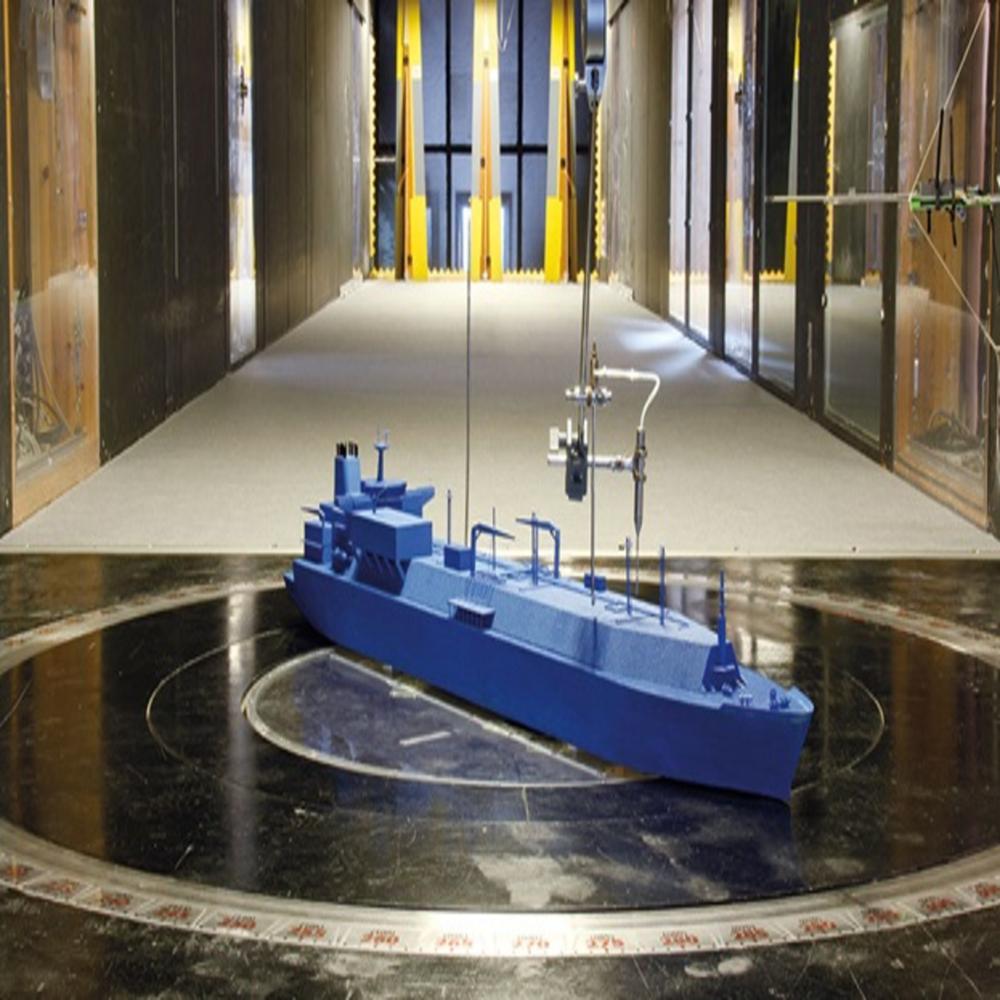
Tell us about your requirement

Price:
Quantity
Select Unit
- 50
- 100
- 200
- 250
- 500
- 1000+
Additional detail
Mobile number
Email

More Products in Speciality Wind Tunnels Category
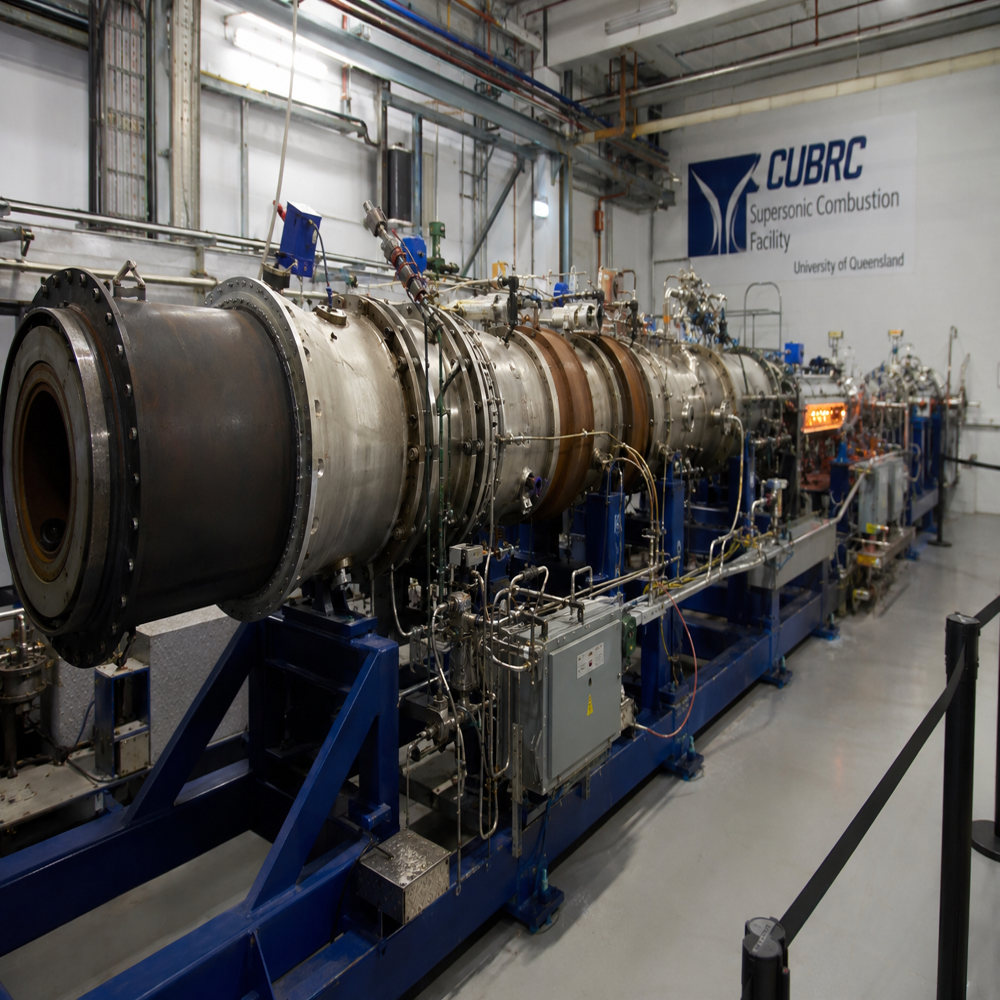
Supersonic Combustion Wind Tunnel
Price 500000.0 INR / Unit
Minimum Order Quantity : 1 Unit
Processing Type : Other, Machined and Fabricated
Condition : New
Application : Aerospace Engineering, Combustion Research, Hypersonic Flow Studies
Dimension (L*W*H) : 4300 mm x 1200 mm x 1600 mm
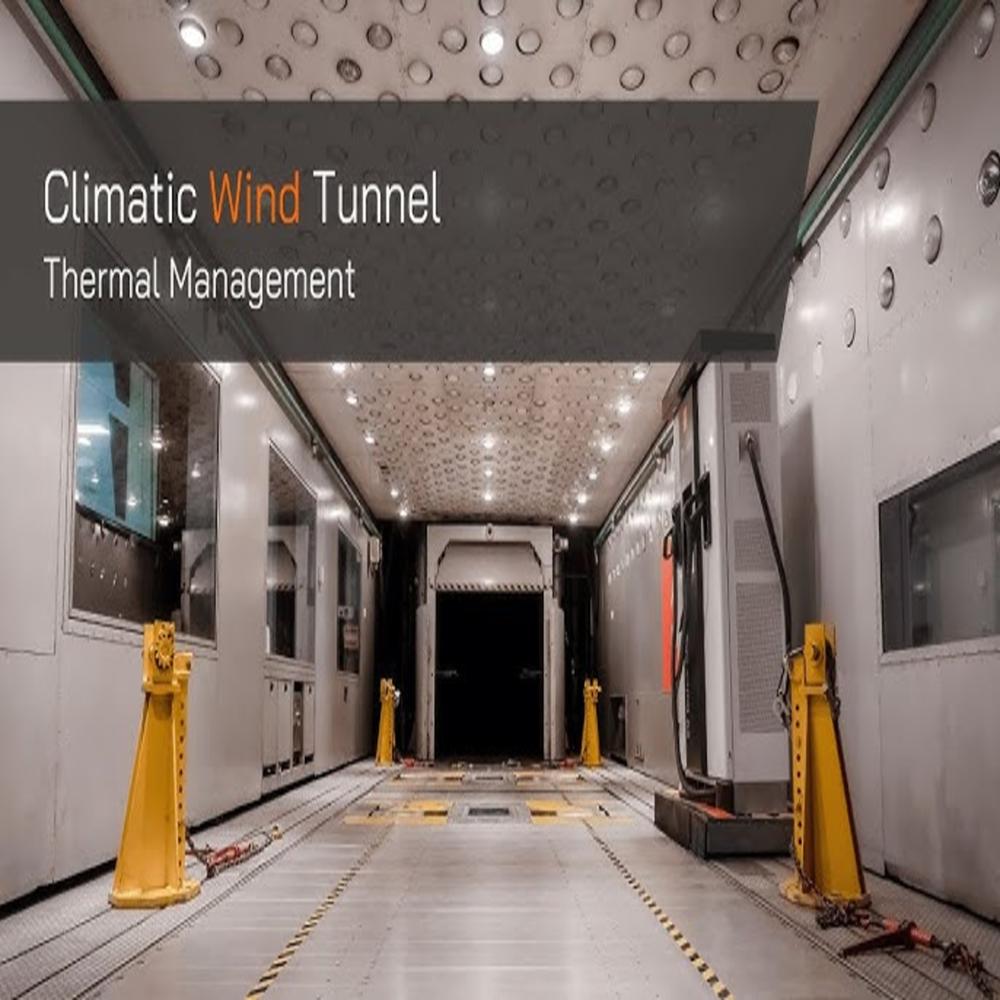
Climatic Wind Tunnel
Price 500000.0 INR / Unit
Minimum Order Quantity : 1 Unit
Processing Type : Other, Custom Fabrication
Condition : New
Application : Automotive testing, Aerospace research, Building material analysis, Environmental simulations
Dimension (L*W*H) : 12000 mm x 4500 mm x 4000 mm
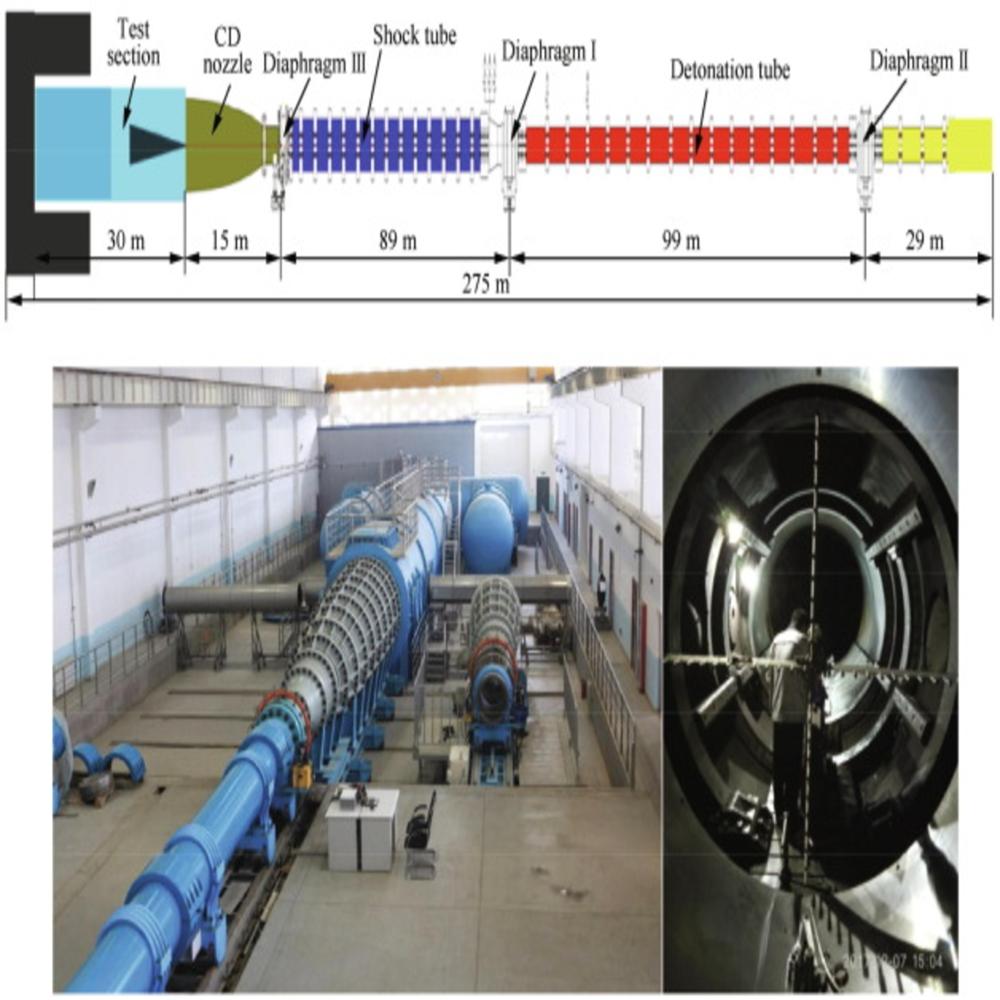
Hypersonic High Enthalpy Wind Tunnel
Price 500000.0 INR / Unit
Minimum Order Quantity : 1 Unit
Processing Type : Other, Thermal and Fluidic Simulation
Condition : New
Application : Aerodynamics and Aerospace Research, Hypersonic Vehicle Analysis, Material Testing at High Temperature
Dimension (L*W*H) : Customized (Typical: 8.0 m x 2.5 m x 2.8 m)
Wide Boundry Layer Wind Tunnel
Minimum Order Quantity : 1 Unit
Processing Type : Other, Mechanical
Condition : New
Application : Aerodynamics Education, Research, Measurement of Boundary Layer parameters
Dimension (L*W*H) : 3000 mm x 600 mm x 1200 mm

 Send Inquiry
Our Products


Plot No - 553, Phase 2 GIDC Vatva, Near Railway Station Vatva,Ahmedabad - 382445, Gujarat, India

Mr Devang Modi
(Director)
Mobile :08045801217
 Send Inquiry
 Send SMS
Developed and Managed by Infocom Network Private Limited.
