
Call us now :08045801217
 Send Inquiry
 Send Inquiry
Close Circuit Wind Tunnel
Close Circuit Wind Tunnel Specification
- Material
- Mild Steel Body with Acrylic Test Section
- Processing Type
- Airflow Simulation
- Condition
- New
- Technology
- Closed Circuit Subsonic Wind Tunnel
- Dimension (L*W*H)
- 2500 mm x 900 mm x 1700 mm
- Power Mode
- Electric
- Voltage
- 220-240V AC, 50Hz
- Power Consumption
- 2-5 kW
- Pressure Output
- Low Pressure to Atmospheric
- Application
- Aerodynamics Experimentation, Educational Demonstrations, Research & Development
- Coating Type
- Powder Coated
- Accessories
- Manometer, Pitot Static Tube, Smoke Generator, Model Holders, Digital Display Unit
- Flow Uniformity
- 1% across test section
- Window Material
- Clear Acrylic
- Fan Blade Material
- Aluminium
- Control System
- Digital Speed Controller
- Noise Level
- <70 dB
- Drive Type
- Variable Speed Axial Flow Fan
- Calibration
- Factory Calibrated with Certificate
- Measurement Range
- Velocity, Static & Dynamic Pressure, Drag Force
- Equipment Type
- Wind Tunnel Apparatus
- Test Section Size
- 300 mm x 300 mm x 600 mm
- Frame Finish
- Epoxy Painted Steel Frame
- Working Speed
- 0.5 - 40 m/s (adjustable)
- Mobility
- Mounted on Lockable Castor Wheels
- Safety Features
- Overload Protection, Emergency Stop Button
Close Circuit Wind Tunnel About
Overview
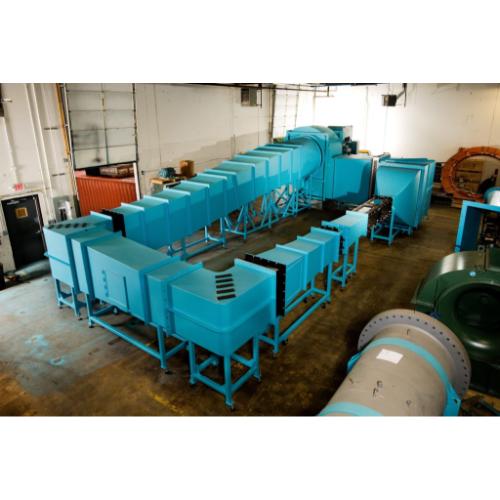
High-performance closed-circuit wind tunnels engineered for precision aerodynamic testing and energy-efficient operation. Built with robust steel construction, these systems offer complete design flexibility to accommodate space constraints, structural limitations, and specialized research requirements.
Designed primarily as single-return, horizontal circuits, each system delivers exceptionally stable, low-turbulence airflow suitable for advanced R&D and academic applications.
Key Advantages
- Ultra-Low Turbulence: Typically, < 0.10% across full speed range
- Energy Efficient: Lower power requirement vs. open-circuit tunnels
- Stable Flow Conditions: Isolated from ambient lab disturbances
- Low Noise Operation
- Clean Airflow: Dust and particulates contained within the circuit
- Enhanced Equipment Safety: Reduced risk to fan system
Technical Datasheet (Typical Ranges)
Performance
- Airspeed Range: 5 to 150 m/s (customizable based on design)
- Turbulence Intensity: < 0.10%
- Flow Uniformity: 0.5% across test section
Circuit Configuration
- Type: Single-return (standard), multi-return/custom available
- Orientation: Horizontal (vertical/custom layouts optional)
- Construction: Heavy-duty steel fabrication
Test Section
- Size Range: 0.3 m 0.3 m to 3 m 3 m (customizable)
- Length: 1 m to 10 m
- Access: Modular panels, optical windows, instrumentation ports
Flow Conditioning
- Contraction Section:
- Ratio: 6:1 to 12:1 (typical)
- Profile: 5th- or 9th-order polynomial contour for smooth acceleration
- Settling Chamber: Multi-stage flow straightening and screening
- Diffusers & Corners: Optimized for minimal pressure loss
Design Considerations
Advantages vs Open Circuit
- Lower operating power for equivalent speeds
- Controlled environment for particulate or sensitive testing
- Minimal external airflow interference
- Reduced acoustic emissions
Limitations
- Higher capital cost (~23 for similar test section size)
- Larger installation footprint
- Heat buildup during extended operation
- Not ideal for combustion or exhaust-intensive testing
Customization Options
- Low-height or space-constrained layouts
- Integration around building columns/structures
- Thermal control systems (cooling/heat exchangers)
- Advanced instrumentation & automation
- Specialized test sections (aeroacoustics, automotive, UAV, etc.)
Applications
- Aerospace and automotive aerodynamics
- High-precision research and calibration
- Environmental and flow physics studies
- Academic laboratories and national research centres
Precision in Aerodynamics
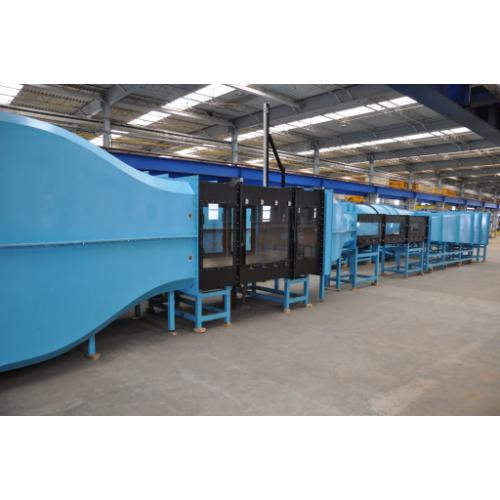
Engineered for accuracy, the Closed Circuit Wind Tunnel enables meticulous measurement of velocity, static and dynamic pressures, and drag force. Its advanced control system provides stable and repeatable test conditions essential for detailed research and educational experimentation. With clear acrylic test section windows, it offers direct observation and analysis of airflow patterns around models.
Durable and User-Friendly Design
Constructed with an epoxy-painted steel frame and clear acrylic panels, this wind tunnel combines robustness with ease of use. It is mounted on lockable castor wheels for convenient mobility and features digital controls alongside safety measures like overload protection and an emergency stop button, making it suitable for long-term academic and industrial deployment.
FAQ's of Close Circuit Wind Tunnel:
Q: How do I adjust the airflow speed in the wind tunnel?
A: The airflow speed can be easily adjusted from 0.5 to 40 m/s using the digital speed controller, allowing you to set the desired testing conditions precisely for various experiments and research needs.Q: What types of measurements can be conducted within the test section?
A: This wind tunnel supports measurements of airflow velocity, static and dynamic pressures, and drag force. Instruments such as a manometer and pitot static tube are included to facilitate these evaluations.Q: When is factory calibration required, and is certification provided?
A: The wind tunnel comes factory calibrated and includes a calibration certificate, ensuring immediate readiness and accurate results. Periodic recalibration may be advised based on usage intensity or compliance requirements.Q: Where can this wind tunnel apparatus be utilized effectively?
A: It is suited for use in educational institutions, research centers, and development laboratories where aerodynamic phenomena need to be demonstrated, studied, or analyzed with precision and safety.Q: What is the process for conducting an aerodynamic experiment using this setup?
A: To conduct an experiment, secure the model in the holder, set the desired speed through the digital controller, and utilize included accessories such as the smoke generator for flow visualization. Data can be recorded via the digital display unit and analyzed accordingly.Q: How does the design ensure safety during operation?
A: Safety features include overload protection, an emergency stop button, and robust construction materials. The apparatus is also equipped with low-noise operation and lockable wheels to ensure user safety and comfort during use.Q: What are the key benefits of choosing this wind tunnel over others?
A: Key advantages include highly uniform flow, adjustable speed, clear visibility for observation, comprehensive measurement capabilities, mobility, and enhanced safety-all suitable for a wide range of aerodynamic studies and demonstrations.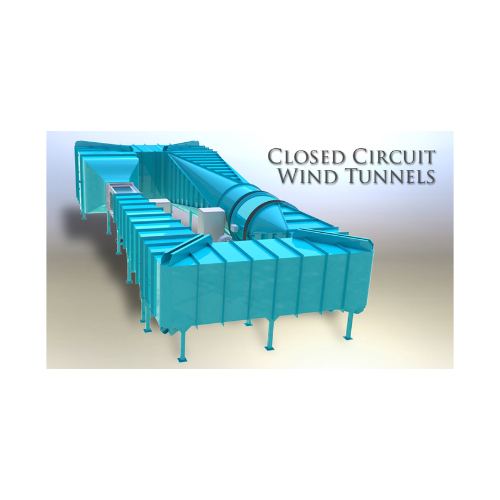
Tell us about your requirement

Price:
Quantity
Select Unit
- 50
- 100
- 200
- 250
- 500
- 1000+
Additional detail
Mobile number
Email

More Products in Speciality Wind Tunnels Category
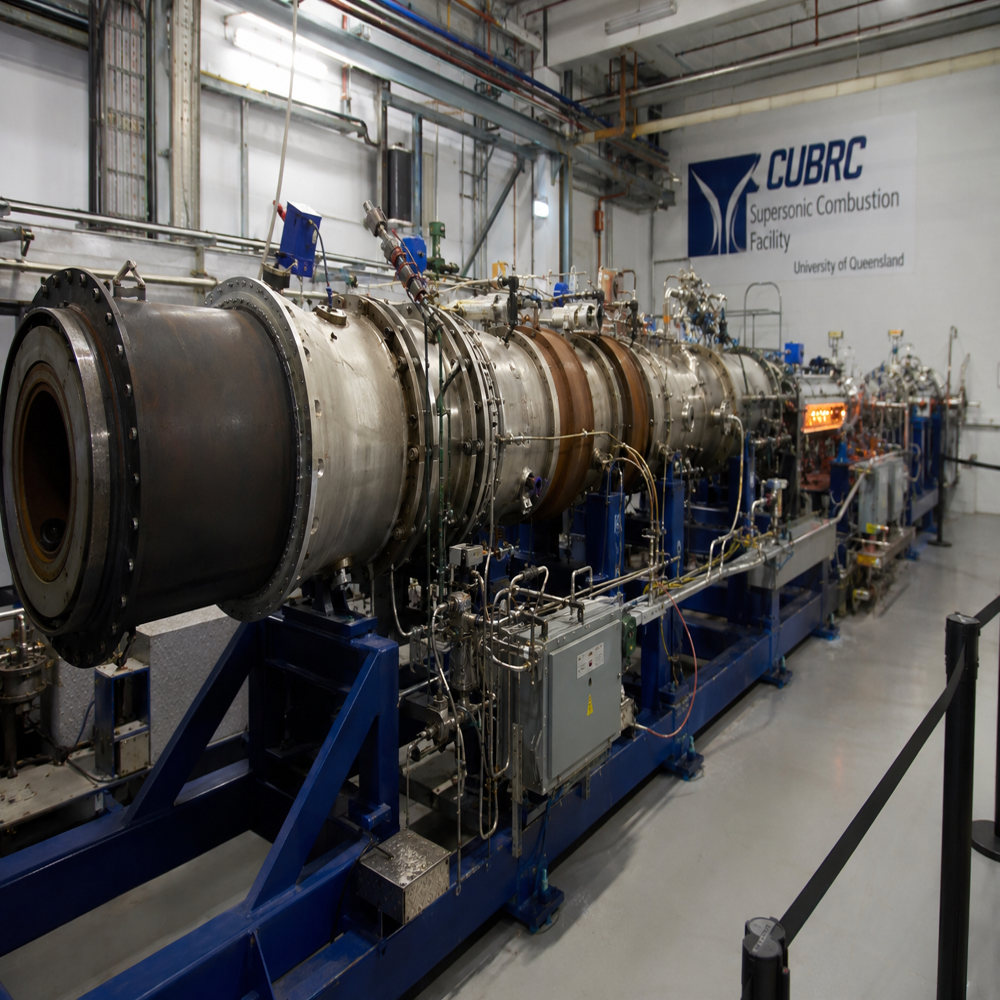
Supersonic Combustion Wind Tunnel
Price 500000.0 INR / Unit
Minimum Order Quantity : 1 Unit
Equipment Type : Wind Tunnel
Condition : New
Technology : Other, Supersonic Flow Simulation, Combustion Analysis
Power Consumption : 8 kW
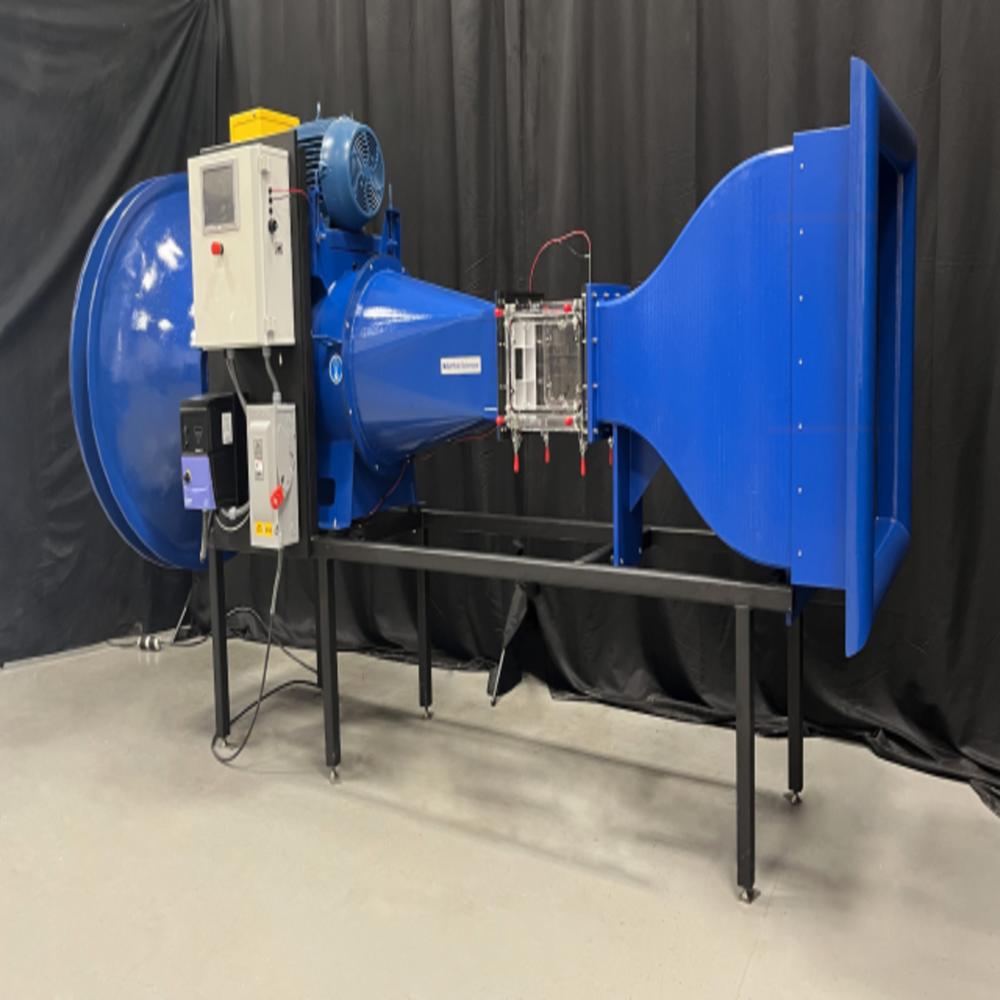
Calibration Wind Tunnel
Price 500000.0 INR / Unit
Minimum Order Quantity : 1 Unit
Equipment Type : Calibration Wind Tunnel
Condition : New
Technology : Other, Aerodynamic Wind Tunnel
Power Consumption : 3 kW
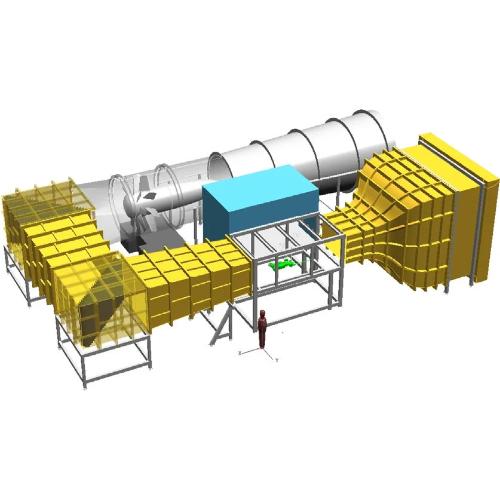
Large Wind Tunnel
Price 500000.0 INR / Unit
Minimum Order Quantity : 1 Unit
Equipment Type : Large Wind Tunnel
Condition : New
Technology : Other, Advanced Wind Simulation Technology
Power Consumption : 50 kW (maximum)

Plasma Wind Tunnel
Price 500000.0 INR / Unit
Minimum Order Quantity : 1 Unit
Equipment Type : Wind Tunnel
Condition : New
Technology : Other, Plasma Arc, HighTemperature Simulation
Power Consumption : 50 200 kW

 Send Inquiry
Our Products


Plot No - 553, Phase 2 GIDC Vatva, Near Railway Station Vatva,Ahmedabad - 382445, Gujarat, India

Mr Devang Modi
(Director)
Mobile :08045801217
 Send Inquiry
 Send SMS
Developed and Managed by Infocom Network Private Limited.
