
Call us now :08045801217
 Send Inquiry
 Send Inquiry
Plasma Wind Tunnel
Price 500000.0 INR/ Unit
MOQ : 1 Unit
Plasma Wind Tunnel Specification
- Equipment Type
- Wind Tunnel
- Material
- Stainless Steel
- Processing Type
- Continuous
- Condition
- New
- Technology
- Plasma Arc, High-Temperature Simulation
- Dimension (L*W*H)
- Approx. 5 m x 2 m x 2.5 m
- Power Mode
- Electric
- Voltage
- 380 V
- Power Consumption
- 50 - 200 kW
- Pressure Output
- Up to 1 atm
- Application
- Aerospace Material Testing, Plasma Jet Simulation, Thermal Protection Studies
- Accessories
- Control Console, Data Acquisition System, Test Section Modules
- Chamber Material
- High-Temperature Alloys
- Noise Level
- Below 85 dB
- Safety Features
- Emergency Shutoff, Overload Protection, Cooling Interlocks
- Maximum Test Temperature
- Up to 7000 K
- Test Section Size
- 300 mm 300 mm
- Measurement Capability
- Temperature, Pressure, and Flow Speed Sensors
- Weight
- Approx. 3 Tons
- Control System
- PLC Based with Digital Interface
- Cooling System
- Water Cooled Walls
- Working Speed
- Up to Mach 6
- Plasma Gas Used
- Argon, Nitrogen, or Air
- Installation Type
- Floor Mounted
Plasma Wind Tunnel About
Overview
A plasma wind tunnel (PWT) is an advanced ground test facility designed to replicate extreme aerodynamic heating and high-Mach re-entry conditions. By generating high-temperature plasma flows, the system enables accurate simulation of hypersonic environments for material testing, thermal protection system (TPS) validation, and aerospace research.
Engineered for precision and reliability, the PWT delivers controlled high-enthalpy flow conditions, making it ideal for research institutions, aerospace laboratories, and defense applications.
Technical Datasheet (Generalized Specifications)
Flow Characteristics
- Mach Number Range: 5 20+
- Flow Velocity: 1.5 7 km/s
- Plasma Temperature: 2,000 15,000 K
- Enthalpy Range: 5 50 MJ/kg
Plasma Generation
- Plasma Source: DC Arc / RF Induction / Plasma Torch
- Power Input: 100 kW 5 MW
- Working Gases: Air, Nitrogen, Argon, Oxygen mixtures
Test Section
- Test Chamber Pressure: 0.01 1 atm
- Nozzle Type: Converging-Diverging (De Laval)
- Test Section Diameter: 50 500 mm
- Sample Mounting: Water-cooled sting/probe system
Thermal & Cooling Systems
- Cooling Method: Closed-loop water cooling
- Heat Flux Capability: 0.5 20 MW/m
Instrumentation & Control
- Temperature Measurement: Thermocouples, Pyrometers
- Pressure Sensors: High-frequency transducers
- Data Acquisition: High-speed DAQ system (kHzMHz range)
- Optical Diagnostics: Schlieren / Spectroscopy (optional)
Vacuum & Exhaust System
- Vacuum Pumping Capacity: Up to 10 mbar (pre-test)
- Exhaust Handling: Gas quenching and filtration system
Safety & Automation
- Automated Control System: PLC/SCADA-based
- Safety Features: Overheat protection, arc stability control, emergency shutdown
Key Applications
- Thermal Protection System (TPS) testing
- Hypersonic vehicle research
- Re-entry simulation studies
- Material ablation and erosion testing
- Plasma flow physics research
Innovative High-Temperature Testing
Our Plasma Wind Tunnel enables advanced testing at hypersonic speeds and extreme temperatures. With a maximum test temperature of 7000 K, it is specifically designed for aerospace material research and the development of next-generation thermal protection systems. The use of noble gases and high-temperature automation ensures reliable and repeatable results.
Precision Engineering and Control
Equipped with a PLC-based digital interface and a water-cooled chamber made from high-temperature alloys, the wind tunnel guarantees operational stability and process safety. Comprehensive sensor arrays allow for precise, real-time measurement of flow conditions across all tests, enhancing data quality for research and industrial applications.
FAQ's of Plasma Wind Tunnel:
Q: How does the plasma wind tunnel achieve temperatures up to 7000 K during testing?
A: The plasma wind tunnel utilizes a plasma arc technology, energizing Argon, Nitrogen, or Air gases to extremely high temperatures. This allows the simulation of hypersonic flight conditions with controlled and precise temperature environments for advanced material studies.Q: What are the main applications of the plasma wind tunnel in aerospace research?
A: It is primarily used for aerospace material testing, plasma jet simulation, and thermal protection studies. Its ability to replicate flight conditions at up to Mach 6 makes it ideal for evaluating thermal durability and erosion resistance of materials used in spacecraft and high-speed aircraft.Q: When should I use Argon, Nitrogen, or Air as the plasma gas?
A: The choice of plasma gas depends on the material under examination and the desired simulation conditions. Argon is typically chosen for inert and precise environments, while Nitrogen or Air can be used for simulating real atmospheric interactions in flight scenarios.Q: Where should the plasma wind tunnel be installed for optimal safety and performance?
A: Due to its dimensions (approximately 5 m x 2 m x 2.5 m) and weight of around 3 tons, the plasma wind tunnel should be installed in a spacious, well-ventilated facility with suitable floor reinforcement and electrical infrastructure. Noise control and cooling water supply should also be ensured.Q: What safety features are integrated into the plasma wind tunnel system?
A: Safety is prioritized with features such as emergency shutoff, overload protection, and cooling interlocks. The system is designed to automatically stop operations if any unsafe condition is detected, protecting both operators and equipment.Q: How is data collected and analyzed during wind tunnel tests?
A: Data acquisition is handled by an integrated digital system connected to temperature, pressure, and flow speed sensors. The control console allows real-time monitoring and retrieval of test data for analysis, supporting robust research and development outcomes.Q: What are the benefits of using a PLC-based digital interface for control?
A: A PLC-based digital interface provides precise process control, automation, and easy integration with data acquisition systems. It simplifies operation, enhances safety through interlocks and monitoring, and allows for custom programming to meet specific research requirements.
Tell us about your requirement

Price:
Quantity
Select Unit
- 50
- 100
- 200
- 250
- 500
- 1000+
Additional detail
Mobile number
Email

More Products in Speciality Wind Tunnels Category
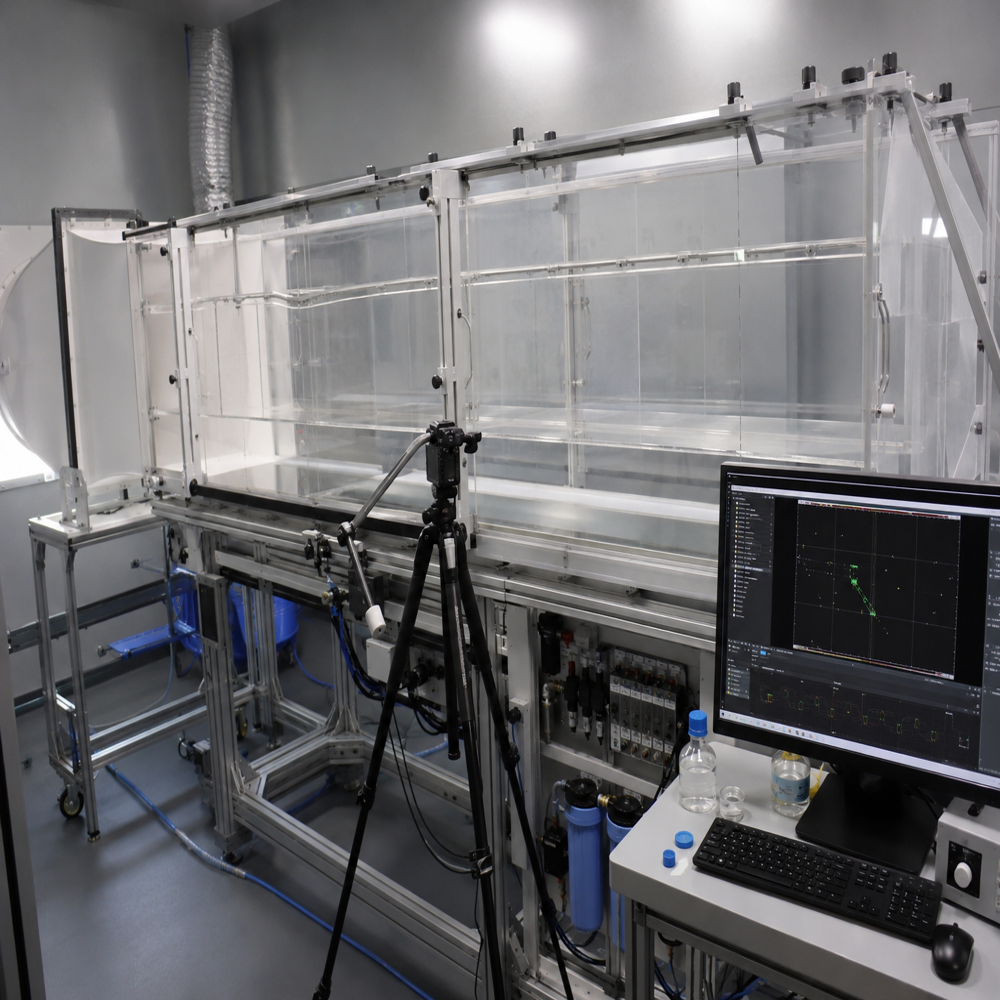
Bio-Assyl Wind Tunnel
Price 500000.0 INR / Unit
Minimum Order Quantity : 1 Unit
Pressure Output : Consistent, Adjustable Airflow
Material : Other, Stainless Steel, Polycarbonate
Condition : New
Dimension (L*W*H) : 1800 mm x 700 mm x 700 mm
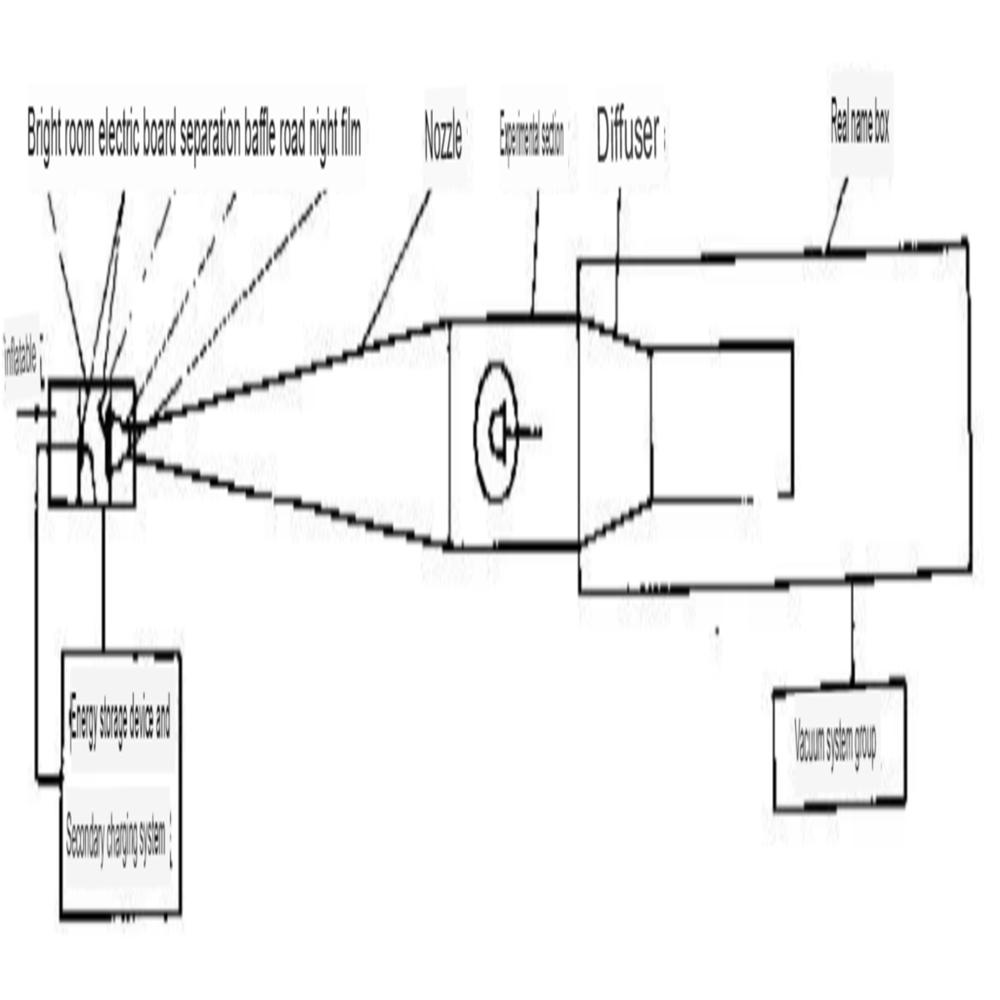
Hot-Shot Wind Tunnel
Price 500000.0 INR / Unit
Minimum Order Quantity : 1 Unit
Pressure Output : Highly Pressurized Air Flow/Adjustable
Material : Other, Highgrade Steel and Alloy Components
Condition : New
Dimension (L*W*H) : 5700 mm x 1600 mm x 2150 mm
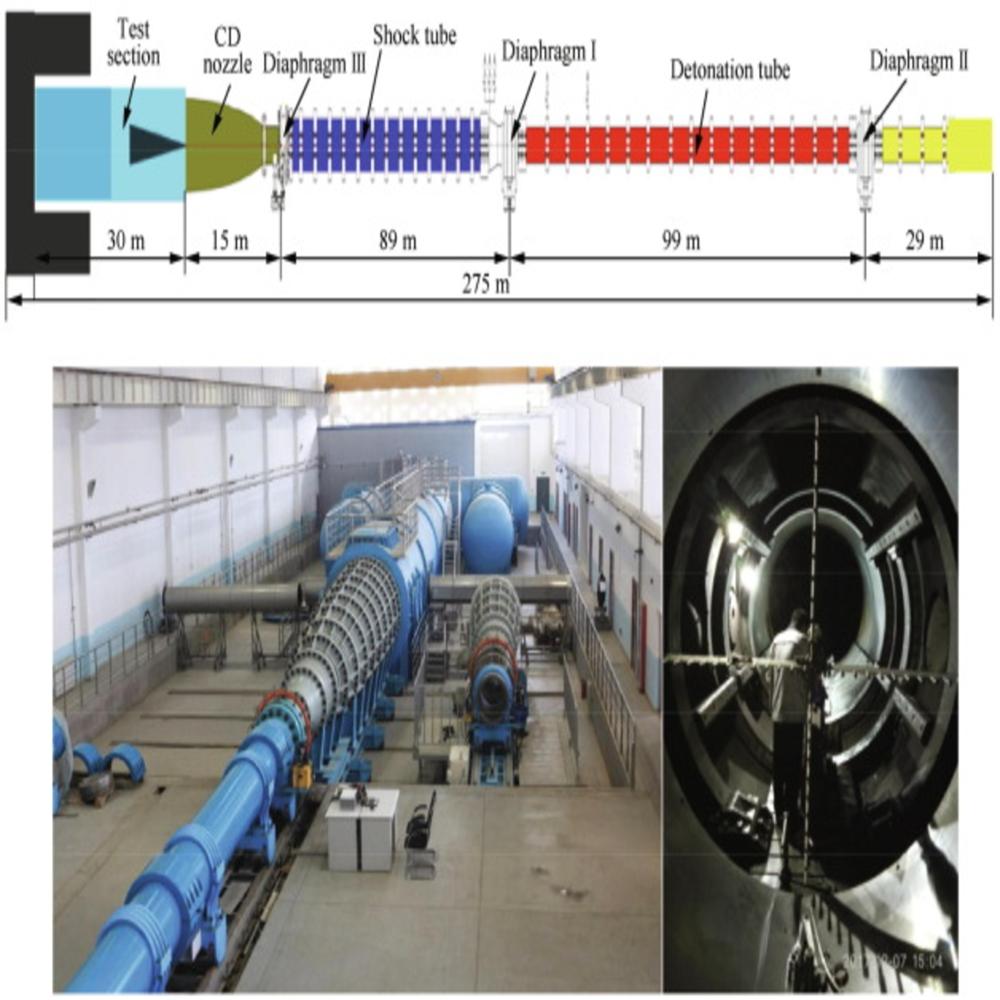
Hypersonic High Enthalpy Wind Tunnel
Price 500000.0 INR / Unit
Minimum Order Quantity : 1 Unit
Pressure Output : Up to 40 bar
Material : Other, Stainless Steel, HighGrade Alloy Steel, Quartz Windows
Condition : New
Dimension (L*W*H) : Customized (Typical: 8.0 m x 2.5 m x 2.8 m)
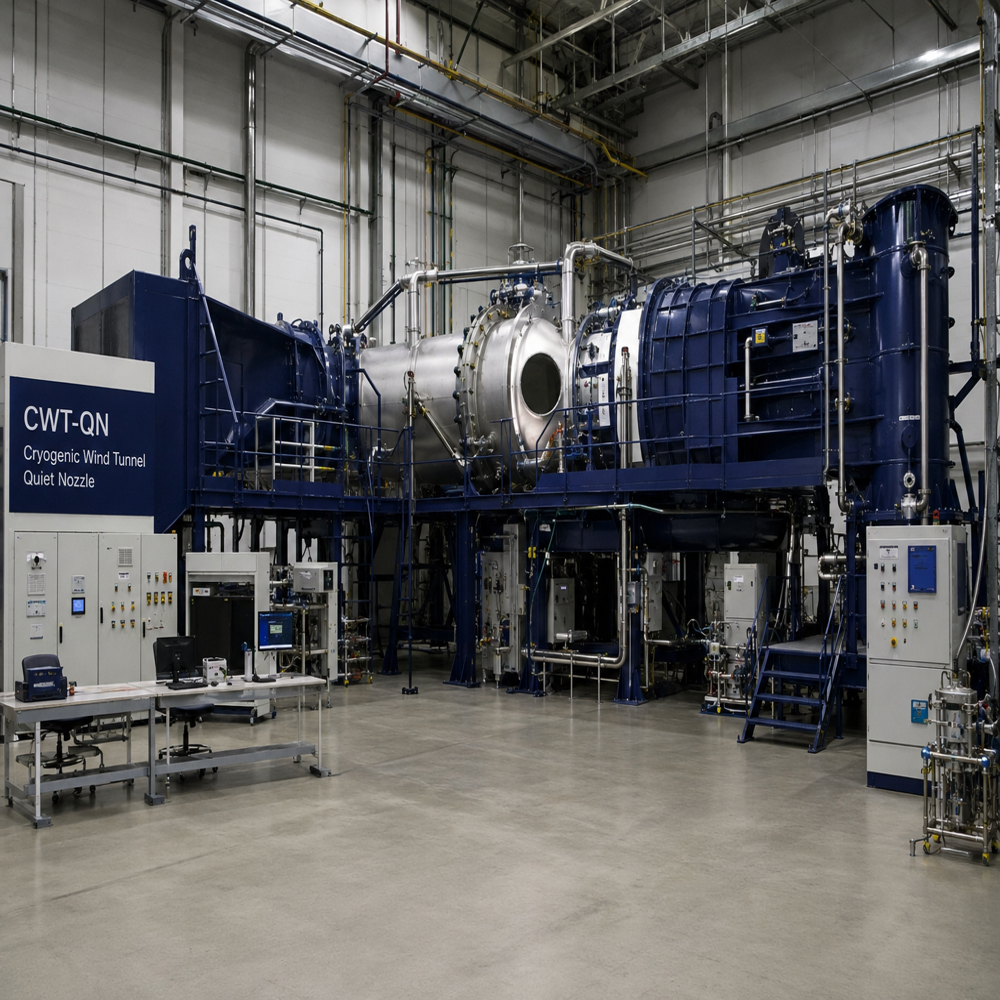
Cryogenic Wind Tunnel / Quiet Nozzle
Price 500000.0 INR / Piece
Minimum Order Quantity : 1 Piece
Pressure Output : 0.1 4 bar (configurable)
Material : Other, Stainless Steel / HighStrength Aluminum Alloy
Condition : New
Dimension (L*W*H) : 1200 mm x 400 mm x 400 mm

 Send Inquiry
Our Products


Plot No - 553, Phase 2 GIDC Vatva, Near Railway Station Vatva,Ahmedabad - 382445, Gujarat, India

Mr Devang Modi
(Director)
Mobile :08045801217
 Send Inquiry
 Send SMS
Developed and Managed by Infocom Network Private Limited.
