
Call us now :08045801217
 Send Inquiry
 Send Inquiry
Anemometer Calibration
Price 500000.0 INR/ Number
MOQ : 1 Number
Anemometer Calibration Specification
- Equipment Type
- Anemometer Calibration System
- Material
- Mild Steel
- Processing Type
- Automatic
- Condition
- New
- Technology
- Digital
- Dimension (L*W*H)
- 610 mm x 460 mm x 900 mm
- Power Mode
- Electric
- Voltage
- 220-240 V AC
- Power Consumption
- 150 W
- Pressure Output
- 0-500 Pa
- Application
- Industrial Anemometer Calibration
- Coating Type
- Powder Coated
- Accessories
- Calibration Certificate, User Manual, Power Cord
- Display Type
- Digital LCD Display
- Calibration Type
- Primary and Secondary Standards
- Service Support
- Onsite Installation and Training
- Humidity Range
- Up to 90% RH (Non-Condensing)
- Usage
- Lab, R&D and Production Area
- Accuracy
- 1% of Reading
- Sample Holding Mechanism
- Clamp-type Mount
- Interface
- USB, RS232
- Safety Features
- Overload Protection, Emergency Stop
- Ambient Temperature Range
- 10C to 45C
- Frequency
- 50 Hz
- Test Method
- Wind Tunnel Simulation
- Measurement Range
- 0.1 to 30 m/s
Anemometer Calibration About
Overview (Marketing Description)
The Anemometer Calibration System is a precision solution designed to ensure accurate wind speed and direction measurements through controlled calibration procedures. Utilizing standardized wind tunnel environments or reference-based field methods, the system enables reliable performance verification and correction of anemometers used in meteorology, wind energy, HVAC, and environmental monitoring.
Compliant with international standards, the system provides traceable, repeatable, and high-accuracy calibration essential for critical measurement applications.
Key Features
- High-accuracy wind speed calibration using reference instruments
- Suitable for cup, vane, and ultrasonic anemometers
- Multi-point calibration across full operating range
- Automated data acquisition and correction factor generation
- Compliance with international calibration standards
- Supports both laboratory and field calibration methods
Technical Specifications (Typical Ranges)
Calibration Range
- Wind Speed Range: 0.5 30 m/s
- Calibration Points: 5 15 points (typical)
- Direction Calibration: 0 360
Accuracy
- Reference Accuracy: 0.1% to 0.5% of reading
- System Accuracy: 0.5% to 1% of reading
- Repeatability: 0.2%
Test Environment
- Method: Wind tunnel / controlled airflow chamber / field comparison
- Flow Uniformity: 0.5% to 1%
- Temperature Range: 0C to 50C
- Humidity: Up to 95% RH (non-condensing)
Instrumentation
- Reference Sensor: Pitot tube / calibrated reference anemometer
- Data Output: Frequency / voltage / digital signal
- Data Acquisition System: PC-based with calibration software
Calibration Outputs
- Calibration curve / transfer function
- Correction coefficients
- Error analysis report
- Calibration certificate (traceable to standards)
Standards & Compliance
- IEC 61400-12-1 (Wind energy applications)
- ISO/IEC 17025 (Calibration laboratory standards)
- Traceability to national/international standards (e.g., NIST)
Applications
- Wind Energy: Turbine performance measurement
- Meteorology: Weather station calibration
- HVAC Systems: Airflow verification
- Environmental Monitoring: Air quality studies
- Industrial Testing: Process airflow measurement
Calibration Capabilities
- Wind speed accuracy verification across full range
- Sensor response testing (rising/falling speeds hysteresis)
- Direction alignment calibration (true north reference)
- Output signal validation and correction
Optional Features
- Fully automated calibration system
- Multi-anemometer calibration setup
- Portable field calibration kit
- Environmental compensation (temperature/pressure correction)
- Integration with wind tunnel systems
Advanced Calibration Precision
Utilizing wind tunnel simulation and both primary and secondary standards, this system delivers high-precision calibration results for digital anemometers. The 1% accuracy ensures dependable readings ideal for critical industrial applications, minimizing measurement uncertainty and supporting quality assurance workflows across production and R&D environments.
User-Friendly Interface & Safety
The system is equipped with a clear digital LCD display, user-friendly USB and RS232 interfaces for direct data handling, and intuitive controls. Safety is prioritized with integrated overload protection and an emergency stop feature, making it suitable for rigorous laboratory and industrial use. The clamp-type mounting provides stable, repeatable sample placement.
Comprehensive Support & Accessories
Delivered as a complete package, the system includes a calibration certificate, detailed user manual, and a power cord, ensuring straightforward setup and traceability. Onsite installation and training further support users, enabling quick adaptation and effective operation from day one.
FAQ's of Anemometer Calibration:
Q: How does the anemometer calibration process work with this system?
A: The calibration process uses a wind tunnel simulation method, where controlled airflow is generated and measured to calibrate digital anemometers. The system relies on both primary and secondary standards for traceability, ensuring that measurements from 0.1 to 30 m/s are accurate up to 1% of the reading.Q: What types of anemometers can be calibrated using this equipment?
A: This calibration system is suited for industrial digital anemometers that match the measurement range (0.1 to 30 m/s) and are compatible with the clamp-type sample holding mechanism. The digital LCD display and versatile interfaces further support a range of models typically used in laboratory, R&D, and production settings.Q: When should I calibrate my anemometer with this system?
A: Periodic calibration is recommended to maintain measurement accuracy, typically on an annual basis or according to the manufacturer's guidelines and regulatory requirements. Calibration is also advised after equipment repairs or exposure to extreme conditions.Q: Where can this calibration system be installed and used?
A: Designed for laboratory, R&D, and industrial production areas, the system accommodates a wide ambient temperature (10C to 45C) and humidity (up to 90% RH, non-condensing). Its mild steel, powder-coated construction ensures durability in demanding environments.Q: What is included with the calibration system package?
A: The package comes complete with a calibration certificate, user manual, and power cord. Onsite installation and training services are provided for seamless deployment and operational support.Q: What are the benefits of using this automatic calibration system?
A: Key benefits include reduced operator intervention, enhanced measurement reliability due to its 1% accuracy, robust overload protection, traceable calibration practices, and simple integration with data management systems via USB and RS232.Q: How does the safety system protect users during calibration?
A: Safety features such as overload protection prevent instrument and sample damage, while an emergency stop allows immediate shutdown in case of any operational anomalies, ensuring user safety throughout the calibration process.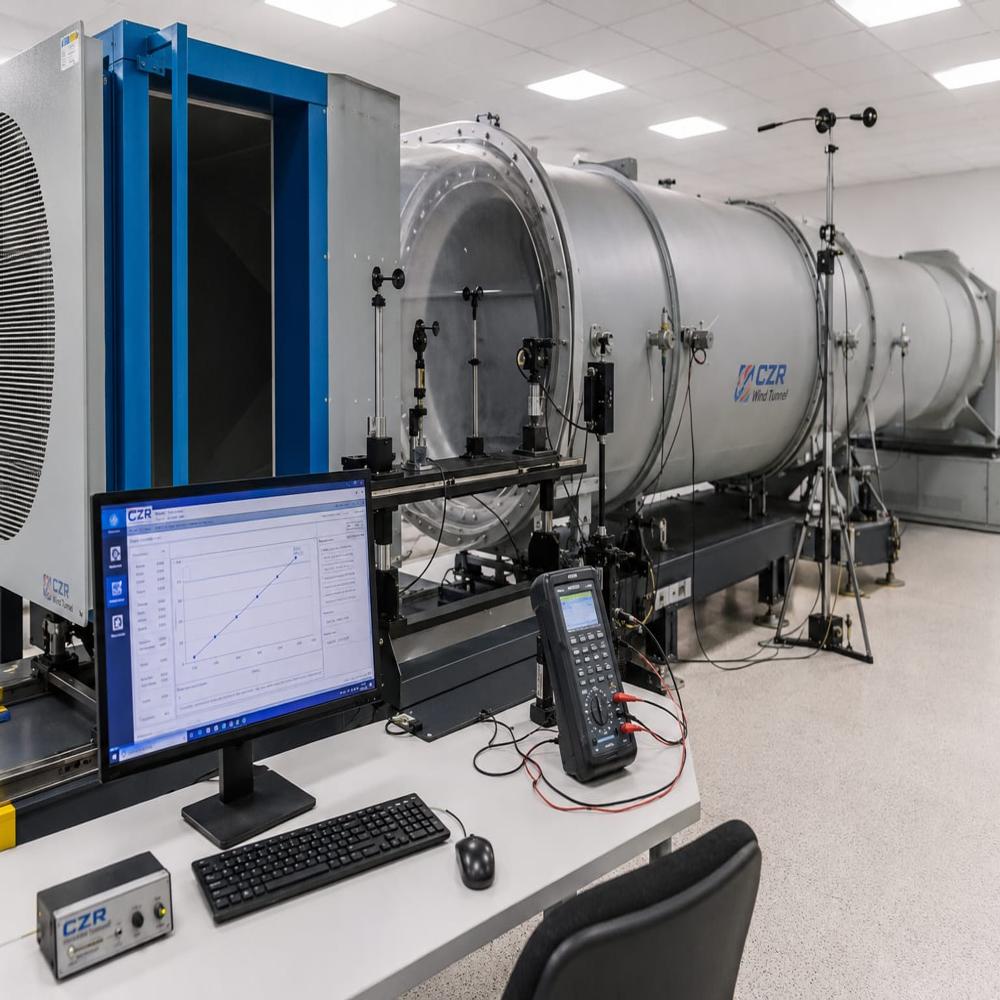
Tell us about your requirement

Price:
Quantity
Select Unit
- 50
- 100
- 200
- 250
- 500
- 1000+
Additional detail
Mobile number
Email

More Products in Wind Testing Category
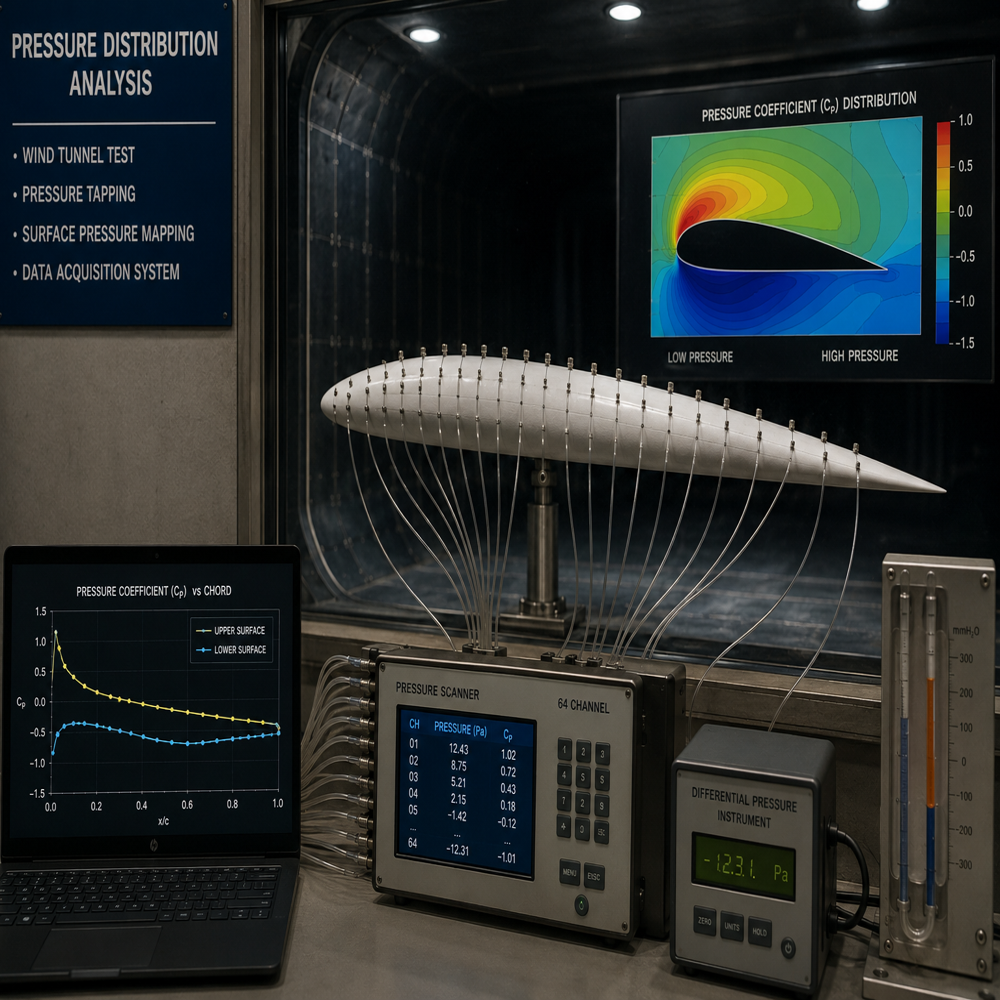
Pressure Distribution
Price 500000.0 INR / Number
Minimum Order Quantity : 1 Number
Condition : New
Power Mode : Electric
Pressure Output : Up to 350 Bar
Dimension (L*W*H) : 1200 x 800 x 1600 mm
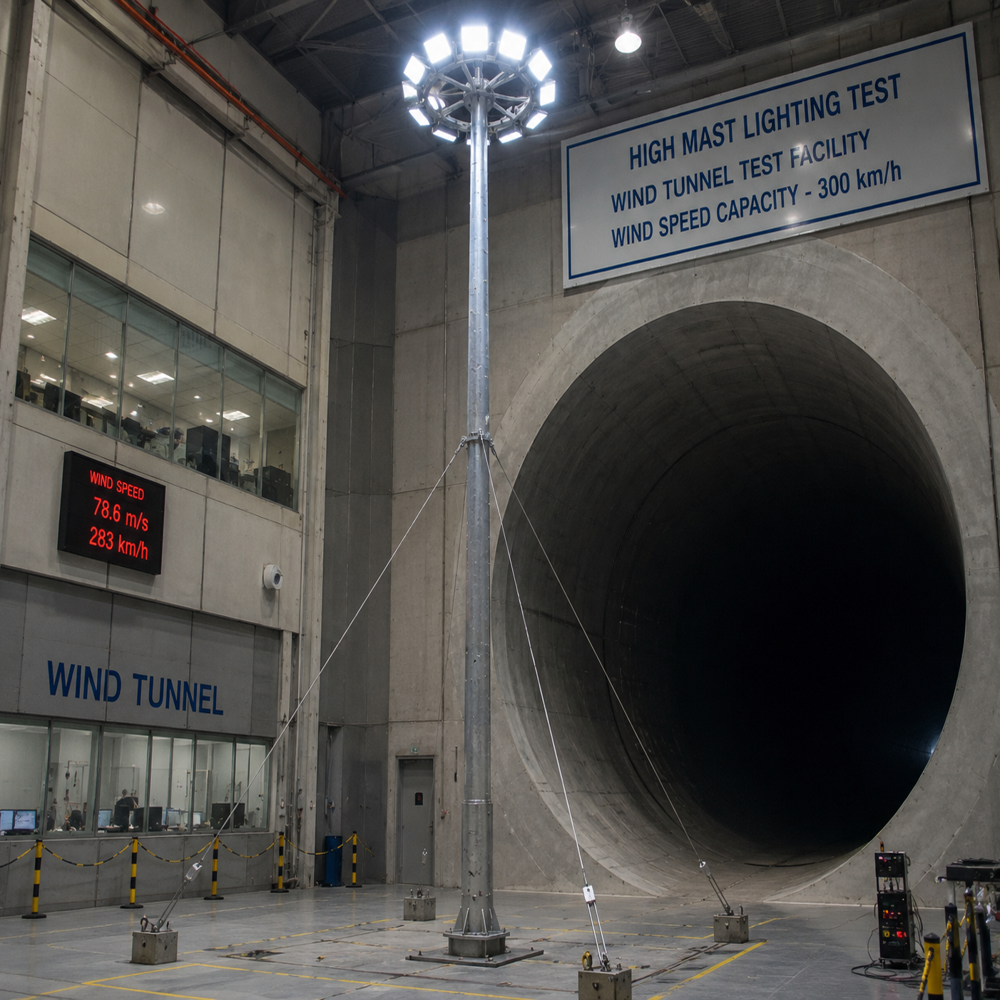
High Mast Testing
Price 500000.0 INR / Unit
Minimum Order Quantity : 1 Unit
Condition : New
Power Mode : Electric
Pressure Output : Up to 250 bar
Dimension (L*W*H) : 4000 mm x 1500 mm x 1800 mm
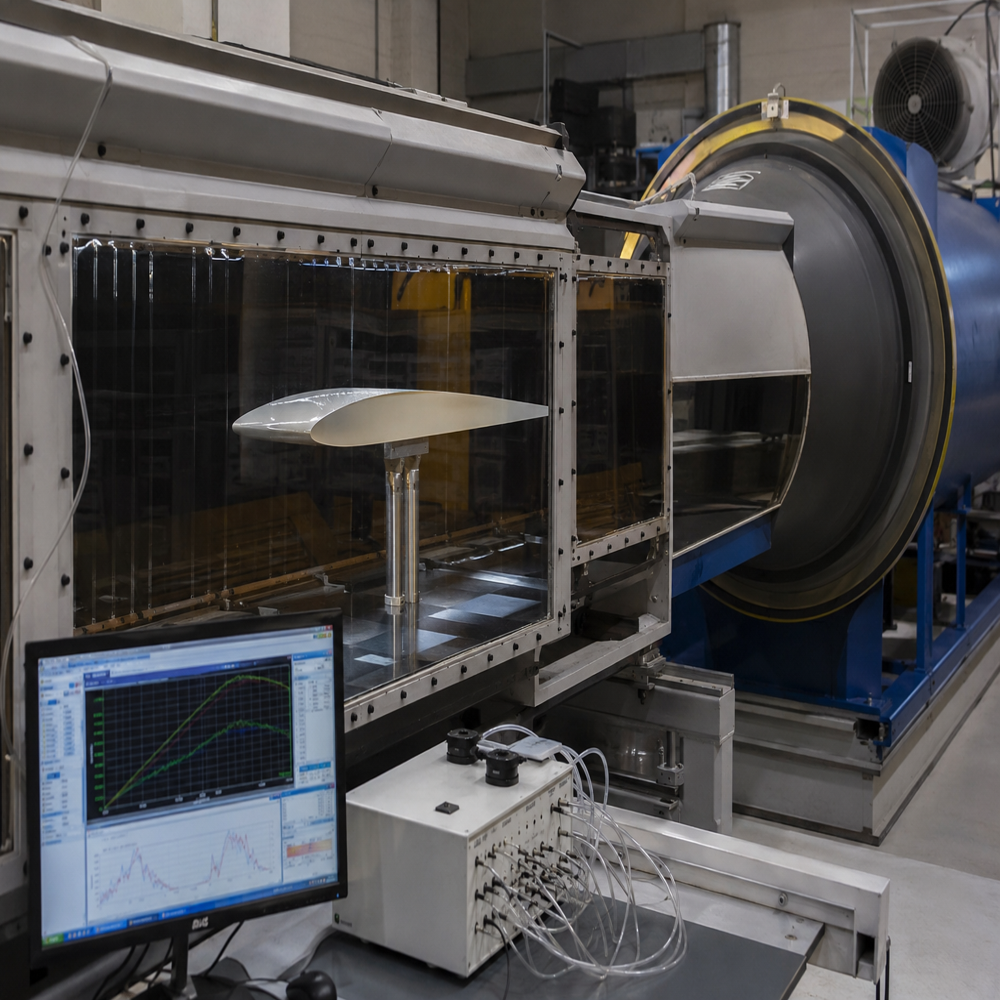
Aerofoil testing
Price 500000.0 INR / Number
Minimum Order Quantity : 1 Number
Condition : New
Power Mode : Electric
Pressure Output : 0500 Pascals
Dimension (L*W*H) : 1500mm x 800mm x 1800mm
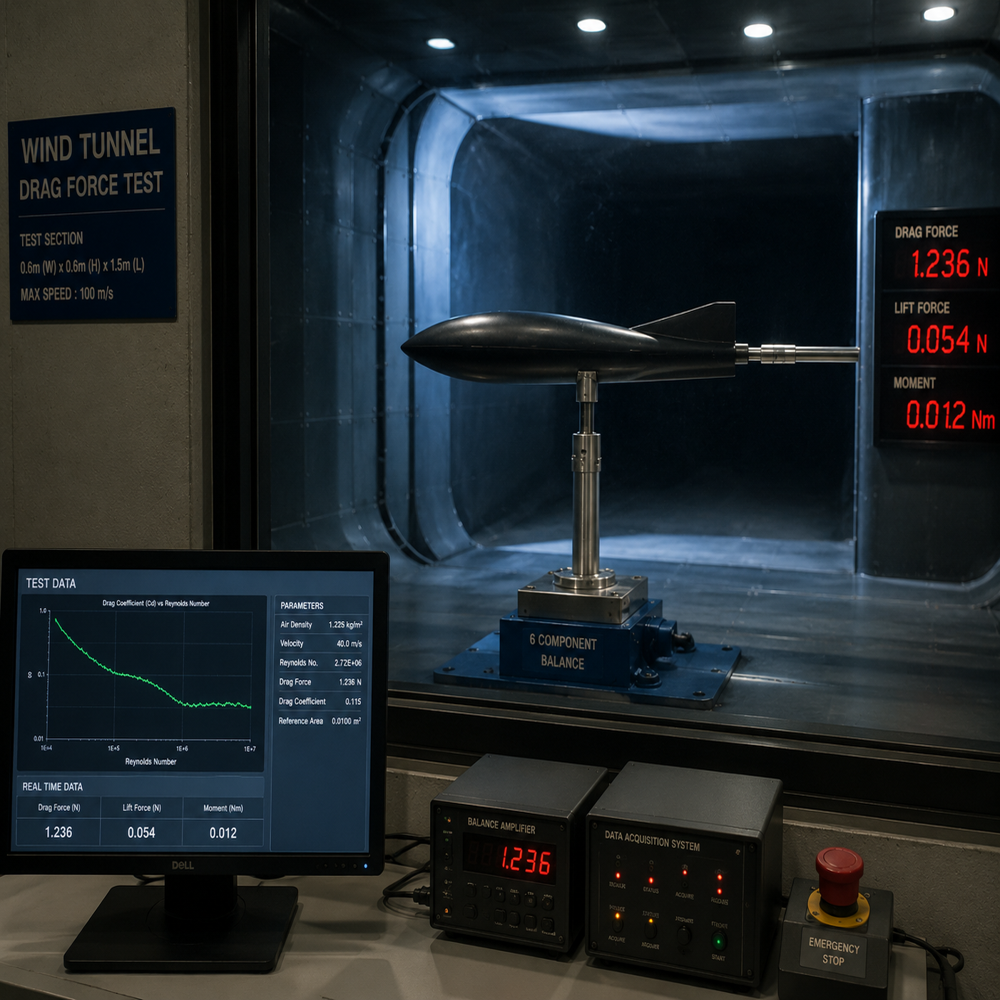
Drag Force Testing
Price 500000.0 INR / Set
Minimum Order Quantity : 1 Set
Condition : New
Power Mode : Electric
Pressure Output : 050 kN
Dimension (L*W*H) : 600 x 400 x 800 mm

 Send Inquiry
Our Products


Plot No - 553, Phase 2 GIDC Vatva, Near Railway Station Vatva,Ahmedabad - 382445, Gujarat, India

Mr Devang Modi
(Director)
Mobile :08045801217
 Send Inquiry
 Send SMS
Developed and Managed by Infocom Network Private Limited.
