
Call us now :08045801217
 Send Inquiry
 Send Inquiry
Educational Wind Tunnels Upgrade
Price 500000.0 INR/ Number
MOQ : 1 Number
Educational Wind Tunnels Upgrade Specification
- Material
- Mild Steel, Acrylic Panels, Aluminium Frame
- Processing Type
- CNC Precision Engineered
- Condition
- New
- Technology
- Closed Circuit Subsonic Wind Tunnel System
- Dimension (L*W*H)
- 2000 x 600 x 1500 mm
- Power Mode
- Electric
- Voltage
- 220V AC, 50 Hz
- Power Consumption
- 1.5 kW
- Pressure Output
- Adjustable, up to 2000 Pa
- Application
- Educational Demonstration, Fluid Mechanics, Aerodynamics Studies
- Coating Type
- Anti-Rust Powder Coating
- Accessories
- Smoke Generator, Model Stand, Pitot Tubes, Manometer Set
- Noise Level
- < 70 dB
- Mobility
- Caster Wheels for Easy Movement
- Observation Window
- High-Transparency Acrylic
- Flow Visualization
- Built-in Smoke Injection System
- Test Section Size
- 300 x 300 x 600 mm
- Equipment Type
- Laboratory Wind Tunnel
- Working Speed
- Variable up to 40 m/s
- Safety Features
- Overload Protection, Emergency Stop Button
- Fan Type
- Centrifugal Blower
- Data Acquisition
- Manual/Optional Digital Interface
- Control Type
- Digital Variable Speed Control
- Model Compatibility
- Standard Educational Models/Custom Models
Educational Wind Tunnels Upgrade About
Upgrade legacy Educational Wind Tunnels with a modern data acquisition & control system designed for pre-2006 EWTs with square test sections and sting-type strain gauge balances. Built on National Instruments hardware and the LabVIEW platform, this solution delivers real-time data, precise control, and research-grade performancebringing older systems in line with current standards.
Key Features
- Real-Time Data Acquisition & Display
- Integrated Airspeed Control (Manual & Automatic Modes)
- Force & Moment Measurement Capability
- Plug-and-Upgrade Solution for Existing EWTs
- No LabVIEW License Required (Executable Provided)
Measured Parameters
- Airspeed
- Axial Force, Normal Force, Pitching Moment
- Angle of Attack (Model Position)
- Pressure (optional solid-state manometer)
- Selectable Units: SI & US Customary
Control Functionality
- Manual Mode: Fixed fan speed
- Automatic Mode: Maintains constant airspeed independent of model position
Technical Datasheet (Typical)
- DAQ System: National Instruments
- Software: Executable LabVIEW interface
- Airspeed Range: ~5 to 100 m/s (typical EWT range)
- Control Accuracy: 0.5%
- Data Rate: Up to 1 kHz (configurable)
- Force Balance: Sting-mounted strain gage (recalibrated)
Upgrade Package Includes
- Dell desktop computer with flat-screen monitor
- NI DAQ hardware + pre-configured LabVIEW executable
- Complete wiring, connectors, and cabling
- Anodized aluminium workstation
- 1st-order sting balance recalibration
Customer Scope
- Install cables and pressure tubing
- Calibrate pitch angle (guided procedure)
- Trade-in existing instrument panel
- Provide a stinger balance & electronics cabinet for factory calibration
Important Notes
- LabVIEW software license not required
- Compatibility with existing VFD controllers may vary
- Recommended to confirm system compatibility prior to upgrade
Powerful and Precise Airflow Control
With a centrifugal blower and digital variable speed control, this wind tunnel achieves airflow speeds up to 40 m/s. The advanced control panel ensures precise adjustment and repeatability for diverse fluid dynamics experiments.
Enhanced Visualization for Demonstrations
Acrylic panels and a built-in smoke generator provide exceptional clarity for observing flow patterns and boundary layers. This allows students and educators to analyze aerodynamic principles with visual evidence during hands-on sessions.
Flexible and Safe Laboratory Operations
The tunnel's robust safety features include overload protection and an emergency stop button. Caster wheels allow for easy relocation within laboratory environments, while modular model compatibility supports a wide variety of research and teaching requirements.
FAQ's of Educational Wind Tunnels Upgrade:
Q: How is airflow adjusted and monitored in the educational wind tunnel?
A: Airflow in the wind tunnel is controlled through a digital variable speed system. Users can set airflow speeds up to 40 m/s using the digital interface, ensuring precise and repeatable testing conditions for classroom and research applications.Q: What types of models can be tested in this wind tunnel?
A: The wind tunnel accommodates both standard educational models as well as custom-made models. Its versatile model stand and adjustable test section (300 x 300 x 600 mm) support experiments for a wide range of aerodynamics and fluid mechanics studies.Q: What observation and visualization tools are included?
A: The wind tunnel features high-transparency acrylic panels for clear observation of test models. A built-in smoke injection system and smoke generator enable effective flow visualization, allowing users to see airflow patterns and study aerodynamic behaviors directly.Q: When should overload protection and emergency stop be used?
A: Overload protection automatically activates if the system detects excessive electrical or mechanical load, protecting both users and equipment. The emergency stop button should be pressed immediately if there is any unexpected operation, hazard, or the need to halt testing instantly.Q: Where can this wind tunnel be installed and operated?
A: The tunnel is designed for use in educational laboratories, research centers, and classroom demonstration spaces. Its caster wheels and moderate size (2000 x 600 x 1500 mm) make installation and movement within standard laboratory environments straightforward.Q: What are the benefits of using the digital data acquisition interface?
A: The optional digital data interface streamlines data collection during experiments. This allows for more accurate measurement and analysis, enhancing the learning experience by making data-driven investigations more accessible to students and researchers.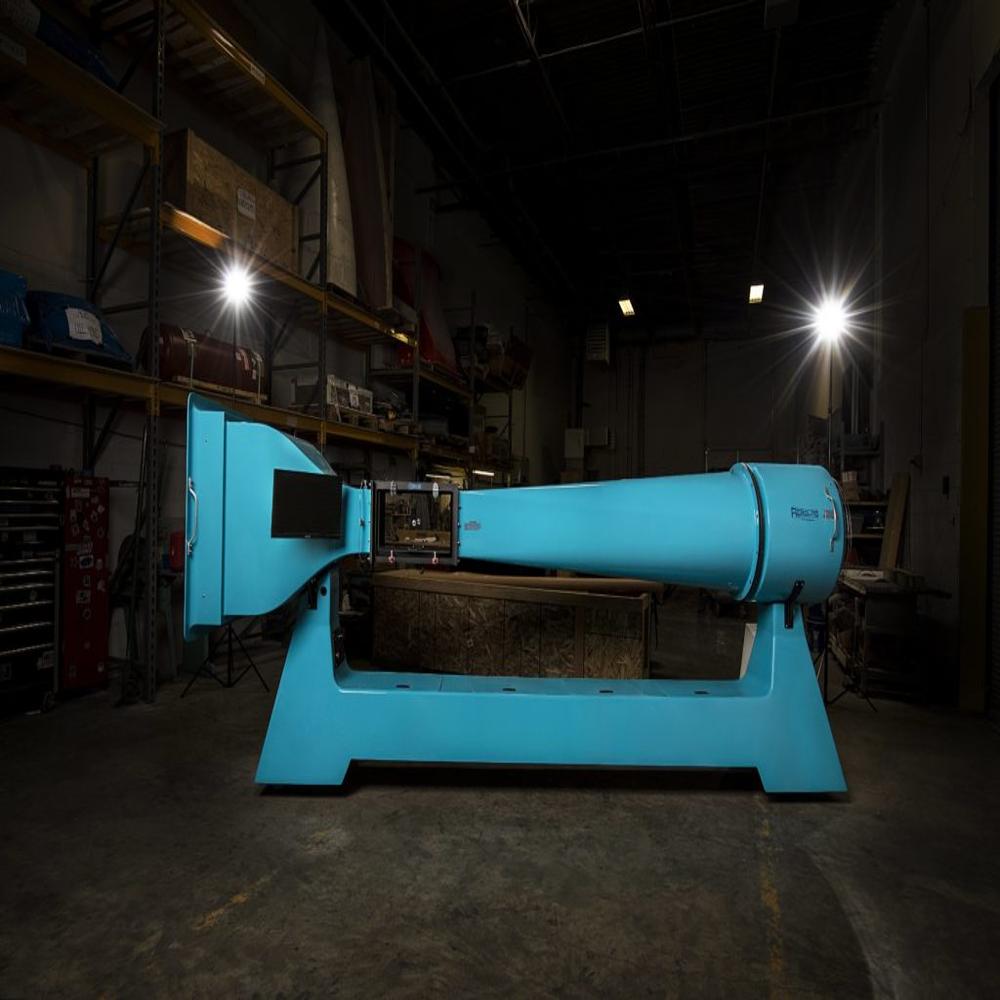
Tell us about your requirement

Price:
Quantity
Select Unit
- 50
- 100
- 200
- 250
- 500
- 1000+
Additional detail
Mobile number
Email

More Products in Subsonic Wind Tunnel Category
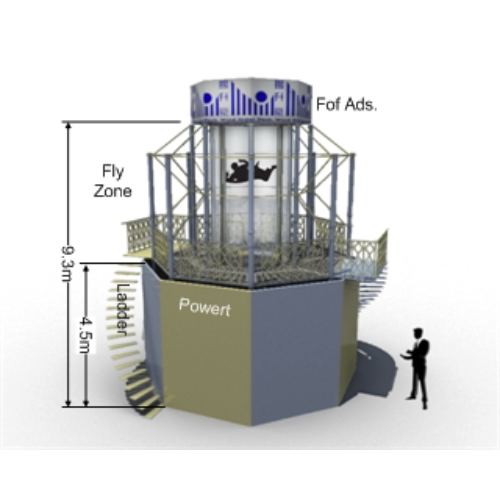
Vertical Wind Tunnel
Price 500000.0 INR / Unit
Minimum Order Quantity : 1 Unit
Voltage : 380V, 50/60 Hz
Material : Other, Highstrength steel structure, transparent polycarbonate walls
Technology : Other, Vertical airflow circulation, variable speed fans
Accessories : Safety net, wind speed regulators, control panel, helmet, flight suit
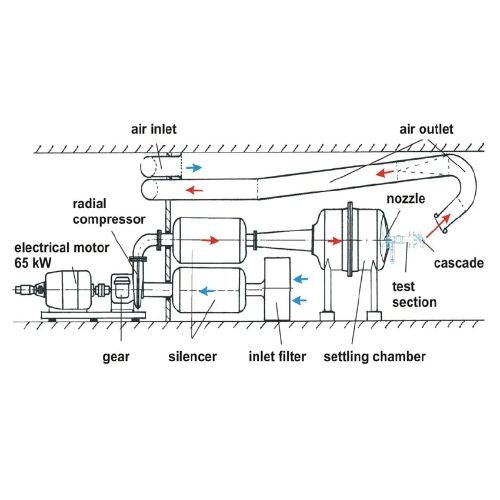
High Speed Wind Tunnel
Price 500000.0 INR / Unit
Minimum Order Quantity : 1 Unit
Voltage : 220V / 380V, 50Hz / 60Hz single or three phase
Material : Other, Stainless Steel, Mild Steel, and Aluminum Alloy Construction
Technology : Other, Closed Circuit, Subsonic and Supersonic Wind Tunnel Technology
Accessories : Smoke Generator, Balance System, Model Mountings, Instrumentation Panel
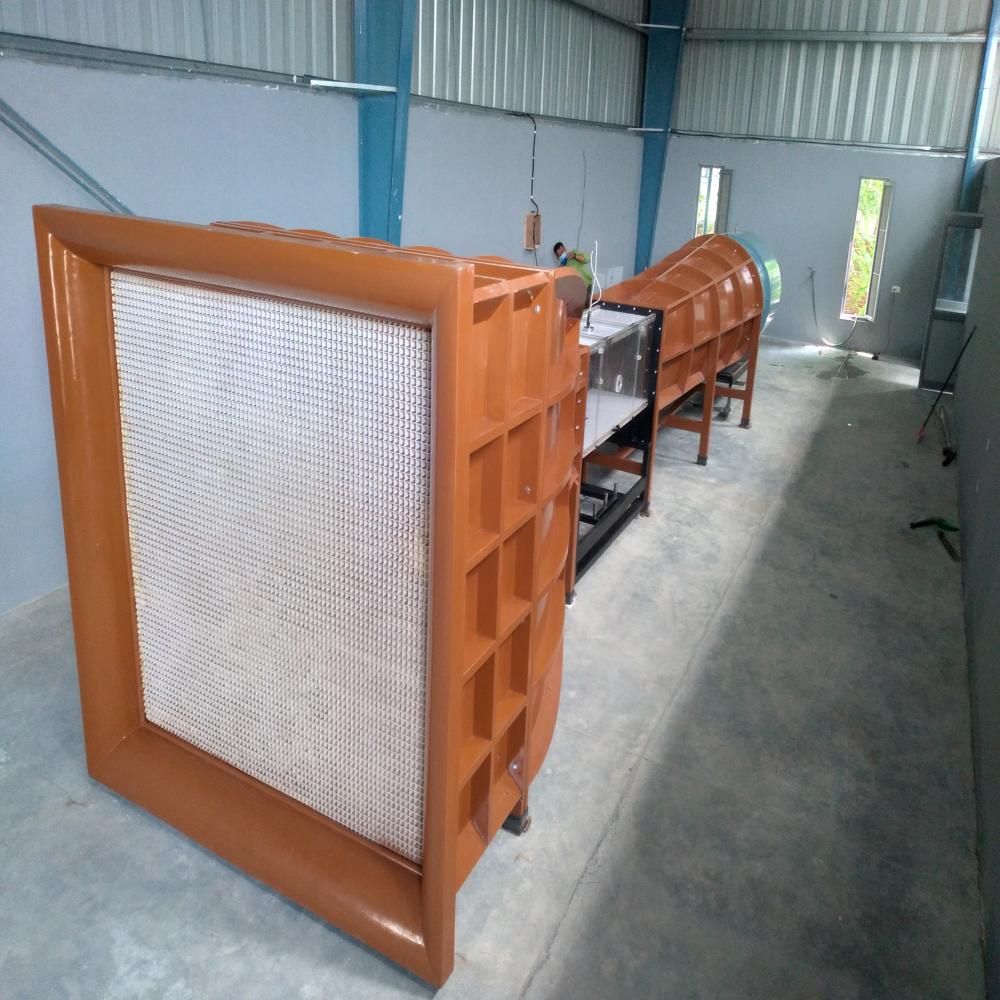
Subsonic Wind Tunnel
Price 500000.0 INR / Unit
Minimum Order Quantity : 1 Unit
Voltage : 220240V AC, 50/60Hz
Material : Other, Mild Steel / Stainless Steel
Technology : Other, Subsonic Flow Simulation
Accessories : Smoke generator, Multitube manometer, Pitot tube, Model mounting system
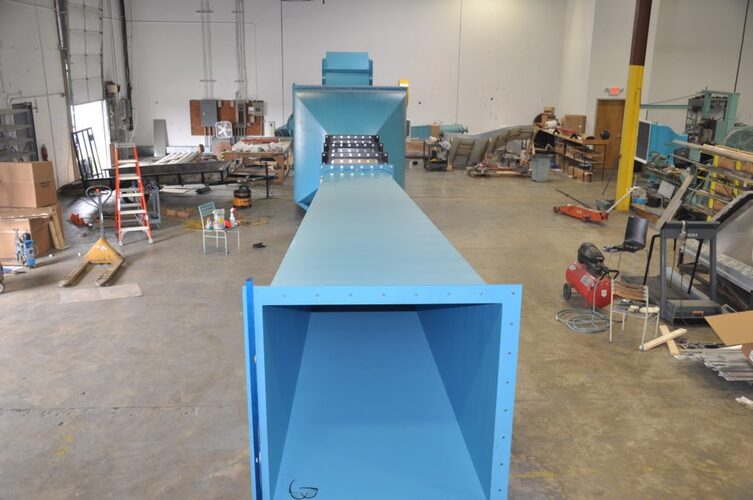
Blow Down Wind Tunnels
Price 500000.0 INR / Unit
Minimum Order Quantity : 1 Unit
Voltage : 220240V, 50Hz
Material : Other, Mild Steel
Technology : Other, Blow Down (High Pressure Reservoir, Subsonic/Supersonic Output)
Accessories : Test Section, Control Panel, Pressure Gauge, Safety Valves, Model Mounts

 Send Inquiry
Our Products


Plot No - 553, Phase 2 GIDC Vatva, Near Railway Station Vatva,Ahmedabad - 382445, Gujarat, India

Mr Devang Modi
(Director)
Mobile :08045801217
 Send Inquiry
 Send SMS
Developed and Managed by Infocom Network Private Limited.
