
Call us now :08045801217
 Send Inquiry
 Send Inquiry
Flow Visualization
Price 500000.0 INR/ Number
MOQ : 1 Number
Flow Visualization Specification
- Material
- Acrylic, Stainless Steel, Aluminum
- Processing Type
- Experimental Setup
- Condition
- New
- Technology
- Visual Flow Analysis
- Dimension (L*W*H)
- 1000 mm x 350 mm x 500 mm
- Power Mode
- Electric
- Voltage
- 220-240 V AC, 50/60 Hz
- Power Consumption
- 50 W
- Pressure Output
- 0.5 - 2 bar
- Application
- Educational laboratory experiments, Fluid mechanics research, Flow pattern studies
- Coating Type
- Powder Coated Frame
- Accessories
- Dye injectors, Dye reservoirs, Water pump, Flow channel, Instruction manual
- Working Speed
- Adjustable
- Usage Level
- Undergraduate and Postgraduate Studies
- Maintenance
- Low, Easy Cleaning Design
- Flow Rate Range
- 0.1 - 2.5 L/min
- Safety Features
- Overload protection, Anti-slip feet
- Tank Material
- Transparent Acrylic
- Temperature Range
- 5C - 45C
- Light Source
- Integrated LED Backlight
- Flow Channel Type
- Open water channel with model holders
- Noise Level
- <60 dB
- Observation Windows
- Clear acrylic on both sides
- Mounting
- Table Top
- Dye Compatibility
- Water-soluble, Non-corrosive dyes
- Equipment Type
- Flow Visualization Apparatus
- Flow Visualization Method
- Laminar and Turbulent Flow Patterns
Flow Visualization About
Overview
Flow visualization is a key experimental and computational technique in fluid dynamics used to make airflow patterns visible for analysis and interpretation. It enables engineers and researchers to identify flow separation, vortices, turbulence, and velocity fields, supporting design optimization and validation of simulation models.
Key Features
- Real-time visualization of complex flow behaviour
- Compatible with wind tunnels and open-flow setups
- Supports both qualitative and quantitative analysis
- Integration with advanced optical and laser-based systems
- Essential for validation of CFD results
Primary Techniques
Smoke / Dye Injection
- Visual tracing of streamlines and flow paths
- Suitable for both air and liquid flows
- Simple, effective, and widely used
Surface Oil Flow
- Reveals surface streamlines and boundary layer behaviour
- Identifies separation and reattachment regions
Particle Image Velocimetry (PIV)
- Quantitative measurement of velocity fields
- Uses laser sheets and seeded particles
- High spatial and temporal resolution
Schlieren & Shadowgraph
- Visualizes density gradients in compressible flows
- Ideal for shock waves and high-speed aerodynamics
Tuft Method
- Uses small yarn tufts to indicate local flow direction
- Quick and cost-effective diagnostic tool
Technical Specifications (Typical Ranges)
| Parameter | Specification |
| Flow Medium | Air / Water |
| Visualization Type | Qualitative & Quantitative |
| Velocity Range | Low-speed to hypersonic (method-dependent) |
| Measurement Techniques | PIV, Schlieren, Smoke/Dye, Oil Flow |
| Data Output | 2D/3D flow fields, velocity vectors, streamline patterns |
| Integration | Wind tunnels, CFD validation systems |
Flow Phenomena Observed
- Boundary layer development
- Flow separation and reattachment
- Vortex formation and wake structures
- Turbulence and unsteady flow behaviour
- Shock waves (compressible flows)
Applications
- Aerodynamic Testing Aircraft, automotive, UAVs
- Wind Tunnel Experiments Flow diagnostics and validation
- CFD Validation Comparing simulation with real flow behaviour
- Industrial Design Cooling, ventilation, and flow optimization
- Academic Research Fluid mechanics and turbulence studies
Benefits
- Enhanced understanding of complex flow physics
- Improved design efficiency and performance
- Reduced development time through early issue detection
- Visual validation of theoretical and numerical models
Comprehensive Flow Studies Made Simple
This tabletop flow visualization system offers a practical approach to understanding fluid mechanics. Featuring adjustable flow rates (0.1-2.5 L/min) and clear observation windows, it enables vivid visualization of water movement and patterns. The integrated LED backlight enhances contrast, making flow phenomena easily discernible for students and researchers alike.
Optimized for Educational Excellence
Designed for university labs, this apparatus supports both introductory and advanced fluid mechanics experiments. It allows users to switch between laminar and turbulent flow studies using safe, water-soluble dyes. The transparent acrylic and powder-coated frame provide durability, while anti-slip feet and overload protection ensure safe classroom and research use.
Hassle-Free Operation and Maintenance
The low-maintenance design, combined with easy cleaning features and high-quality materials such as stainless steel and acrylic, make this apparatus both efficient and long-lasting. The set comes complete with all necessary accessories and a comprehensive instruction manual for straightforward setup and operation.
FAQ's of Flow Visualization:
Q: How do you operate the Flow Visualization Apparatus?
A: Operation is straightforward: fill the acrylic channel with water, connect the device to a 220-240 V AC power source, and set your desired flow rate with the adjustable speed control. You can inject water-soluble, non-corrosive dyes using the provided reservoirs and dye injectors. The integrated LED backlight activates automatically for optimal visualization.Q: What type of flow patterns can be visualized with this equipment?
A: The apparatus is designed for visualizing both laminar and turbulent flow patterns. The open channel and clear acrylic windows make it easy to observe subtle transitions and flow structures, which are critical for educational demonstration and research in fluid mechanics.Q: Where is this apparatus commonly used?
A: It is widely employed in educational and research laboratories, particularly at the undergraduate and postgraduate levels. Applications include laboratory experiments, fluid dynamics research, and hands-on demonstrations for courses in engineering and science.Q: When should you use dye injectors in the experiment?
A: Dye injectors should be used once the water flow is stabilized at your required rate. Introducing dyes at this point helps create clear, observable flow lines that highlight the behavior and pattern of fluid movement, whether laminar or turbulent.Q: What benefits does the integrated LED backlight provide?
A: The LED backlight significantly improves the visibility of flow patterns by providing uniform, shadow-free illumination through the transparent acrylic tank. This feature ensures that intricate flow lines and transitions are clearly seen from both sides of the channel.Q: How do you maintain and clean the Flow Visualization Apparatus?
A: Maintenance is minimal due to the easy-cleaning design. After experiments, simply drain the water, rinse the channel and accessories with clean water, and wipe down the acrylic and stainless steel components. Avoid abrasive cleaners to preserve clarity and surface integrity.Q: What makes this apparatus suitable for educational use?
A: Its user-friendly features-such as quick setup, clear observation windows, safety mechanisms, and compatibility with non-hazardous dyes-make it ideal for active learning. It encourages interactive experiments while prioritizing safety and ease of use for students and instructors alike.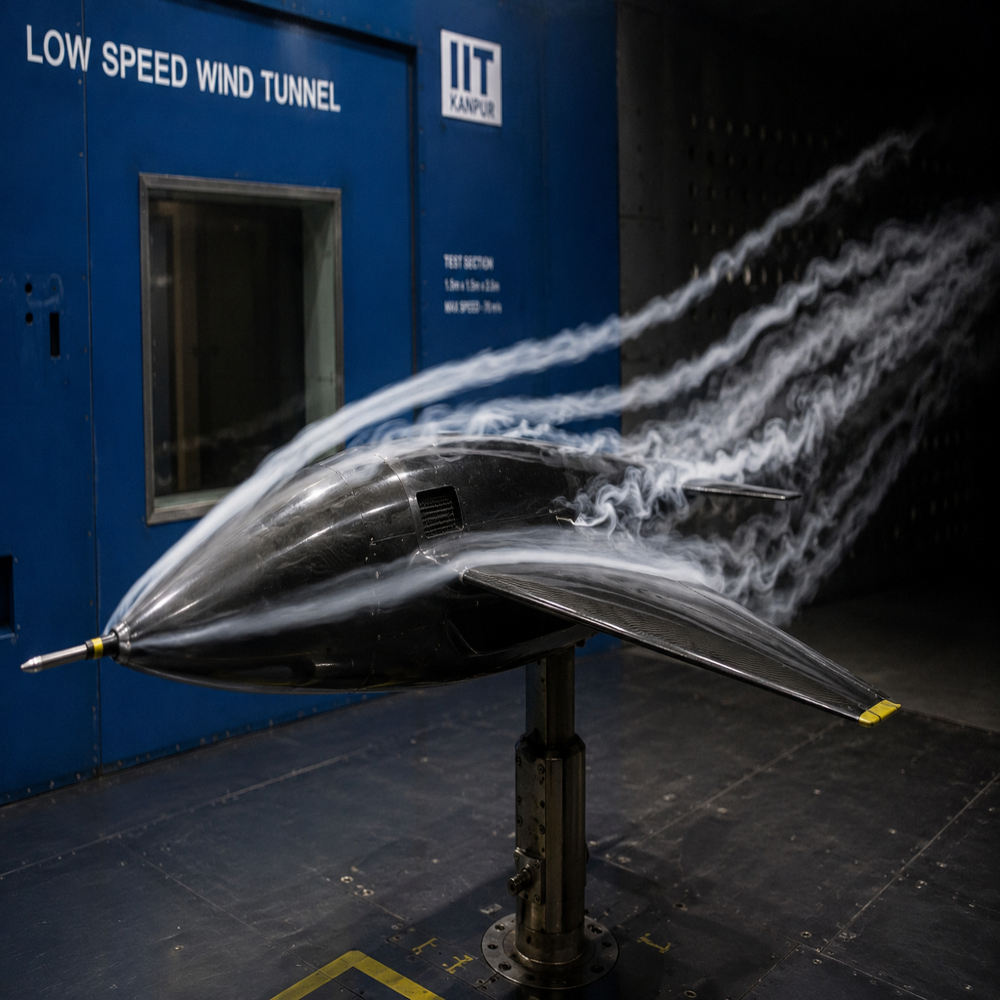
Tell us about your requirement

Price:
Quantity
Select Unit
- 50
- 100
- 200
- 250
- 500
- 1000+
Additional detail
Mobile number
Email

More Products in Wind Testing Category
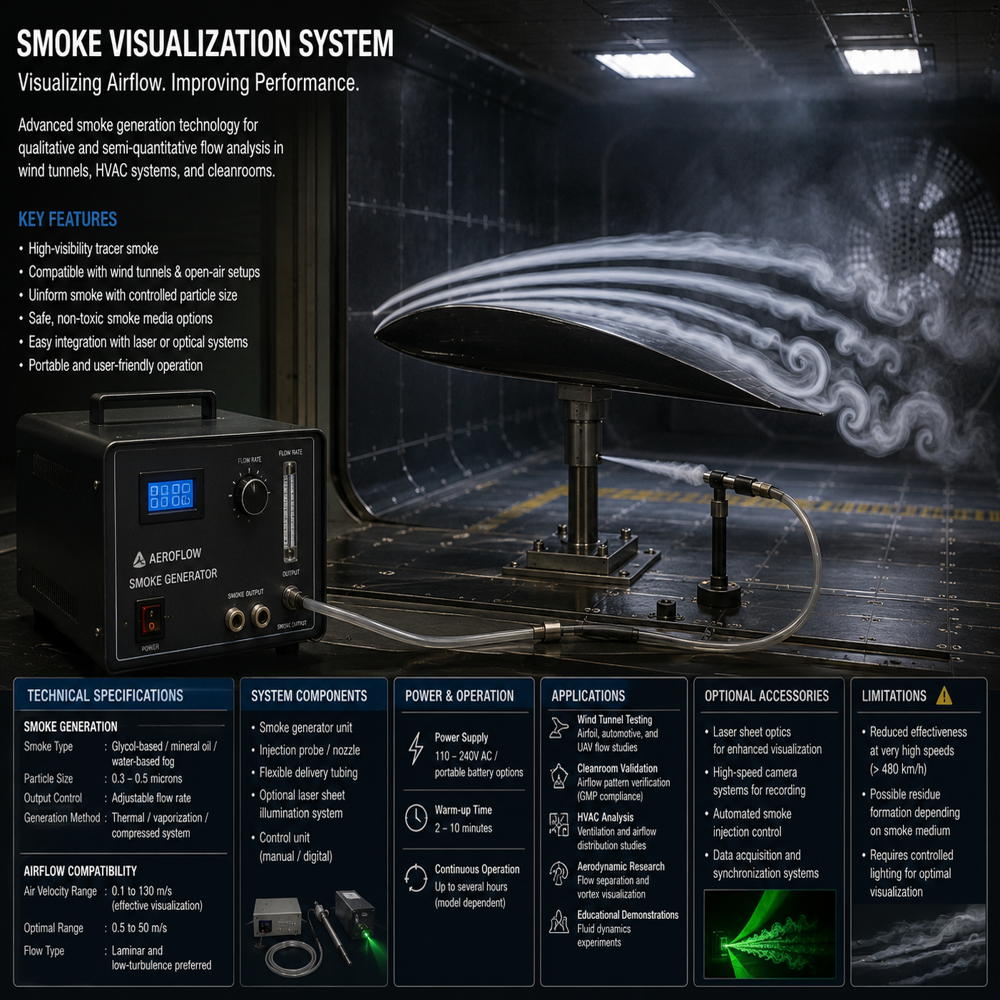
Smoke Visualization
Price 500000.0 INR / Number
Minimum Order Quantity : 1 Number
Application : Airflow visualization, Chemical labs, Safety testing, HVAC, Cleanrooms
Accessories : Flexible Dispensing Nozzle, Refill Bottle, Carry Case
Material : Other, Acrylic Body, Stainless Steel Base
Coating Type : Powder Coated Base
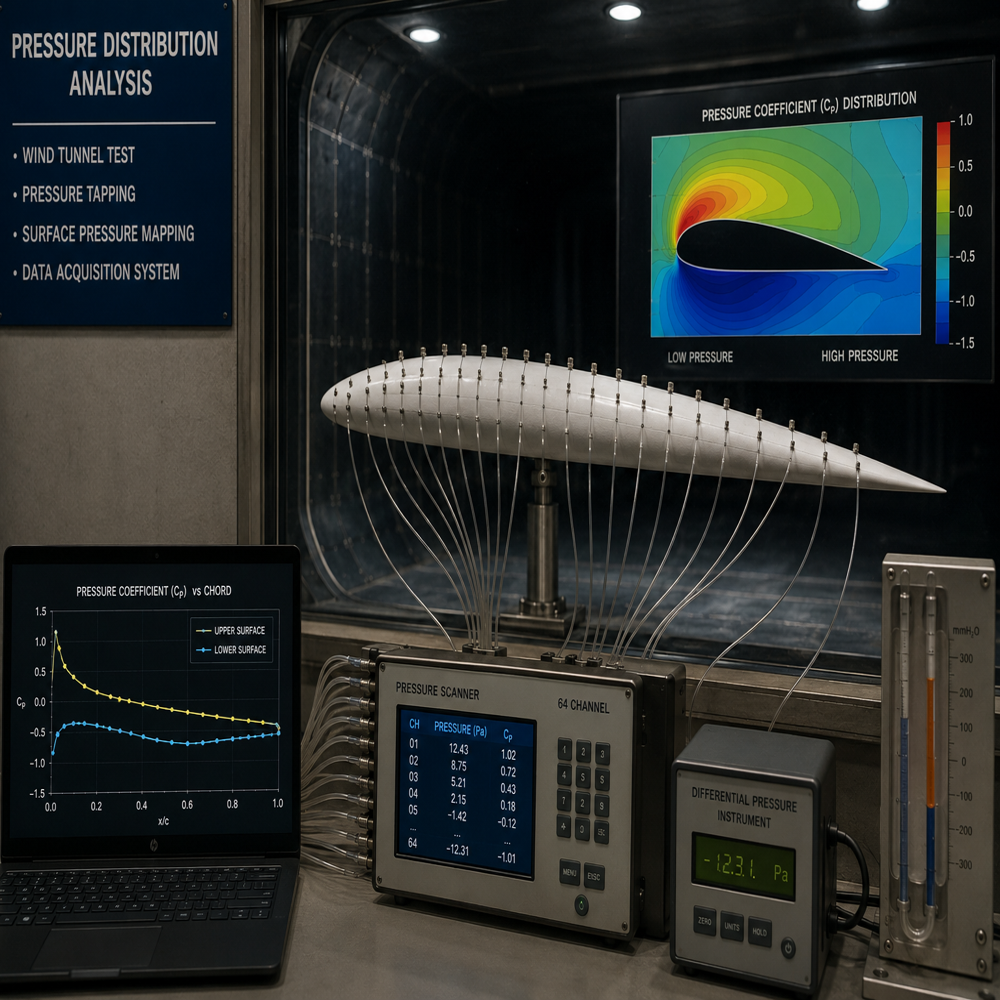
Pressure Distribution
Price 500000.0 INR / Number
Minimum Order Quantity : 1 Number
Application : Industrial Pressure Distribution Systems
Accessories : Pressure Gauges, Safety Valves, Piping Fittings
Material : Other, Mild Steel Construction
Coating Type : Powder Coated Finish
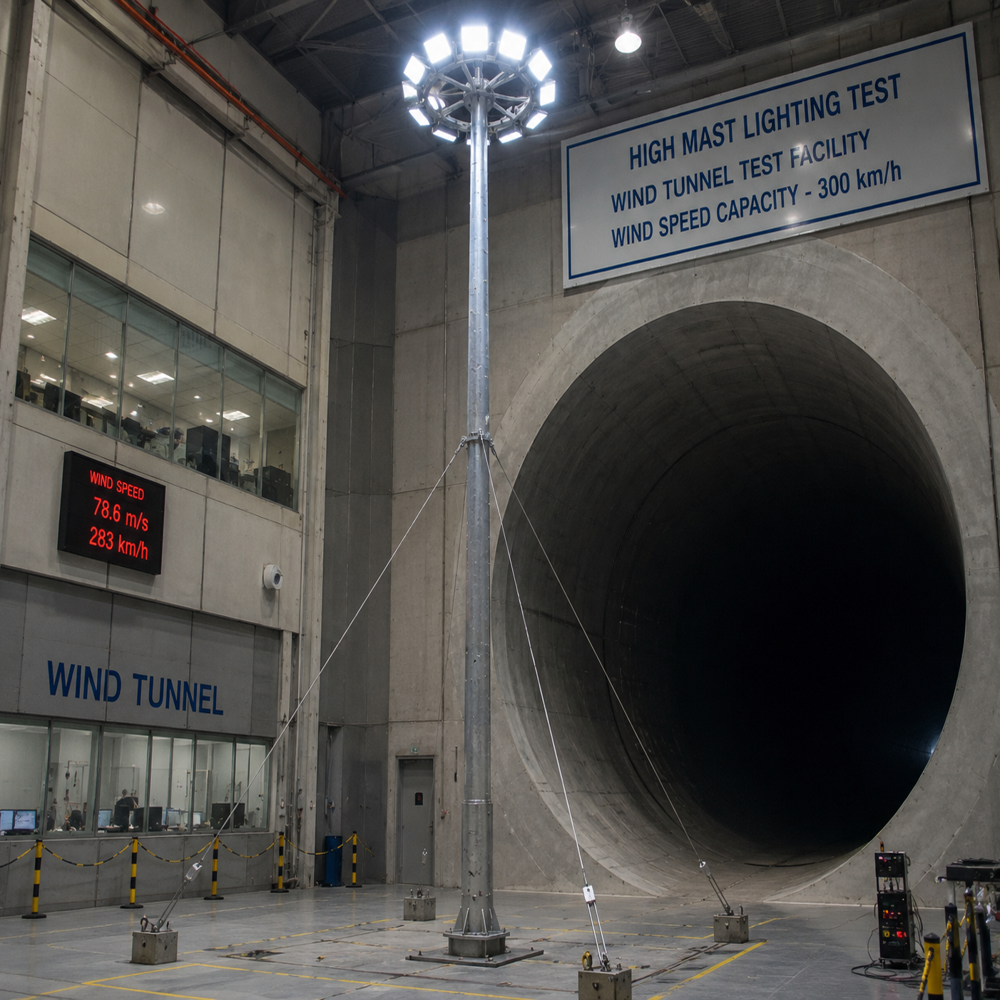
High Mast Testing
Price 500000.0 INR / Unit
Minimum Order Quantity : 1 Unit
Application : High Mast Testing for Lighting Poles
Accessories : Standard Testing Accessories Included
Material : Other, Mild Steel
Coating Type : Galvanized Finish
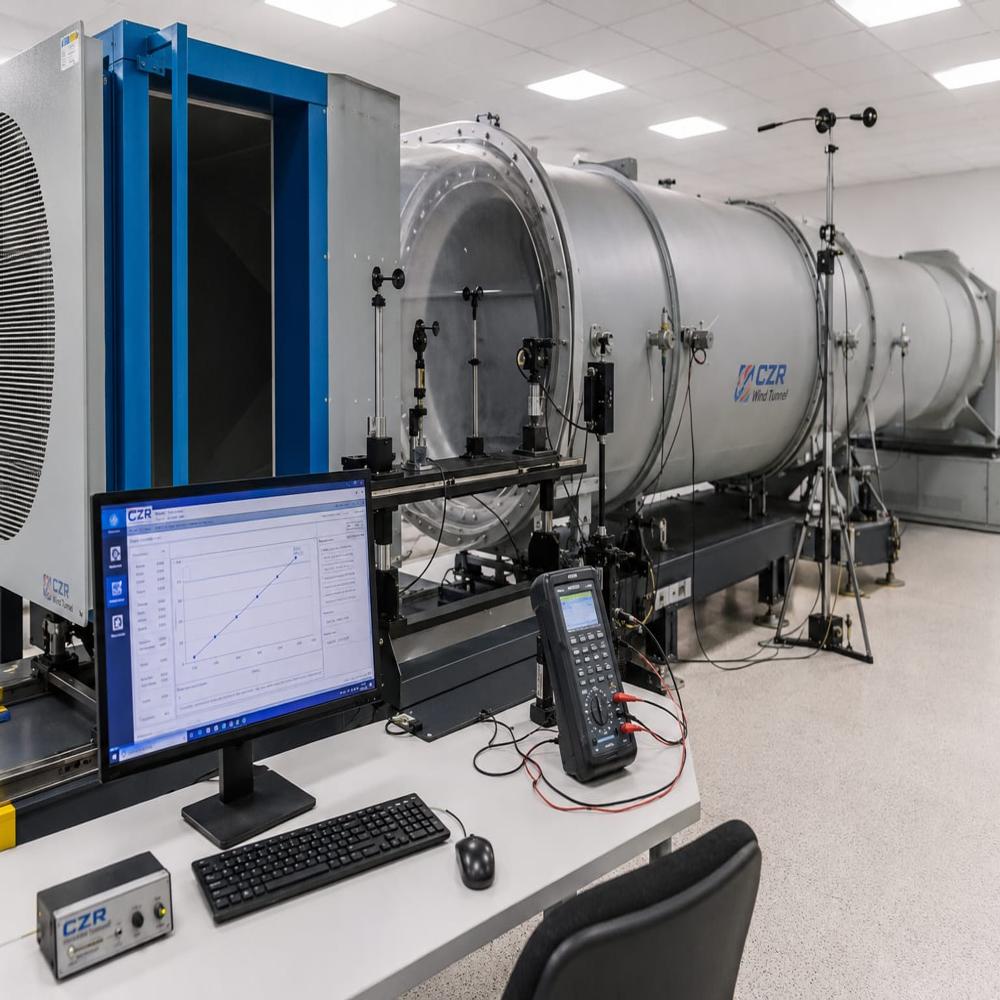
Anemometer Calibration
Price 500000.0 INR / Number
Minimum Order Quantity : 1 Number
Application : Industrial Anemometer Calibration
Accessories : Calibration Certificate, User Manual, Power Cord
Material : Other, Mild Steel
Coating Type : Powder Coated

 Send Inquiry
Our Products


Plot No - 553, Phase 2 GIDC Vatva, Near Railway Station Vatva,Ahmedabad - 382445, Gujarat, India

Mr Devang Modi
(Director)
Mobile :08045801217
 Send Inquiry
 Send SMS
Developed and Managed by Infocom Network Private Limited.
