
Call us now :08045801217
 Send Inquiry
 Send Inquiry
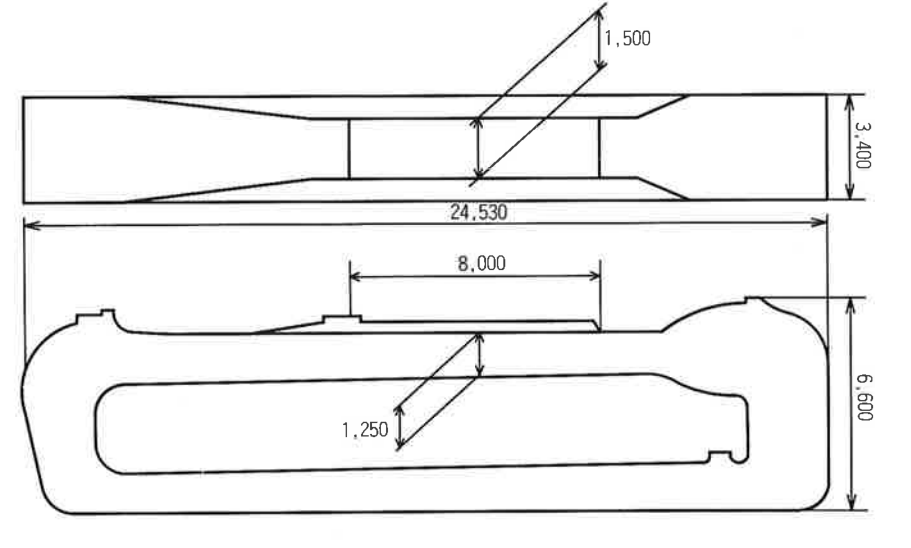
High Speed Circulating water Channel
Price 500000.0 INR/ Number
MOQ : 1 Number
High Speed Circulating water Channel Specification
- Equipment Type
- High Speed Circulating Water Channel
- Material
- Stainless Steel
- Processing Type
- Precision Engineering
- Condition
- New
- Technology
- Advanced Flow Simulation Technology
- Dimension (L*W*H)
- 10 m x 3 m x 2 m
- Power Mode
- Electric
- Voltage
- 380 V
- Power Consumption
- 12 kW
- Pressure Output
- Variable, user-defined
- Application
- Hydrodynamics Research, Naval Architecture Studies, Fluid Mechanics Experiments
- Coating Type
- Corrosion Resistant Coating
- Accessories
- Flow Control Devices, Test Models, Data Acquisition System
- Drive System
- Variable Speed Electric Drive
- Main Feature
- Uniform Flow Distribution with Low Turbulence Level
- Observation Windows
- Toughened Glass, Leak-Proof
- Installation Type
- Floor Mounted
- Testing Capability
- Ship Models, Propellers, Submarine Structures
- Flow Channel Section Shape
- Rectangular
- Control System
- PLC-Based Automatic Controls
- Safety Features
- Emergency Stop, Overload Protection, Splash Guards
- Noise Level
- Below 70 dB at full speed
- Water Filtration
- Integrated Filtration and Temperature Regulation System
High Speed Circulating water Channel About
Overview
A high-performance circulating water channel designed for high-speed flow conditions, suitable for advanced fluid dynamics research and experimental analysis. This system enables precise control of high-velocity flows for detailed observation and measurement.
Key Characteristics
- High-Speed Flow Capability
Designed to generate and maintain stable, high-velocity water flow for demanding research applications - Flow Stability & Uniformity
Equipped with flow conditioning systems to ensure uniform and low-turbulence flow in the test section - Transparent Observation Section
High-clarity acrylic test section for flow visualization and optical measurements - Precision Control System
Inverter-based control enables accurate adjustment of flow velocity - Robust Construction
Built using corrosion-resistant materials for long-term durability and continuous operation
Applications
- High-speed hydrodynamic research
- Boundary layer and turbulence studies
- Marine and offshore engineering experiments
- Flow visualization (PIV, dye injection, etc.)
- Performance testing of models and components
Typical System Configuration
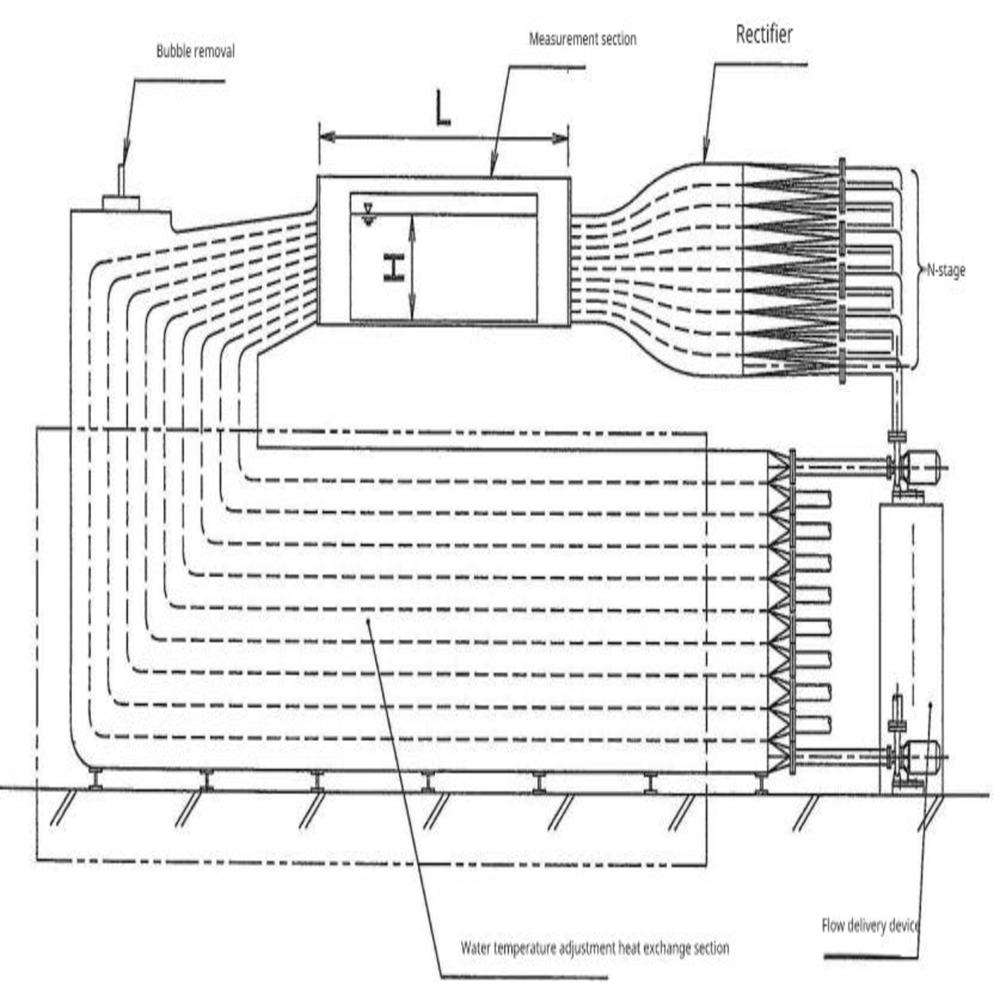
- Closed-loop circulating water channel
- High-power drive system (motor + impeller)
- Flow straighteners / conditioning section
- Test (observation) section
- Return flow channel
Optional Features
- Temperature control system
- Advanced instrumentation and data acquisition
- Pressure and velocity measurement systems
- Custom test section configurations
Uniform Flow for Accurate Testing
The water channel provides exceptionally uniform flow distribution with low turbulence levels, making it perfect for conducting highly accurate experiments on ship models, propellers, and submarine structures. Its design ensures that flow conditions closely replicate real-life scenarios, delivering dependable data for research and development.
Advanced Observation and Safety
Toughened glass observation windows offer unobstructed views without compromising safety, thanks to leak-proof construction. Safety is further elevated through features like emergency stop controls, overload protection, and splash guards, allowing operators to conduct tests with full confidence.
Seamless Operation and Control
The system integrates a PLC-based automatic control panel, streamlining speed adjustments and operational parameters. Its variable speed electric drive allows precise control over flow rates, while the low noise level ensures a comfortable working environment for technicians and researchers.
FAQ's of High Speed Circulating water Channel:
Q: How does the water channel maintain uniform flow distribution with low turbulence?
A: The channel utilizes a rectangular flow section and a variable speed electric drive system, specially designed for smooth, consistent water movement. Streamlining features minimize turbulence, ensuring the water flow is uniform throughout the test section, which is essential for accurate hydrodynamic analysis.Q: What types of models can be tested in this circulating water channel?
A: This facility accommodates a variety of hydrodynamic models including ship models, propellers, and submarine structures. The spacious test chamber and clear observation windows support diverse testing scenarios and detailed visual inspections.Q: When is it beneficial to use this high speed water channel for testing?
A: It is especially advantageous when precise analysis of fluid-structure interactions and performance of maritime components is required. The channel is ideal for research institutions, universities, and naval engineering labs conducting model-scale experiments.Q: Where is this water channel typically installed?
A: Designed for floor mounting, the unit is commonly installed in specialized laboratory environments, hydrodynamics research centers, or testing facilities that demand robust safety and control features along with advanced flow management.Q: What is the process for maintaining water quality during testing?
A: An integrated filtration and temperature regulation system continuously maintains clean and stable water conditions. This ensures accurate, repeatable test results by removing impurities and maintaining the desired temperature throughout experiments.Q: How does the PLC-based control system enhance operation?
A: The PLC-based automatic control system allows precise adjustments of flow rate, operational settings, and monitoring. This user-friendly interface automates complex processes, improves reliability, and reduces human error during critical tests.Q: What benefits do the observation windows provide during experiments?
A: The toughened glass, leak-proof observation windows enable clear, uninterrupted monitoring of experiments from outside the channel. This promotes safety, facilitates detailed visual analysis, and prevents exposure to test water or accidental splashes.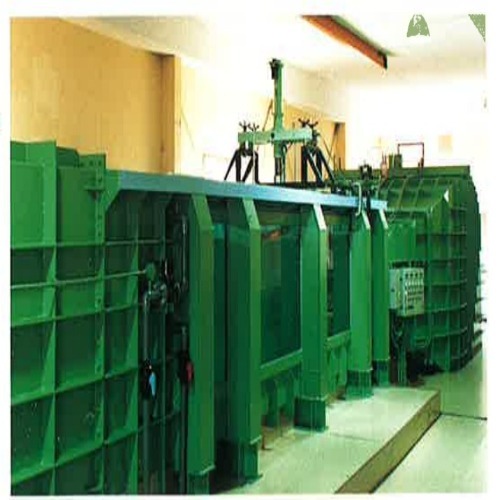
Tell us about your requirement

Price:
Quantity
Select Unit
- 50
- 100
- 200
- 250
- 500
- 1000+
Additional detail
Mobile number
Email

More Products in Water Tunnel Category
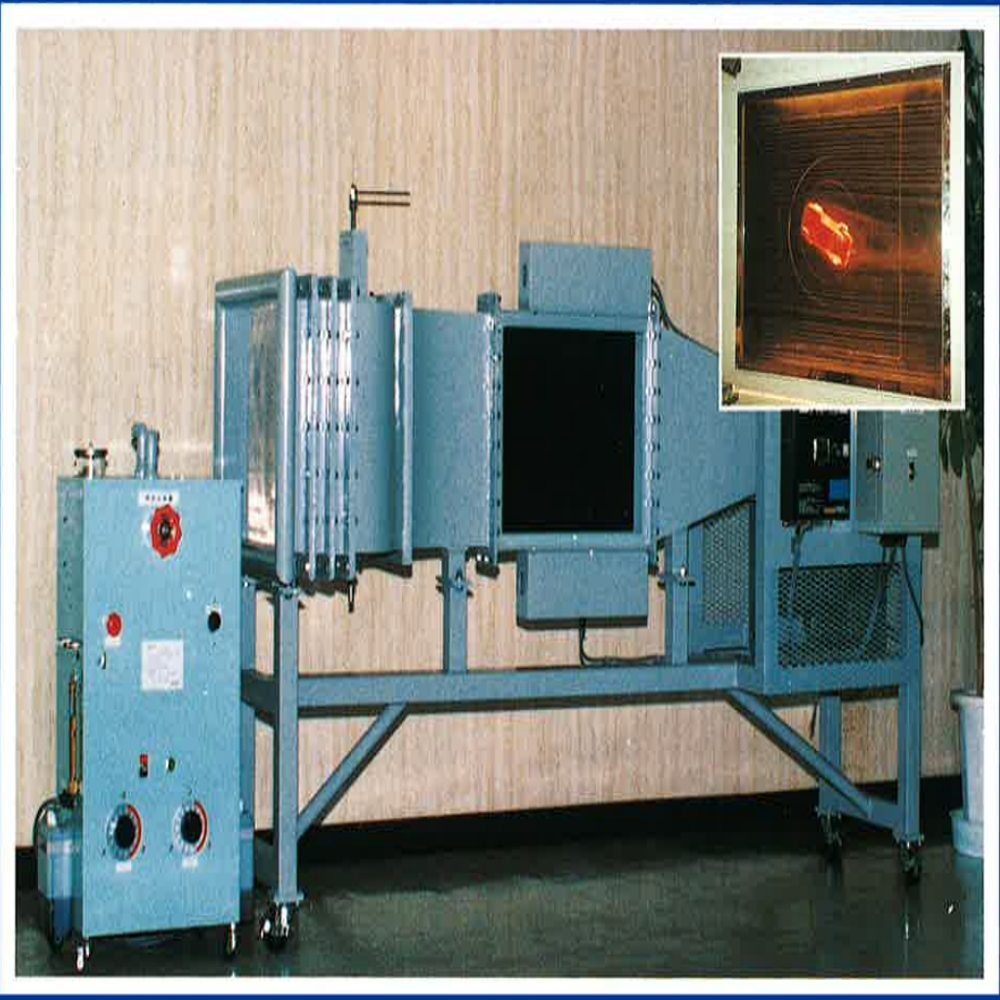
Small Visualization Wind Tunnel
Price 500000.0 INR / Unit
Minimum Order Quantity : 1 Unit
Equipment Type : Small Visualization Wind Tunnel
Technology : Other, Aerodynamic Visualization
Application : Educational/Research Wind Flow Visualization
Power Mode : Electric
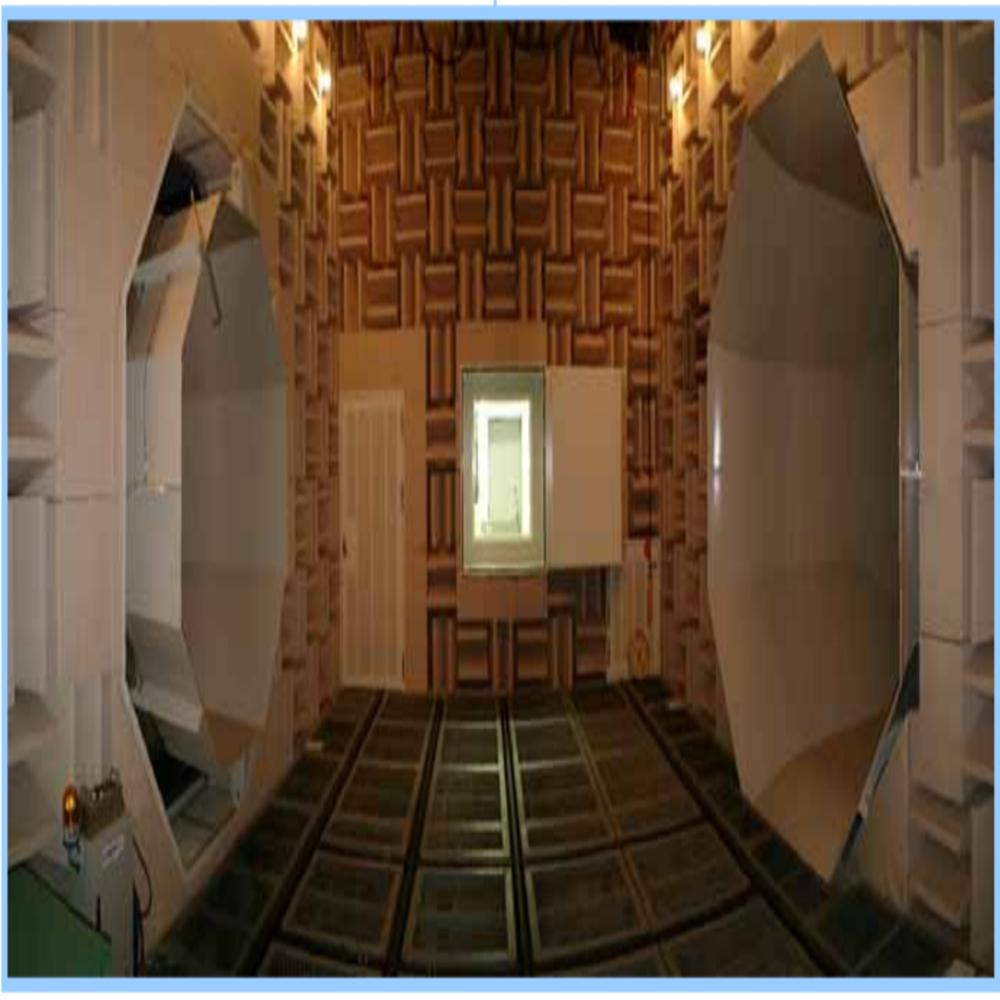
Low Noise Wind Tunnel
Price 500000.0 INR / Unit
Minimum Order Quantity : 1 Unit
Equipment Type : Low Noise Wind Tunnel
Technology : Other, Aerodynamic Simulation
Application : Research & Development, Educational Institutes, Industrial Testing
Power Mode : Electric
Thermal Stratification Tank
Price 500000.0 INR / Unit
Minimum Order Quantity : 1 Unit
Equipment Type : Thermal Stratification Tank
Technology : Other, Thermal Stratification, Multistage Flow Rectification
Application : Thermal Energy Storage, Hot Water Supply Systems, Heat Pumps, Solar Heating Systems
Power Mode : Other, Electric / Heat Exchanger Connected

Thermal Stratification Wind Tunnel
Price 500000.0 INR / Unit
Minimum Order Quantity : 1 Unit
Equipment Type : Thermal Stratification Wind Tunnel
Technology : Other, Thermal Stratification Simulation, Wind Tunnel Technology
Application : Educational Research, Fluid Dynamics, Thermal Engineering Experiments
Power Mode : Electric

 Send Inquiry
Our Products


Plot No - 553, Phase 2 GIDC Vatva, Near Railway Station Vatva,Ahmedabad - 382445, Gujarat, India

Mr Devang Modi
(Director)
Mobile :08045801217
 Send Inquiry
 Send SMS
Developed and Managed by Infocom Network Private Limited.
