
Call us now :08045801217
 Send Inquiry
 Send Inquiry
Low Density Wind Tunnel
MOQ : 1 Unit
Low Density Wind Tunnel Specification
- Equipment Type
- Wind Tunnel Apparatus
- Material
- Mild Steel, Acrylic, Aluminium
- Processing Type
- Wind Flow Simulation
- Condition
- New
- Technology
- Subsonic/Low Density Airflow Simulation
- Dimension (L*W*H)
- Approx. 2400 mm x 600 mm x 900 mm
- Power Mode
- Electric
- Voltage
- 220-240V AC, 50Hz
- Power Consumption
- 1.5 kW to 3.5 kW (Depending on Model)
- Pressure Output
- Low Pressure-Variable (depending on speed settings)
- Application
- Aerodynamics Research, Educational Laboratory Experiments
- Coating Type
- Powder Coated for Corrosion Resistance
- Accessories
- Flow Visualization Smoke Generator, Test Section, Control Panel
- Working Speed
- 0 to 50 m/s adjustable
- Frame Construction
- Heavy Duty Welded Frame with Caster Wheels
- Fan Type
- Variable Speed Axial Fan with Silencer
- Observation Windows
- Transparent Perspex on Test Chamber
- Control System
- Digital Velocity and Pressure Display
- Test Section Size
- 300 mm x 300 mm cross-section
- Noise Level
- <65 dB at maximum speed
- Operating Temperature Range
- 10C to 40C
- Safety Features
- Emergency Stop, Protective Grilles
- Airfoil Models
- Interchangeable Models Supported
Low Density Wind Tunnel About
Marketing Overview
Our low-density wind tunnel systems are designed to simulate high-altitude, rarefied gas environments encountered by spacecraft and re-entry vehicles. Operating in slip and transition flow regimes, these tunnels enable precise investigation of aerodynamics where conventional continuum assumptions no longer apply.
With advanced vacuum systems, cryogenic or free-jet flow generation, and specialized non-contact measurement techniques, the system supports cutting-edge research in rarefied gas dynamics, high-altitude flight physics, and thermal behavior under low-density conditions. Optimized for low-pressure operation and high Knudsen number simulation, it is an essential tool for aerospace and space research.
Technical Datasheet (Generalized Ranges)
1. System Classification
- Flow Regime: Slip Flow & Transition Flow
- Mach Number Range: 5 20+
- Knudsen Number (Kn): ~0.01 10 (configurable for rarefied conditions)
2. Test Section Specifications
- Type: Free-jet or enclosed (low-density optimized)
- Typical Size: 0.01 m 0.5 m
- Test Region: Small, uniform rarefied flow core
3. Flow Performance
- Velocity Range: ~1500 m/s 6000+ m/s
- Flow Uniformity: 2% 5% (typical for rarefied flows)
- Reynolds Number: Very low (<< 10, depending on conditions)
4. Operating Conditions
- Settling Chamber Pressure:
~0.001 bar 1 bar (significantly lower than conventional hypersonic tunnels) - Vacuum Level (Test Section):
Up to 10 10 bar - Temperature Ratio (Model Surface / Stagnation):
~0.06 1
5. Flow Generation System
- Type:
- Blowdown with high-capacity vacuum pumping
- Free-jet expansion systems
- Nozzle Design:
- Cryogenic Laval nozzles
- Small orifice nozzles for rarefied flow generation
6. Key Features
- Large vacuum pumping and high sealing integrity
- Reduced model size and test density
- Specialized nozzle design for high Knudsen number flow
- Lower heating requirements compared to conventional hypersonic tunnels
7. Thermal System
- Heating Requirement: Moderate (to prevent liquefaction)
- Temperature Range: 300 K 1500 K (typical, depending on test gas and setup)
8. Measurement & Instrumentation
(Specialized due to low signal levels)
- Electromagnetic suspension balances (non-contact)
- Electron beam diagnostic systems
- Optical flow visualization techniques
- High-sensitivity pressure and heat flux sensors
- Advanced data acquisition systems
9. Applications
- High-altitude spacecraft aerodynamics
- Rarefied gas dynamics research
- Re-entry physics at low density
- Satellite and micro-scale vehicle testing
- Fundamental research in non-continuum flow
10. Optional Configurations
- Free-jet expansion tunnel
- Cryogenic nozzle systems
- Ultra-high vacuum systems
- Specialized diagnostic tools for rarefied flows
11. Customization Options
- Knudsen number range
- Vacuum system capacity
- Nozzle configuration and type
- Test section geometry
- Advanced non-contact instrumentation
Versatile Testing Capabilities
The wind tunnel's adjustable speed control and interchangeable airfoil models make it ideal for a wide range of aerodynamic simulations. The precision measurement offered by the digital velocity and pressure display supports detailed experimental analysis, suitable for both research and educational purposes.
Robust and Safe Construction
Constructed from powder-coated mild steel, acrylic, and aluminium, this apparatus is engineered for durability and corrosion resistance. Safety is prioritized through emergency stop functionality, protective grilles, and low-noise operation, creating a secure environment for users and observers.
User-Friendly Operation and Accessibility
The intuitive control panel and observation windows made from transparent Perspex enable effortless monitoring and management during tests. Heavy-duty caster wheels allow for easy relocation within laboratories, enhancing accessibility and workflow efficiency.
FAQ's of Low Density Wind Tunnel:
Q: How do I adjust the airflow speed in the wind tunnel?
A: The airflow speed can be easily adjusted using the digital control panel, which regulates the variable speed axial fan. This allows users to select and maintain speeds between 0 and 50 m/s depending on the experimental requirements.Q: What applications is this wind tunnel suitable for?
A: This wind tunnel is ideal for both educational laboratory experiments and advanced aerodynamics research, providing accurate wind flow simulation for studies in subsonic, low-density airflow conditions.Q: When should I use the interchangeable airfoil models?
A: Interchangeable airfoil models are recommended whenever you need to investigate or compare the aerodynamic responses of different shapes and configurations, enhancing the educational and analytical value of your experiments.Q: Where can the wind tunnel apparatus be installed?
A: Thanks to its compact dimensions and wheeled heavy-duty frame, the wind tunnel can be easily installed in standard laboratories, research centers, or educational institutions where adequate electrical power and ventilation are available.Q: What is the process for observing experiments within the test chamber?
A: Experiments can be closely monitored through the transparent Perspex observation windows. For enhanced visualization, the included smoke generator accessory can be used to highlight airflow patterns around test models during operation.Q: How does the wind tunnel ensure user safety during operation?
A: This equipment incorporates several safety features, including an emergency stop button and protective grilles around moving parts. These measures help protect users from accidental contact and enable rapid shutdown in case of emergency.Q: What are the main benefits of using this wind tunnel for aerodynamics research?
A: Key benefits include precise control over airflow conditions, quiet operation, versatility through interchangeable models, and robust, corrosion-resistant construction. These features facilitate comprehensive and reliable aerodynamic testing for both teaching and research purposes.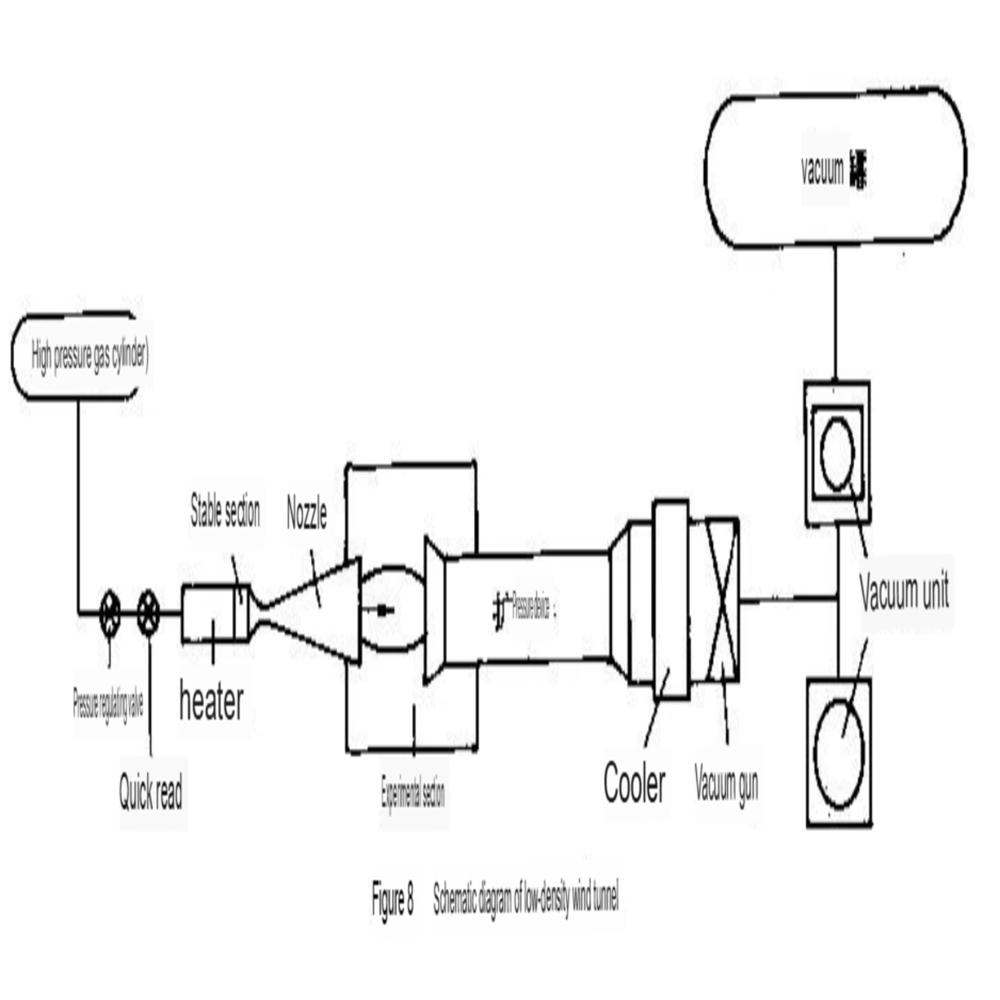
Tell us about your requirement

Price:
Quantity
Select Unit
- 50
- 100
- 200
- 250
- 500
- 1000+
Additional detail
Mobile number
Email

More Products in Speciality Wind Tunnels Category
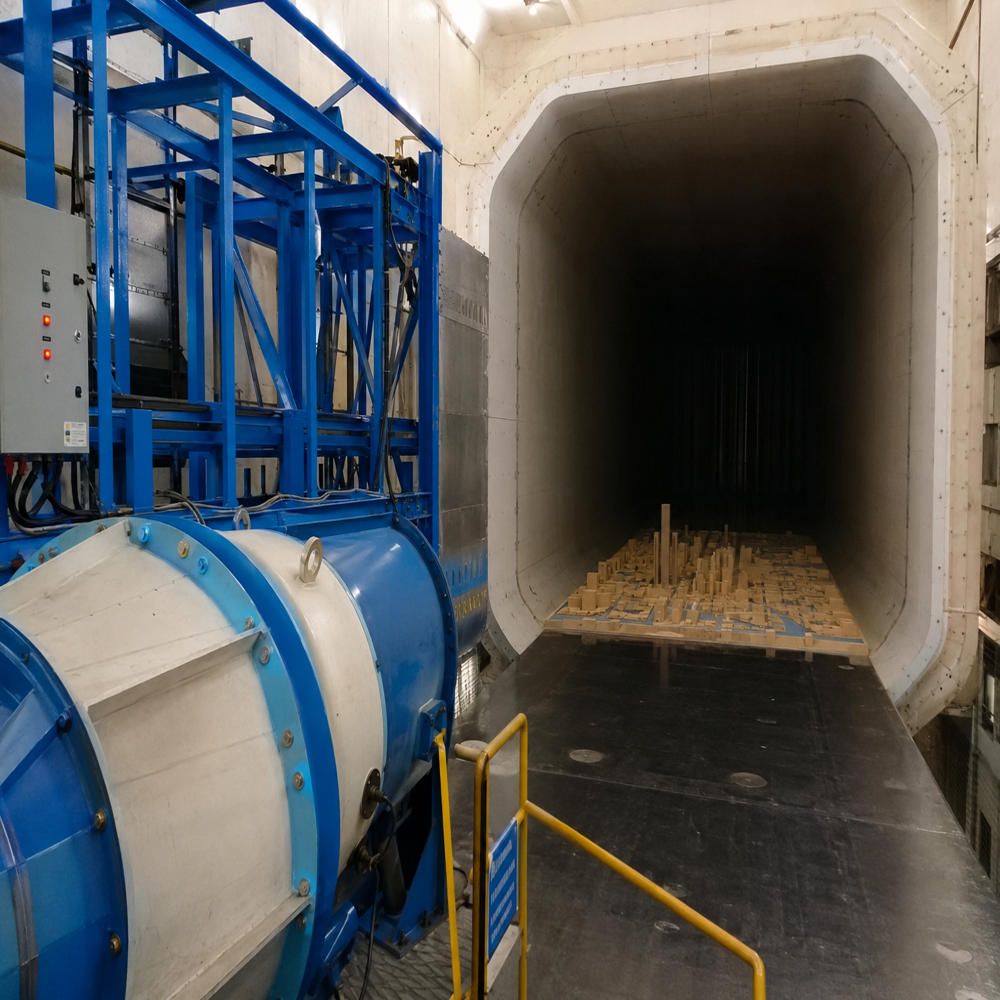
Wind Tunnels for Various Researches
Price 500000.0 INR / Piece
Minimum Order Quantity : 1 Piece
Application : Aerodynamics, Industrial, and Academic Researches
Condition : New
Voltage : 220V415V AC, 50/60Hz
Processing Type : Other, Standard/Custom Engineered
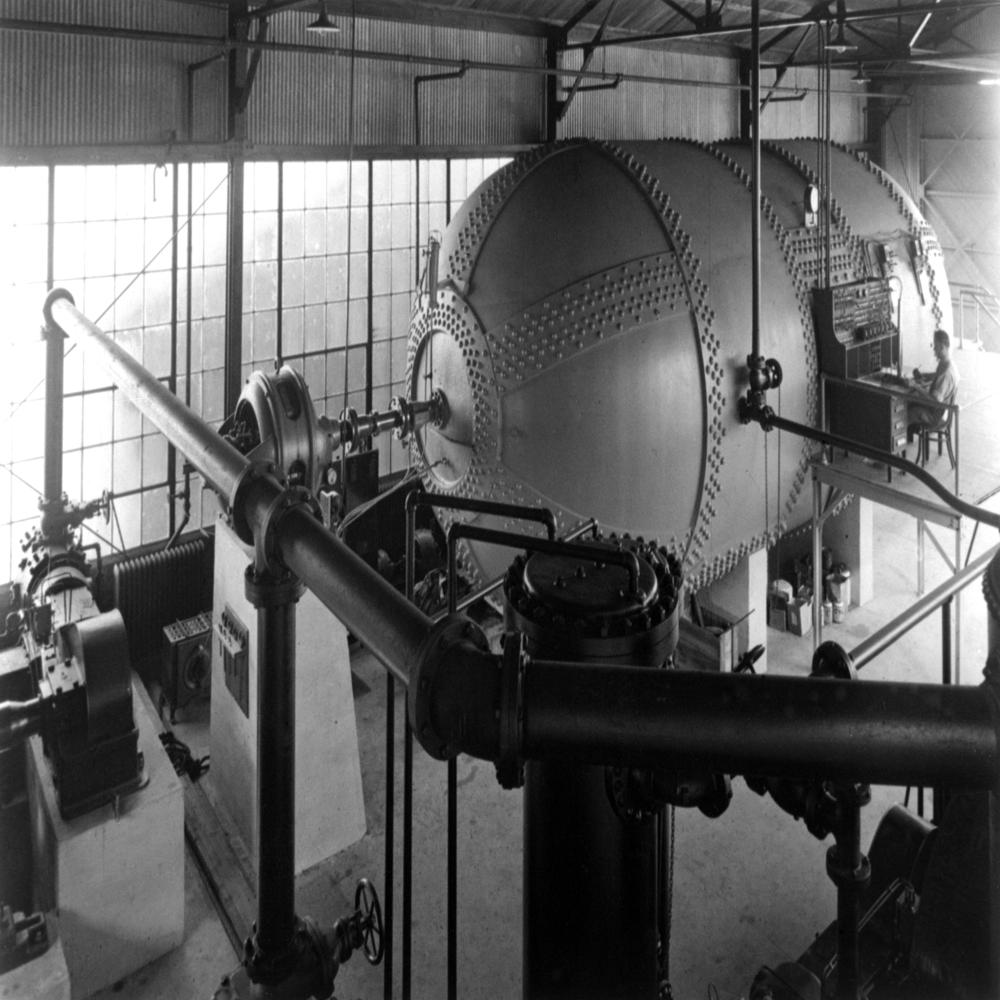
Variable Density Wind Tunnel
Price 500000.0 INR / Unit
Minimum Order Quantity : 1 Unit
Application : Aerodynamics Research, Educational Institutes, Industrial R&D Labs
Condition : New
Voltage : 220440 V, 50 Hz
Processing Type : Other, Fluid Dynamics Testing

Plasma Wind Tunnel
Price 500000.0 INR / Unit
Minimum Order Quantity : 1 Unit
Application : Aerospace Material Testing, Plasma Jet Simulation, Thermal Protection Studies
Condition : New
Voltage : 380 V
Processing Type : Other, Continuous
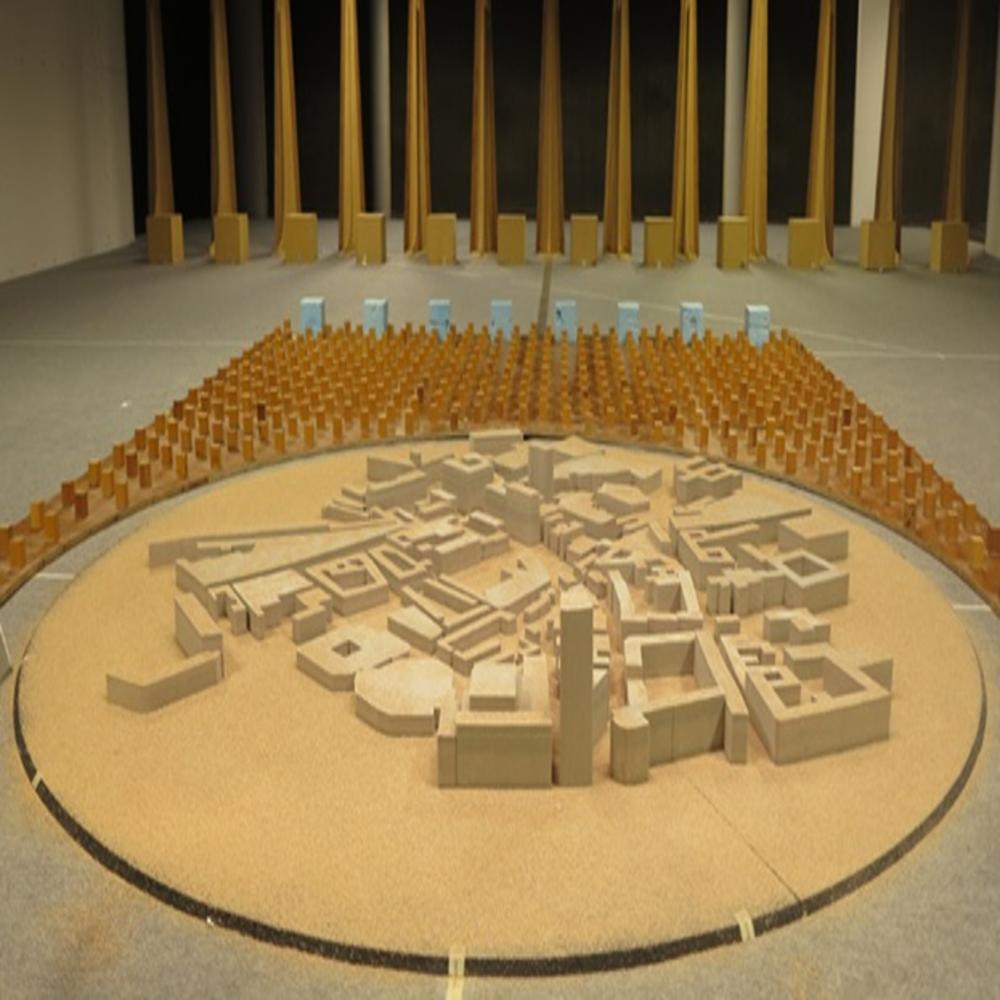
Trun Wide Boundry Layer Wind Tunnel
Minimum Order Quantity : 1 Unit
Application : Aerodynamics experiments and boundary layer studies
Condition : New
Voltage : 220240V, 50/60Hz
Processing Type : Other, Dynamic airflow testing

 Send Inquiry
Our Products


Plot No - 553, Phase 2 GIDC Vatva, Near Railway Station Vatva,Ahmedabad - 382445, Gujarat, India

Mr Devang Modi
(Director)
Mobile :08045801217
 Send Inquiry
 Send SMS
Developed and Managed by Infocom Network Private Limited.
