
Call us now :08045801217
 Send Inquiry
 Send Inquiry
Variable Density Wind Tunnel
Price 500000.0 INR/ Unit
MOQ : 1 Unit
Variable Density Wind Tunnel Specification
- Equipment Type
- Wind Tunnel Apparatus
- Material
- Mild Steel, Aluminium, Glass, Stainless Steel (composite construction)
- Processing Type
- Fluid Dynamics Testing
- Condition
- New
- Technology
- Variable Density Wind Tunnel
- Dimension (L*W*H)
- Approx. 4 m x 1.2 m x 2 m (varies by model)
- Power Mode
- Electric
- Voltage
- 220-440 V, 50 Hz
- Power Consumption
- Approx. 10-15 kW (depending on model)
- Pressure Output
- Up to 10 atm (adjustable)
- Application
- Aerodynamics Research, Educational Institutes, Industrial R&D Labs
- Coating Type
- Powder Coated Epoxy Finish
- Accessories
- Diffuser, Test Section, Settling Chamber, Control Panel, Model Supports
- Operating Temperature Range
- 10C to 40C
- Noise Level
- Less than 70 dB at max speed
- Data Acquisition
- Optional Digital Sensors and Software Interface
- Safety Feature
- Emergency Stop, Overload Protection
- Calibration
- Factory Calibrated with Certification
- Test Models
- Airfoil, Sphere, Cylinder, Custom Models (on request)
- Window Type
- Toughened Transparent Glass for Visualization
- Mounting Type
- Floor Mounted
- Test Section Size
- 300 mm x 300 mm to 600 mm x 600 mm (customizable)
- Control System
- Digital Display with Variable Speed and Pressure Controls
- Maximum Air Speed
- Up to 120 m/s (depending on pressure setting)
Variable Density Wind Tunnel About
A specialized wind tunnel enabling controlled variation of air density and pressure for precise aerodynamic and sensor performance testing under realistic environmental conditions. Particularly suited for wind sensor validation at altitude-equivalent conditions.
Facility Overview
- Type: Variable Density Wind Tunnel
- Application: Wind sensor classification, aerodynamic research, altitude simulation
- Unique Capability: Controlled air density variation via pressure adjustment
Test Section
- Dimensions (W H L): 0.5 0.5 0.9 m
- Configuration: Compact closed test section
- Contraction Ratio: 3.21 : 1
Aerodynamic Performance
- Maximum Wind Speed: up to 15 m/s
- Flow Control: Smooth, adjustable airflow for precision measurements
Environmental Control
- Ambient Pressure Range: 0.7 1.1 bar (extendable up to ~1.3 bar typical capability)
- Temperature Range: 20C to +40C
- Density Variation: Enables simulation of high-altitude and varying atmospheric conditions
Testing Capabilities
- Wind sensor (anemometer) response under varying air densities
- Altitude simulation for performance validation
- Calibration and classification of measurement instruments
- Study of aerodynamic sensitivity to pressure and temperature changes
Key Features
- Real measurement of density effects (beyond numerical simulation)
- Controlled pressure environment for accurate altitude replication
- Combined temperature and density testing capability
- High repeatability for sensor development and certification
Advanced Customization for Varied Applications
Engineered with versatility in mind, the test section of the Variable Density Wind Tunnel can be customized to your specific research or educational needs, accommodating sizes from 300 mm x 300 mm to 600 mm x 600 mm. This adaptability makes it a valuable resource for aerodynamics studies, allowing for testing of various scale models and unique experimental setups.
Reliable and Safe Performance
Safety is paramount, with built-in features such as an emergency stop, overload protection, and toughened transparent glass for visualization. The robust digital control system provides precise handling of speed and pressure, while factory calibration-with certification-ensures readings you can rely on. Low operational noise and high-quality, powder-coated epoxy finish complete this reliable testing solution.
FAQ's of Variable Density Wind Tunnel:
Q: How does the variable density feature enhance wind tunnel testing?
A: The variable density capability allows for adjusting the air pressure within the tunnel, enabling simulation of different atmospheric conditions. This flexibility results in more accurate and scalable aerodynamics testing across various research scenarios.Q: What types of models can be tested in this wind tunnel?
A: Standard models such as airfoils, spheres, and cylinders can be tested. Additionally, custom models are accommodated upon request, supporting a broad range of experimental and developmental projects.Q: When is calibration performed, and what certifications are included?
A: Each wind tunnel unit is factory calibrated prior to shipment, ensuring measurement accuracy from the outset. Calibration certification is provided with the equipment, giving you documented assurance of performance.Q: Where is the equipment typically installed and operated?
A: Designed for floor mounting, this wind tunnel is ideally installed in laboratory environments such as educational institutes, industrial R&D centers, or dedicated aerodynamics facilities, where controlled testing conditions can be maintained.Q: What is the process for adjusting airflow speed and pressure?
A: The digital control system enables precise management of both airflow speed and pressure. Operators can conveniently set desired parameters using the digital display and variable controls, ensuring optimal testing conditions for each experiment.Q: How is test data collected and analyzed?
A: Optional digital sensors and software interfaces are available for automated data acquisition. These tools provide real-time monitoring and analysis, simplifying the collection and interpretation of experimental results.Q: What are the main benefits of using this wind tunnel for research or education?
A: Key advantages include a customizable test section, high-speed capability, robust safety features, low noise operation, and certified calibration. These attributes combine to support accurate, repeatable, and safe aerodynamic testing for both teaching and advanced research purposes.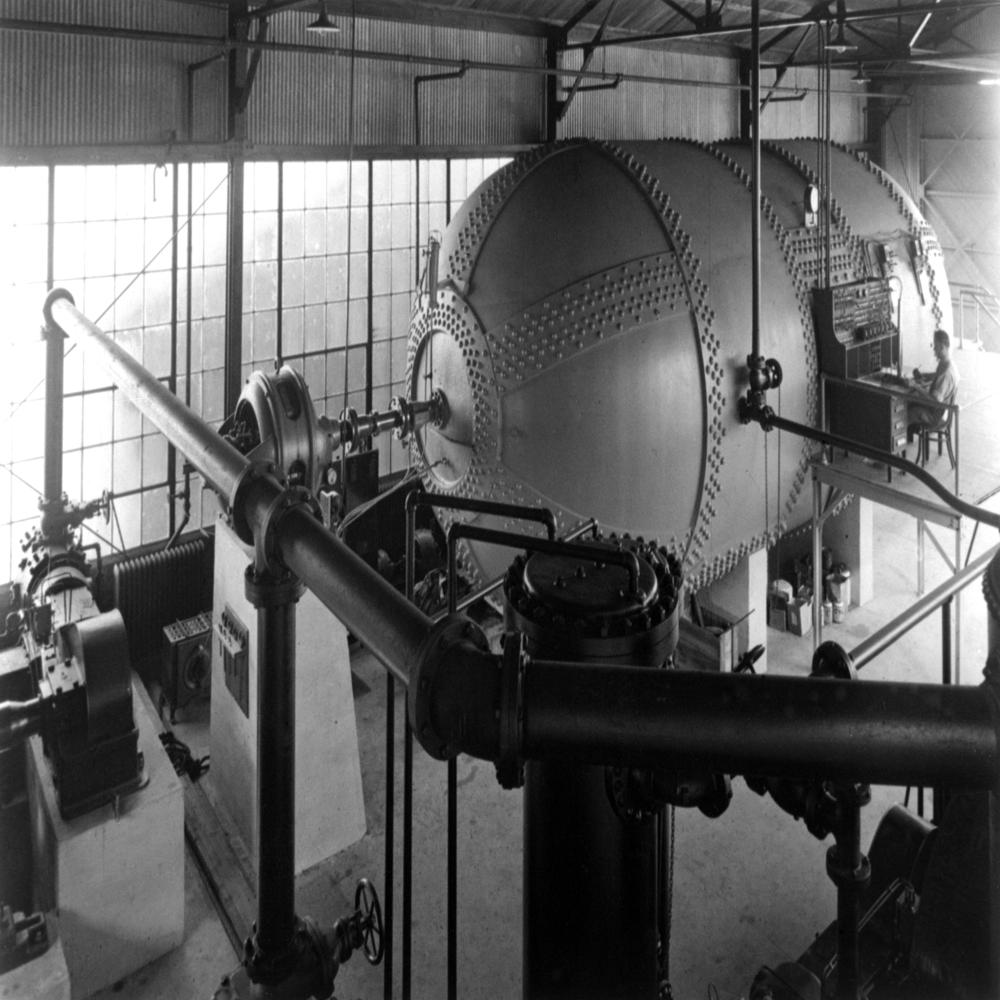
Tell us about your requirement

Price:
Quantity
Select Unit
- 50
- 100
- 200
- 250
- 500
- 1000+
Additional detail
Mobile number
Email

More Products in Speciality Wind Tunnels Category
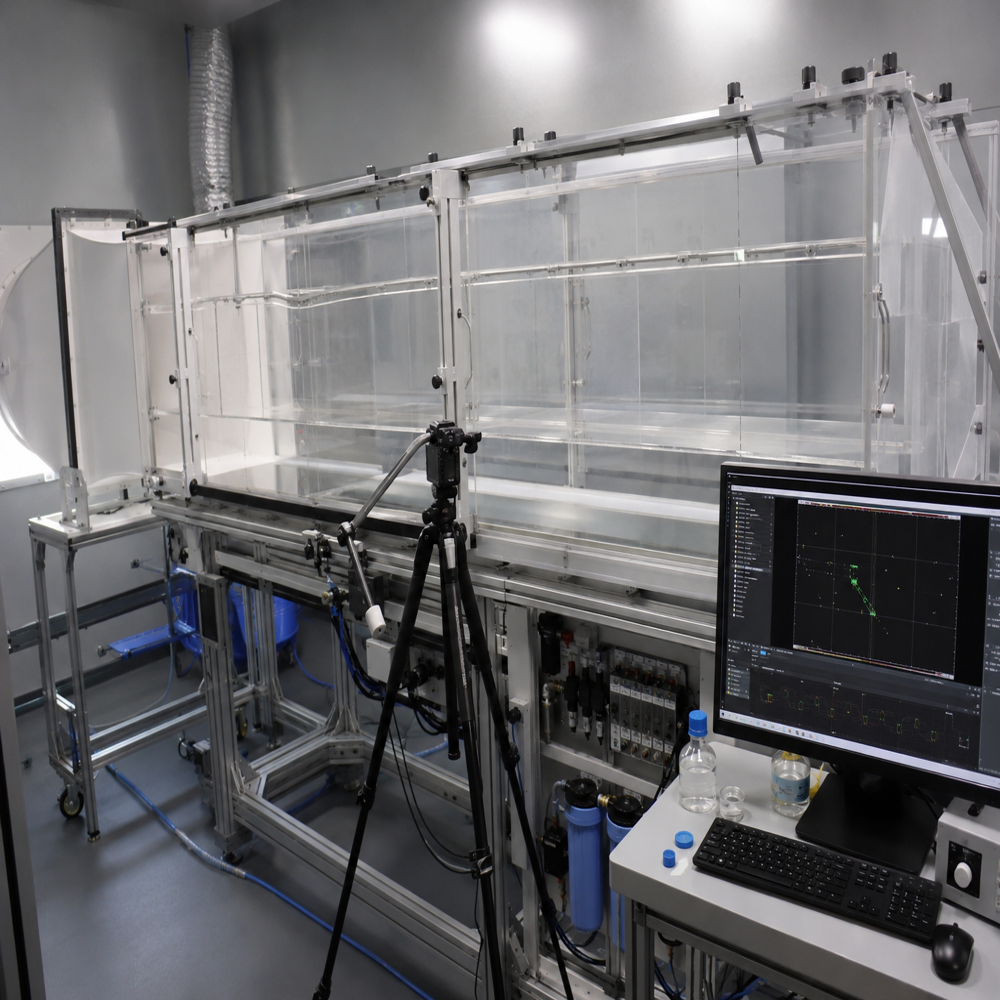
Bio-Assyl Wind Tunnel
Price 500000.0 INR / Unit
Minimum Order Quantity : 1 Unit
Power Consumption : Approximately 250 W
Processing Type : Other, Precision Machined
Dimension (L*W*H) : 1800 mm x 700 mm x 700 mm
Application : Laboratory Insect Behavioural Experiments
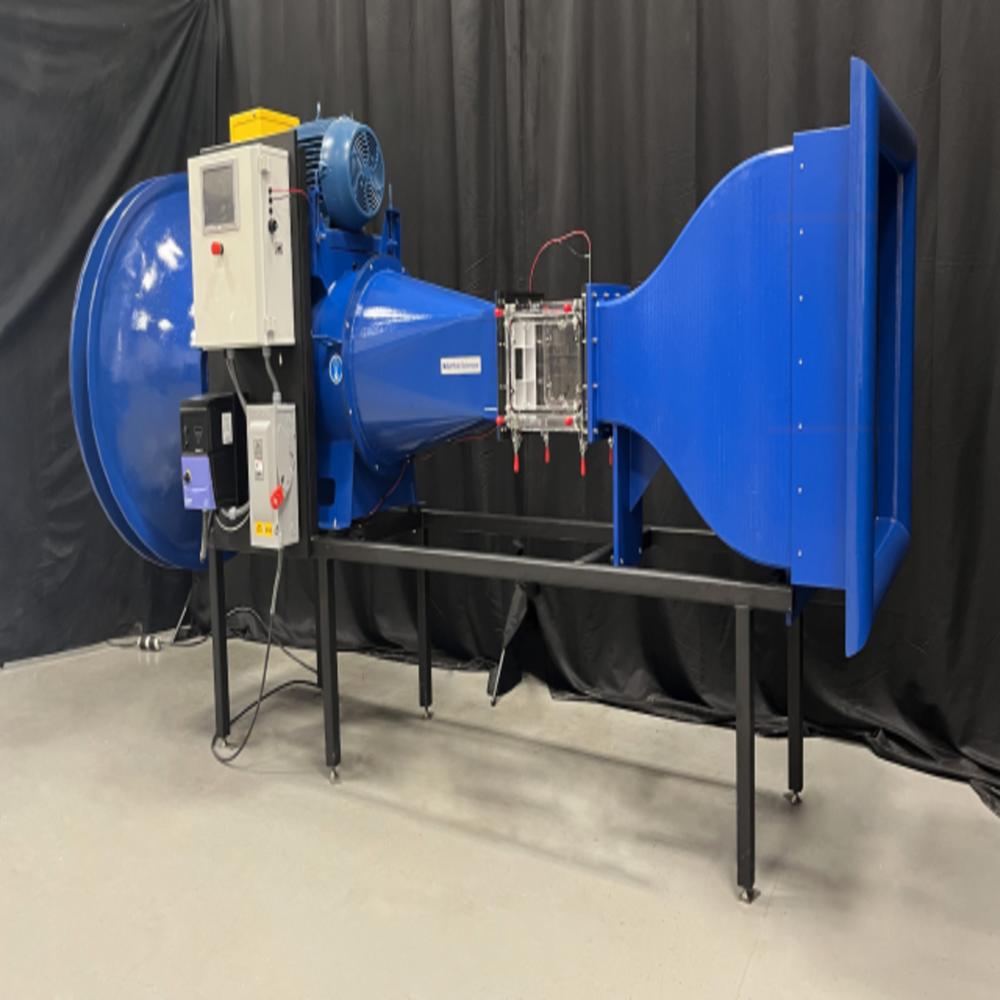
Calibration Wind Tunnel
Price 500000.0 INR / Unit
Minimum Order Quantity : 1 Unit
Power Consumption : 3 kW
Processing Type : Other, Precision Airflow Calibration
Dimension (L*W*H) : 2200 x 900 x 1250 mm
Application : Calibration of air velocity sensors, anemometers, and laboratory airflow testing
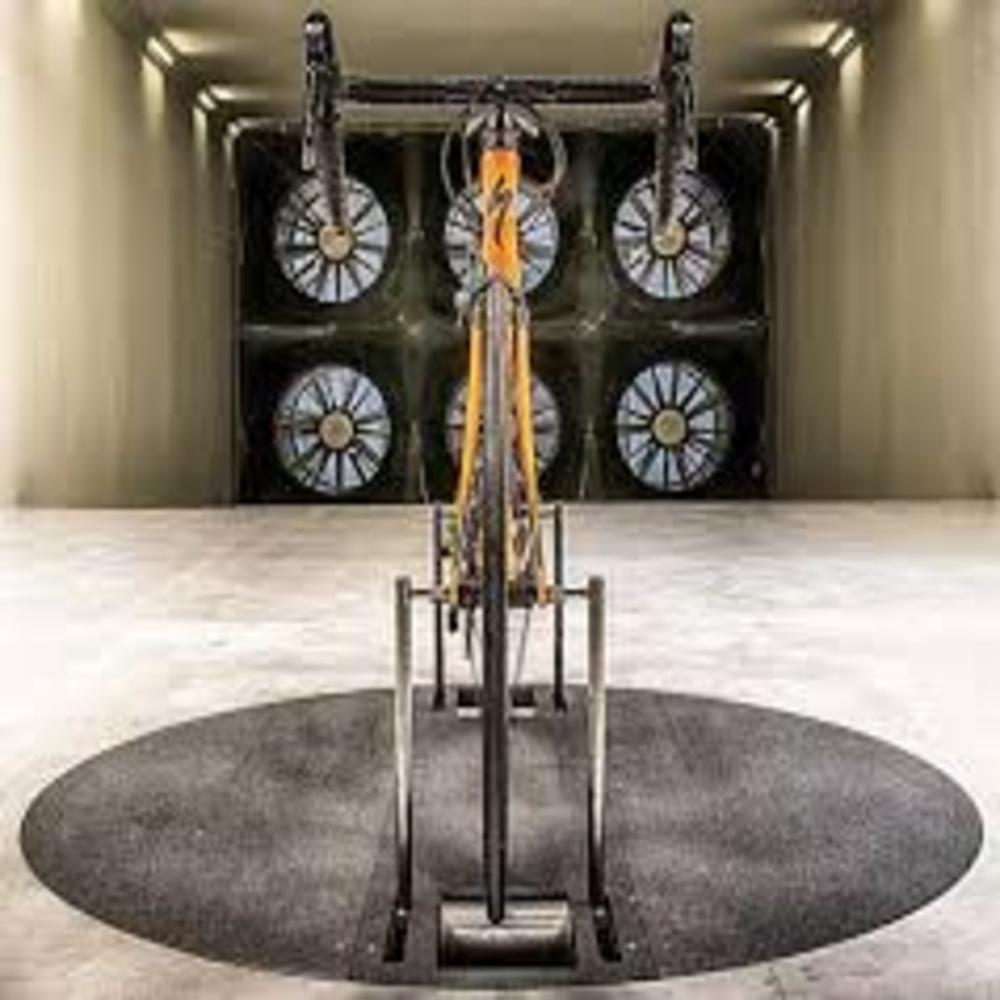
Specialized Wind Tunnel
Price 500000.0 INR / Unit
Minimum Order Quantity : 1 Unit
Power Consumption : 3.5 kW
Processing Type : Other, Manual, SemiAutomatic
Dimension (L*W*H) : 3500 mm x 1200 mm x 1800 mm
Application : Aerodynamic Testing, Research Laboratories, Educational Institutions

Plasma Wind Tunnel
Price 500000.0 INR / Unit
Minimum Order Quantity : 1 Unit
Power Consumption : 50 200 kW
Processing Type : Other, Continuous
Dimension (L*W*H) : Approx. 5 m x 2 m x 2.5 m
Application : Aerospace Material Testing, Plasma Jet Simulation, Thermal Protection Studies

 Send Inquiry
Our Products


Plot No - 553, Phase 2 GIDC Vatva, Near Railway Station Vatva,Ahmedabad - 382445, Gujarat, India

Mr Devang Modi
(Director)
Mobile :08045801217
 Send Inquiry
 Send SMS
Developed and Managed by Infocom Network Private Limited.
