
Call us now :08045801217
 Send Inquiry
 Send Inquiry
Trun Wide Boundry Layer Wind Tunnel
MOQ : 1 Unit
Trun Wide Boundry Layer Wind Tunnel Specification
- Equipment Type
- Educational Laboratory Wind Tunnel
- Material
- Mild Steel with powder coated finish
- Processing Type
- Dynamic airflow testing
- Condition
- New
- Technology
- Wide Boundary Layer Wind Tunnel, laboratory grade
- Dimension (L*W*H)
- 2500 mm x 700 mm x 1200 mm
- Power Mode
- Electric
- Voltage
- 220-240V, 50/60Hz
- Power Consumption
- 2 kW
- Pressure Output
- Variable, up to 2000 Pa
- Application
- Aerodynamics experiments and boundary layer studies
- Coating Type
- Powder coated
- Accessories
- Flow visualization accessories, control panel, measuring instruments
- Safety Features
- Emergency stop switch, safety mesh at inlets and outlets
- Data Acquisition
- Provision for digital and analog sensors
- Noise Level
- < 70 dB
- Frame Construction
- Heavy duty rectangular frame with castors
- Blower Type
- Centrifugal fan, dynamically balanced
- Working Speed
- 0.4 - 30 m/s adjustable
- Control Type
- Variable speed control
- Calibration
- Factory calibrated with certificate included
- Test Section Size
- 300 mm x 300 mm
- Observation Windows
- Acrylic transparent panels
- Max. Air Flow Rate
- 1000 m3/hr
Trun Wide Boundry Layer Wind Tunnel About
A compact, wide-section boundary layer wind tunnel engineered for flexible aerodynamic testing where space efficiency and moderate-to-high wind speeds are required.
Facility Overview
- Type: Truncated Wide Boundary Layer Wind Tunnel (WT4)
- Application: Structural aerodynamics, localized urban studies, infrastructure testing
- Flow Condition: Simulated atmospheric boundary-layer with compact footprint
Test Section Dimensions
- Height: 1.7 m
- Width: 7.5 m
- Length: 9.0 m
- Configuration: Shortened test section with wide cross-section for versatile model setups
Aerodynamic Performance
- Maximum Wind Speed: up to 12 m/s
- Flow Control: Adjustable velocity for varied test scenarios
- Flow Characteristics: Stable turbulent boundary-layer suitable for scaled studies
Testing Capabilities
- Wind loading on buildings and medium-scale structures
- Localized urban wind flow and interference effects
- Pedestrian wind comfort assessments
- Parametric and rapid testing of multiple configurations
- Infrastructure components and faade performance studies
Key Features
- Compact design with wide test area for flexible use
- Higher wind speeds compared to large-area low-speed tunnels
- Efficient setup for iterative and parametric testing
- Balanced capability between speed, size, and spatial coverage
Versatile and Precise Airflow Control
This wind tunnel offers highly adjustable airflow speeds from 0.4 to 30 m/s, making it suitable for a vast range of aerodynamic tests. The centrifugal blower delivers up to 1000 m3/hr of air, ensuring uniform flow conditions ideal for research and education. The variable speed control and maximum pressure output up to 2000 Pa allow for flexible experimentation tailored to specific requirements.
Enhanced Experimentation and Observation
Designed for rigorous boundary layer studies, the wind tunnel includes transparent acrylic observation windows for clear visibility. Digital and analog sensor provisions simplify data acquisition. Supplied measuring instruments and flow visualization accessories facilitate detailed analysis, allowing users to conduct experiments with accuracy and ease.
Built for Safety and Reliability
The structure consists of a heavy-duty, powder-coated mild steel frame with castors for mobility. Integrated safety features such as a mesh at the inlets and outlets and an emergency stop switch ensure operator safety. The wind tunnel is factory calibrated, accompanied by a certificate for verification, emphasizing reliability in academic environments.
FAQ's of Trun Wide Boundry Layer Wind Tunnel:
Q: How do you operate the variable speed control on the wind tunnel?
A: The wind tunnel features an easy-to-use variable speed control panel, allowing users to precisely adjust the airflow between 0.4 to 30 m/s according to experimental requirements. This ensures optimal conditions for a wide range of aerodynamics tests.Q: What makes this wind tunnel suitable for educational and laboratory use?
A: It is designed specifically for laboratory and educational applications, equipped with digital and analog data acquisition capabilities, flow visualization accessories, and simple control interfaces, enabling clear demonstration and detailed study of aerodynamics and boundary layers.Q: When should the tunnel be recalibrated after purchase?
A: The wind tunnel is factory calibrated and comes with a certificate. For continuous accuracy, recalibration is recommended on an annual basis or according to laboratory quality standards or after significant relocation.Q: Where can the Trun Wide Boundary Layer Wind Tunnel be installed?
A: With dimensions of 2500 mm x 700 mm x 1200 mm and a movable heavy-duty frame with castors, the wind tunnel can be conveniently set up in laboratories, university classrooms, or research facilities with standard electric power supply (220-240V, 50/60Hz).Q: What safety features are included in the design?
A: The tunnel integrates a safety mesh at air inlets and outlets and an emergency stop switch on the control panel to immediately halt operation during emergencies, ensuring operator and bystander safety.Q: How is data collected during experiments?
A: The wind tunnel is designed with provisions for both digital and analog sensors, making real-time data acquisition straightforward. Supplied measuring instruments and the control panel further support accurate monitoring and analysis.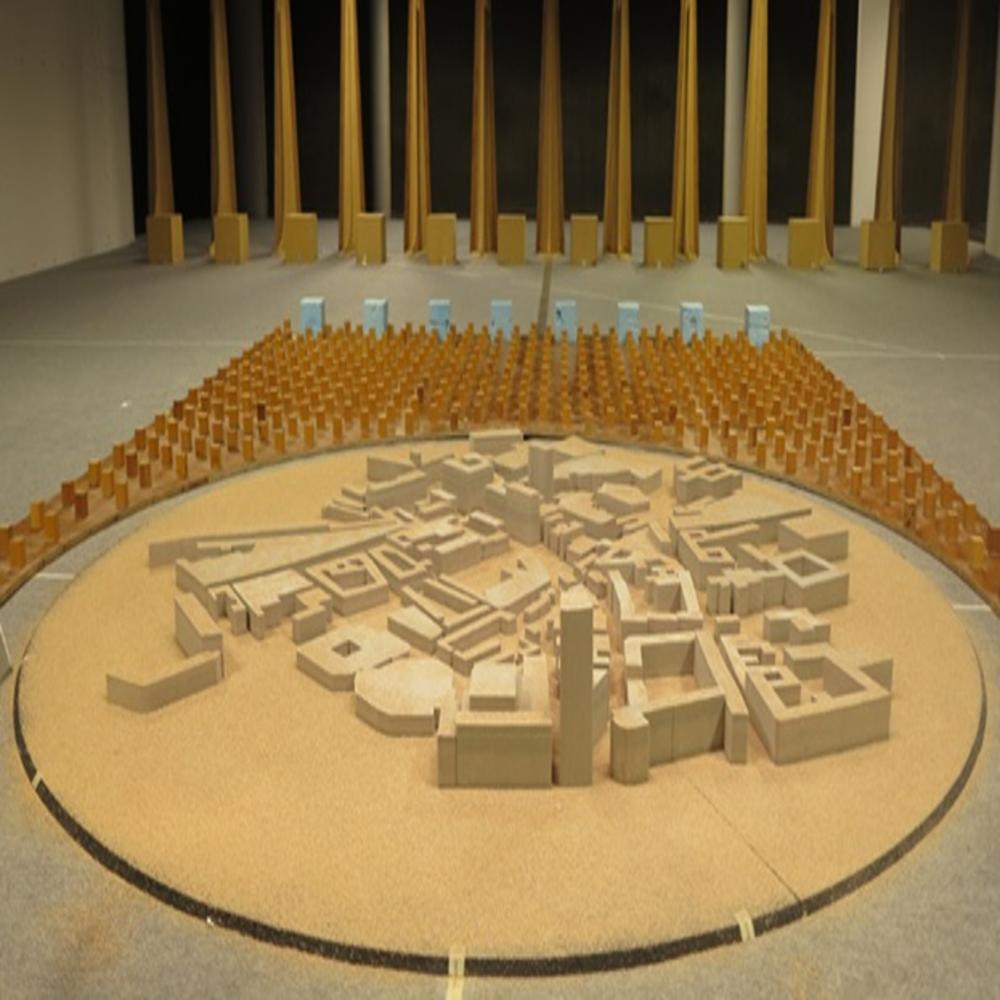
Tell us about your requirement

Price:
Quantity
Select Unit
- 50
- 100
- 200
- 250
- 500
- 1000+
Additional detail
Mobile number
Email

More Products in Speciality Wind Tunnels Category
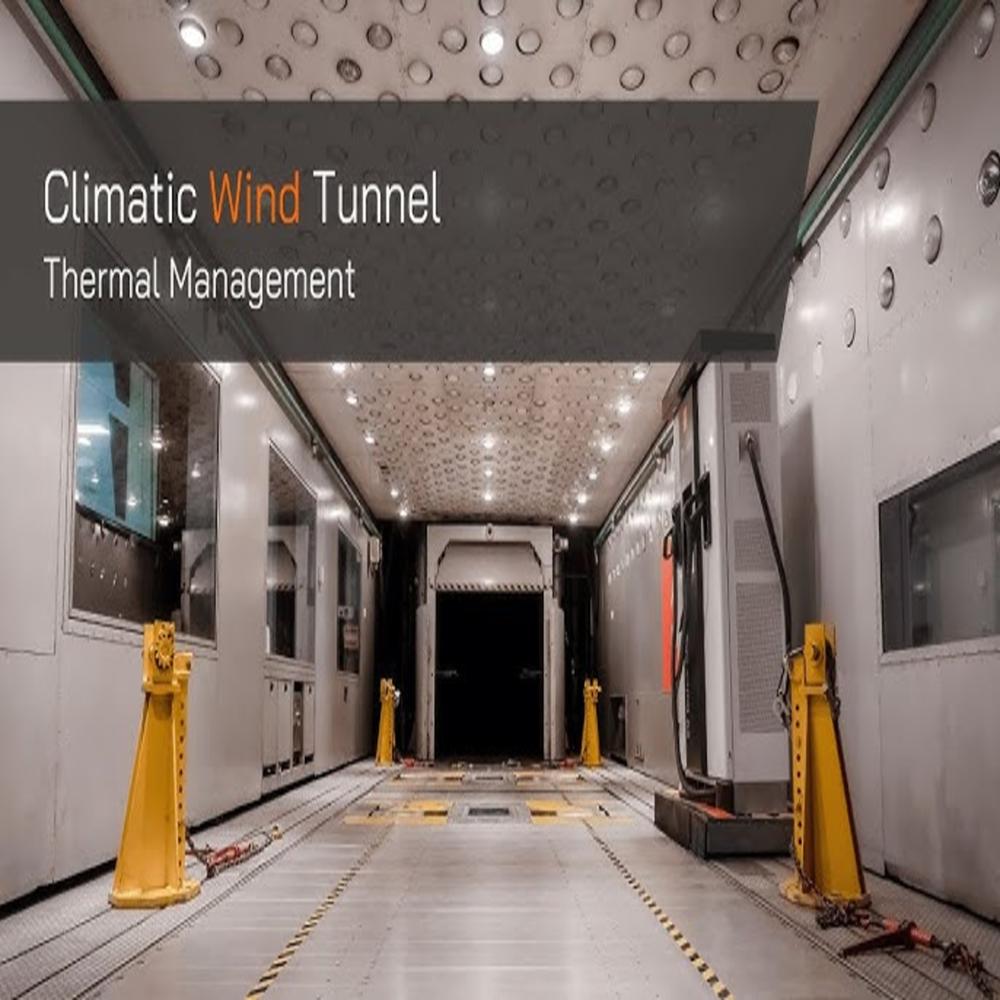
Climatic Wind Tunnel
Price 500000.0 INR / Unit
Minimum Order Quantity : 1 Unit
Processing Type : Other, Custom Fabrication
Coating Type : Anticorrosive epoxy coating
Application : Automotive testing, Aerospace research, Building material analysis, Environmental simulations
Condition : New
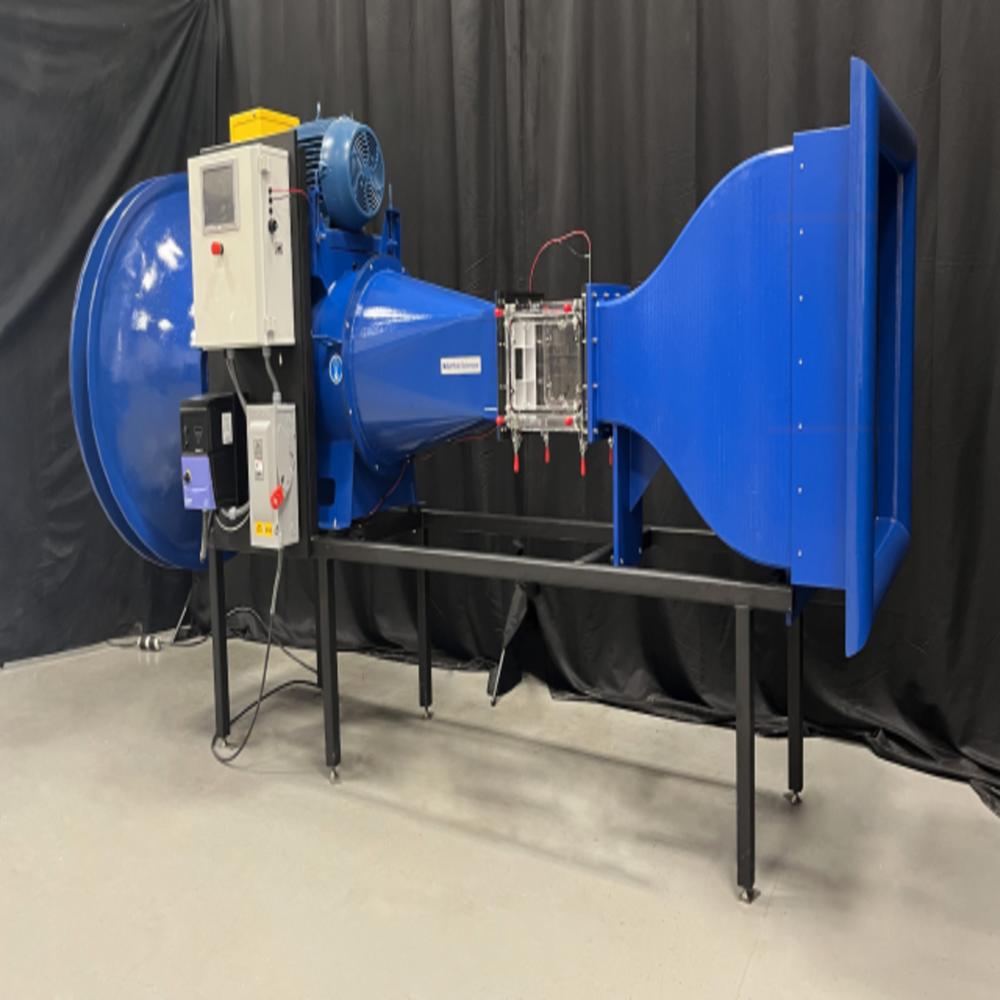
Calibration Wind Tunnel
Price 500000.0 INR / Unit
Minimum Order Quantity : 1 Unit
Processing Type : Other, Precision Airflow Calibration
Coating Type : Powder Coated
Application : Calibration of air velocity sensors, anemometers, and laboratory airflow testing
Condition : New
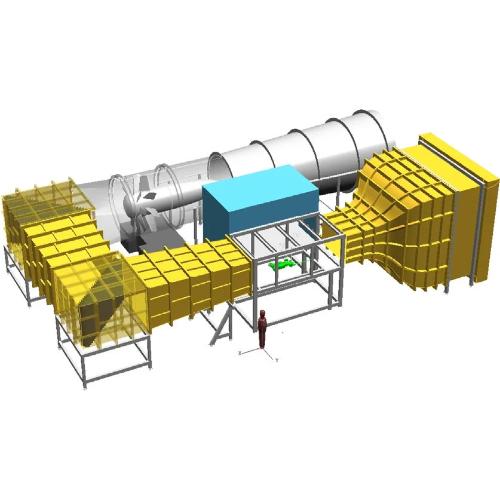
Large Wind Tunnel
Price 500000.0 INR / Unit
Minimum Order Quantity : 1 Unit
Processing Type : Other, Dynamic Airflow Testing
Coating Type : Corrosion Resistant Paint
Application : Aerodynamics Research, Aircraft Testing, Educational Demonstrations, Industrial Testing
Condition : New
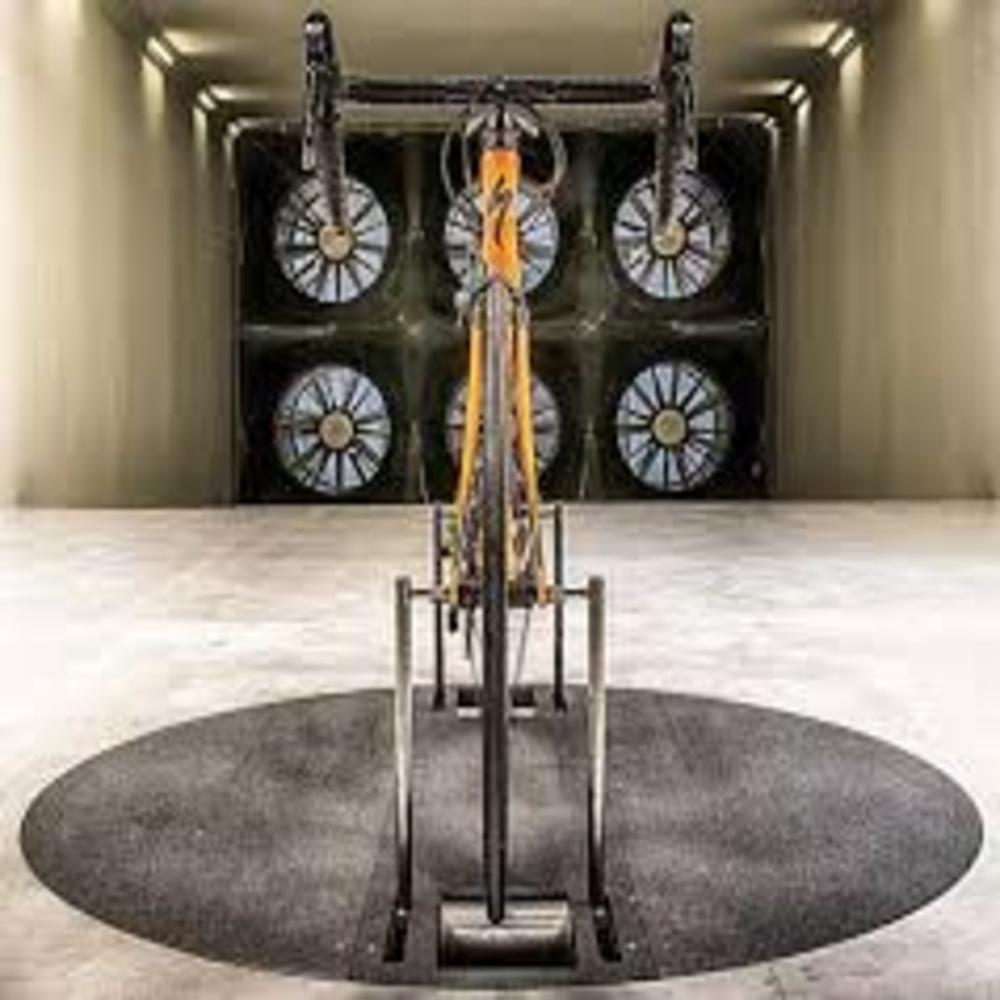
Specialized Wind Tunnel
Price 500000.0 INR / Unit
Minimum Order Quantity : 1 Unit
Processing Type : Other, Manual, SemiAutomatic
Coating Type : Powder Coated
Application : Aerodynamic Testing, Research Laboratories, Educational Institutions
Condition : New

 Send Inquiry
Our Products


Plot No - 553, Phase 2 GIDC Vatva, Near Railway Station Vatva,Ahmedabad - 382445, Gujarat, India

Mr Devang Modi
(Director)
Mobile :08045801217
 Send Inquiry
 Send SMS
Developed and Managed by Infocom Network Private Limited.
