
Call us now :08045801217
 Send Inquiry
 Send Inquiry
Natural Wind Tunnel
Price 500000.0 INR/ Unit
MOQ : 1 Unit
Natural Wind Tunnel Specification
- Equipment Type
- Wind Tunnel
- Material
- Mild Steel
- Processing Type
- Standard
- Condition
- New
- Technology
- Natural Wind Simulation
- Dimension (L*W*H)
- Approx. 4 m x 1.2 m x 1.5 m
- Power Mode
- Electric
- Voltage
- 220-240 V AC
- Power Consumption
- Depends on configuration, typically 2-3 kW
- Pressure Output
- Adjustable (as per testing requirements)
- Application
- Aerodynamics studies, research and industrial testing
- Coating Type
- Powder Coated
- Accessories
- Test specimen holders, measurement instruments, controller unit
- Frame Type
- Heavy duty structural steel frame
- Finish
- Corrosion-resistant, industrial-grade finish
- Safety Features
- Emergency stop, safety grill, overload protection
- Test Section Size
- Standard size; customizable as per requirement
- Humidity Range
- Up to 80% RH non-condensing
- Ambient Temperature Range
- 5C to 45C
- Sampling Ports
- Multiple ports for instrumentation
- Working Speed
- Variable depending on wind speed settings
- Control System
- Digital controller with touch interface
- Mobility
- Fitted with lockable caster wheels
- Noise Level
- Low, below 75 dB at maximum speed
- Wind Speed Range
- Up to 30 m/s
- Observation Window
- Acrylic, transparent, clear visibility
Natural Wind Tunnel About
Marketing Overview
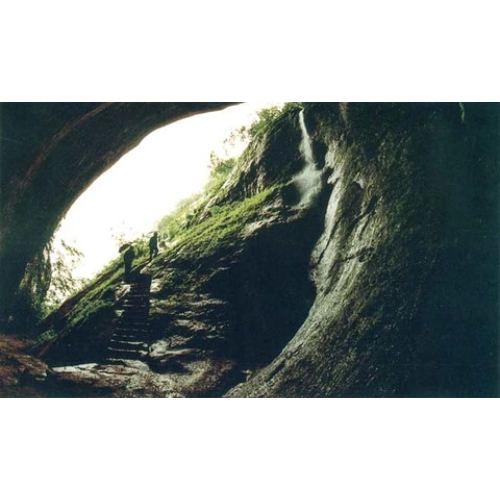
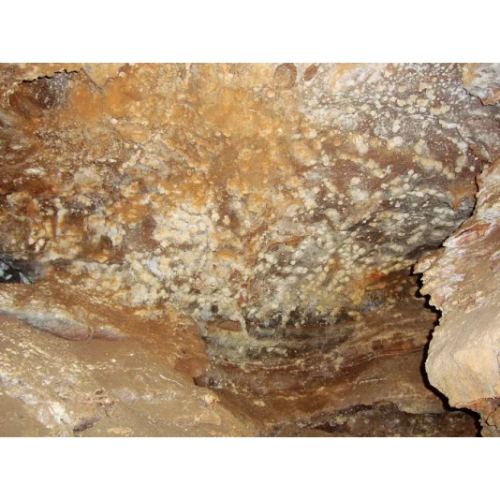
A natural wind tunnel refers to a naturally occurring geological formationtypically caves, tunnels, or rock passagesthat channels airflow due to pressure and temperature differences between connected openings. These formations can produce strong, continuous, or seasonal airflow, sometimes exhibiting characteristics similar to engineered wind tunnels.
While not designed for controlled experimentation, natural wind tunnels are of scientific interest for studying airflow behavior, microclimates, and geological ventilation phenomena. They also provide insights into natural fluid dynamics and environmental airflow patterns.
Technical Description (Generalized Characteristics)
1. System Classification
- Type: Natural / Geological formation
- Flow Nature: Passive, driven by environmental pressure and temperature gradients
2. Flow Mechanism
- Airflow driven by:
- Temperature differences (thermal gradients)
- Pressure differentials between cave openings
- Elevation differences and natural ventilation effects
- Can exhibit:
- Seasonal airflow variation
- Directional flow (inlet/outlet reversal)
3. Typical Performance Characteristics
- Velocity Range: ~1 m/s 30+ m/s (site-dependent)
- Temperature: Often lower than ambient (due to underground cooling)
- Flow Stability: Variable and environment-dependent
4. Structural Features
- Natural cave or tunnel geometry
- Irregular cross-sections and flow paths
- Multiple openings or vents (inlet/outlet)
5. Observed Phenomena
- Strong localized airflow at cave openings
- Cooling effects due to underground air circulation
- Acoustic effects (wind noise, resonance)
- Limited vegetation near high-velocity outlets
6. Applications / Relevance
- Study of natural ventilation systems
- Geological and environmental research
- Microclimate and ecosystem analysis
- Inspiration for passive cooling and airflow design
7. Limitations
- No control over flow parameters
- Highly dependent on environmental conditions
- Not suitable for repeatable aerodynamic testing
8. Notes
- Natural wind tunnels are not engineered systems and should not be confused with laboratory wind tunnels.
- Observations may vary significantly based on geography and seasonal conditions.
Customizable and Versatile Testing
The Natural Wind Tunnel offers a test section that can be tailored to fit specific requirements, ensuring compatibility with a diverse range of experimental setups. Multiple sampling ports and interchangeable accessories allow comprehensive data collection and a streamlined testing process. Its robust construction and corrosion-resistant finish guarantee dependable long-term use in research or industrial environments.
Advanced Control and Precision
Featuring a modern digital controller with a touch interface, this wind tunnel gives users precise command over all operational parameters. Adjustable wind speed and pressure outputs, paired with real-time monitoring, ensure consistent and replicable results for aerodynamic experiments and product development. Safety features and clear visibility through the acrylic window enhance both operator protection and experimental accuracy.
FAQ's of Natural Wind Tunnel:
Q: How does the Natural Wind Tunnel ensure accurate aerodynamic testing?
A: The tunnel offers variable wind speeds up to 30 m/s, customizable test section sizes, and multiple sampling ports, enabling tailored setups for precise data gathering. Its digital control system allows fine-tuned adjustments, while the clear acrylic observation window lets operators closely monitor experiments.Q: What are the main benefits of the digital control system with a touch interface?
A: The touch-based digital controller provides intuitive and user-friendly operation, enabling real-time adjustments to wind speed and pressure settings. This facilitates quick configuration changes and enhances the overall efficiency and reproducibility of tests.Q: When should the wind tunnel's safety features be utilized?
A: Safety features, including emergency stop, safety grill, and overload protection, should be engaged during experimental setup, in emergency situations, or when any risk to equipment or personnel is detected, ensuring a secure work environment at all times.Q: Where is the Natural Wind Tunnel typically used?
A: This wind tunnel is suitable for application in research laboratories, educational institutions, and industrial testing facilities, especially where aerodynamics studies or product testing in controlled conditions are required.Q: How does the wind tunnel accommodate different testing environments and sample types?
A: With a customizable test section, adjustable wind speed and pressure output, and a range of included accessories like test specimen holders and measurement instruments, the tunnel is adaptable for various research demands and industrial evaluation scenarios.Q: What is the process for moving and installing the wind tunnel?
A: The unit is equipped with lockable caster wheels for straightforward relocation within a facility. Installation typically requires access to 220-240 V AC power and a stable surface, after which the system can be configured for immediate use.Q: What distinguishes this wind tunnel in terms of durability and maintenance?
A: It is constructed from heavy-duty mild steel with an industrial-grade, corrosion-resistant powder coating, ensuring a long lifespan and minimal maintenance requirements, even in rigorous operational environments.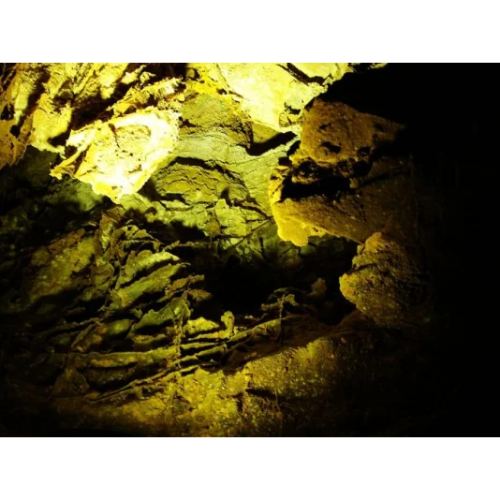
Tell us about your requirement

Price:
Quantity
Select Unit
- 50
- 100
- 200
- 250
- 500
- 1000+
Additional detail
Mobile number
Email

More Products in Subsonic Wind Tunnel Category
High Speed Wind Tunnel
Price 500000.0 INR / Unit
Minimum Order Quantity : 1 Unit
Application : Aerodynamics Testing, Research & Development, Educational Purposes, Automotive and Aerospace Engineering
Coating Type : Powder Coated Exterior
Voltage : 220V / 380V, 50Hz / 60Hz single or three phase
Power Mode : Electric
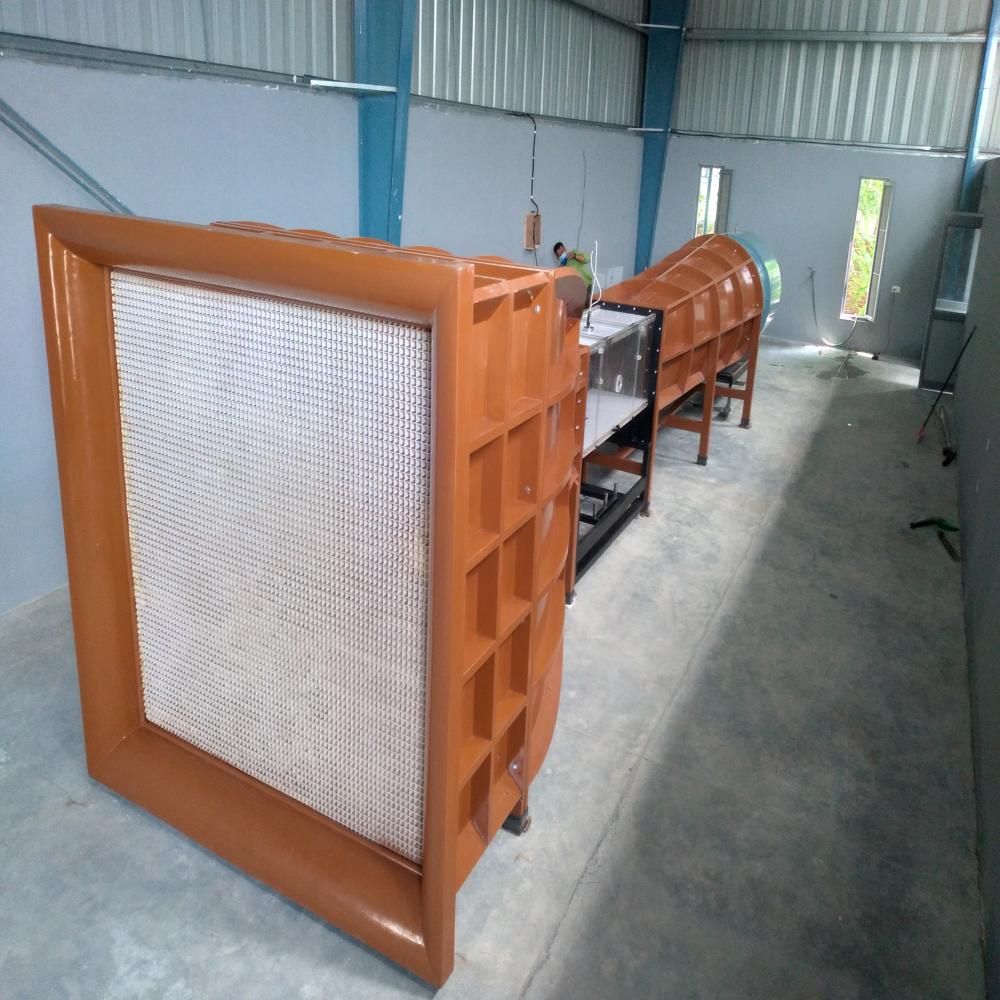
Subsonic Wind Tunnel
Price 500000.0 INR / Unit
Minimum Order Quantity : 1 Unit
Application : Aerodynamics Research, Educational Laboratory Tests, Air Flow Analysis
Coating Type : Powder Coated
Voltage : 220240V AC, 50/60Hz
Power Mode : Electric
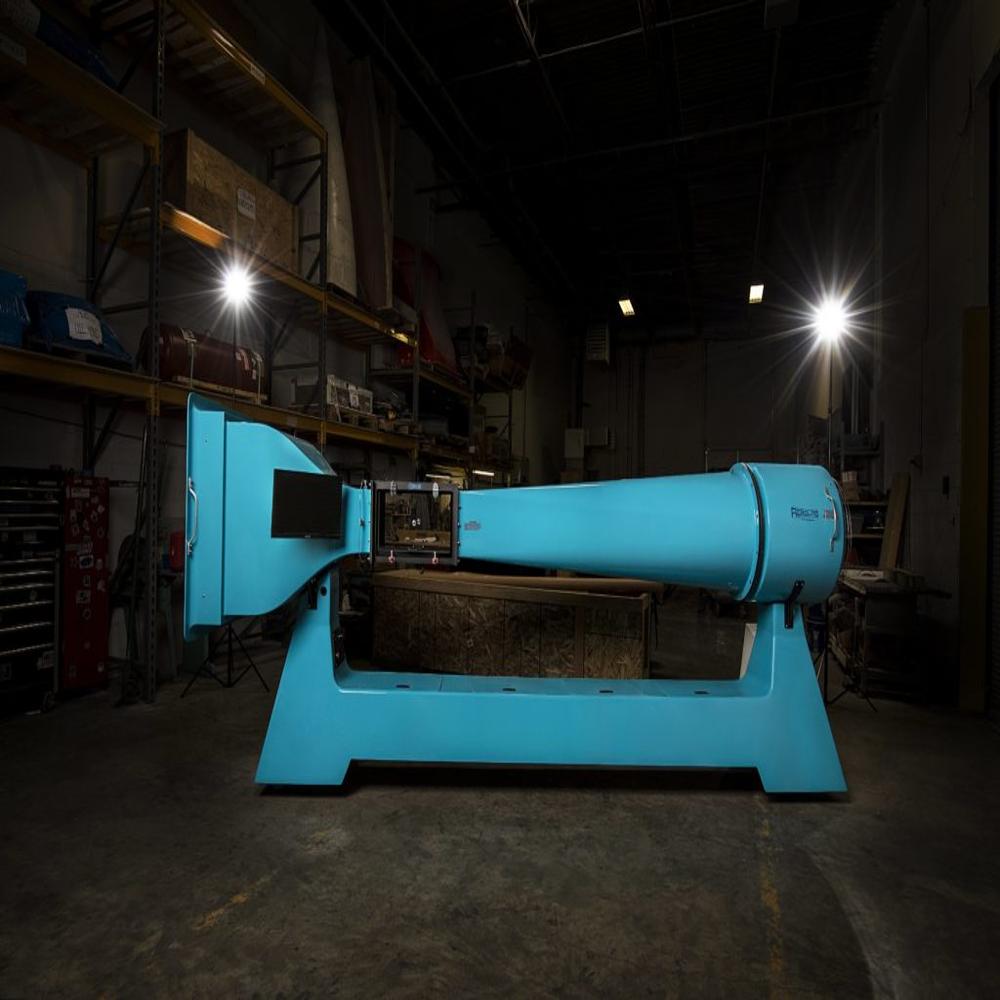
Educational Wind Tunnels
Price 500000.0 INR / Number
Minimum Order Quantity : 1 Number
Application : Aerodynamics education, laboratory experiments, airflow visualization, research demonstration
Coating Type : Powder coated body with clear acrylic test section
Voltage : 220V/230V, 50 Hz
Power Mode : Electric
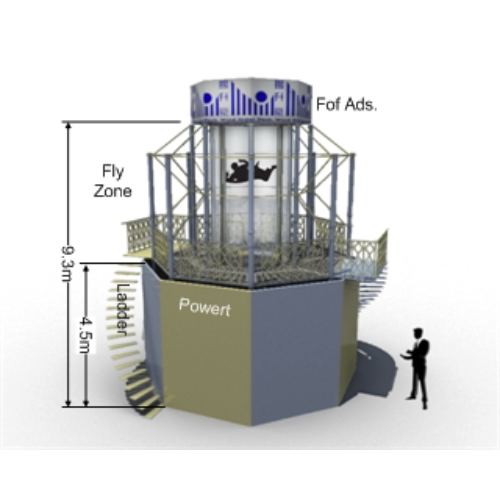
Vertical Wind Tunnel
Price 500000.0 INR / Unit
Minimum Order Quantity : 1 Unit
Application : Indoor skydiving, freefall simulation, military and astronaut training, wind resistance testing
Coating Type : Powder coated, corrosion resistant
Voltage : 380V, 50/60 Hz
Power Mode : Other, Electric powered

 Send Inquiry
Our Products


Plot No - 553, Phase 2 GIDC Vatva, Near Railway Station Vatva,Ahmedabad - 382445, Gujarat, India

Mr Devang Modi
(Director)
Mobile :08045801217
 Send Inquiry
 Send SMS
Developed and Managed by Infocom Network Private Limited.
