
Call us now :08045801217
 Send Inquiry
 Send Inquiry
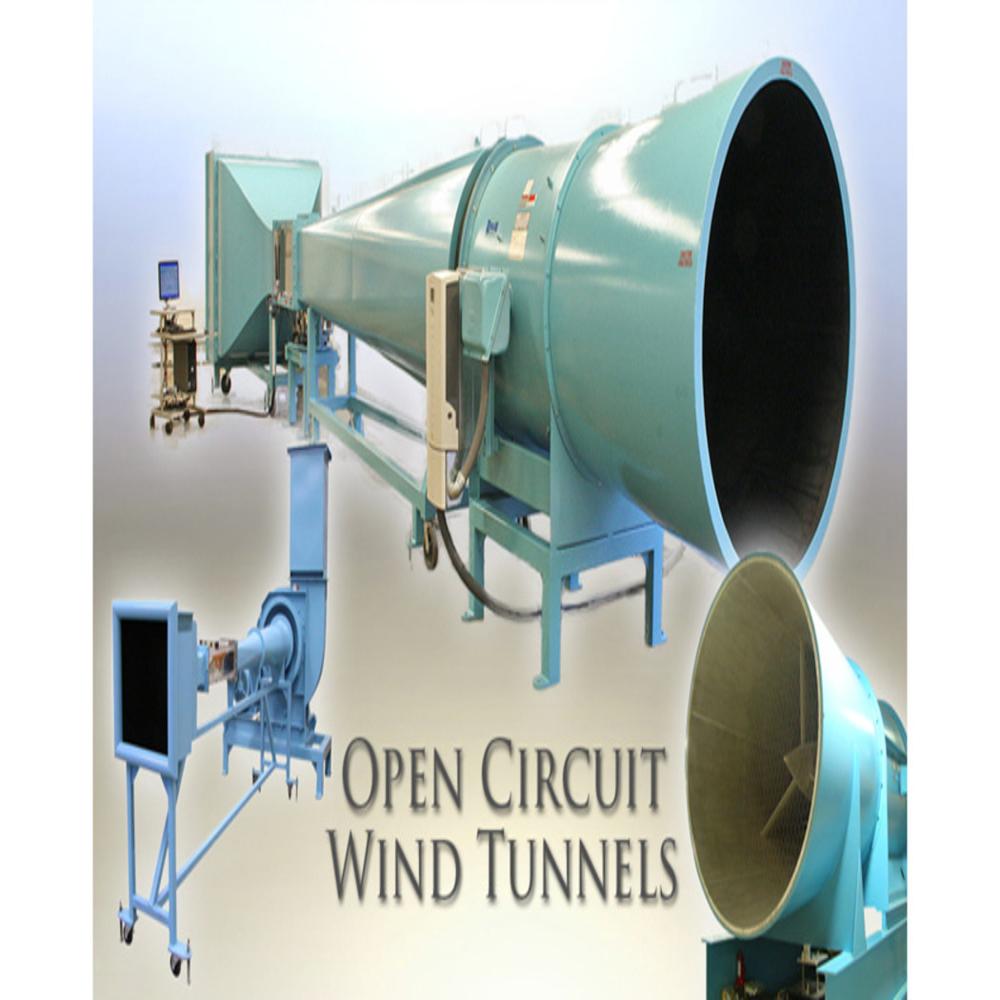
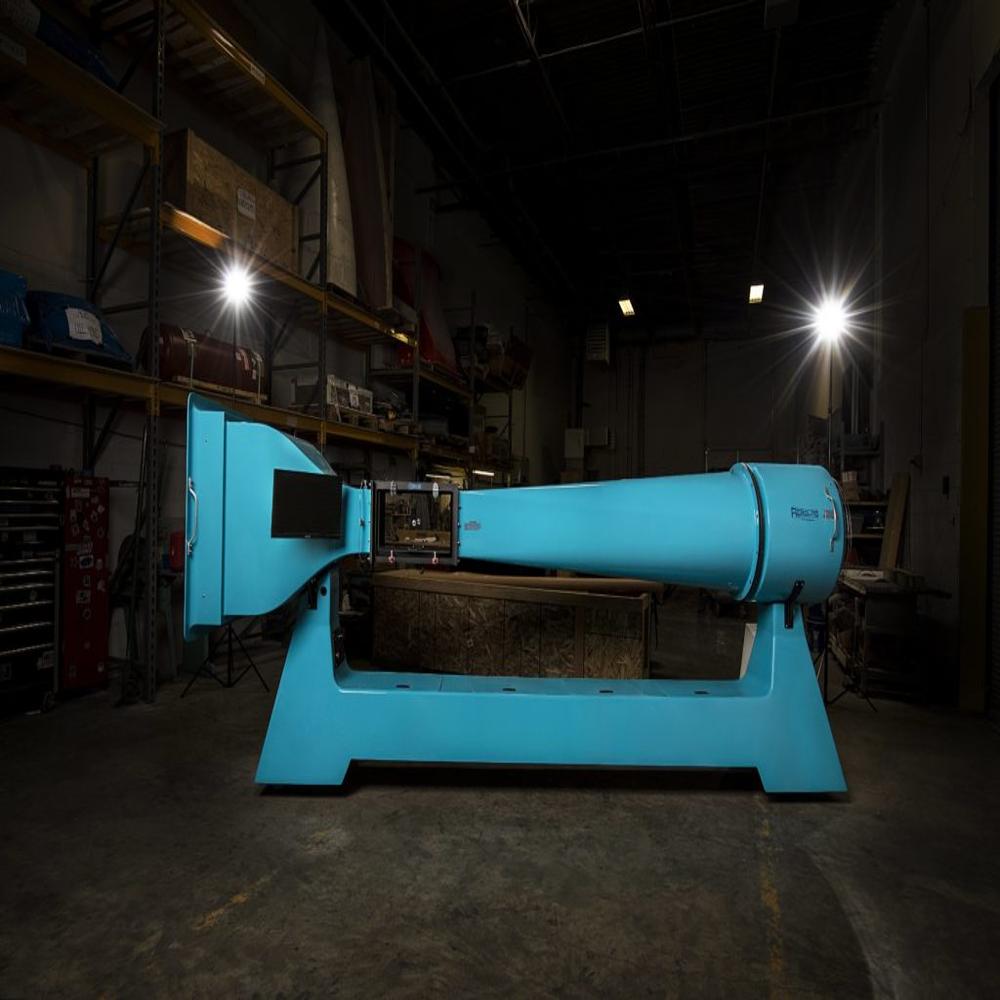
Open Circuit Wind Tunnels
Price 500000.0 INR/ Unit
MOQ : 1 Unit
Open Circuit Wind Tunnels Specification
- Equipment Type
- Open Circuit Wind Tunnel
- Material
- High-grade Stainless Steel and Aluminum
- Condition
- New
- Technology
- Open Circuit, Subsonic Flow Technology
- Dimension (L*W*H)
- 2500 mm x 1100 mm x 1400 mm (standard model)
- Power Mode
- Electric
- Voltage
- 220-240 V / 380-415 V (as per model)
- Power Consumption
- 3 kW to 12 kW (depending on model size)
- Pressure Output
- Standard Atmospheric Pressure
- Application
- Aerodynamics Testing for Laboratories and Educational Institutes
- Coating Type
- Powder Coated Finish
- Accessories
- Nozzle, Test Section, Contraction Cone, Flow Straighteners, Diffuser, Control Panel
- Safety Features
- Emergency stop, protective mesh grill
- Data Acquisition
- Compatible with digital sensors (optional)
- Fan Type
- Variable speed axial flow fan
- Flow Uniformity
- 1% across test section
- Measurement Ports
- Multiple static and total pressure taps
- Test Section Dimensions
- 300 mm x 300 mm to 600 mm x 600 mm (customizable)
- Noise Level
- Below 75 dB(A)
- Control System
- Digital speed controller with display
- Frame Structure
- Heavy-duty modular steel frame
- Airflow Direction
- Horizontal
Open Circuit Wind Tunnels About
Designed for precision aerodynamic testing, our high-speed open circuit wind tunnels deliver exceptionally smooth, low-turbulence airflow for research, development, and educational applications. The open-loop design draws air directly from the laboratory environment, ensuring flexible installation and cost-effective operation without recirculation complexity.
Engineered for adaptability, these systems can be configured to suit constrained spaces such as low ceilings, narrow access points, or facilities with structural obstructions. From compact laboratory units to large-scale research tunnels, we offer both standard models and fully customized solutions.
Key Features
- Open circuit (non-recirculating) airflow design
- Ultra-low turbulence for high-precision measurements
- Modular construction for easy installation in restricted spaces
- Customizable geometry, speed, and test section size
- Expandable flow conditioning system
Standard Test Section Sizes
- 150 150 mm (6 6)
- 300 300 mm (12 12)
- 450 450 mm (18 18)
- 600 600 mm (24 24)
- 750 750 mm (30 30)
Custom sizes: up to 1000 1000 mm (40 40) and beyond
Technical Datasheet (Typical Ranges)
Airflow & Performance
- Airspeed range: 5 120 m/s (application dependent)
- Turbulence intensity: 0.25% (typical, with standard flow conditioning)
- Flow uniformity: 0.5 1% across test section
Contraction Section
- Contraction ratio: 6:1 12:1 (standard 9:1)
- Profile design: 5th or 9th order polynomial contour
Flow Conditioning
- Honeycomb straightener:
- Material: Aluminium
- Cell diameter: 3 10 mm
- Length-to-diameter ratio: 6:1 10:1
Turbulence screens:
- Standard: 2 stainless steel screens
- Expandable: up to 4 screens
Construction & Layout
- Frame: Modular steel/aluminium structure
- Test section: Clear acrylic or glass (optional)
- Installation: Custom-fit for lab constraints
Applications
- Aerodynamic research & validation
- Automotive and UAV testing
- Civil and structural wind studies
- Academic and educational labs
Precision-Engineered for Versatile Testing
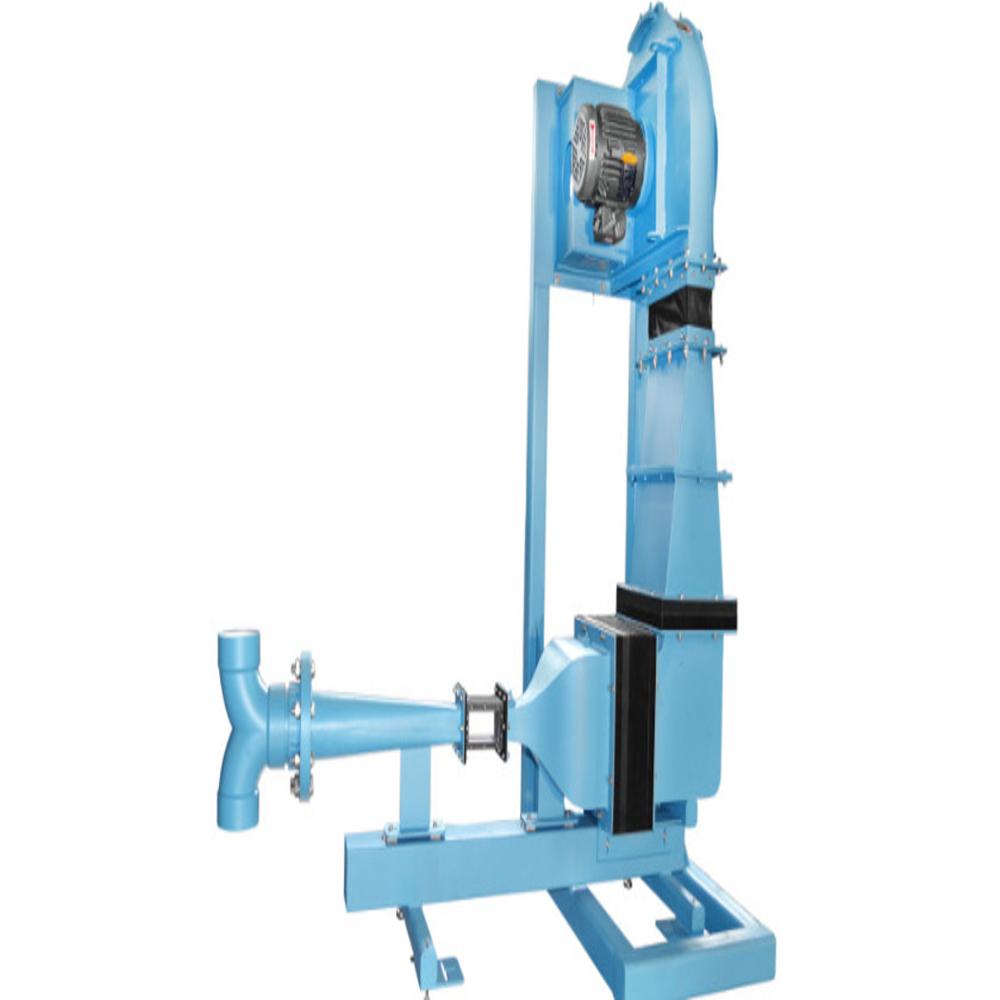
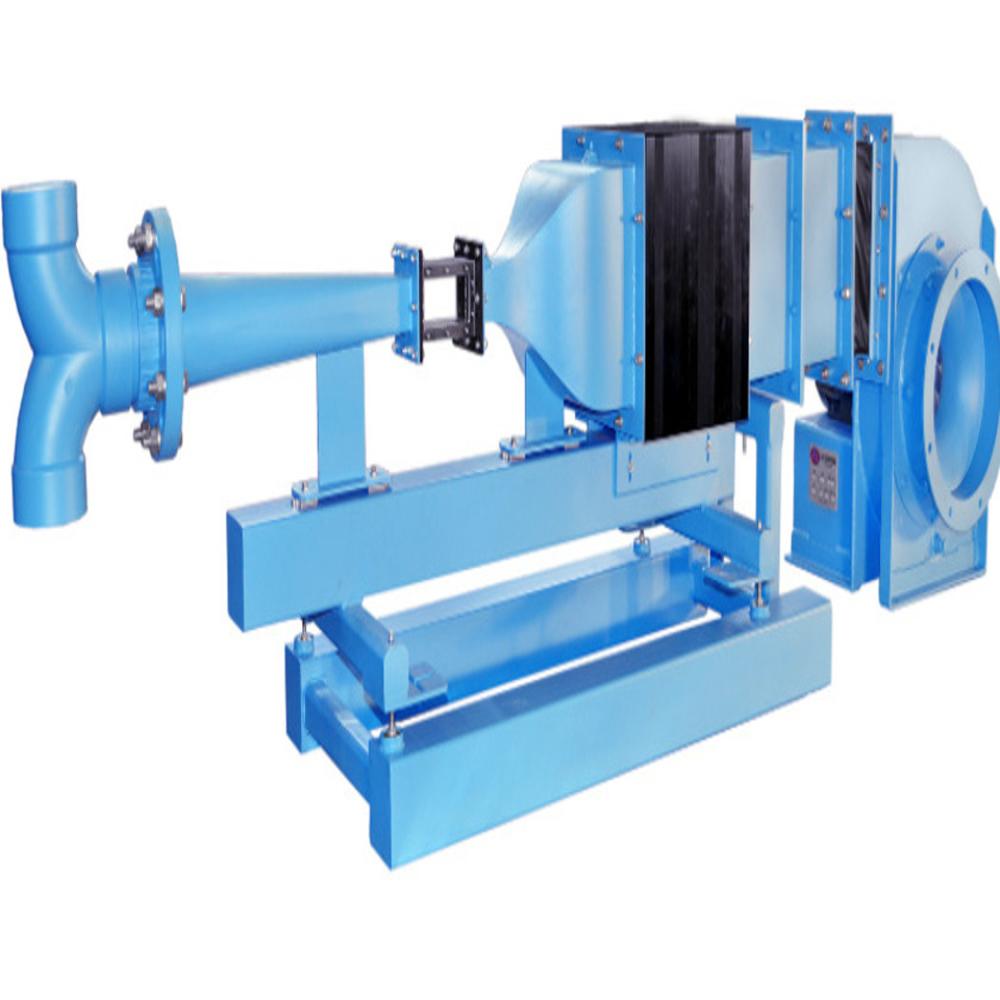
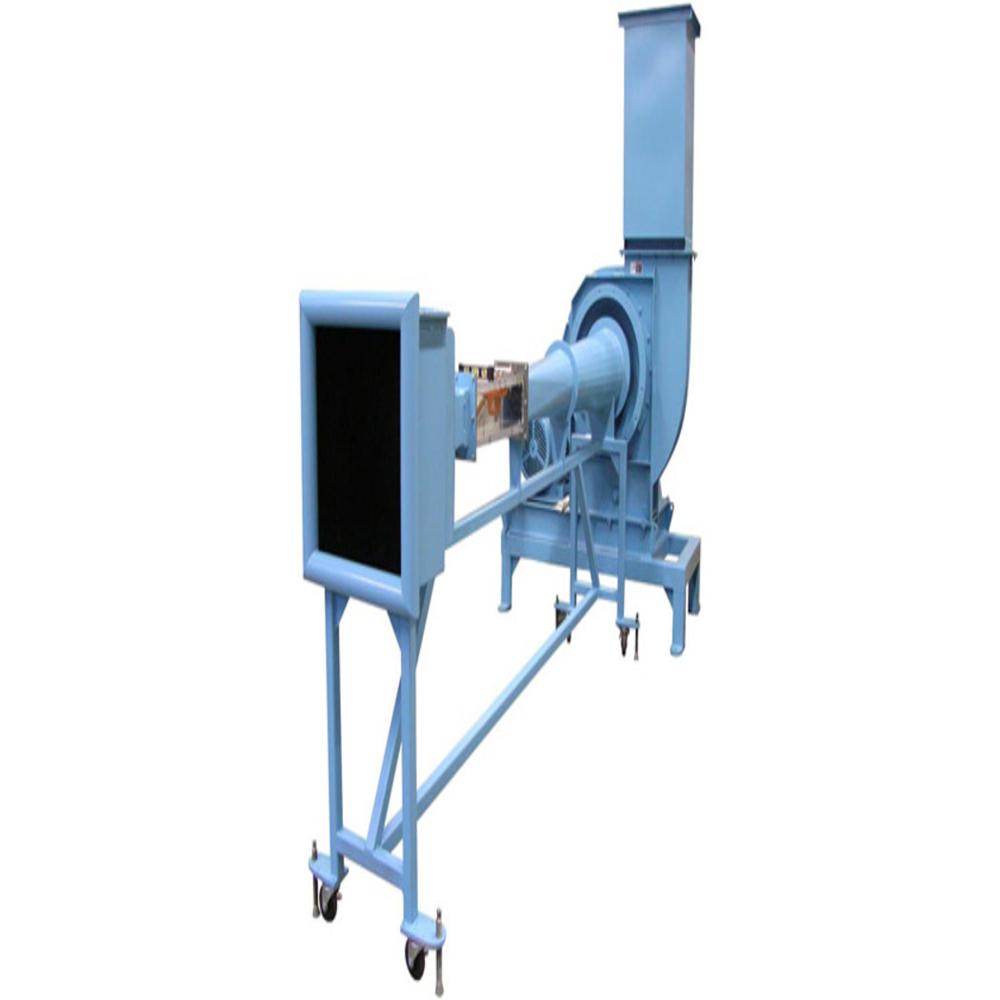
Our open circuit wind tunnels offer a precisely controlled environment for aerodynamic studies, accommodating various specimen sizes due to customizable test sections. The advanced flow straightening technology ensures a uniform airflow, making them perfect for research, academic training, and product development in aerodynamics.
Smart Control and Measurement Integration
Utilize the digital speed controller with display for nuanced fan adjustment and real-time parameter visualization. The multiple measurement ports, including static and total pressure taps, facilitate comprehensive airflow and pressure data collection. Optional digital sensor compatibility enhances data acquisition and experiment accuracy.
Built with Safety and Durability in Mind
Safety is paramount; our tunnels come equipped with emergency stop systems and protective mesh grills. The rugged steel frame, paired with premium stainless steel and aluminum components, ensures stability and long service life, even in demanding laboratory conditions.
FAQ's of Open Circuit Wind Tunnels:
Q: How is flow uniformity maintained across the test section?
A: Flow uniformity is achieved using a precision-engineered nozzle and contracting cone in combination with flow straighteners. This design ensures that air velocity variation remains within 1% across the entire test section, providing highly consistent testing conditions.Q: What types of educational or laboratory applications are suitable for this wind tunnel?
A: These wind tunnels are ideal for studies in aerodynamics, fluid dynamics, drag and lift measurement, and flow visualization. Common users include research laboratories, engineering institutes, and universities looking for reliable, repeatable airflow for experimental or teaching purposes.Q: When is digital data acquisition available, and what sensors are supported?
A: Digital data acquisition is available as an optional upgrade. The system supports integration with various digital sensors for velocity, pressure, and temperature measurements, enhancing experiment documentation and real-time analysis.Q: Where can this wind tunnel be installed, and what power requirements are needed?
A: The wind tunnel is suitable for installation in research labs, teaching facilities, and engineering workshops. Standard models require power supplies of either 220-240 V or 380-415 V, and consume between 3 kW and 12 kW, depending on the chosen configuration.Q: What is the process for customizing the test section dimensions?
A: Customization begins with a consultation to identify your specific testing needs. Test section sizes can be tailored-from 300 mm x 300 mm up to 600 mm x 600 mm-during manufacturing, ensuring a bespoke solution for your projects.Q: How does the digital speed controller enhance usage and safety?
A: The digital speed controller allows precise fan speed adjustments and displays real-time performance data. This helps maintain desired test conditions and includes additional safety features like an emergency stop, enhancing both operational safety and measurement accuracy.Q: What are the key benefits of the modular steel frame and powder-coated finish?
A: The heavy-duty modular steel frame provides high structural integrity and adaptability for various accessories or modifications. The powder-coated finish offers excellent resistance to corrosion and physical wear, ensuring long service life and minimal maintenance.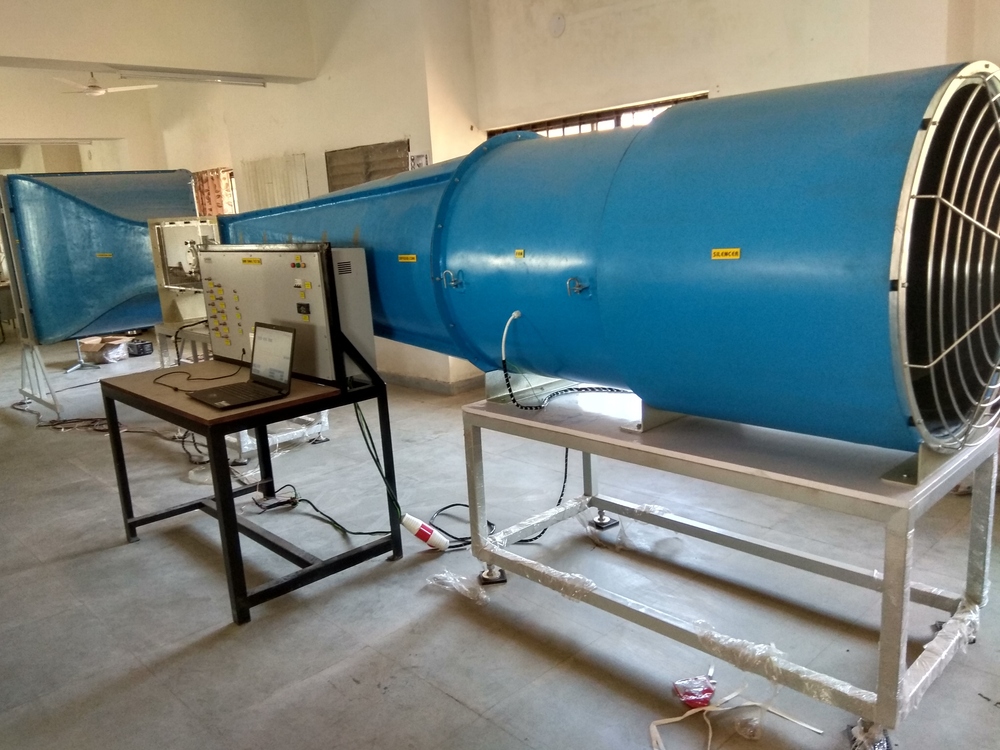
Tell us about your requirement

Price:
Quantity
Select Unit
- 50
- 100
- 200
- 250
- 500
- 1000+
Additional detail
Mobile number
Email

More Products in Subsonic Wind Tunnel Category
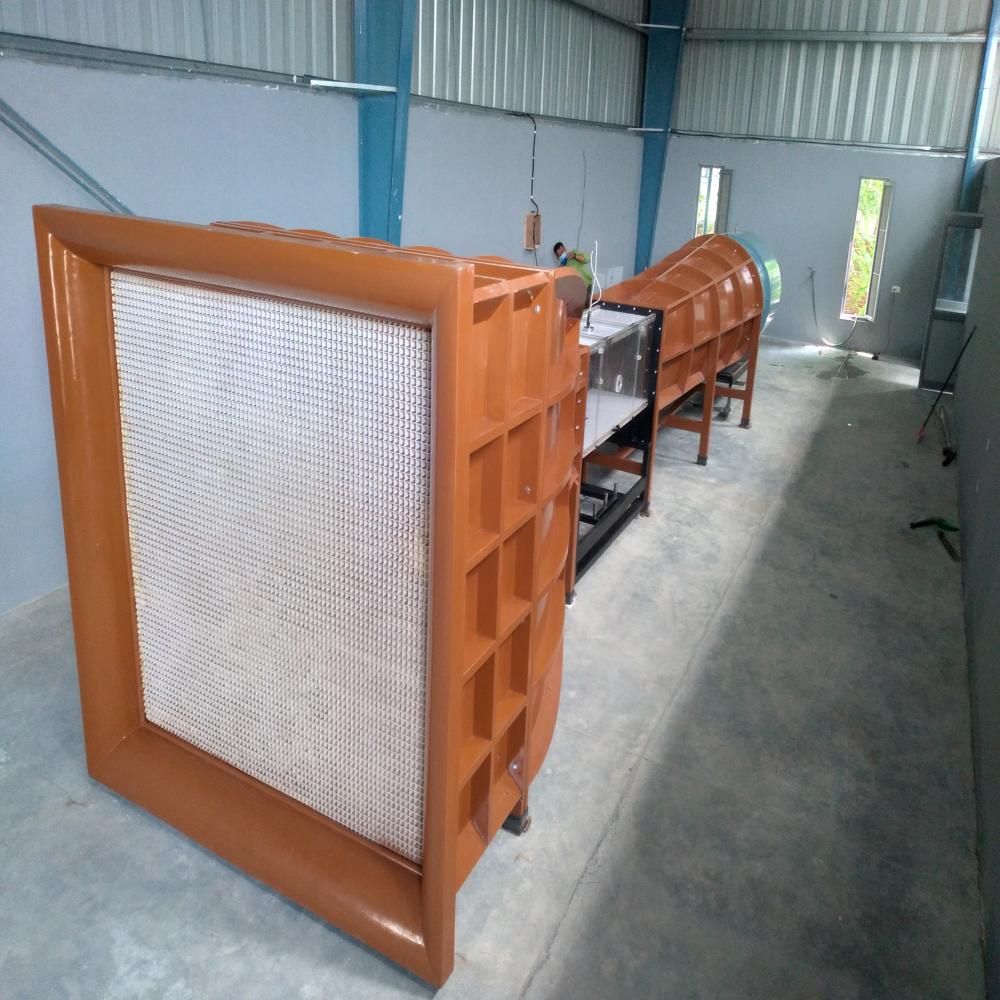
Subsonic Wind Tunnel
Price 500000.0 INR / Unit
Minimum Order Quantity : 1 Unit
Condition : New
Voltage : 220240V AC, 50/60Hz
Material : Other, Mild Steel / Stainless Steel
Technology : Other, Subsonic Flow Simulation
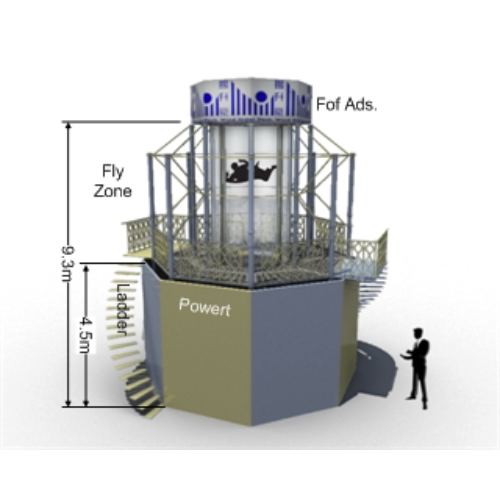
Vertical Wind Tunnel
Price 500000.0 INR / Unit
Minimum Order Quantity : 1 Unit
Condition : New
Voltage : 380V, 50/60 Hz
Material : Other, Highstrength steel structure, transparent polycarbonate walls
Technology : Other, Vertical airflow circulation, variable speed fans
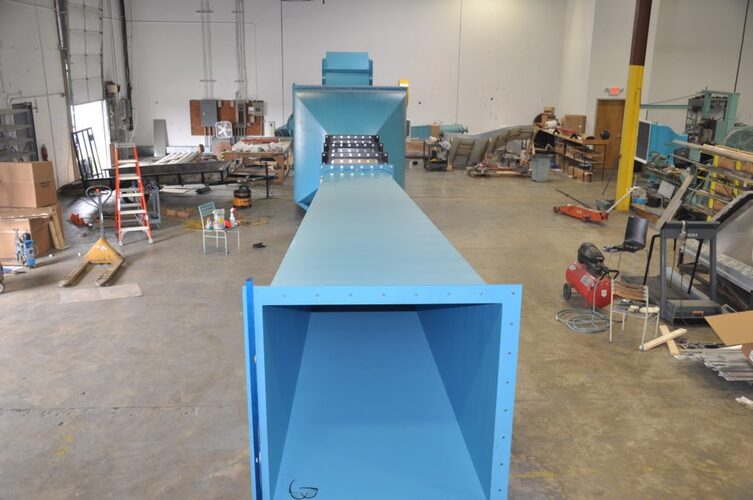
Blow Down Wind Tunnels
Price 500000.0 INR / Unit
Minimum Order Quantity : 1 Unit
Condition : New
Voltage : 220240V, 50Hz
Material : Other, Mild Steel
Technology : Other, Blow Down (High Pressure Reservoir, Subsonic/Supersonic Output)
Educational Wind Tunnels Upgrade
Price 500000.0 INR / Number
Minimum Order Quantity : 1 Number
Condition : New
Voltage : 220V AC, 50 Hz
Material : Other, Mild Steel, Acrylic Panels, Aluminium Frame
Technology : Other, Closed Circuit Subsonic Wind Tunnel System

 Send Inquiry
Our Products


Plot No - 553, Phase 2 GIDC Vatva, Near Railway Station Vatva,Ahmedabad - 382445, Gujarat, India

Mr Devang Modi
(Director)
Mobile :08045801217
 Send Inquiry
 Send SMS
Developed and Managed by Infocom Network Private Limited.
