
Call us now :08045801217
 Send Inquiry
 Send Inquiry
Shock Tunnel
MOQ : 1 Number
Shock Tunnel Specification
- Equipment Type
- Shock Tunnel Equipment
- Material
- Stainless Steel
- Processing Type
- Thermal Processing
- Condition
- New
- Technology
- Shock Tube Technology
- Dimension (L*W*H)
- Customizable as per client requirements
- Power Mode
- Electric
- Voltage
- 220V / 380V
- Power Consumption
- Varies per application, generally 5-15 kW
- Pressure Output
- Up to several hundreds of bars (exact rating customizable)
- Application
- Used for high-speed aerodynamic testing and simulation of extreme atmospheric conditions
- Coating Type
- Anti-corrosive coating
- Accessories
- Comprehensive control panels, gas supply systems, pressure sensors
- Data Logging
- Integrated digital data acquisition system
- Installation Type
- Floor-mounted
- Minimum Order Quantity
- 1 unit
- Ambient Temperature Tolerance
- Up to 50C operating environment
- Maintenance Requirement
- Low and modular for easy servicing
- Test Chamber Material
- High-grade stainless steel with reinforced construction
- Automation Grade
- Semi-automatic to fully automatic available
- Visualization
- Optical windows and high-speed camera compatibility
- Control System
- Programmable logic controller (PLC) based operation
- Noise Level
- Less than 80 dB (during operation)
- Temperature Range
- Ambient to 5000 Kelvin
- Safety Features
- Pressure relief valves, emergency shutoff switches, grounded enclosure
- Drive Section Length
- Customizable based on simulation needs
- Test Medium
- Air or inert gases
Shock Tunnel About
Marketing Overview
Our shock tunnel systems are designed for ultra-high-speed aerodynamic testing under extreme hypersonic conditions. By utilizing shock-wave compression to generate high-temperature, high-pressure test gas, the system produces realistic flight conditions for advanced aerospace applications.
Ideal for simulating re-entry environments, high-enthalpy flows, and real gas effects, the shock tunnel delivers precise data for heat transfer, pressure distribution, and aerodynamic forces. With millisecond-scale test durations and high-fidelity diagnostics, it is a critical tool for cutting-edge research in hypersonic aerodynamics and propulsion.
Technical Datasheet (Generalized Ranges)
1. System Classification
- Flow Type: Impulse / Shock-driven
- Mach Number Range: 5 25+
- Flow Regime: Hypersonic / High-enthalpy
2. Operating Principle
- Shock tube compresses test gas via shock waves
- Diaphragm rupture initiates flow
- High-temperature, high-pressure gas expands through nozzle
- Hypersonic flow generated in test section
- Flow duration limited by wave interactions and gas supply
3. Test Section Specifications
- Type: Closed or free-jet (typical)
- Typical Size: 0.05 m 1.5 m
- Test Duration: ~1 25 milliseconds
4. Flow Performance
- Velocity Capability: Up to ~6 7 km/s
- Mach Number Control: 0.05 0.2
- Reynolds Number: Up to 10 10
- Flow Uniformity: 1% 3% (short-duration flow)
5. Operating Conditions
- Driver Pressure: Up to ~3000 3500 bar (3000+ atm)
- Test Gas Temperature: Extremely high (high-enthalpy flow)
- Vacuum Requirement: High vacuum downstream
6. Key Components
- Driver section (high-pressure gas chamber)
- Shock tube (test gas section)
- Primary diaphragm (driver/test gas separation)
- Secondary diaphragm (nozzle isolation)
- Convergent-divergent nozzle
- Test section
- Vacuum tank and exhaust system
7. Tunnel Configurations
- Reflected shock tunnel (preferred for longer test times)
- Straight-through shock tunnel (shorter duration)
8. Instrumentation (Optional)
- High-frequency pressure transducers
- Heat flux gauges
- Force and moment balances
- Schlieren / shadowgraph imaging
- Spectroscopic and electron density diagnostics
- Ultra-fast data acquisition systems
9. Applications
- Hypersonic vehicle and re-entry simulation
- High-temperature real gas effects
- Thermal protection system (TPS) testing
- Shock wave and boundary layer interaction
- Plasma and ionization studies
10. Key Features
- Ultra-high enthalpy flow simulation
- Ability to replicate extreme flight conditions
- Short-duration, high-fidelity data capture
- Suitable for advanced aerospace and defence research
11. Optional Configurations
- High-enthalpy shock tunnels
- Plasma diagnostic integration
- Extended-duration reflected shock systems
- Custom nozzle geometries
- Specialized test gases
12. Customization Options
- Mach number and velocity range
- Driver pressure capacity
- Test section size and configuration
- Diagnostic and measurement systems
- Vacuum and gas handling systems
Advanced Testing for Extreme Conditions
This Shock Tunnel is meticulously engineered to replicate high-speed and high-pressure environments, supporting test mediums such as air and inert gases across a temperature spectrum from ambient to 5000 Kelvin. Its adaptability makes it valuable for aerospace, defense, and academic research, providing accurate simulation of extreme atmospheric events.
Reliable Construction and Safety
Built from high-grade stainless steel with reinforced and anti-corrosive features, the Shock Tunnel is designed for durability and safety. Key safety measures-including pressure relief valves, emergency shutoff switches, and a grounded enclosure-ensure operators are protected throughout every testing phase.
User-Friendly and Automated Operation
The Shock Tunnel's operation is governed by a programmable logic controller (PLC), with options ranging from semi-automatic to fully automatic usage. Maintenance requirements are low, with a modular design for efficient servicing. Compatible with digital data logging and visualization tools, the system's performance data is effortlessly managed and analyzed.
FAQ's of Shock Tunnel:
Q: How does the Shock Tunnel simulate extreme aerodynamic environments?
A: The Shock Tunnel uses advanced shock tube technology to simulate high-speed, high-pressure airflow by rapidly heating test mediums such as air or inert gases up to 5000 Kelvin, allowing for accurate replication of extreme atmospheric conditions observed in aerospace and defense applications.Q: What are the primary applications of the Shock Tunnel equipment?
A: This equipment is primarily used for high-speed aerodynamic testing, thermal processing, and simulation of extreme environmental conditions. It is essential for research in aerospace, gas dynamics, and atmospheric science, as well as for the validation of material and design under simulated flight conditions.Q: When should I choose a customizable drive section length?
A: A customizable drive section length is recommended when specific simulation requirements, such as unique pressure profiles or flow durations, are necessary for your experiments. This customization enhances the tunnel's suitability for a broad range of test scenarios.Q: Where can the Shock Tunnel be installed and operated safely?
A: The Shock Tunnel is designed for floor-mounted installation in well-ventilated laboratory or industrial settings, with an ambient operating temperature tolerance up to 50C. Comprehensive safety features and noise levels below 80 dB make it suitable for research institutions and manufacturing environments alike.Q: What is the process for visualizing test results in this Shock Tunnel?
A: Test visualization is supported through optical windows and compatibility with high-speed cameras. This allows real-time observation and detailed analysis of flow dynamics and thermal effects during testing, aiding in comprehensive experimental reporting.Q: How does the integrated control system benefit daily operations?
A: The PLC-based control system automates and simplifies testing procedures, ensuring consistency and reducing manual intervention. Combined with digital data acquisition and logging, it streamlines operations and enables efficient monitoring and traceability of experiments.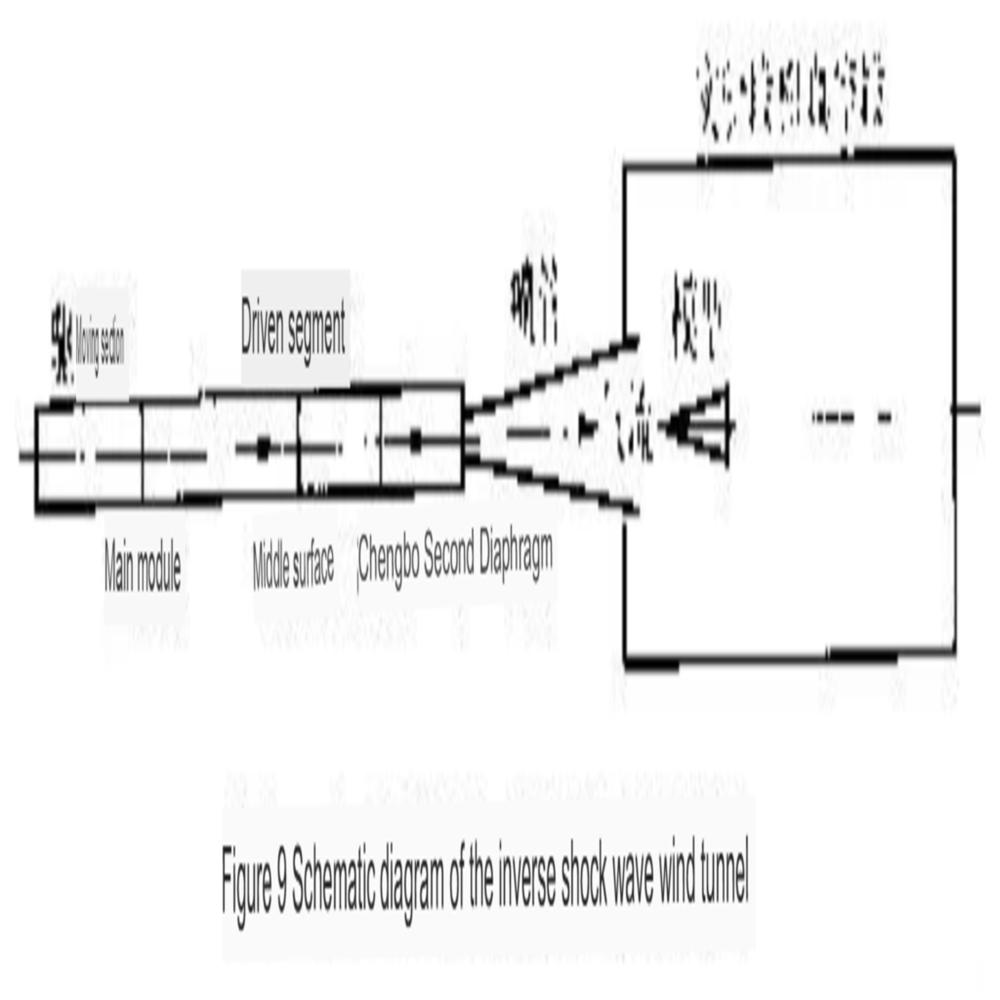
Tell us about your requirement

Price:
Quantity
Select Unit
- 50
- 100
- 200
- 250
- 500
- 1000+
Additional detail
Mobile number
Email

More Products in Speciality Wind Tunnels Category
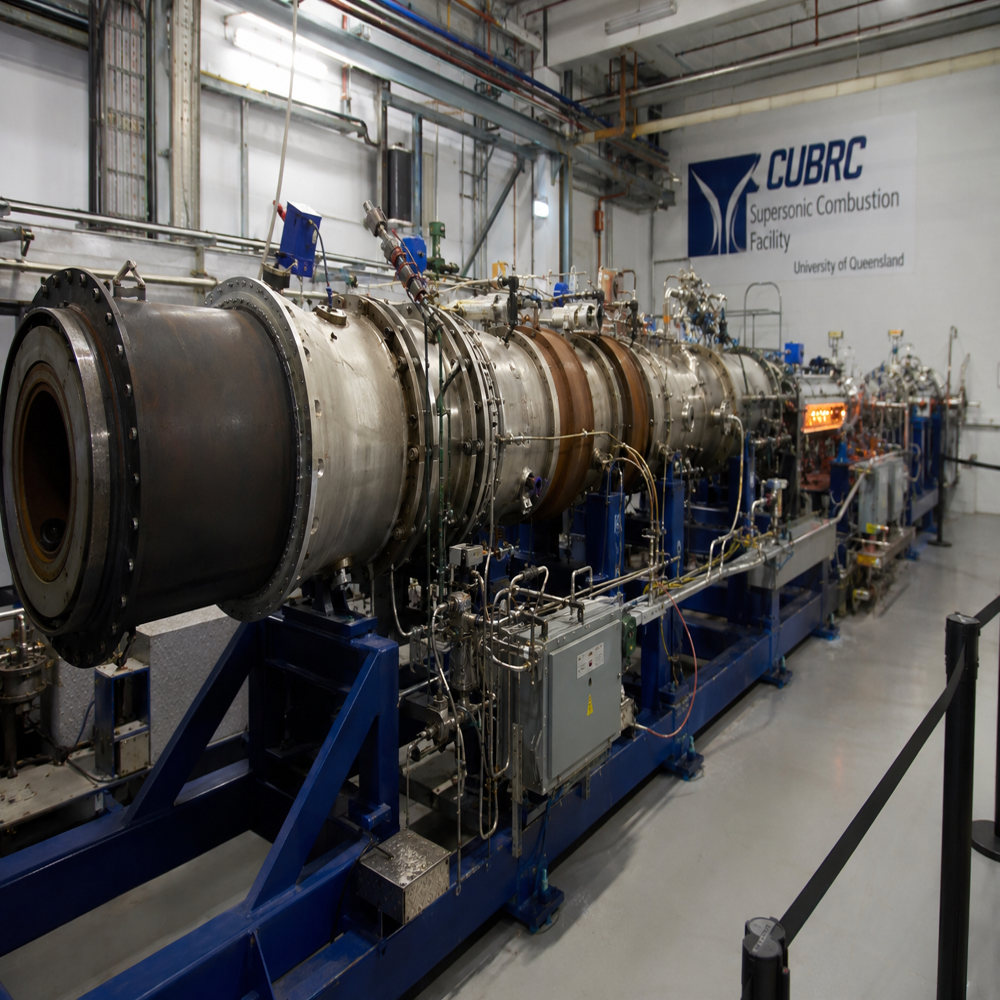
Supersonic Combustion Wind Tunnel
Price 500000.0 INR / Unit
Minimum Order Quantity : 1 Unit
Technology : Other, Supersonic Flow Simulation, Combustion Analysis
Material : Other, Stainless Steel, Aluminum Alloy, HighStrength Glass
Dimension (L*W*H) : 4300 mm x 1200 mm x 1600 mm
Accessories : Pressure Sensors, Nozzle Assembly, Test Section, Data Acquisition System, Control Panel
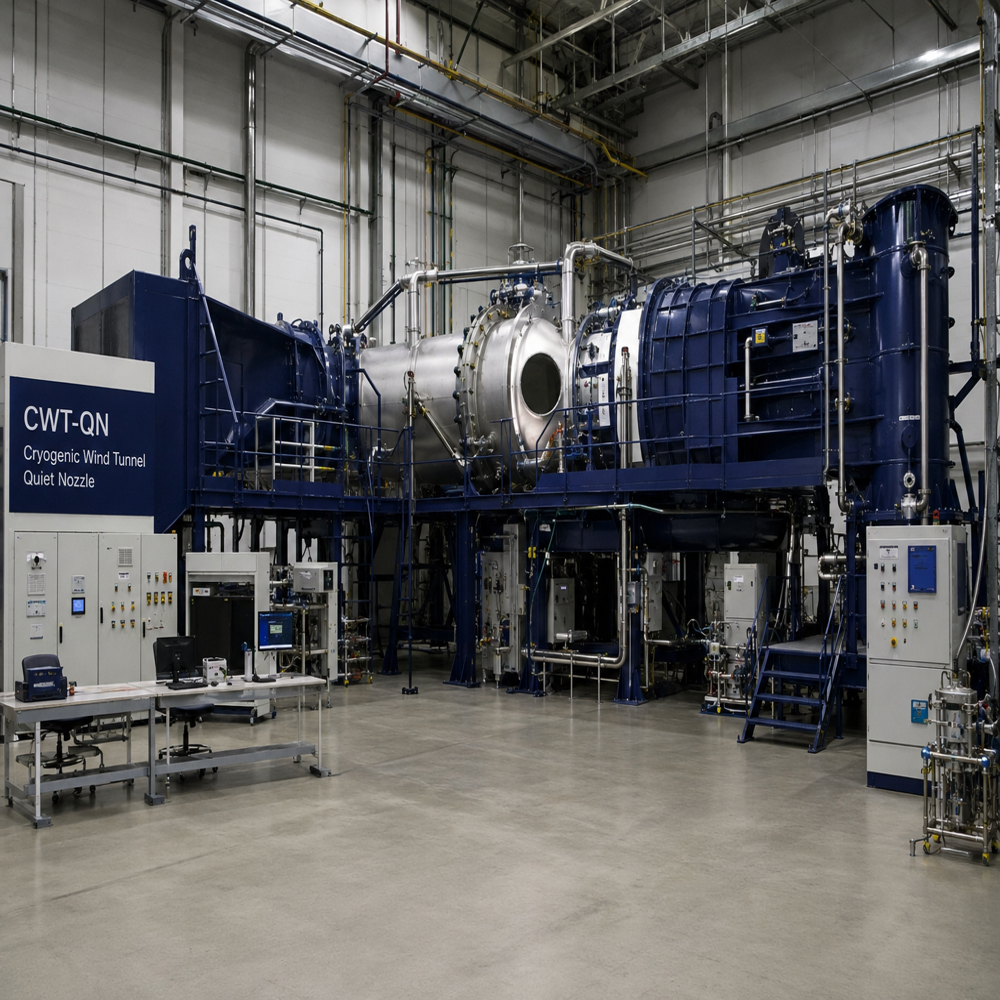
Cryogenic Wind Tunnel / Quiet Nozzle
Price 500000.0 INR / Piece
Minimum Order Quantity : 1 Piece
Technology : Other, Cryogenic, Laminarization, Acoustically Treated
Material : Other, Stainless Steel / HighStrength Aluminum Alloy
Dimension (L*W*H) : 1200 mm x 400 mm x 400 mm
Accessories : Interchangeable Nozzle Inserts, Calibration Devices, Pressure Sensing Ports, Mounting Brackets
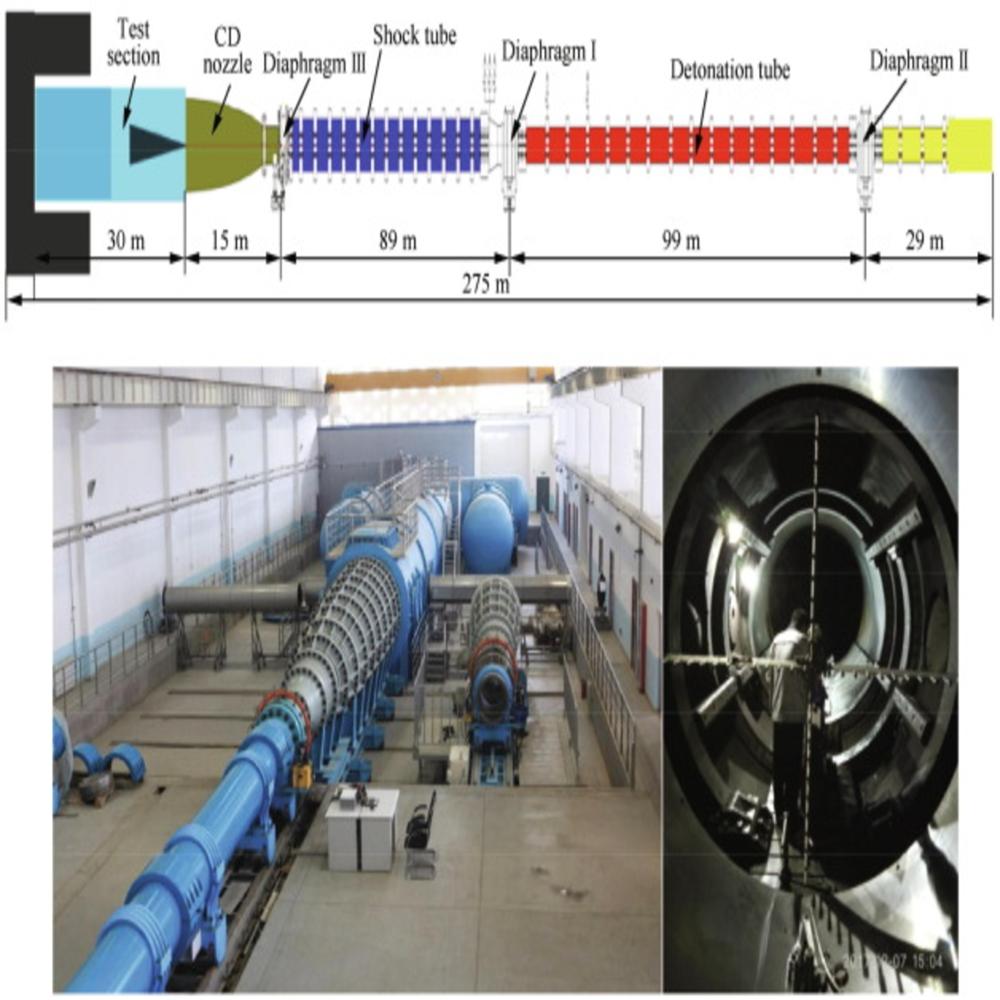
Hypersonic High Enthalpy Wind Tunnel
Price 500000.0 INR / Unit
Minimum Order Quantity : 1 Unit
Technology : Other, High Enthalpy Plasma Arc Heated Wind Tunnel
Material : Other, Stainless Steel, HighGrade Alloy Steel, Quartz Windows
Dimension (L*W*H) : Customized (Typical: 8.0 m x 2.5 m x 2.8 m)
Accessories : Control Console, Vacuum System, Nozzle Sets, Data Acquisition Modules
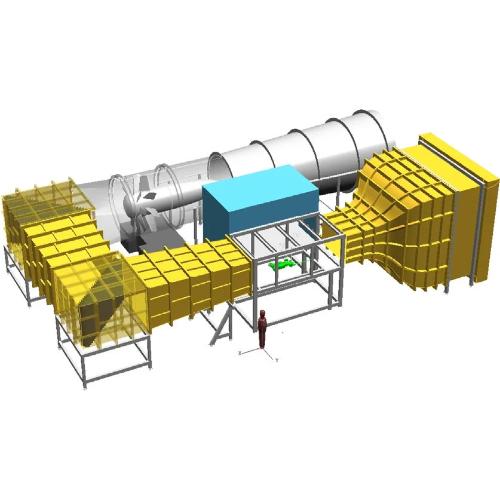
Large Wind Tunnel
Price 500000.0 INR / Unit
Minimum Order Quantity : 1 Unit
Technology : Other, Advanced Wind Simulation Technology
Material : Other, Stainless Steel, Aluminum Alloy
Dimension (L*W*H) : 8.5 m x 3.2 m x 3 m
Accessories : Data Acquisition System, Display Console, Control Software, Test Section Fixtures

 Send Inquiry
Our Products


Plot No - 553, Phase 2 GIDC Vatva, Near Railway Station Vatva,Ahmedabad - 382445, Gujarat, India

Mr Devang Modi
(Director)
Mobile :08045801217
 Send Inquiry
 Send SMS
Developed and Managed by Infocom Network Private Limited.
