
Call us now :08045801217
 Send Inquiry
 Send Inquiry
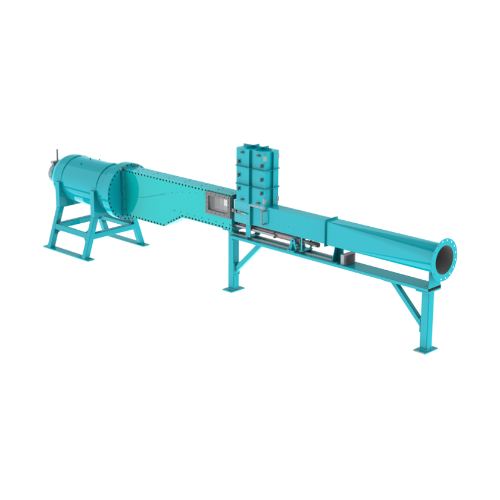
Specialized Wind Tunnel
Price 500000.0 INR/ Unit
MOQ : 1 Unit
Specialized Wind Tunnel Specification
- Material
- Mild Steel
- Processing Type
- Manual, Semi-Automatic
- Condition
- New
- Technology
- Advanced Aerodynamics Simulation
- Dimension (L*W*H)
- 3500 mm x 1200 mm x 1800 mm
- Power Mode
- Electric
- Voltage
- 220-240 V AC
- Power Consumption
- 3.5 kW
- Pressure Output
- Up to 1500 Pa
- Application
- Aerodynamic Testing, Research Laboratories, Educational Institutions
- Coating Type
- Powder Coated
- Accessories
- Measuring Sensors, Data Logger, Digital Display Console
- Observation Window
- Transparent Acrylic
- Noise Level
- Less than 60 dB
- Control System
- Programmable Control Panel
- Usage
- Academic Demonstration, Prototype Testing, Industrial R&D
- Air Flow
- Adjustable, Laminar/ Turbulent Modes
- Color
- Blue and Grey
- Fan Type
- Axial Flow Fan
- Measurement Range
- Velocity, Pressure, Temperature
- Equipment Type
- Specialized Wind Tunnel
- Safety Features
- Emergency Stop, Overload Protection
- Frame
- Heavy Duty Steel Structure
- Test Section Size
- 400 mm x 400 mm x 1000 mm
- Mounting
- Floor Mounted
Specialized Wind Tunnel About
Marketing Overview
Our specialized wind tunnel systems are designed to meet unique and advanced experimental requirements beyond conventional aerodynamic testing. Tailored for specific research applications, these tunnels enable precise simulation of complex real-world phenomena such as aircraft icing, spin behavior, and non-standard flow conditions.
With customized test sections, controlled environmental conditions, and adaptable flow characteristics, these systems provide high-fidelity data for niche aerospace and industrial research. Modular design and configurable operation ensure flexibility to support a wide range of specialized studies.
Technical Datasheet (Generalized Ranges)
1. System Classification
- Type: Application-specific / Custom-designed
- Flow Regime: Subsonic to Low-Speed (typical, customizable)
2. Common Configurations
A. Icing Wind Tunnel
- Purpose: Simulation of ice formation on aircraft surfaces
- Temperature Range: ~ -40C to +10C
- Velocity Range: ~10 m/s 100 m/s
- Water Droplet Size: ~10 100 microns (controlled spray systems)
- Key Features:
- Controlled humidity and liquid water content
- Spray bar systems for cloud simulation
- Refrigeration and cooling systems
B. Spin Wind Tunnel
- Purpose: Study of aircraft spin and recovery characteristics
- Test Section Orientation: Vertical
- Flow Direction: Upward airflow
- Velocity Range: ~5 m/s 50 m/s
- Flow Profile: Saucer-shaped velocity distribution
- Key Features:
- Rapid velocity control
- Model suspension and free-spinning capability
- Stable support of spinning models
3. General Test Section Specifications
- Shape: Circular / Rectangular (customizable)
- Size Range: 0.5 m 5 m (typical)
- Access: Full access for model installation and instrumentation
4. Flow Performance
- Velocity Control Accuracy: 1% 3%
- Flow Uniformity: Application-dependent
- Turbulence Intensity: < 1% (typical)
5. Key Components
- Flow generation system (fan/blower)
- Environmental control systems (cooling, humidity, spray)
- Specialized test section design
- Model mounting or suspension systems
- Control and monitoring systems
6. Instrumentation (Optional)
- Ice accretion measurement systems
- High-speed cameras
- Force and moment balances
- Flow visualization tools
- Environmental sensors (temperature, humidity, droplet size)
7. Applications
- Aircraft icing and de-icing studies
- Spin dynamics and recovery research
- Flight safety and certification testing
- Specialized aerodynamic investigations
- Academic and aerospace R&D
8. Customization Options
- Environmental simulation (temperature, humidity, particles)
- Test section orientation and geometry
- Flow profile shaping
- Advanced measurement and imaging systems
- Fully application-specific tunnel design
9. Key Advantages
- Tailored for niche experimental requirements
- High-fidelity simulation of real-world conditions
- Flexible and modular configurations
- Integration of environmental and aerodynamic testing
Advanced Airflow Control and Measurement
Equipped with a programmable control panel, the wind tunnel lets users fine-tune airflow for a variety of experiments. Adjustable velocity, pressure, and temperature measurement provide comprehensive aerodynamic data. The quiet axial flow fan achieves less than 60 dB during operation, making it ideal for academic and industrial settings.
Robust Construction with Safety Assurance
Constructed from heavy-duty mild steel and finished with powder coating, the wind tunnel is built for high durability. Essential safety features, including an emergency stop and overload protection, safeguard users throughout testing. The transparent acrylic observation window ensures safe, clear visibility during demonstrations.
FAQ's of Specialized Wind Tunnel:
Q: How does the programmable control panel enhance aerodynamic testing in this wind tunnel?
A: The programmable control panel allows users to precisely adjust airflow parameters, including speed and turbulence modes, offering flexibility for diverse testing requirements. This enables accurate simulation of real-world aerodynamic conditions for academic, research, or prototype purposes.Q: What are the main benefits of the observation window during tests?
A: The transparent acrylic observation window permits clear, real-time visualization of test section dynamics. This feature is especially useful during demonstrations, enabling users and observers to closely monitor aerodynamic phenomena without interrupting the experiment.Q: When should the emergency stop or overload protection be utilized?
A: These safety features should be activated immediately if any operational irregularities, unexpected results, or hazardous conditions occur during use. They are designed to shut down the wind tunnel quickly, minimizing risk and protecting both the equipment and operators.Q: Where can this specialized wind tunnel be effectively used?
A: This wind tunnel is suitable for research laboratories, educational institutions, and industrial R&D departments. Its versatility in application makes it ideal for aerodynamic demonstrations, prototype testing, and advanced simulation tasks.Q: What is the typical process for collecting and analyzing airflow data?
A: Measuring sensors within the test section gather data on velocity, pressure, and temperature. This information is then logged by the integrated data logger and displayed on the digital console, allowing for detailed analysis and documentation of experimental results.Q: How does adjustable airflow support different testing scenarios?
A: With the ability to modulate airflow and switch between laminar and turbulent modes, the wind tunnel can replicate a wide range of aerodynamic environments. This flexibility is valuable for simulating various real-world conditions and for testing multiple prototype designs.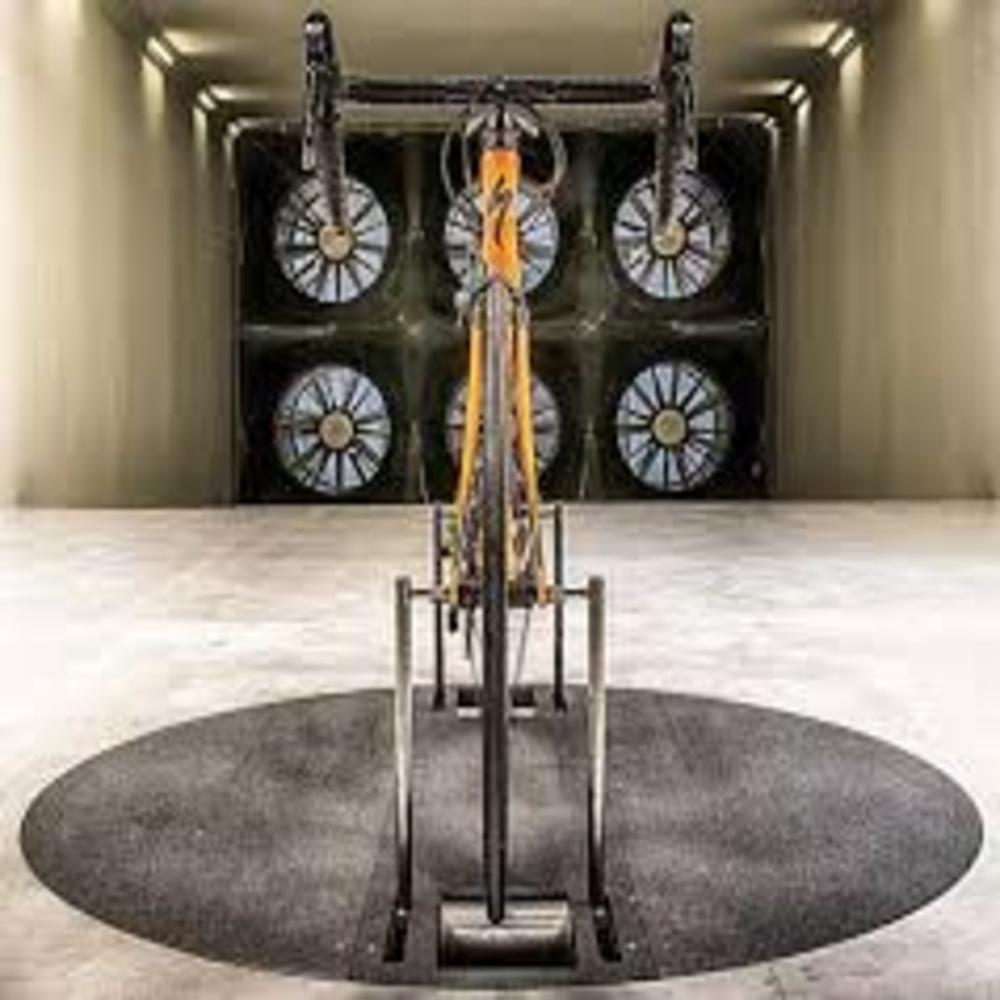
Tell us about your requirement

Price:
Quantity
Select Unit
- 50
- 100
- 200
- 250
- 500
- 1000+
Additional detail
Mobile number
Email

More Products in Speciality Wind Tunnels Category
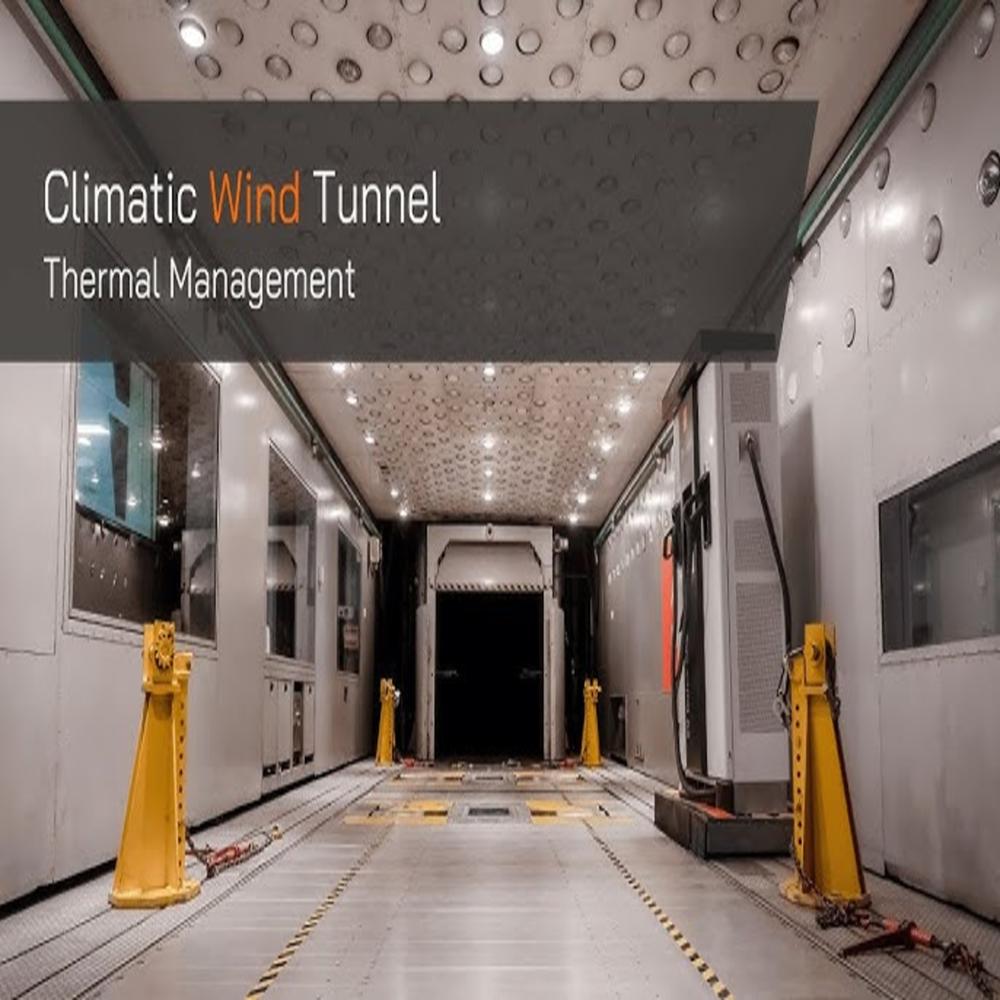
Climatic Wind Tunnel
Price 500000.0 INR / Unit
Minimum Order Quantity : 1 Unit
Accessories : Temperature and humidity sensors, Data acquisition system, Control panels, Test stands
Voltage : 380 V, 3phase
Processing Type : Other, Custom Fabrication
Equipment Type : Climatic Wind Tunnel
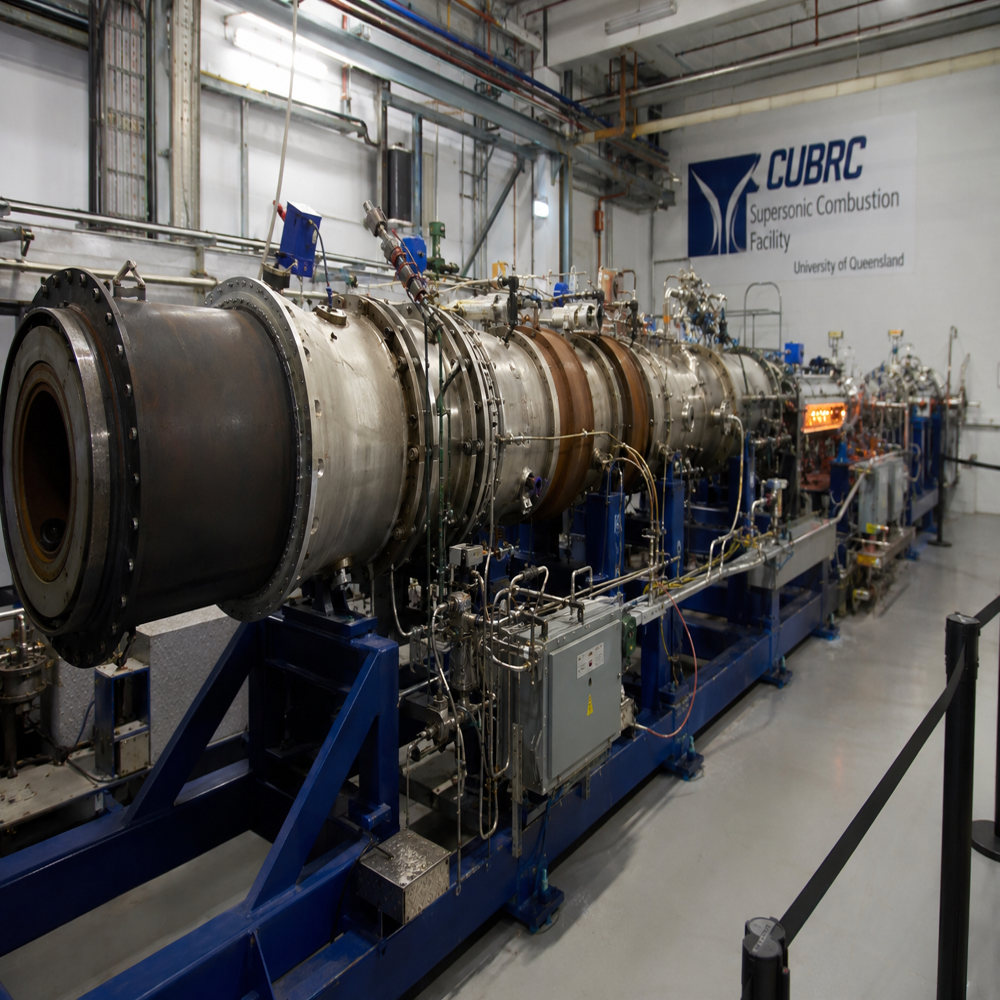
Supersonic Combustion Wind Tunnel
Price 500000.0 INR / Unit
Minimum Order Quantity : 1 Unit
Accessories : Pressure Sensors, Nozzle Assembly, Test Section, Data Acquisition System, Control Panel
Voltage : 220V / 440V
Processing Type : Other, Machined and Fabricated
Equipment Type : Wind Tunnel
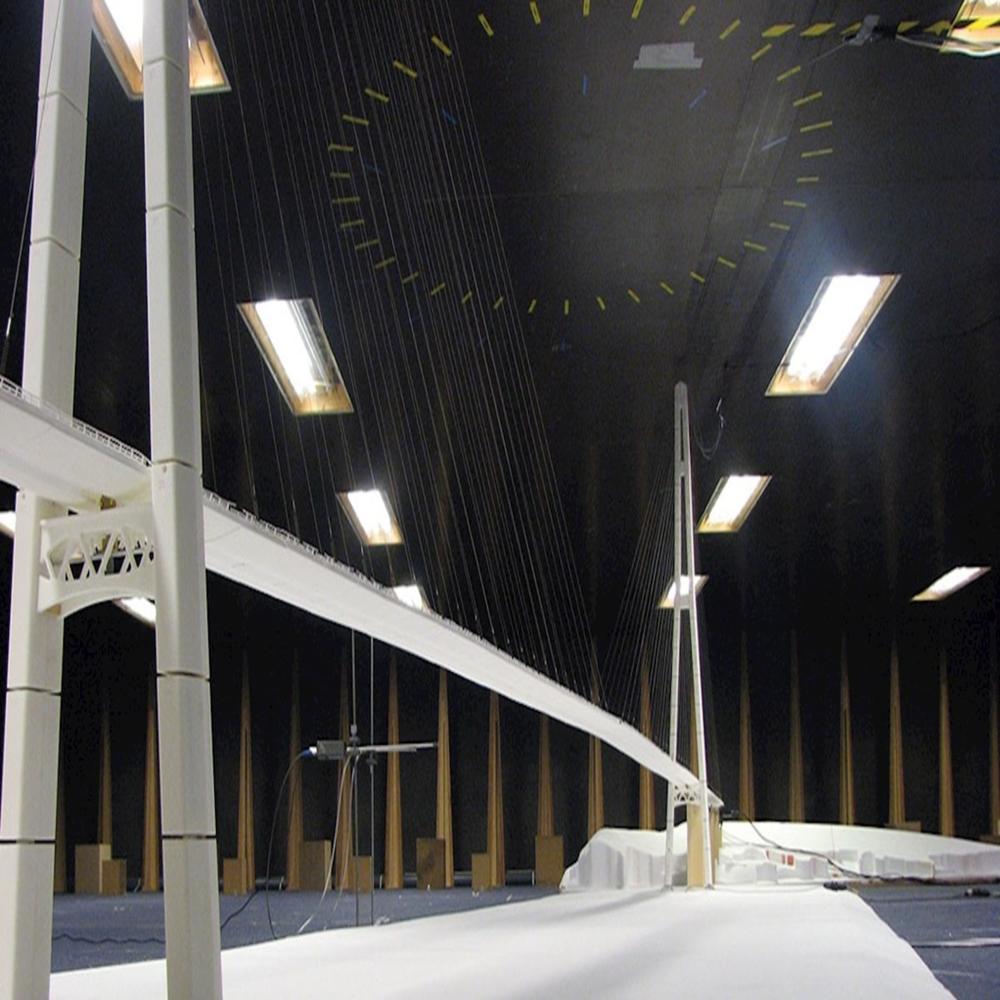
Wide Boundry Layer Wind Tunnel
Minimum Order Quantity : 1 Unit
Accessories : Manometers, Pitot Tube, Hotwire Anemometer (optional), Test Objects, Control Panel
Voltage : 220V, 50/60Hz
Processing Type : Other, Mechanical
Equipment Type : Wide Boundary Layer Wind Tunnel
Supersonic Wind Tunnel
Minimum Order Quantity : 1 Unit
Accessories : Instrumentation, Data Acquisition System, Nozzle, Diffuser, Air Compressor
Voltage : 380V / 440V
Processing Type : Other, Dynamic Testing
Equipment Type : Supersonic Wind Tunnel

 Send Inquiry
Our Products


Plot No - 553, Phase 2 GIDC Vatva, Near Railway Station Vatva,Ahmedabad - 382445, Gujarat, India

Mr Devang Modi
(Director)
Mobile :08045801217
 Send Inquiry
 Send SMS
Developed and Managed by Infocom Network Private Limited.
