
Call us now :08045801217
 Send Inquiry
 Send Inquiry
Turbulence Sphere
MOQ : 10 Grams
Turbulence Sphere Specification
- Equipment Type
- Tower Packing Media
- Material
- Fused Silica / Borosilicate Glass
- Processing Type
- Precision Moulded
- Condition
- New
- Technology
- Mass Transfer and Gas-Liquid Contact Efficiency Improvement
- Dimension (L*W*H)
- 16 mm - 75 mm (diameter range)
- Power Mode
- Mechanical (no electrical consumption)
- Application
- Random Distribution and Turbulent Motion in Packing Towers
- Coating Type
- Uncoated
- Usage Area
- Scrubbing Towers, Chemical Towers, Water Treatment Plants
- Installation
- Loose Fill, Directly Loaded into Column
- Density
- 2.2-2.23 g/cm3 (Fused Silica)
- Shape
- Sphere/Orb Type with Perforated Structure
- Porosity
- High
- Product Lifespan
- Up to 10 years under standard conditions
- Corrosion Resistance
- Excellent against most acids and solvents
- Color
- Transparent/White
- Feature
- Enhanced Gas-Liquid Turbulence, Lower Pressure Drop, Large Surface Area
- Temperature Resistance
- Up to 900C (Dependent on Material)
Turbulence Sphere About
Overview
A precision sphere model designed for studying boundary layer transition and critical Reynolds number in wind tunnel testing. With a highly polished surface and no pressure taps, the model relies on force (drag) measurements to identify flow regime changes with high accuracy.
Key Features
- Ideal for Transition Studies: Determines critical Reynolds number via drag data
- Highly Polished Surface: Ensures consistent and repeatable results
- Simple Geometry: Minimizes complexity in data interpretation
- Sting Mounted: Standard 3/8-inch mounting post
- Multiple Sizes Available
Technical Datasheet (Typical)
Geometry
- Model Type: Sphere
- Diameter: 100 mm (4 in)
- Surface Finish: High-polish aerodynamic finish
Mounting
- Type: Sting-mounted
- Compatibility: 3/8-inch sting balance
Instrumentation
- Pressure Taps: None
- Measurement Method: Force (drag) measurement via balance
Performance
- Application Range: Subsonic wind tunnel testing
- Use Case: Critical Reynolds number determination
- Measurement Basis: Drag coefficient variation with flow velocity
Optional Features
- Alternative sphere diameters
- Custom materials or finishes
- Integrated instrumentation (on request)
- Handcrafted custom models and probes
Applications
- Boundary layer transition studies
- Reynolds number experiments
- Drag coefficient analysis
- Educational and research demonstrations
Customization
Available in various diameters and finishes, allowing adaptation to different tunnel sizes and experimental requirements.
Cutting-Edge Tower Packing Media
Turbulence Spheres have been precision-moulded for superior durability and excellent mass transfer efficiency. Their perforated, transparent, or white orbs promote enhanced turbulence and stable gas-liquid interactions, giving your system a significant performance advantage. The uncoated spheres are crafted from high-purity fused silica or borosilicate glass, ensuring consistent quality and reliability across a broad spectrum of industrial environments.
Engineered for Harsh Conditions
Resistant to most corrosive acids and solvents, Turbulence Spheres are suitable for demanding chemical processes and environments where reliability is crucial. They deliver stable operation in temperatures up to 900C (material-dependent), providing peace of mind for long-term operation in your scrubbing or chemical towers. Their robust build and substantial lifespan reduce the need for frequent replacement.
Efficient Installation and Usage
These spheres offer a straightforward, loose-fill installation directly into columns, making upgrades or new builds quick and efficient. Their high porosity and large surface area encourage random distribution and turbulent motion, which means improved gas-liquid contact efficiency with minimal pressure drop. Ideal for various packing tower applications, they support both new system installations and as drop-in upgrades.
FAQ's of Turbulence Sphere:
Q: How are Turbulence Spheres installed within tower systems?
A: Turbulence Spheres are directly loaded as loose fill into packing towers. Their random distribution ensures best performance in creating turbulence and maximizing surface area for gas-liquid contact, with no special tools or fixtures required for installation.Q: What benefits do Turbulence Spheres provide in water treatment and chemical plants?
A: They enhance gas-liquid turbulence, promote improved mass transfer, and help achieve a lower pressure drop compared to traditional media. Their robust construction ensures long lifespan and effective operation even in challenging, corrosive environments.Q: When should Turbulence Spheres be chosen over other packing media?
A: Select Turbulence Spheres when you need high temperature resistance (up to 900C), excellent protection against acids and solvents, or require optimized gas-liquid contact efficiency and lower pressure drop in your application.Q: Where are Turbulence Spheres most commonly used?
A: They are widely employed in scrubbing towers, chemical towers, and water treatment plants-anywhere efficient mass transfer and corrosion resistance are primary concerns.Q: What materials are used to manufacture Turbulence Spheres and how does this affect performance?
A: Manufactured from fused silica or borosilicate glass, these materials provide high purity and resistance to extreme temperatures and aggressive chemicals, resulting in durable, reliable, and efficient tower packing media.Q: How long can Turbulence Spheres typically last in operation?
A: Under standard conditions, they offer a product lifespan of up to 10 years, reducing maintenance and replacement schedules.Q: What is the process for replacing or upgrading tower packing with these spheres?
A: Simply remove existing media (if any), then load the Turbulence Spheres directly into the column as loose fill. No electrical input or special processing is required, making upgrades or replacements fast and efficient.
Tell us about your requirement

Price:
Quantity
Select Unit
- 50
- 100
- 200
- 250
- 500
- 1000+
Additional detail
Mobile number
Email

More Products in Wind Tunnel Instrumentation Category

Schlieren System
Price 500000.0 INR / Number
Minimum Order Quantity : 1 Number
Processing Type : Other, Optical Analysis
Accessories : Light source, knife edge/slit, concave mirrors/lenses, camera mount, optical bench, alignment aids
Application : Visualization of transparent flow fields, gas dynamics, heat transfer studies, laboratory research, educational demonstrations
Technology : Other, Optical Schlieren Imaging

Digital Twin Wind Tunnel
Price 500000.0 INR / Unit
Minimum Order Quantity : 1 Unit
Processing Type : Other, Wind Simulation
Accessories : Remote Control Unit, Data Acquisition System, Computer Interface, Sensors
Application : Aerodynamic Testing, Educational Demonstration, Research and Development
Technology : Other, Digital Twin Simulation
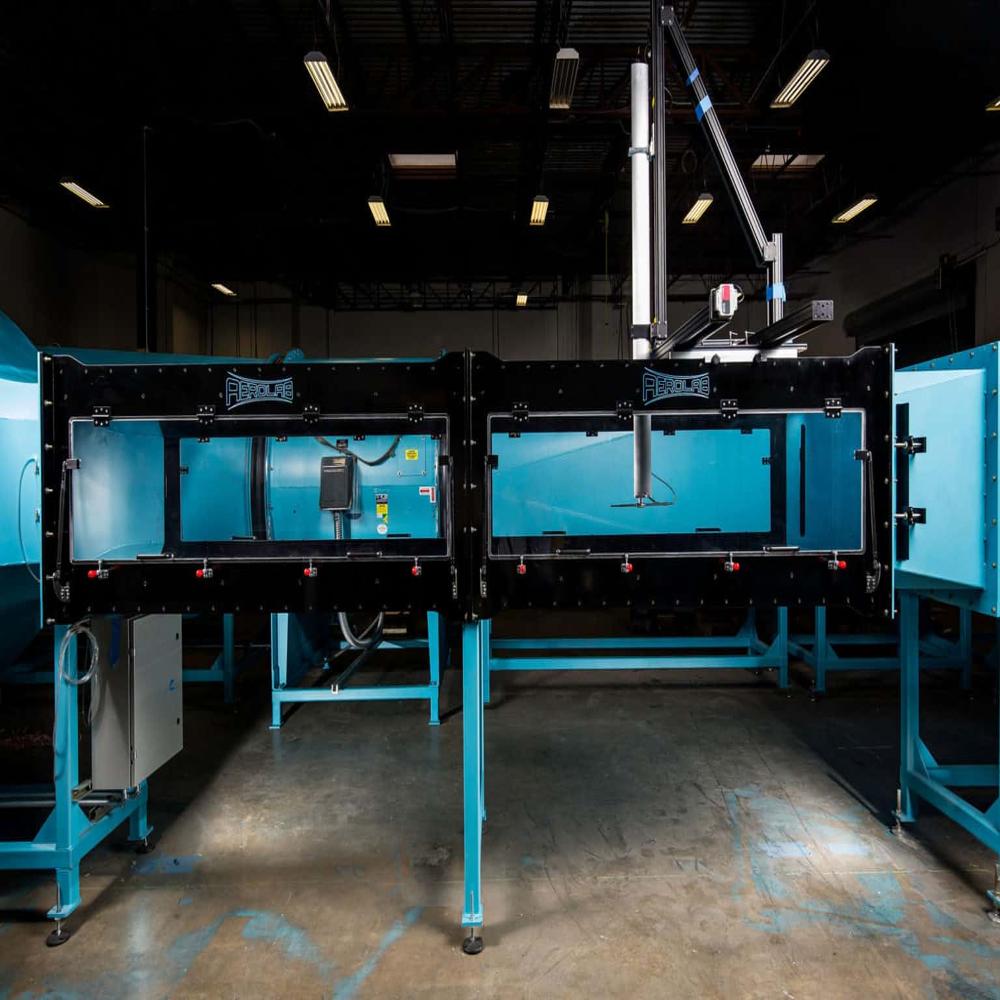
Traverse System
Minimum Order Quantity : 1 Number
Processing Type : Other, Mechanical
Accessories : Traverse Unit, Control Panel
Application : Industrial Winding and Unwinding Processes
Technology : Other, Automatic Traverse System
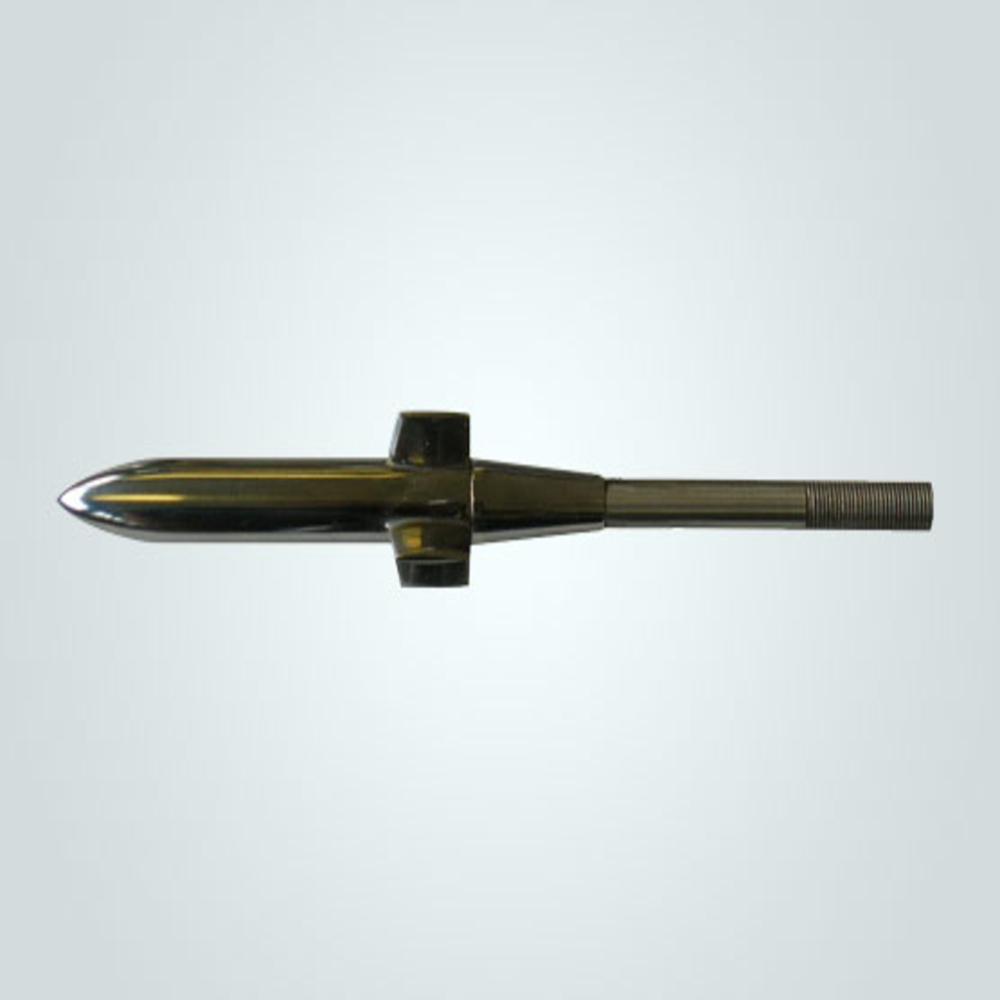
Force Miss-iles
Minimum Order Quantity : 1 Number
Processing Type : Other, Precision Engineered
Accessories : Launch Control System
Application : Defence and Military
Technology : Other, Missile Guidance

 Send Inquiry
Our Products


Plot No - 553, Phase 2 GIDC Vatva, Near Railway Station Vatva,Ahmedabad - 382445, Gujarat, India

Mr Devang Modi
(Director)
Mobile :08045801217
 Send Inquiry
 Send SMS
Developed and Managed by Infocom Network Private Limited.
