
Call us now :08045801217
 Send Inquiry
 Send Inquiry
Wind Generators
Price 500000.0 INR/ Piece
MOQ : 1 Piece
Wind Generators Specification
- Material
- Mild Steel
- Processing Type
- Standard
- Condition
- New
- Technology
- Wind Turbine
- Dimension (L*W*H)
- 3.5 x 3 x 6 Meter (m)
- Power Mode
- Wind Power
- Voltage
- 220-440 Volt (v)
- Power Consumption
- Self-powered
- Application
- Electricity Generation
- Coating Type
- Paint Coated
- Accessories
- Nacelle, Tower, Blades, Controller
- Noise Level
- 60 dB
- Phase Type
- Three Phase
- Equipment Type
- Wind Generator
- Protection Level
- IP54
- Number of Blades
- 3
- Rotor Diameter
- 5.5 Meter
- Blade Material
- Glass Fiber Reinforced Polymer
- Control System
- Automatic Yaw Control
- Working Temperature
- -20C to 40C
- Working Speed
- 1000 RPM
- Mounting Type
- Free-standing Tower
- Weight
- 1800 kg
- Lifespan
- 20 Years
- Cut-in Wind Speed
- 3 m/s
- Frequency
- 50/60 Hz
- Rated Output Power
- 10 kW
Wind Generators About
Overview
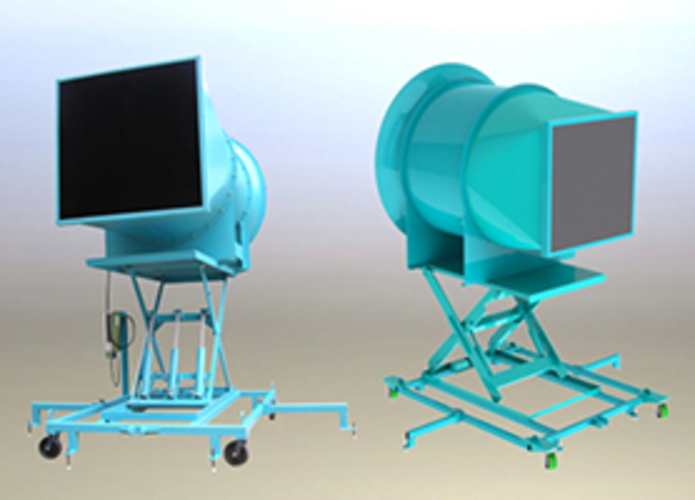
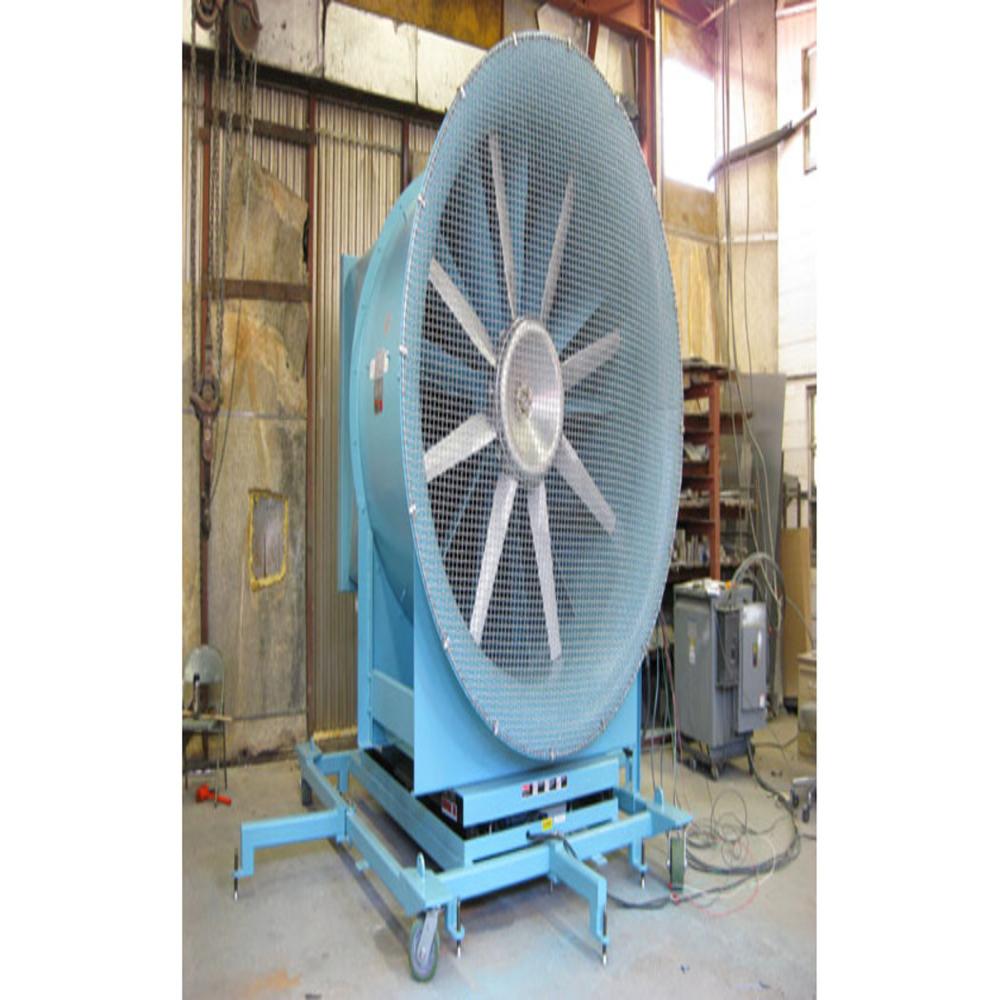
Portable wind defines this versatile, high-capacity mobile wind generation system designed for field testing and flexible airflow applications. Mounted on industrial casters with tow capability and a hydraulically operated scissor lift, the unit allows precise positioning and directional control of high-speed airflow wherever required.
Key Features
- Fully Mobile Design: Industrial casters with integrated tow point
- Adjustable Height: Hydraulic scissor lift for variable wind delivery elevation
- Directed Airflow: Easily position and orient wind jet
- Robust Construction: Heavy-duty frame for industrial and outdoor use
Technical Datasheet (Standard Model)
Performance
- Wind Speed (at duct exit): Up to 40 mph ( 64 km/h)
- Wind Jet Size: 1.5 m 1.5 m (5 ft 5 ft)
Adjustability
- Minimum Jet Centerline Height: ~1.7 m (66 in)
- Maximum Jet Centerline Height: ~3.2 m (126 in)
Mechanical
- Mobility: Heavy-duty casters with tow attachment
- Lift Mechanism: Hydraulic scissor jack
- Overall Weight: ~2,700 kg (6,000 lbs)
Power Requirements
- Fan Motor: 460 VAC, 3-phase, ~100 A
- Lift System: 110 VAC (standard supply)
Custom Options
- Higher wind speeds (up to ~80100 mph possible)
- Variable outlet sizes and duct geometries
- Directional control systems (yaw/tilt mechanisms)
- Remote control and automation
- Environmental or weather simulation add-ons
Applications
- Outdoor aerodynamic testing
- UAV/drone and sensor validation
- Structural wind loading studies
- Cooling and ventilation trials
- Film, simulation, and special effects
Advanced Design and Technology
Engineered using glass fiber reinforced polymer blades and mild steel construction, this wind generator balances strength, aerodynamics, and longevity. The automatic yaw control ensures optimal alignment with wind direction, maximizing energy production. With a broad operational temperature range and IP54 protection, it is suited for diverse climates and harsh environments.
High Efficiency and Reliability
Operating at a speed of 1000 RPM with a 10 kW rated output, this wind generator delivers stable, high-performance electricity generation. Its three-phase output and wide voltage compatibility (220-440V) ensure seamless integration into various electrical systems-suitable for both on-grid and off-grid applications.
FAQ's of Wind Generators:
Q: How does the automatic yaw control enhance the wind generator's performance?
A: The automatic yaw control system continuously adjusts the rotor alignment to face the prevailing wind direction. This maximizes energy capture by ensuring the blades operate at the optimal angle, thereby increasing efficiency and electricity output.Q: What are the installation requirements for this free-standing tower wind generator?
A: This wind generator should be mounted on a solid foundation in an open area to avoid wind obstruction. Its free-standing tower facilitates independent installation, and the supplied accessories, such as nacelle and blades, simplify assembly. Professional installation is recommended for optimal safety and performance.Q: When does the wind generator start and stop generating power?
A: Power generation begins when wind speeds reach the cut-in threshold of 3 m/s. The system is designed to operate efficiently within its specified working wind speed and will automatically adjust or shut down if wind conditions are beyond safe operating limits to protect the equipment.Q: Where is the optimal location to install this wind generator?
A: Ideal installation sites are unobstructed, elevated areas with consistent wind flow. Avoid sites with large buildings, trees, or other obstacles that could disrupt wind patterns, ensuring the generator can harness wind energy effectively throughout its lifespan.Q: What is the benefit of using glass fiber reinforced polymer for the blades?
A: Glass fiber reinforced polymer offers high strength-to-weight ratio, corrosion resistance, and durability. This ensures the blades maintain optimal shape and performance over time, even in demanding weather conditions, contributing to sustained energy output and reduced maintenance.Q: How is power generated and delivered from the wind generator?
A: As the blades rotate at 1000 RPM, the mechanical energy from wind is converted into electrical energy via the turbine and generator. The three-phase output is suitable for versatile electrical applications, offering voltage ranges from 220 to 440 volts at frequencies of 50/60 Hz.Q: What maintenance is required for this wind turbine system?
A: Routine inspection and maintenance are recommended, including checking the mechanical components, electrical connections, and protective coatings. The robust materials and IP54 protection reduce maintenance frequency, supporting a long operational lifespan of up to 20 years.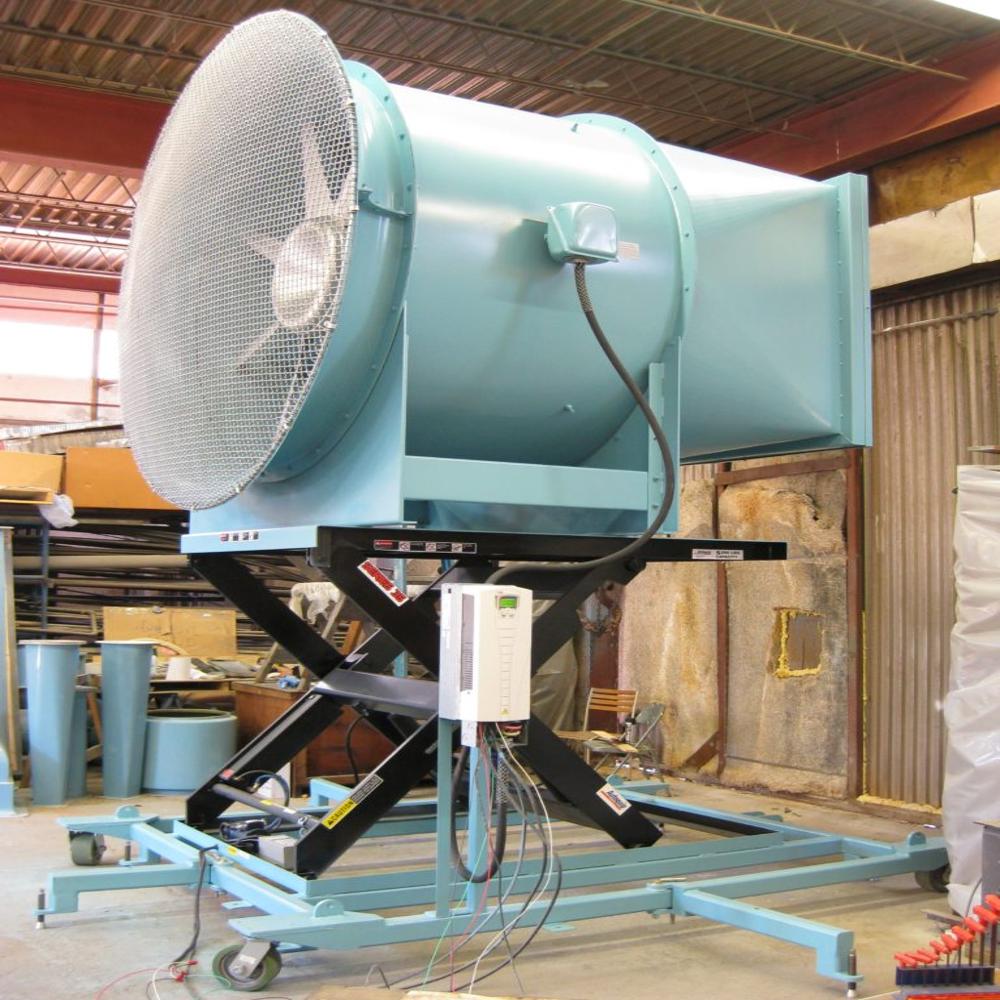
Tell us about your requirement

Price:
Quantity
Select Unit
- 50
- 100
- 200
- 250
- 500
- 1000+
Additional detail
Mobile number
Email

More Products in Subsonic Wind Tunnel Category
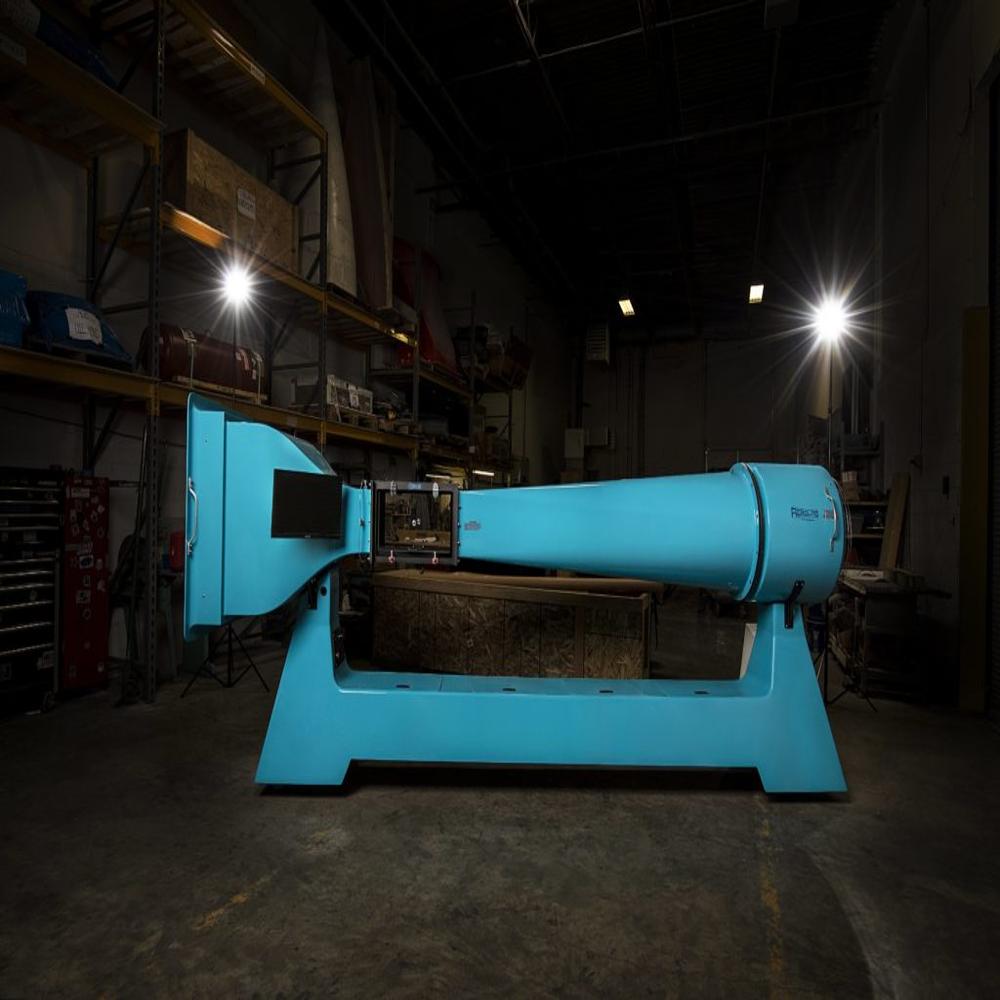
Educational Wind Tunnels
Price 500000.0 INR / Number
Minimum Order Quantity : 1 Number
Accessories : Smoke generator, Flow visualization kit, Model mounting accessories, User manual
Coating Type : Powder coated body with clear acrylic test section
Voltage : 220V/230V, 50 Hz
Power Mode : Electric
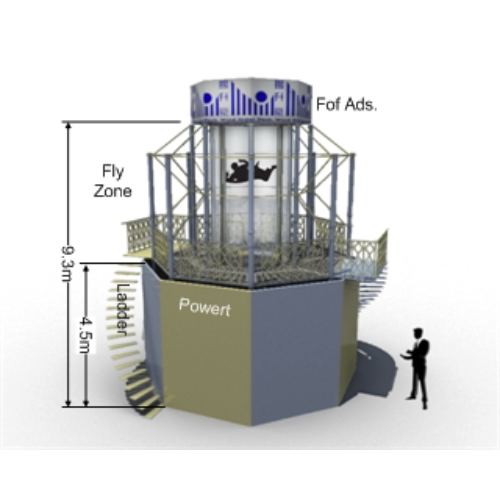
Vertical Wind Tunnel
Price 500000.0 INR / Unit
Minimum Order Quantity : 1 Unit
Accessories : Safety net, wind speed regulators, control panel, helmet, flight suit
Coating Type : Powder coated, corrosion resistant
Voltage : 380V, 50/60 Hz
Power Mode : Other, Electric powered
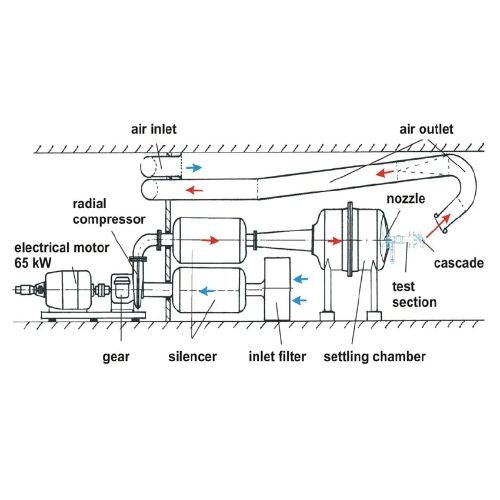
High Speed Wind Tunnel
Price 500000.0 INR / Unit
Minimum Order Quantity : 1 Unit
Accessories : Smoke Generator, Balance System, Model Mountings, Instrumentation Panel
Coating Type : Powder Coated Exterior
Voltage : 220V / 380V, 50Hz / 60Hz single or three phase
Power Mode : Electric
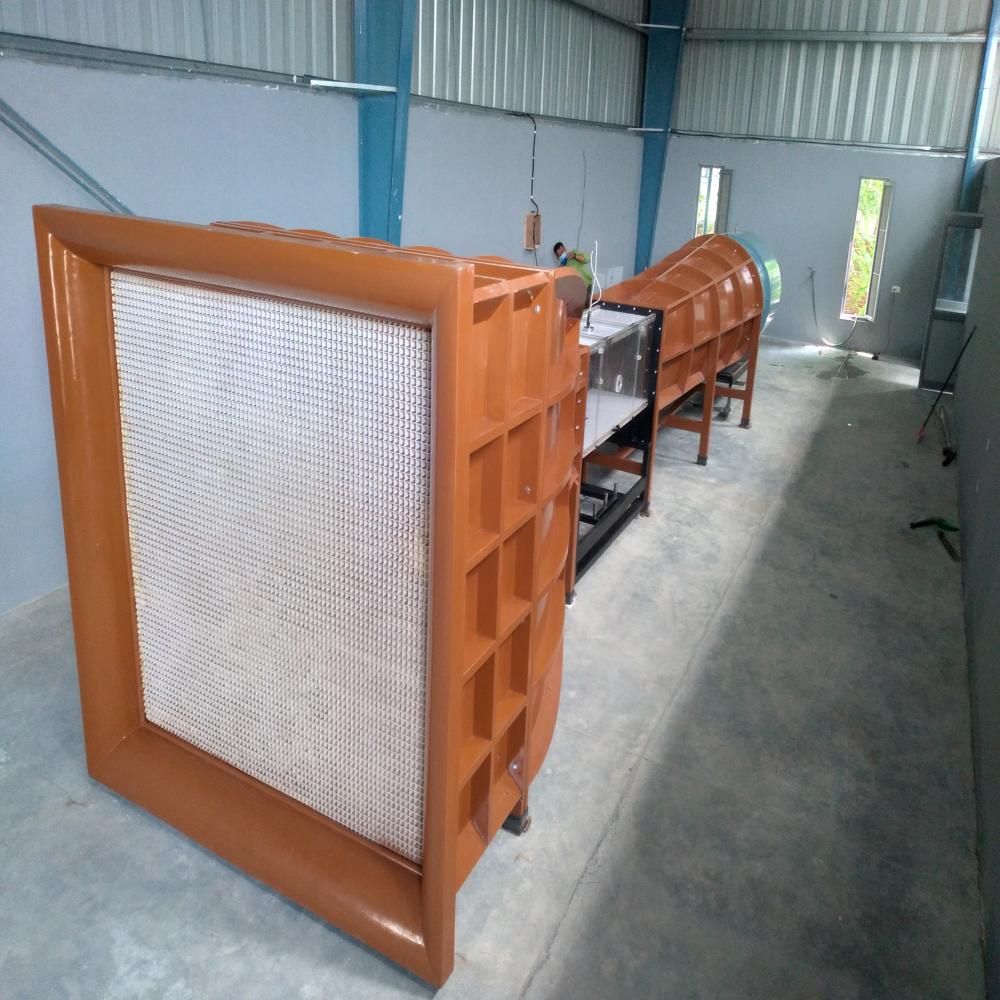
Subsonic Wind Tunnel
Price 500000.0 INR / Unit
Minimum Order Quantity : 1 Unit
Accessories : Smoke generator, Multitube manometer, Pitot tube, Model mounting system
Coating Type : Powder Coated
Voltage : 220240V AC, 50/60Hz
Power Mode : Electric

 Send Inquiry
Our Products


Plot No - 553, Phase 2 GIDC Vatva, Near Railway Station Vatva,Ahmedabad - 382445, Gujarat, India

Mr Devang Modi
(Director)
Mobile :08045801217
 Send Inquiry
 Send SMS
Developed and Managed by Infocom Network Private Limited.
