
Call us now :08045801217
 Send Inquiry
 Send Inquiry
Aerodynamic Testing
Price 500000.0 INR/ Set
MOQ : 1 Set
Aerodynamic Testing Specification
- Equipment Type
- Aerodynamic Test Bench
- Material
- Mild Steel
- Condition
- New
- Technology
- Advanced Sensor Based
- Dimension (L*W*H)
- 2000 x 800 x 1600 mm
- Power Mode
- Electric
- Voltage
- 220-240 V
- Power Consumption
- 2 kW
- Pressure Output
- 1000 Pa Maximum
- Application
- Industrial Aerodynamic Testing
- Coating Type
- Powder Coated
- Accessories
- Data Logger, Manometer, Sensors
- Accuracy
- 0.5%
- Display Type
- Digital
- Working Speed
- Variable
- Air Flow Range
- 50 to 5000 m3/hr
- Frequency
- 50/60 Hz
- Noise Level
- <68 dB
- Weight
- Approx. 250 kg
- Control Panel
- Touch Screen Interface
- Data Output
- USB/Ethernet
- Test Chamber Material
- Stainless Steel
Aerodynamic Testing About
Overview
Aerodynamic testing evaluates how air interacts with objects to measure forces such as drag, lift, and moments, enabling optimization of performance, efficiency, stability, and thermal behavior. It is a critical process in the design and development of vehicles, aircraft, and engineered structures.
Key Testing Methods
1. Wind Tunnel Testing
- Physical testing using scale or full-size models in controlled airflow
- Direct measurement of drag, lift, pressure distribution, and moments
- High repeatability and controlled test conditions
- Compatible with advanced instrumentation and flow visualization
2. Computational Fluid Dynamics (CFD)
- Virtual simulation of airflow using numerical methods
- Enables rapid design iteration and optimization
- Reduces dependency on physical prototypes
- Suitable for complex flow phenomena (turbulence, wake interaction)
3. Tuft Flow Visualization
- Uses lightweight yarn (tufts) attached to surfaces
- Provides visual indication of airflow behaviour
- Identifies flow separation, recirculation, and turbulence zones
- Simple and cost-effective diagnostic method
4. Pressure Measurement Techniques
- Utilizes sensors such as Pitot tubes, pressure taps, and differential gauges
- Measures local pressure distribution across surfaces
- Supports validation of aerodynamic models and simulations
Core Measurement Parameters
- Drag Force (Cd)
- Lift / Downforce (Cl)
- Pressure Distribution
- Flow Velocity & Direction
- Turbulence & Wake Characteristics
- Thermal & Cooling Performance
Testing Objectives
- Drag ReductionImprove efficiency, speed, and fuel economy
- Downforce Optimization Enhance grip and handling (especially in motorsports)
- Aeroacoustics Minimize wind noise for passenger comfort
- Cooling Efficiency Optimize airflow through heat exchangers and radiators
- Stability & Safety Ensure performance under crosswinds and dynamic conditions
Advanced Capabilities
- Integration of moving ground systems for realistic tire-road interaction
- Hybrid testing combining wind tunnel + CFD + real-world validation
- High-resolution flow visualization (smoke, Schlieren, PIV)
- Real-time data acquisition and analysis
Applications
- Automotive Engineering Vehicle aerodynamics and thermal management
- Aerospace Aircraft and UAV design optimization
- Wind EnergyTurbine blade performance analysis
- Civil Engineering Wind effects on buildings and bridges
- Industrial Design Product airflow and cooling studies
Benefits
- Improved product performance and efficiency
- Reduced development time and cost
- Enhanced safety and reliability
- Data-driven design optimization
Advanced Performance and Control
This aerodynamic test bench features a variable speed setting and advanced sensor-based operation. The digital touch screen interface offers precise control and straightforward navigation, ensuring accuracy of 0.5% across the full measurement range. Coupled with automatic processing and robust, industrial-grade materials, the equipment is tailored for both reliability and ease of use.
Versatile Application and Durable Build
Designed for industrial environments, the test bench includes a stainless steel test chamber and powder-coated mild steel frame. It supports high air flow ranges while maintaining low noise levels, making it suitable for a variety of industrial aerodynamic testing scenarios. Its compact yet sturdy build ensures longevity and consistent performance.
FAQ's of Aerodynamic Testing:
Q: How does the Aerodynamic Test Bench ensure high accuracy in measurements?
A: The test bench is equipped with advanced sensor-based technology and a digital touch screen interface, providing measurement accuracy within 0.5%. Automated processing and precise sensors guarantee reliable aerodynamic testing in diverse industrial applications.Q: What benefits does the variable working speed offer during testing?
A: Variable working speed allows users to adjust air flow rates between 50 and 5000 m3/hr, enabling tailored testing conditions for different aerodynamic scenarios. This flexibility helps optimize test results for specific industrial requirements.Q: When is it recommended to use this equipment for aerodynamic testing?
A: This equipment is best utilized in research, quality control, or product development environments where precise airflow and pressure measurements are required. It's especially suited for frequent or high-accuracy aerodynamic evaluations.Q: Where can data from the Aerodynamic Test Bench be accessed or exported?
A: All test data can be easily exported via the built-in USB and Ethernet interfaces. This connectivity streamlines data management and enables seamless integration with your existing analysis or reporting systems.Q: What is the process for operating the Aerodynamic Test Bench?
A: Operation involves configuring settings through the intuitive touch screen, placing the test sample in the stainless steel chamber, and starting the test. Data is measured and stored automatically via advanced sensors, and can be reviewed or exported when completed.Q: How does the design of the equipment enhance user experience and safety?
A: The equipment is constructed with a powder-coated mild steel frame and stainless steel test chamber, ensuring durability. The noise level is maintained below 68 dB, and the digital touch interface promotes safe and user-friendly controls throughout operation.Q: What supplementary accessories are included, and how do they assist testing?
A: The Aerodynamic Test Bench comes with a data logger, manometer, and additional sensors. These accessories enhance measurement precision, facilitate comprehensive data tracking, and ensure detailed analysis for each testing session.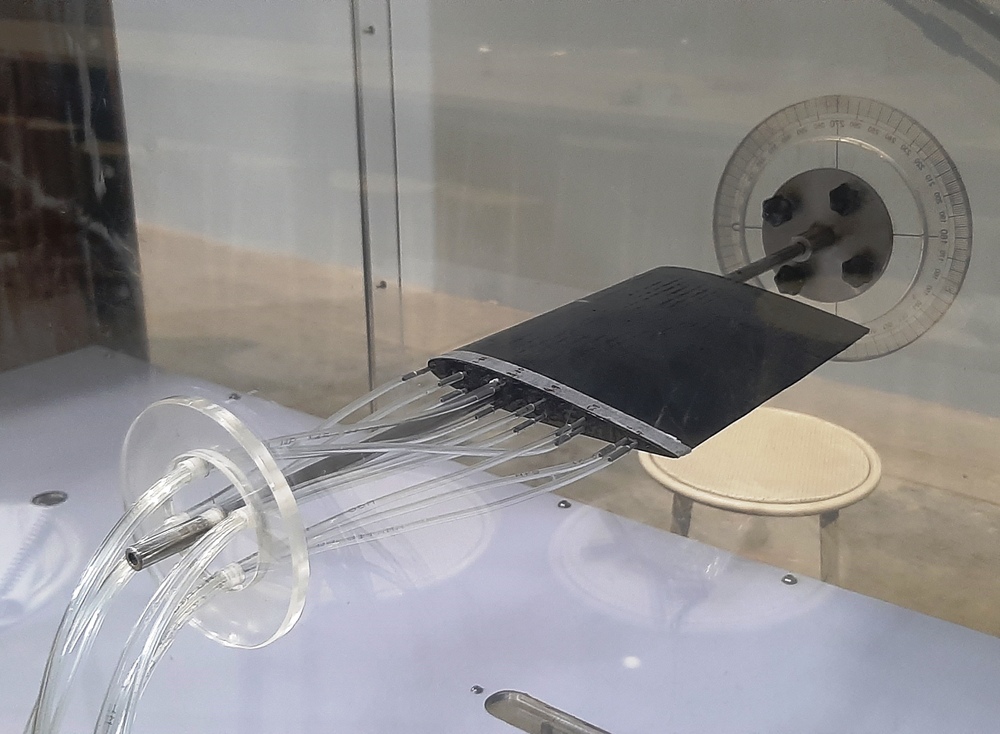
Tell us about your requirement

Price:
Quantity
Select Unit
- 50
- 100
- 200
- 250
- 500
- 1000+
Additional detail
Mobile number
Email

More Products in Wind Testing Category
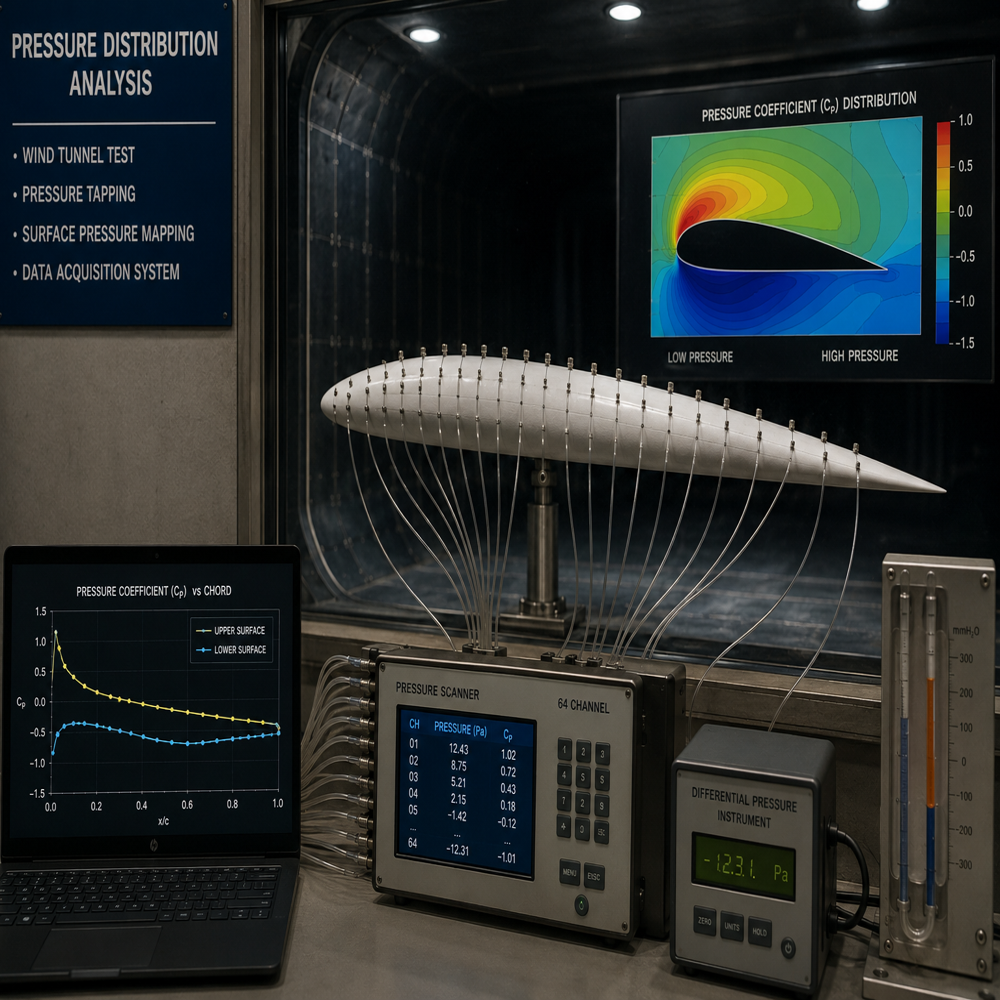
Pressure Distribution
Price 500000.0 INR / Number
Minimum Order Quantity : 1 Number
Power Consumption : 2 kW
Condition : New
Material : Other, Mild Steel Construction
Pressure Output : Up to 350 Bar
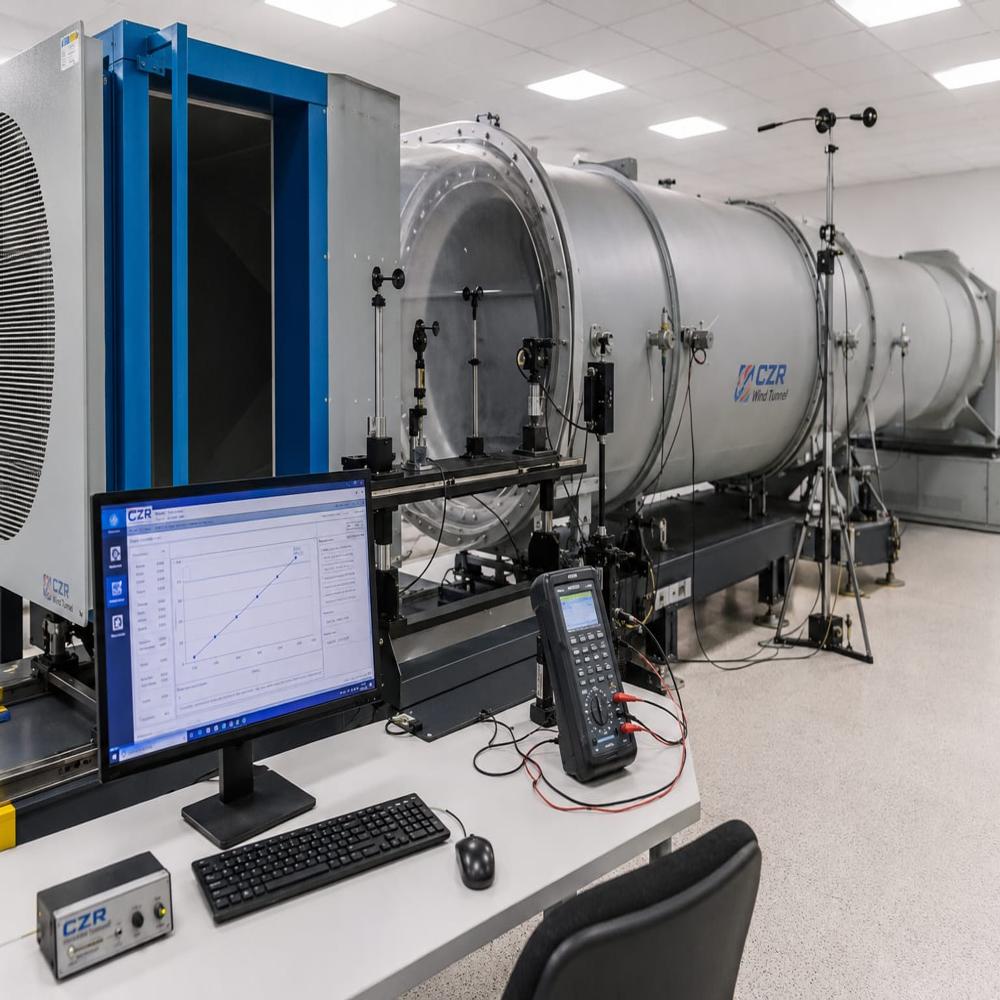
Anemometer Calibration
Price 500000.0 INR / Number
Minimum Order Quantity : 1 Number
Power Consumption : 150 W
Condition : New
Material : Other, Mild Steel
Pressure Output : 0500 Pa
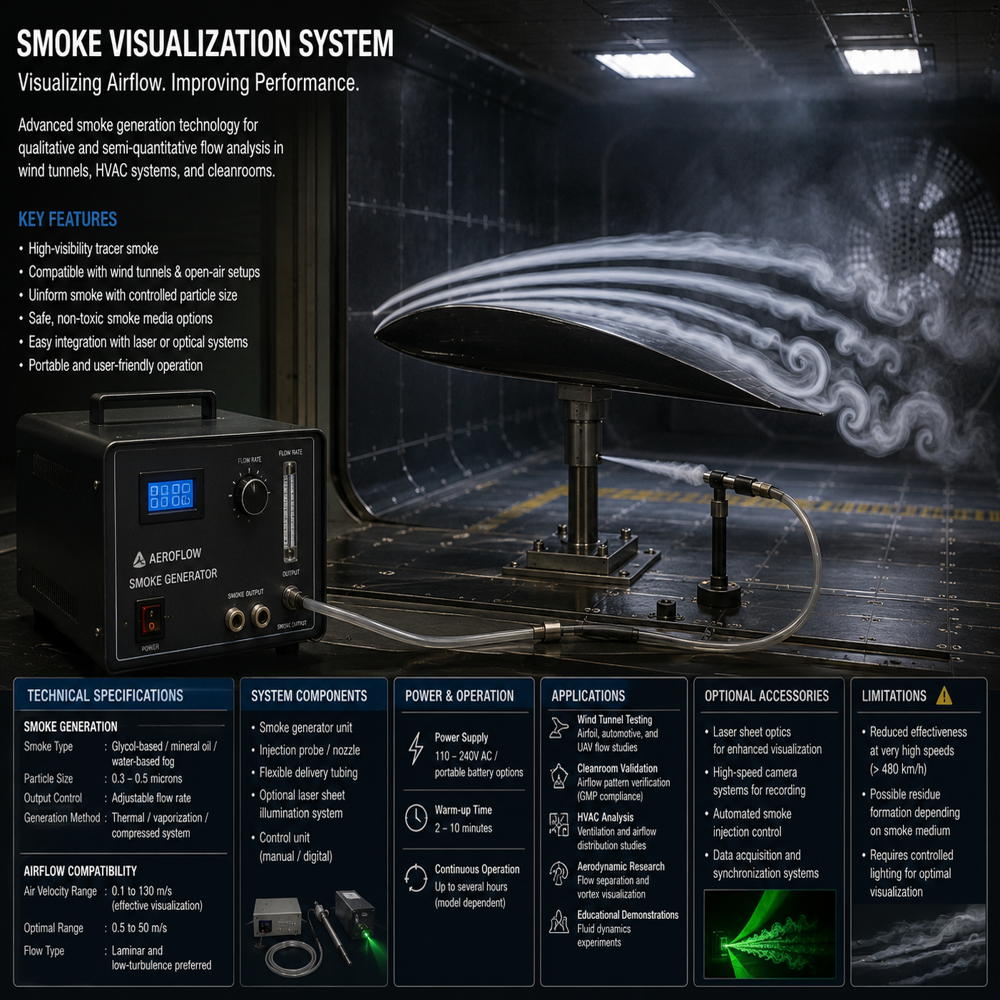
Smoke Visualization
Price 500000.0 INR / Number
Minimum Order Quantity : 1 Number
Power Consumption : Less than 100 W
Condition : New
Material : Other, Acrylic Body, Stainless Steel Base
Pressure Output : Low Pressure, Adjustable
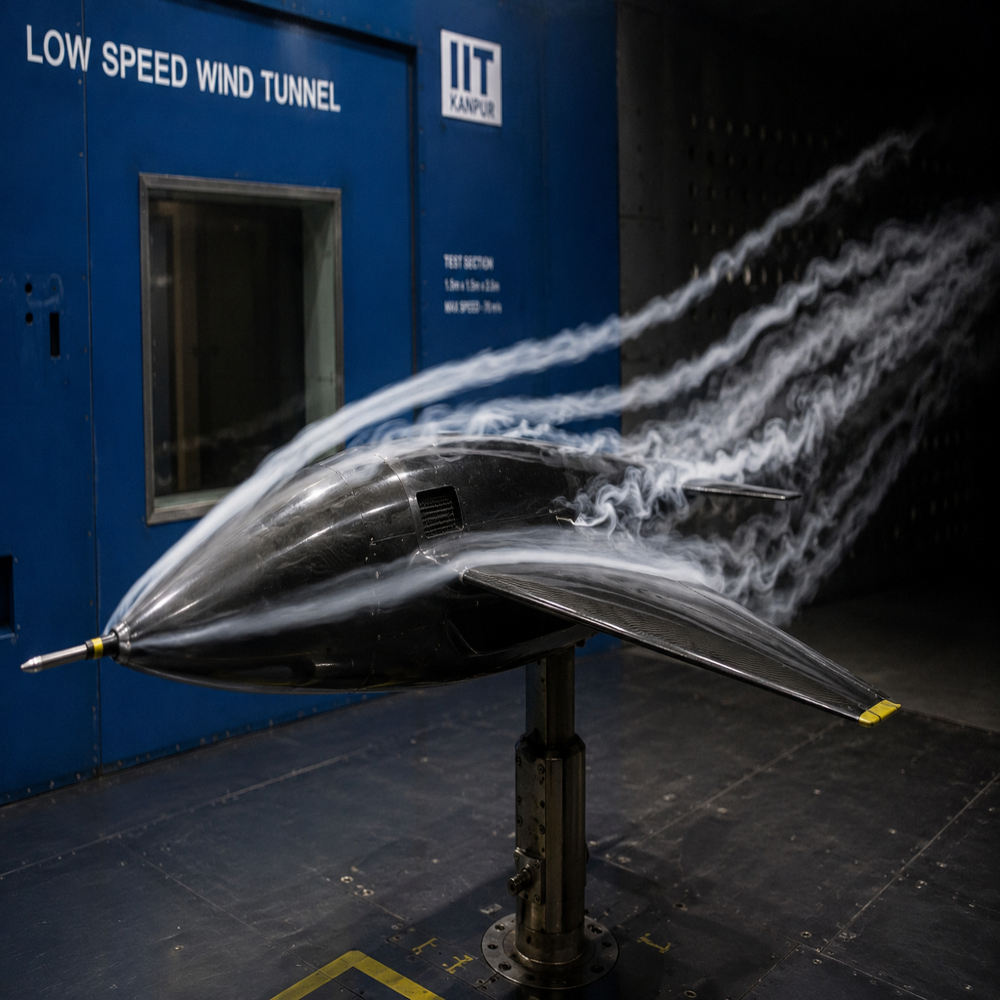
Flow Visualization
Price 500000.0 INR / Number
Minimum Order Quantity : 1 Number
Power Consumption : 50 W
Condition : New
Material : Other, Acrylic, Stainless Steel, Aluminum
Pressure Output : 0.5 2 bar

 Send Inquiry
Our Products


Plot No - 553, Phase 2 GIDC Vatva, Near Railway Station Vatva,Ahmedabad - 382445, Gujarat, India

Mr Devang Modi
(Director)
Mobile :08045801217
 Send Inquiry
 Send SMS
Developed and Managed by Infocom Network Private Limited.
