
Call us now :08045801217
 Send Inquiry
 Send Inquiry
Conventional Hypersonic Wind Tunnel
MOQ : 1 Piece
Conventional Hypersonic Wind Tunnel Specification
- Equipment Type
- Hypersonic Wind Tunnel
- Material
- Stainless Steel, Precision-Engineered Alloys
- Processing Type
- Gas Dynamic Flow Processing
- Condition
- New
- Technology
- Conventional Hypersonic Wind Tunnel Technology
- Dimension (L*W*H)
- 4500 mm x 1200 mm x 1500 mm
- Power Mode
- Electric
- Voltage
- 380 V
- Power Consumption
- 15 kW
- Pressure Output
- Up to 10 bar
- Application
- Aerospace Research, Aerodynamics Testing, Hypersonic Flow Simulation
- Coating Type
- Anti-Corrosive Protective Layer
- Accessories
- Control Console, Nozzle Set, Data Acquisition System
- Compliance Standard
- Meets ISO 17025 for Testing and Calibration Laboratories
- Temperature Control
- Precision Thermal Management System
- Operating Temperature Range
- 10C to 40C
- Calibration
- Factory Calibrated, On-site Calibration Available
- Data Output Interface
- Ethernet, USB
- Flow Control
- Automated Variable Flow Rate
- Control Method
- Digital Automated Control
- Mounting Type
- Base Mounted with Vibration Damping
- Frame Finish
- Powder Coated Industrial Grade
- Flow Visualization
- Schlieren and Shadowgraph Capable
- Chamber Type
- Closed and Open Circuit Options Available
- Noise Level
- <75 dB at 1 meter
- Cooling System
- Integrated Water Cooling
- Safety Features
- Emergency Shutdown and Overpressure Alarms
- Test Section Dimensions
- 400 mm x 400 mm
Conventional Hypersonic Wind Tunnel About
Marketing Overview
Our conventional hypersonic wind tunnel systems are developed from proven supersonic tunnel designs, enhanced with advanced high-temperature gas heating to enable stable hypersonic flow (Mach 5+). Designed for aerospace and defense research, these systems provide reliable simulation of extreme flight conditions for re-entry vehicles, missiles, and high-speed platforms.
Featuring intermittent blowdown operation, precision-contoured nozzles, and high-temperature-resistant components, the tunnel delivers accurate flow conditions for aerodynamic, thermal, and material studies. Flexible heating options and configurable test conditions ensure adaptability for a wide range of high-speed research applications.
Technical Datasheet (Generalized Ranges)
1. System Classification
- Mach Number Range: 5 14 (up to 2540+ with special gases)
- Flow Regime: Hypersonic
- Operation Type: Intermittent Blowdown (typical), Continuous (optional)
2. Test Section Specifications
- Type: Closed test section
- Shape: Circular / Square
- Typical Size: 0.1 m 1.5 m
- Length: 0.5 m 5 m
3. Flow Performance
- Velocity Range: ~1500 m/s 5000+ m/s
- Mach Number Control Accuracy: 0.02 0.1
- Flow Uniformity: 1% 2%
- Unit Reynolds Number: ~10 10 per meter (typical ~3 10/m with air)
- Test Duration: Milliseconds to a few seconds
4. Flow Generation System
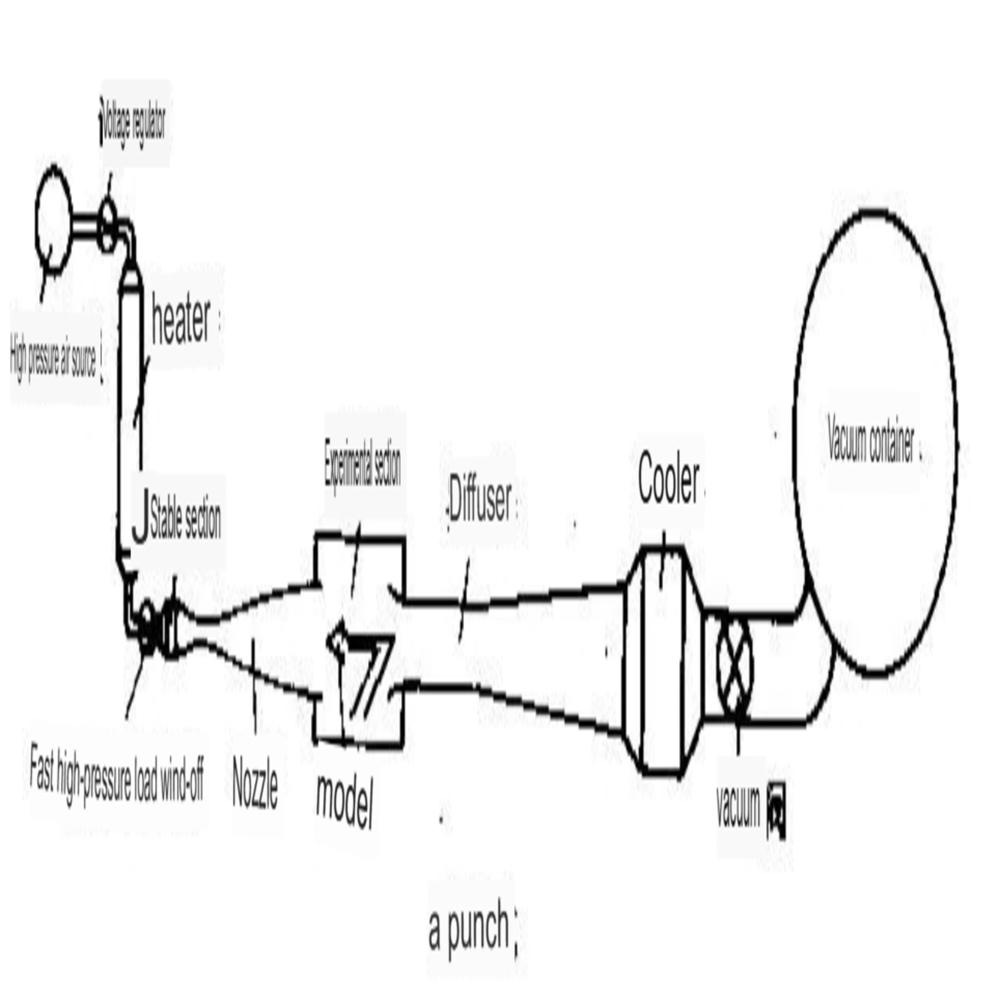
- Type: Blowdown with vacuum-assisted exhaust
- Upstream Pressure: 10 bar 200+ bar
- Downstream System: Vacuum tank for enhanced pressure ratio
5. Thermal System (Key Feature)
- Purpose: Prevent gas liquefaction and simulate high-temperature flow
- Heating Methods & Typical Temperature Ranges:
- Gas combustion heater: up to ~750 K
- Nichrome resistance heater: up to ~1000 K
- Fe-Cr-Al resistance heater: up to ~1450 K
- Alumina pebble bed heater: up to ~1670 K
- Zirconia pebble bed heater: up to ~2500 K
- Tungsten heater (with nitrogen): up to ~2200 K
- Graphite resistance heater: up to ~2800 K
6. Nozzle System
- Type: Convergent-divergent (hypersonic nozzle)
- Design Options:
- Axisymmetric contoured nozzle (preferred)
- Conical nozzle (simpler, less uniform flow)
- Special Features:
- High expansion ratio
- Water-cooled throat (for Mach > 7)
7. Operating Conditions
- Test Gas: Air (standard), Helium / Nitrogen (optional)
- High Mach Capability with Helium:
- Up to Mach 25 (ambient)
- Up to Mach 40+ (heated conditions)
8. Key Components
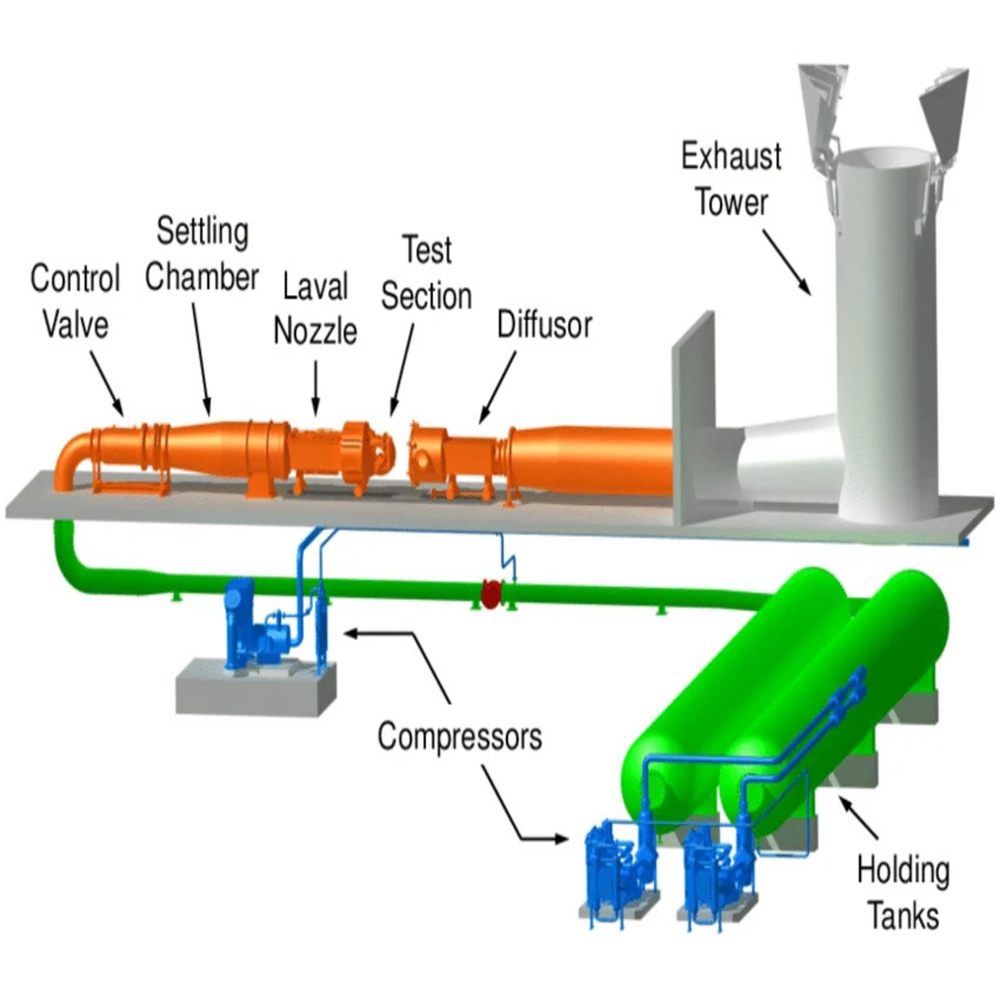
- Settling chamber with heating system
- High-pressure storage system
- Hypersonic nozzle assembly
- Test section with thermal protection (optional)
- Supersonic/hypersonic diffuser
- Vacuum exhaust system
9. Instrumentation (Optional)
- High-frequency pressure sensors
- Force and moment balances
- Heat flux gauges
- Schlieren / shadowgraph systems
- High-speed imaging and DAQ systems
10. Applications
- Re-entry vehicle and missile testing
- Aerodynamic heating and thermal protection studies
- High-speed flow physics research
- Material ablation and erosion testing
- Aerospace and defence R&D
11. Optional Configurations
- High-temperature material testing setups
- Alternative test gases (helium, nitrogen)
- Advanced cooling systems (nozzle throat)
- Enhanced vacuum and pressure systems
- Extended Mach number capability
12. Customization Options
- Mach number range and test duration
- Heating method and temperature capability
- Test section size and geometry
- Pressure and vacuum system design
- Instrumentation and diagnostics
Versatile Control and Data Output
The wind tunnel incorporates digital automated control with a user-friendly interface, facilitating seamless operation and precise adjustments to flow variables. Equipped with Ethernet and USB data output, the system ensures rapid data transmission and integration with modern research software, supporting streamlined testing and comprehensive analysis.
Advanced Flow and Temperature Management
Automated variable flow rate and a state-of-the-art precision thermal management system enable consistent hypersonic conditions. Integrated water cooling maintains stable operation, allowing extended tests without overheating. This advanced control architecture allows researchers to replicate a variety of flight conditions with accuracy and repeatability.
Comprehensive Safety and Compliance
Safety is a top priority with built-in emergency shutdown features, overpressure alarms, and noise control (<75 dB at 1 meter). The equipment's anti-corrosive coating, powder-coated industrial finish, and compliance with ISO 17025 guarantee both durability and reliability in rigorous research settings.
FAQ's of Conventional Hypersonic Wind Tunnel:
Q: How does the digital automated control system improve wind tunnel operation efficiency?
A: The digital automated control system simplifies operation by allowing precise and rapid adjustments of flow rates and test parameters. Users benefit from consistent, repeatable results, reduced setup times, and enhanced safety, as the system can quickly respond to changing conditions and emergencies.Q: What are the key advantages of having both closed and open circuit chamber options?
A: The dual chamber design offers flexibility for different test scenarios. Closed circuits limit external air contamination for controlled experiments, while open circuits facilitate quick turnaround and simplified maintenance, meaning the tunnel can be tailored to diverse research and testing needs.Q: When is on-site calibration recommended for this wind tunnel?
A: On-site calibration is advisable after installation, relocation, or major maintenance to ensure optimal system accuracy. Periodic recalibration, depending on usage intensity and institutional standards, further ensures the tunnel consistently meets ISO 17025 testing and calibration requirements.Q: Where is the best environment to install and operate this wind tunnel?
A: The wind tunnel performs optimally in controlled laboratory environments within the specified 10C to 40C temperature range. A base-mounted, vibration-damped setup minimizes external disturbances, while good ventilation and clearances are recommended for safety and ease of access.Q: What is the process for visualizing flow characteristics in this wind tunnel?
A: The system supports Schlieren and Shadowgraph techniques for high-resolution visualization of hypersonic flow behavior. These optical methods reveal density gradients and shock patterns, allowing researchers to observe and analyze dynamic aerodynamic phenomena in real time.Q: How does the integrated water cooling system enhance tunnel performance?
A: The water cooling system efficiently dissipates heat, preventing thermal buildup during prolonged or high-intensity tests. This permits reliable, sustained operation at high flow rates, extending the tunnel's lifespan and ensuring accurate result consistency.Q: What are the main benefits of using this wind tunnel for aerospace research applications?
A: Researchers gain high-fidelity simulation of hypersonic flows, advanced safety features, and reliable data acquisition. The tunnel's precision controls and robust design enable innovative aerodynamic testing and development, supporting breakthroughs in aerospace engineering and technology.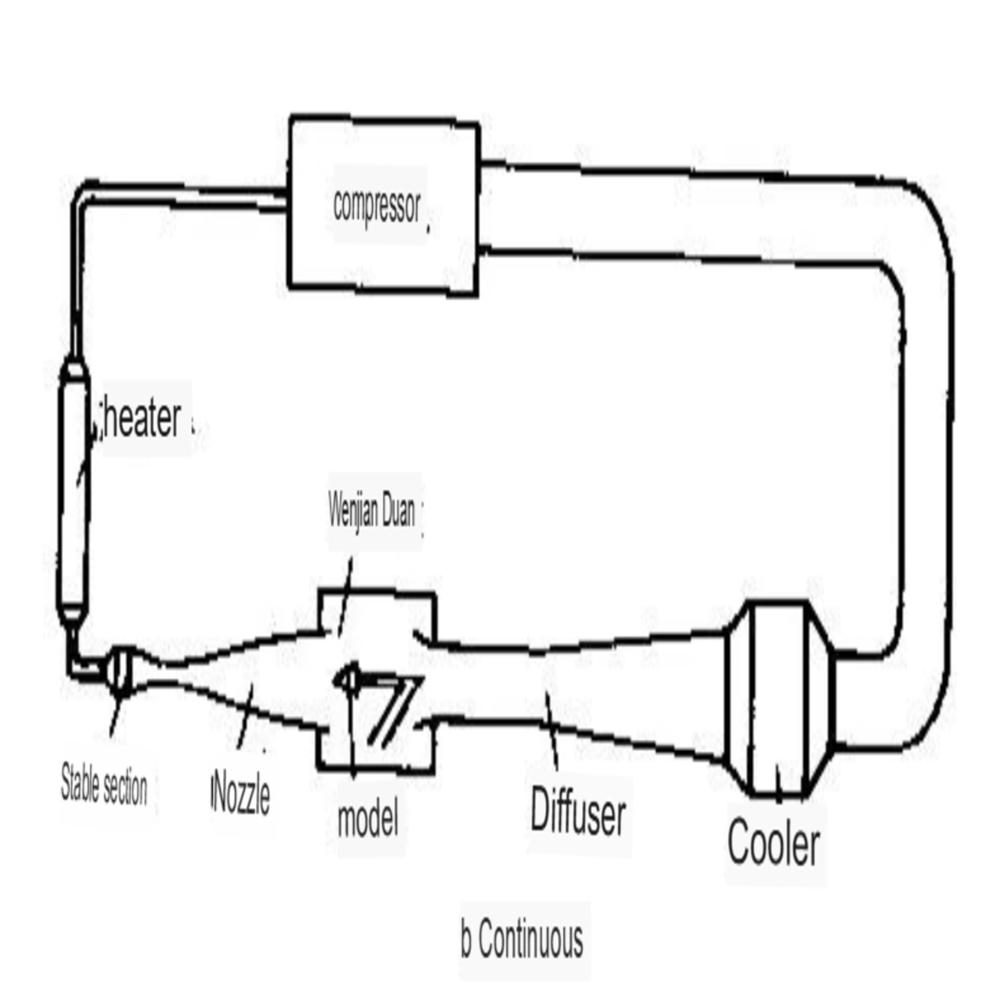
Tell us about your requirement

Price:
Quantity
Select Unit
- 50
- 100
- 200
- 250
- 500
- 1000+
Additional detail
Mobile number
Email

More Products in Speciality Wind Tunnels Category
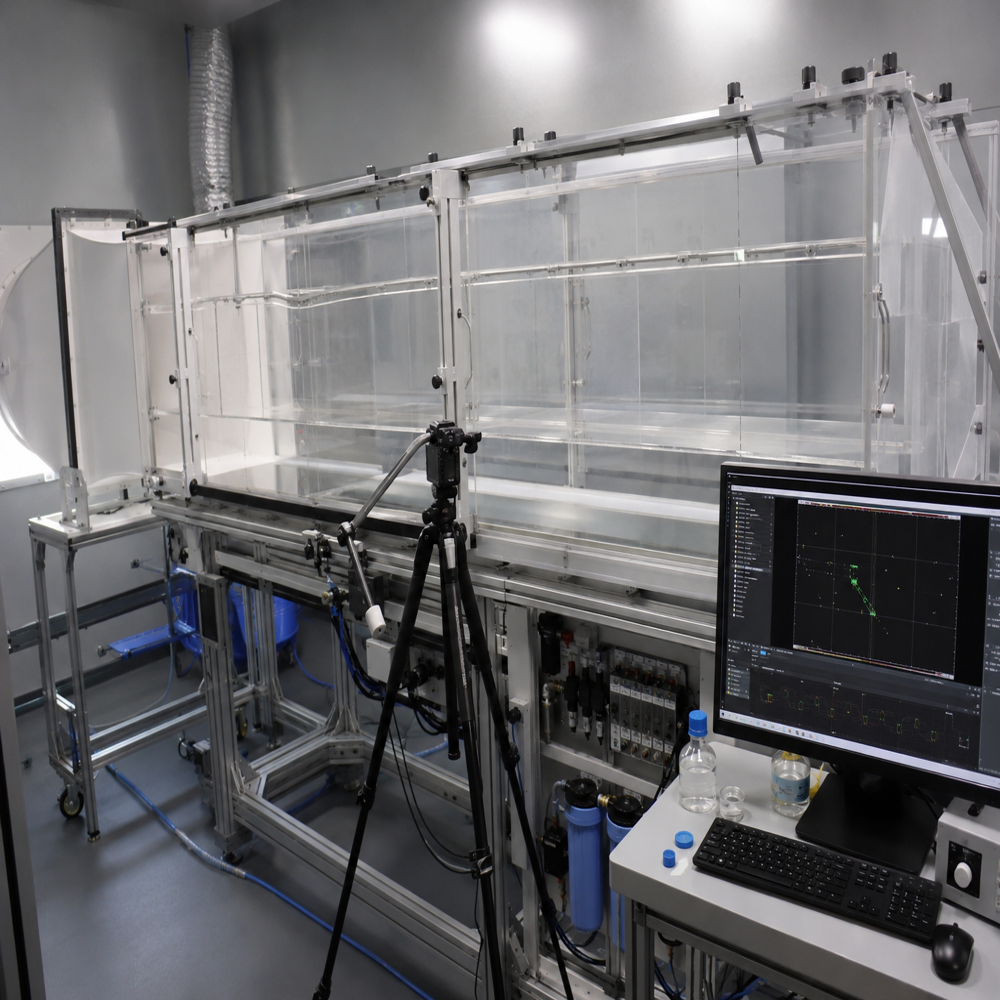
Bio-Assyl Wind Tunnel
Price 500000.0 INR / Unit
Minimum Order Quantity : 1 Unit
Voltage : 220240V AC
Power Mode : Electric
Equipment Type : BioAssyl Wind Tunnel
Accessories : HEPA Filter, Control Panel, Mounting Stand
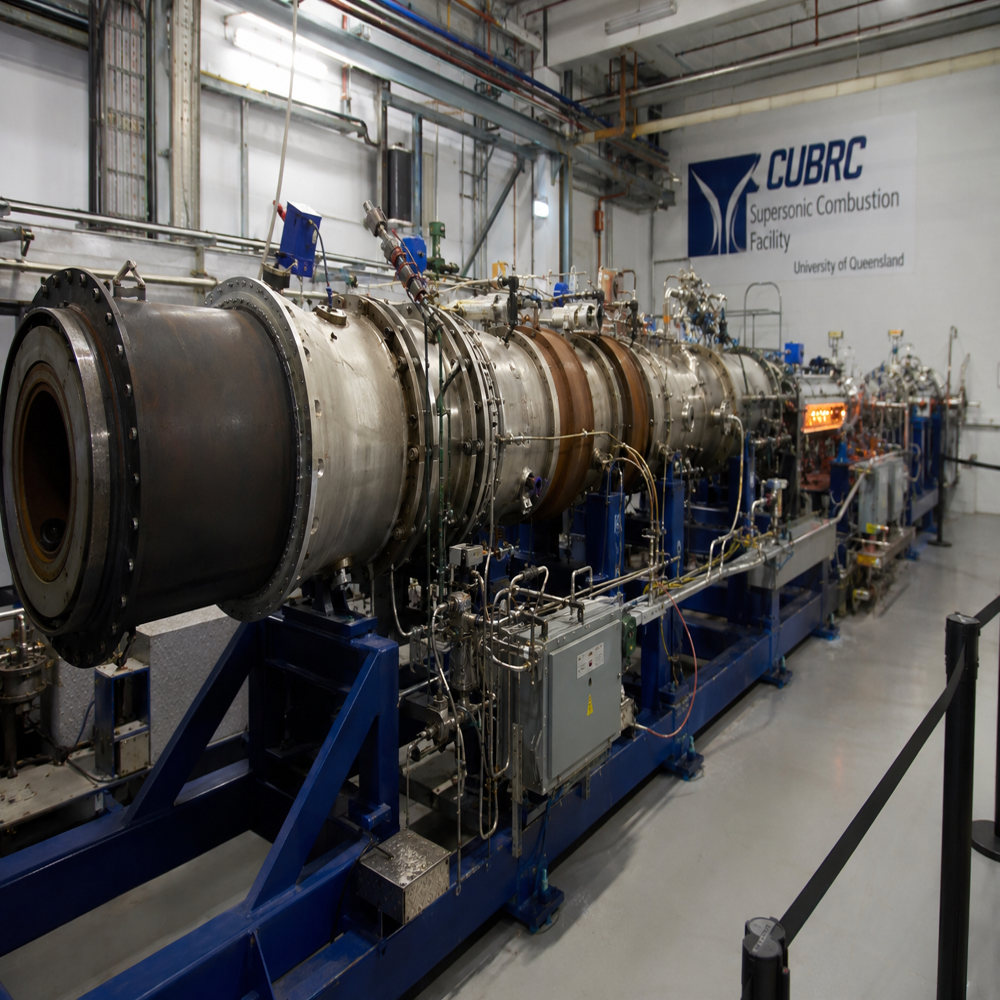
Supersonic Combustion Wind Tunnel
Price 500000.0 INR / Unit
Minimum Order Quantity : 1 Unit
Voltage : 220V / 440V
Power Mode : Electric
Equipment Type : Wind Tunnel
Accessories : Pressure Sensors, Nozzle Assembly, Test Section, Data Acquisition System, Control Panel
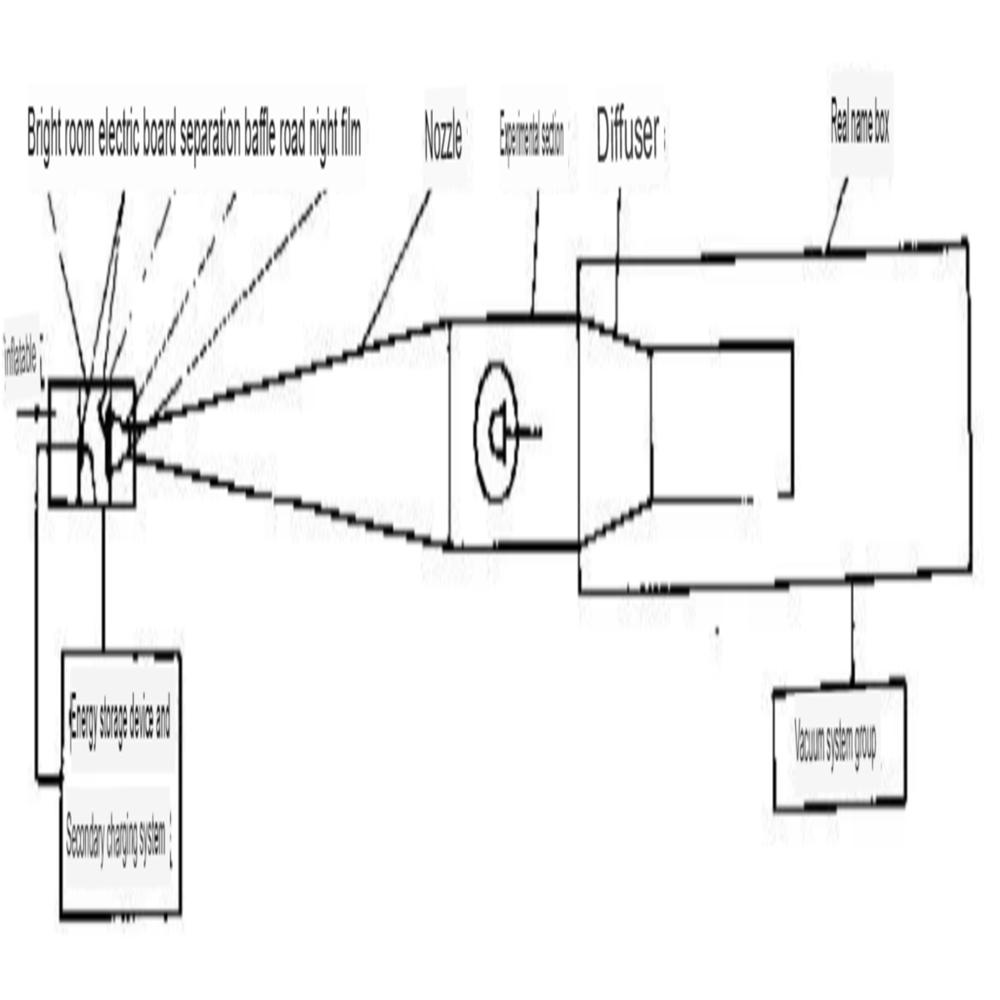
Hot-Shot Wind Tunnel
Price 500000.0 INR / Unit
Minimum Order Quantity : 1 Unit
Voltage : 380V / 440V, 3 Phase
Power Mode : Electric
Equipment Type : HotShot Wind Tunnel
Accessories : Control Console, Test Section, Data Acquisition System
Trisonic Wind Tunnel
Price 500000.0 INR / Number
Minimum Order Quantity : 1 Number
Voltage : 220V 440V
Power Mode : Electric
Equipment Type : Wind Tunnel
Accessories : Control Panel, Data Acquisition System, Model Support

 Send Inquiry
Our Products


Plot No - 553, Phase 2 GIDC Vatva, Near Railway Station Vatva,Ahmedabad - 382445, Gujarat, India

Mr Devang Modi
(Director)
Mobile :08045801217
 Send Inquiry
 Send SMS
Developed and Managed by Infocom Network Private Limited.
