
Call us now :08045801217
 Send Inquiry
 Send Inquiry
Supersonic Wind Tunnel
MOQ : 1 Unit
Supersonic Wind Tunnel Specification
- Equipment Type
- Supersonic Wind Tunnel
- Material
- Stainless Steel, Glass, Aluminum
- Processing Type
- Dynamic Testing
- Condition
- New
- Technology
- Supersonic Aerodynamics
- Dimension (L*W*H)
- Customized or Standard Sizes Available
- Power Mode
- Electric
- Voltage
- 380V / 440V
- Power Consumption
- 8-15 kW
- Pressure Output
- 0.1 to 1.5 MPa
- Application
- Aerospace, Research Institutes, Educational Demonstrations
- Coating Type
- Corrosion Resistant Coating
- Accessories
- Instrumentation, Data Acquisition System, Nozzle, Diffuser, Air Compressor
- Chamber Construction
- Leak-Proof Sealing
- Test Section Diameter
- Up to 300 mm
- Noise Level
- Below 85 dB
- Safety Features
- Pressure Relief Valve, Emergency Shutoff
- Maximum Airflow Rate
- Up to 8 kg/s
- Calibration
- Factory Calibrated
- Test Section Length
- 500 mm to 2 m
- Flow Visualization
- Schlieren System Compatible
- Display Type
- Digital Control Panel
- Cooling System
- Integrated Water Cooling (Optional)
- Usage Mode
- Continuous & Intermittent
- Mounting
- Floor Mounted
- Control System
- Programmable Logic Controller (PLC)
- Installation Service
- Available Upon Request
Supersonic Wind Tunnel About
Marketing Overview
Our supersonic wind tunnel systems are engineered for advanced aerodynamic testing in high-speed flow regimes where compressibility and shock wave phenomena dominate. Utilizing precision-designed convergent-divergent (de Laval) nozzles, the system generates stable and uniform supersonic flow for accurate evaluation of aerospace models and high-speed components.
With configurable nozzle geometries (fixed, solid-block, or flexible) and efficient supersonic diffusers for pressure recovery, the system ensures optimal performance across a wide Mach range. Designed for research institutions, aerospace development, and defense applications, the tunnel supports detailed analysis of shock interactions, drag characteristics, and high-speed flow physics.
Technical Datasheet (Generalized Ranges)
1. System Classification
- Mach Number Range: 1.5 4.5
- Flow Regime: Supersonic
2. Test Section Specifications
- Type: Closed test section (typical)
- Shape: Rectangular / Square
- Cross-Section Area: 0.01 m 5 m
- Typical Size: 0.3 m 0.3 m up to 5 m 5 m
- Length: 0.5 m 8 m
3. Flow Performance
- Velocity Range: ~500 m/s 1500 m/s
- Mach Number Control Accuracy: 0.01 0.05
- Flow Uniformity: 1% or better
- Turbulence Intensity: < 0.5%
4. Nozzle System
- Type: Convergent-Divergent (de Laval nozzle)
- Design Principle:
Flow velocity determined by area ratio (test section / throat) - Configurations:
- Fixed nozzle
- Solid-block (interchangeable contour blocks)
- Flexible nozzle (adjustable contour plates)
- Nozzle Geometry:
Axisymmetric or two-dimensional (planar side walls with contoured surfaces)
5. Supersonic Diffuser
- Multi-stage diffuser with:
- Contraction section
- Second throat
- Subsonic diffuser
- Function:
Efficient pressure recovery and controlled transition from supersonic to subsonic flow via weak shock systems
6. Operating Conditions
- Total Pressure Range: 2 bar 50+ bar
- Total Temperature Range: Ambient to 800 K (higher with heating systems)
- Reynolds Number: Up to 10 10 (higher with specialized systems)
7. Drive / Flow Generation
- Type:
- Blowdown (high-pressure storage)
- Continuous (compressor-driven, less common)
- Power Requirement:
500 kW 50 MW
8. Key Components
- Settling chamber with flow conditioning
- High-pressure air supply / storage system
- Convergent-divergent nozzle assembly
- Test section with optical access (optional)
- Supersonic diffuser system
- Control valves and pressure regulation system
9. Instrumentation (Optional)
- Pressure transducers and scanners
- Force and moment balances
- Schlieren / shadowgraph systems (shock visualization)
- High-speed data acquisition systems
- Temperature and density sensors
10. Applications
- Supersonic aircraft and missile testing
- Nozzle and intake performance evaluation
- Shock wave and boundary layer interaction studies
- High-speed propulsion systems
- Aerospace and defence R&D
11. Optional Configurations
- Flexible nozzle systems for variable Mach operation
- Tri-sonic wind tunnel (subsonic + transonic + supersonic)
- Ludwig tube (high Reynolds number testing)
- Cryogenic wind tunnel (independent Re and Mach control)
- Heated flow systems
12. Customization Options
- Mach number range and nozzle design
- Test section dimensions
- Pressure and temperature capability
- Instrumentation and visualization systems
- Continuous or blowdown operation
Advanced Aerodynamic Testing Capability
Engineered for rigorous performance, this supersonic wind tunnel accommodates various research and educational applications. Its customizable test section and precise control systems replicate high-speed airflow environments essential for testing aerodynamic components. Flow visualization compatibility enables detailed studies of shock waves and flow patterns.
Reliable Safety & Efficient Operation
The wind tunnel incorporates top-tier safety features, including pressure relief valves and emergency shutoff systems, ensuring operator protection during high-pressure tests. With both continuous and intermittent usage modes, the unit provides operational flexibility, while low-noise operation and efficient energy consumption make it suitable for institutional and industrial environments.
Flexible Installation & Comprehensive Support
Tailored to suit specific spatial or performance requirements, the wind tunnel offers both floor mounting and a selection between standard or custom dimensions. Factory calibration and installation services ensure seamless integration into research workflows, while durable materials and corrosion-resistant coatings guarantee long-term reliability.
FAQ's of Supersonic Wind Tunnel:
Q: How is the airflow rate controlled and monitored in the supersonic wind tunnel?
A: The airflow rate is precisely governed through a Programmable Logic Controller (PLC) system and monitored via a digital control panel, supporting rates up to 8 kg/s for consistent and reproducible testing conditions.Q: What safety mechanisms are built into the wind tunnel for high-pressure operation?
A: The equipment includes a pressure relief valve and emergency shutoff switch to handle overpressure situations, ensuring safe operation during all dynamic testing procedures.Q: When is integrated water cooling recommended for operation?
A: Integrated water cooling is optional and is recommended during extended test runs or when dealing with particularly high airflow or pressure levels to manage heat buildup in critical components efficiently.Q: Where can this wind tunnel be installed, and are installation services provided?
A: The unit is floor-mounted and suitable for laboratories, aerospace research facilities, and academic institutions. Professional on-site installation is available upon request to ensure optimal setup.Q: What are the main applications of the Supersonic Wind Tunnel?
A: Designed for aerospace, research institutes, and educational demonstrations, the wind tunnel is ideal for aerodynamic component testing, flow visualization experiments, and validation of dynamic testing techniques.Q: How does the Schlieren system compatibility benefit test procedures?
A: Schlieren system compatibility allows for advanced flow visualization, enabling the study of shock waves, boundary layers, and fluid dynamics with high clarity, which enhances the analysis of aerodynamic phenomena.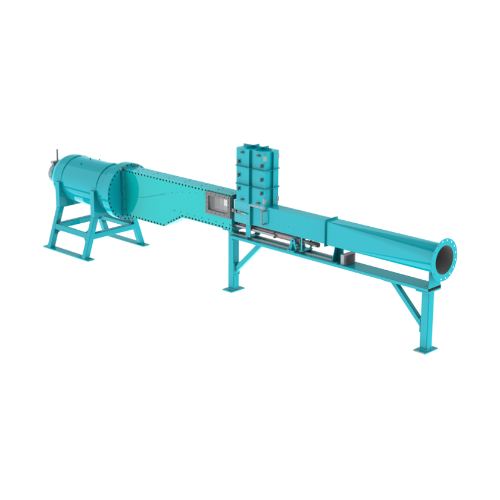
Tell us about your requirement

Price:
Quantity
Select Unit
- 50
- 100
- 200
- 250
- 500
- 1000+
Additional detail
Mobile number
Email

More Products in Speciality Wind Tunnels Category
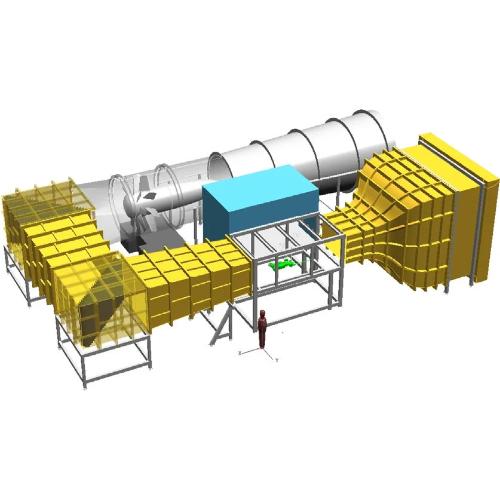
Large Wind Tunnel
Price 500000.0 INR / Unit
Minimum Order Quantity : 1 Unit
Coating Type : Corrosion Resistant Paint
Pressure Output : Up to 2.5 kPa
Processing Type : Other, Dynamic Airflow Testing
Voltage : 415V, 3 Phase
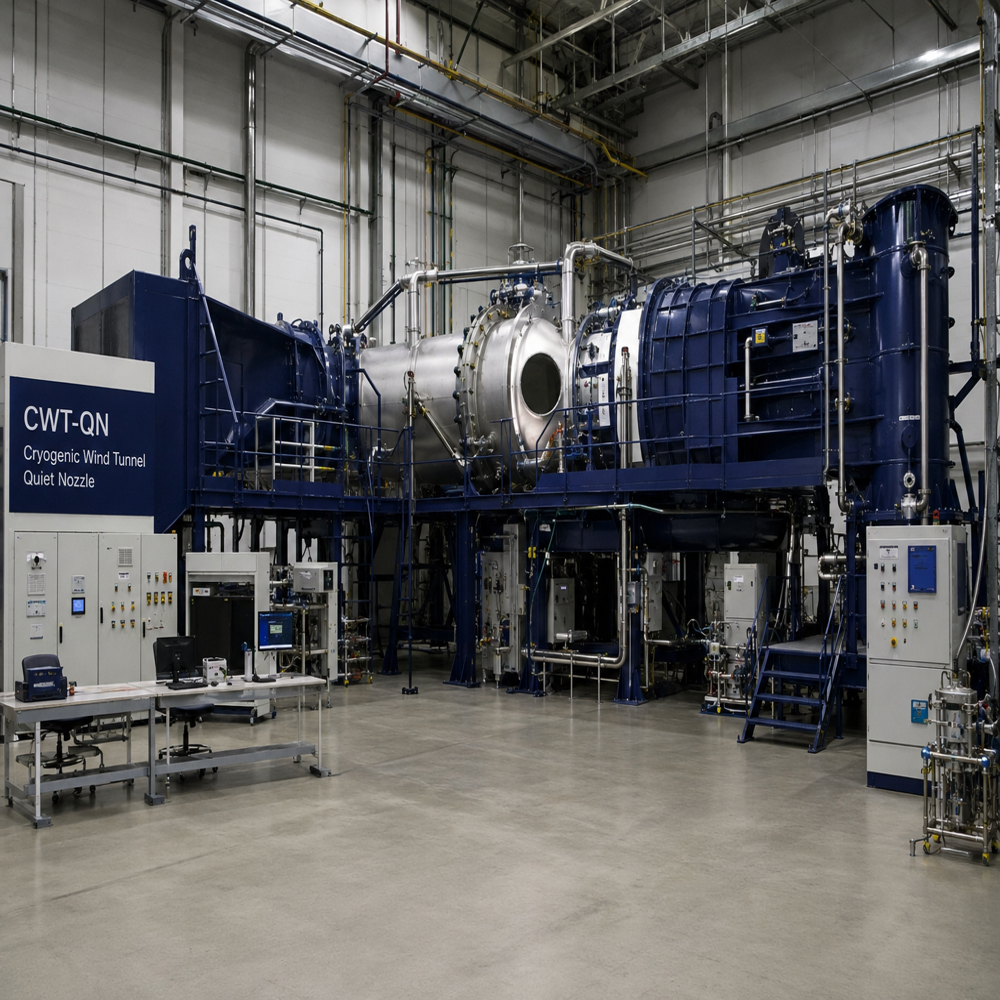
Cryogenic Wind Tunnel / Quiet Nozzle
Price 500000.0 INR / Piece
Minimum Order Quantity : 1 Piece
Coating Type : Anticorrosive Surface Treatment
Pressure Output : 0.1 4 bar (configurable)
Processing Type : Other, Precision Machined, Assembled under Controlled Environment
Voltage : 380V / 50Hz
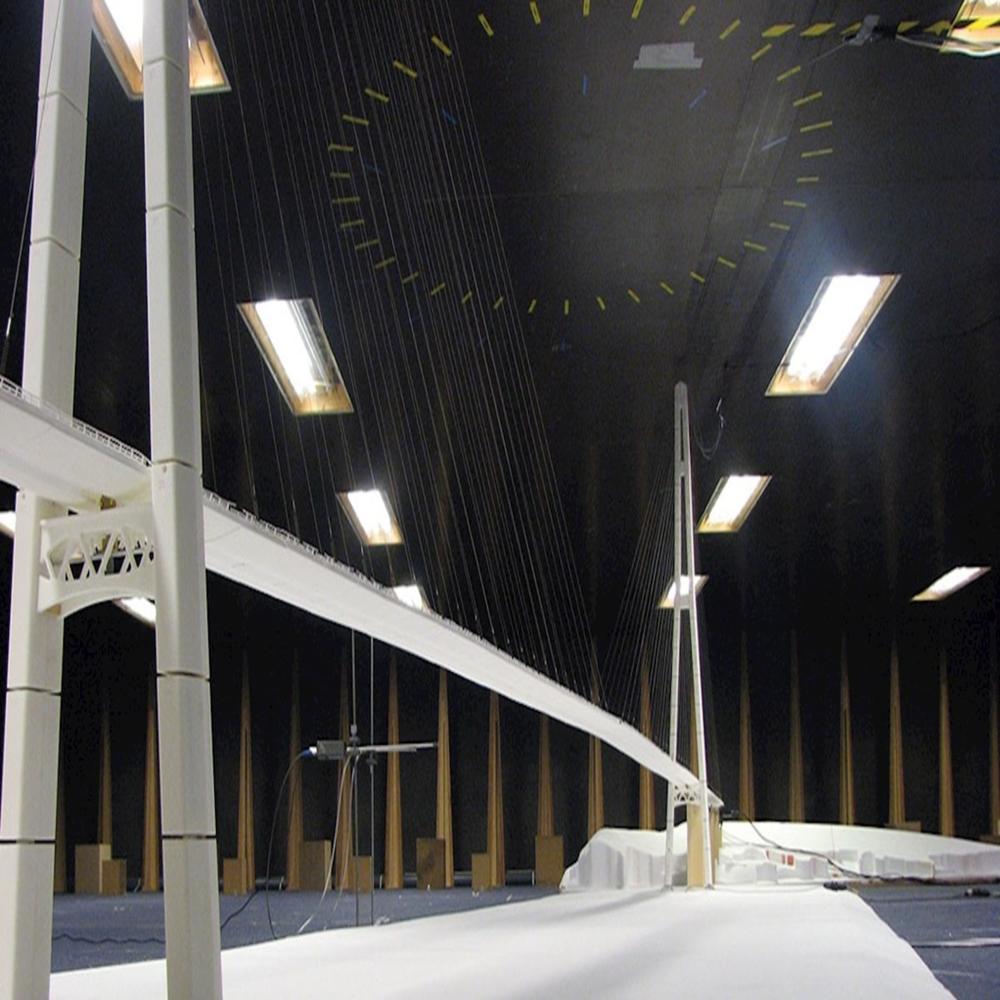
Wide Boundry Layer Wind Tunnel
Minimum Order Quantity : 1 Unit
Coating Type : Powder Coated
Pressure Output : Up to 2500 Pa
Processing Type : Other, Mechanical
Voltage : 220V, 50/60Hz
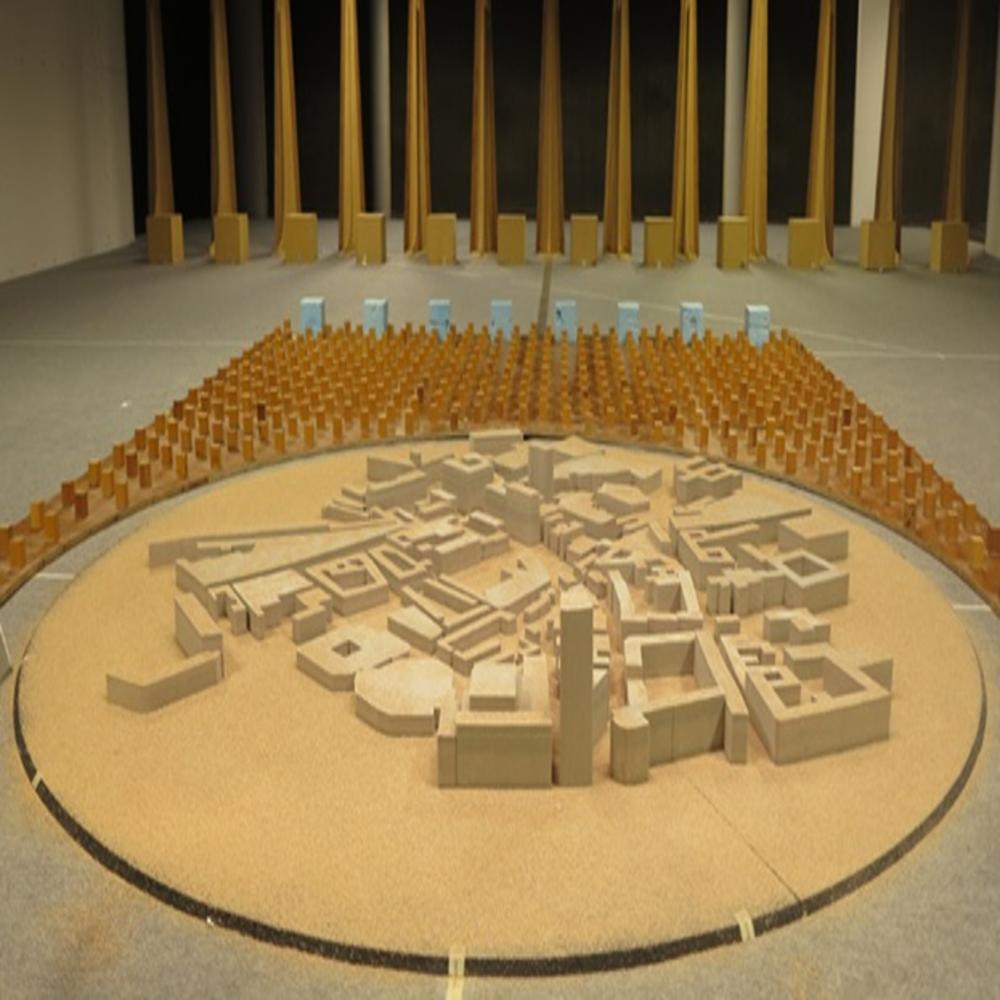
Trun Wide Boundry Layer Wind Tunnel
Minimum Order Quantity : 1 Unit
Coating Type : Powder coated
Pressure Output : Variable, up to 2000 Pa
Processing Type : Other, Dynamic airflow testing
Voltage : 220240V, 50/60Hz

 Send Inquiry
Our Products


Plot No - 553, Phase 2 GIDC Vatva, Near Railway Station Vatva,Ahmedabad - 382445, Gujarat, India

Mr Devang Modi
(Director)
Mobile :08045801217
 Send Inquiry
 Send SMS
Developed and Managed by Infocom Network Private Limited.
