
Call us now :08045801217
 Send Inquiry
 Send Inquiry
Hypersonic Wind Tunnel
Price 500000.0 INR/ Unit
MOQ : 1 Unit
Hypersonic Wind Tunnel About
Marketing Overview
Our hypersonic wind tunnel systems are designed for cutting-edge aerodynamic research in extreme high-speed regimes (Mach 5 and above). Engineered to simulate realistic flight conditions for missiles, spacecraft, and re-entry vehicles, these tunnels enable precise analysis of high-temperature flow physics, shock interactions, and aerodynamic heating.
Utilizing advanced blowdown and vacuum-assisted flow generation, combined with high-temperature air heating systems, the tunnel delivers stable hypersonic flow conditions. Multiple configurationsincluding shock tunnels and hot-shot facilitiesallow flexibility for a wide range of experimental requirements, from force measurement to heat transfer and ablation studies.
Technical Datasheet (Generalized Ranges)
1. System Classification
- Mach Number Range: 5 15+ (higher on request)
- Flow Regime: Hypersonic
2. Test Section Specifications
- Type: Closed test section (typical)
- Shape: Circular / Square
- Cross-Section Area: 0.01 m 3 m
- Typical Diameter / Size: 0.1 m 2 m
- Length: 0.5 m 5 m
3. Flow Performance
- Velocity Range: ~1500 m/s 5000+ m/s
- Mach Number Control Accuracy: 0.02 0.1
- Flow Uniformity: 1% 2%
- Test Duration (Blowdown / Shock): Milliseconds to several seconds
4. Flow Generation System
- Type:
- Blowdown with vacuum-assisted exhaust
- Shock tunnel / impulse facility
- Hot-shot / arc-heated systems
- Pressure Generation:
- Upstream high-pressure storage: 10 bar 200+ bar
- Downstream vacuum tank for enhanced pressure differential
5. Thermal Management
- Total Temperature Range: 300 K 3000+ K (depending on heating method)
- Heating Methods:
- Electrical heaters
- Combustion heating
- Arc heating (for very high temperatures)
- Purpose:
- Prevent gas liquefaction
- Simulate high-temperature flight conditions
6. Nozzle System
- Type: Convergent-Divergent (Hypersonic nozzle)
- Design: High expansion ratio for hypersonic flow
- Configuration: Fixed or interchangeable contour
7. Operating Conditions
- Reynolds Number: Up to 10 10 (higher with specialized systems)
- Flow Density: Wide range (including low-density simulation options)
8. Key Components
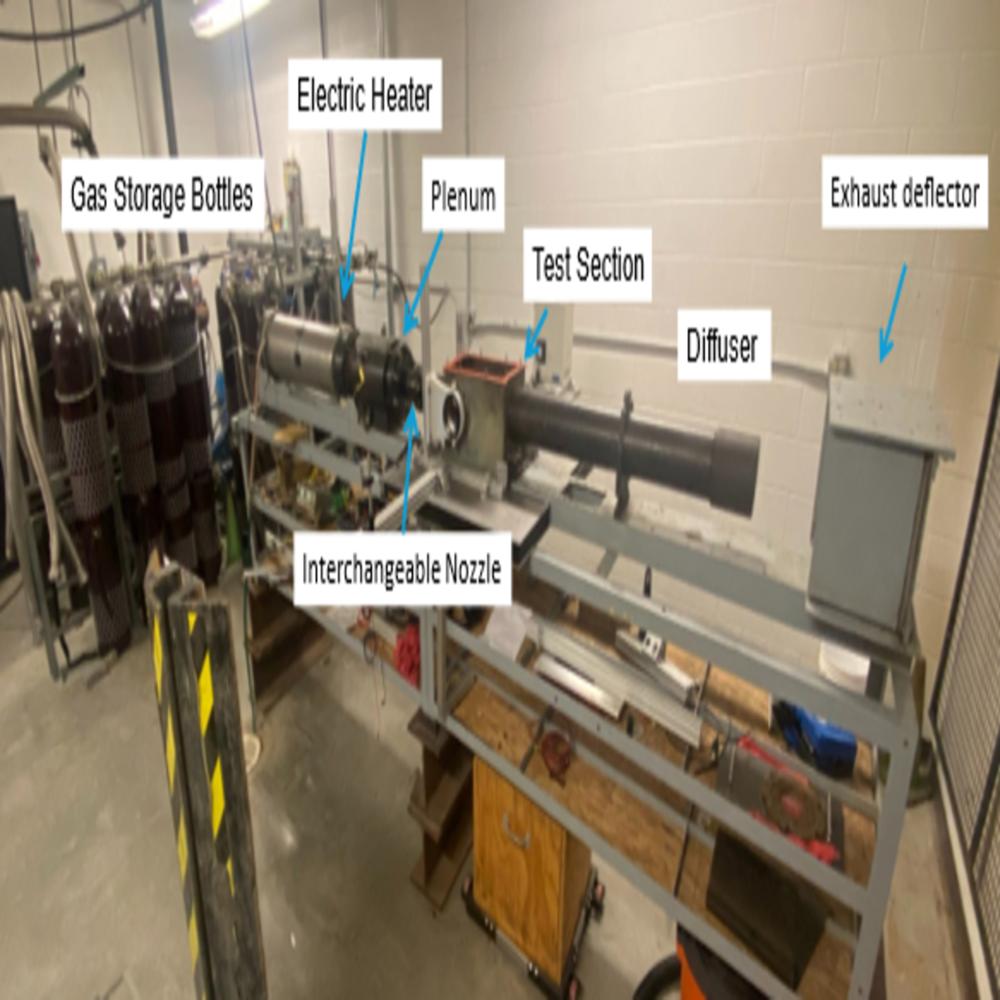
- Settling chamber with heating system
- High-pressure air storage system
- Hypersonic nozzle assembly
- Test section with thermal protection (optional)
- Vacuum tank / exhaust system
- Control valves and instrumentation
9. Instrumentation (Optional)
- High-frequency pressure sensors
- Force and moment balances
- Heat flux gauges
- Schlieren / shadowgraph systems
- High-speed imaging systems
- Data acquisition systems (DAQ)
10. Applications
- Missile and re-entry vehicle testing
- Spacecraft and satellite aerodynamics
- Thermal protection system (TPS) studies
- Aerodynamic heating and ablation analysis
- High-speed flow physics research
11. Optional Configurations
- Shock tunnel
- Low-density (rarefied flow) wind tunnel
- Hot-shot / arc-jet tunnel
- Light piston / gas piston tunnel
- Long-duration hypersonic facility
12. Customization Options
- Mach number range and test duration
- Test section size and geometry
- Heating method and temperature capability
- Pressure and vacuum system design
- Advanced diagnostics and instrumentation
Tell us about your requirement

Price:
Quantity
Select Unit
- 50
- 100
- 200
- 250
- 500
- 1000+
Additional detail
Mobile number
Email

More Products in Speciality Wind Tunnels Category
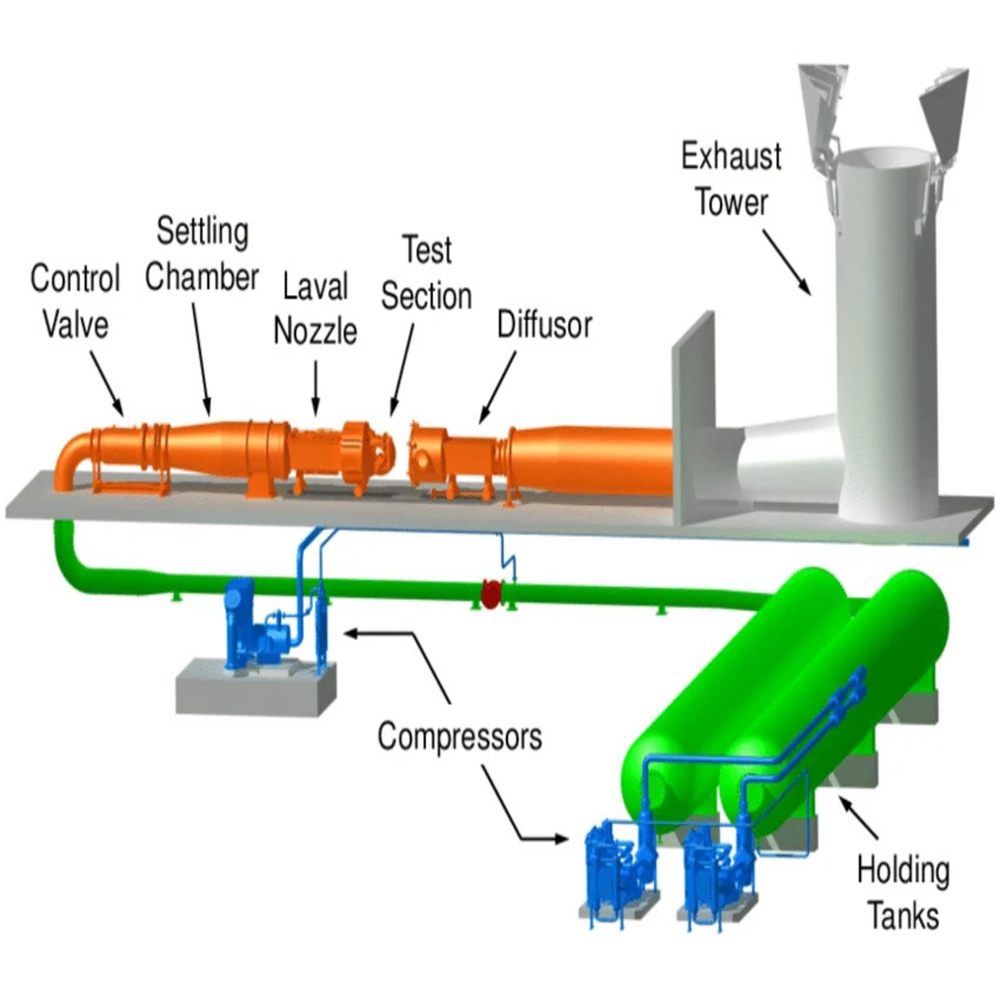
Trisonic Wind Tunnel
Price 500000.0 INR / Number
Minimum Order Quantity : 1 Number
Coating Type : Epoxy Coated
Power Consumption : Ac Motor Driven, varies by model
Power Mode : Electric
Technology : Other, Trisonic (Subsonic, Transonic, Supersonic)
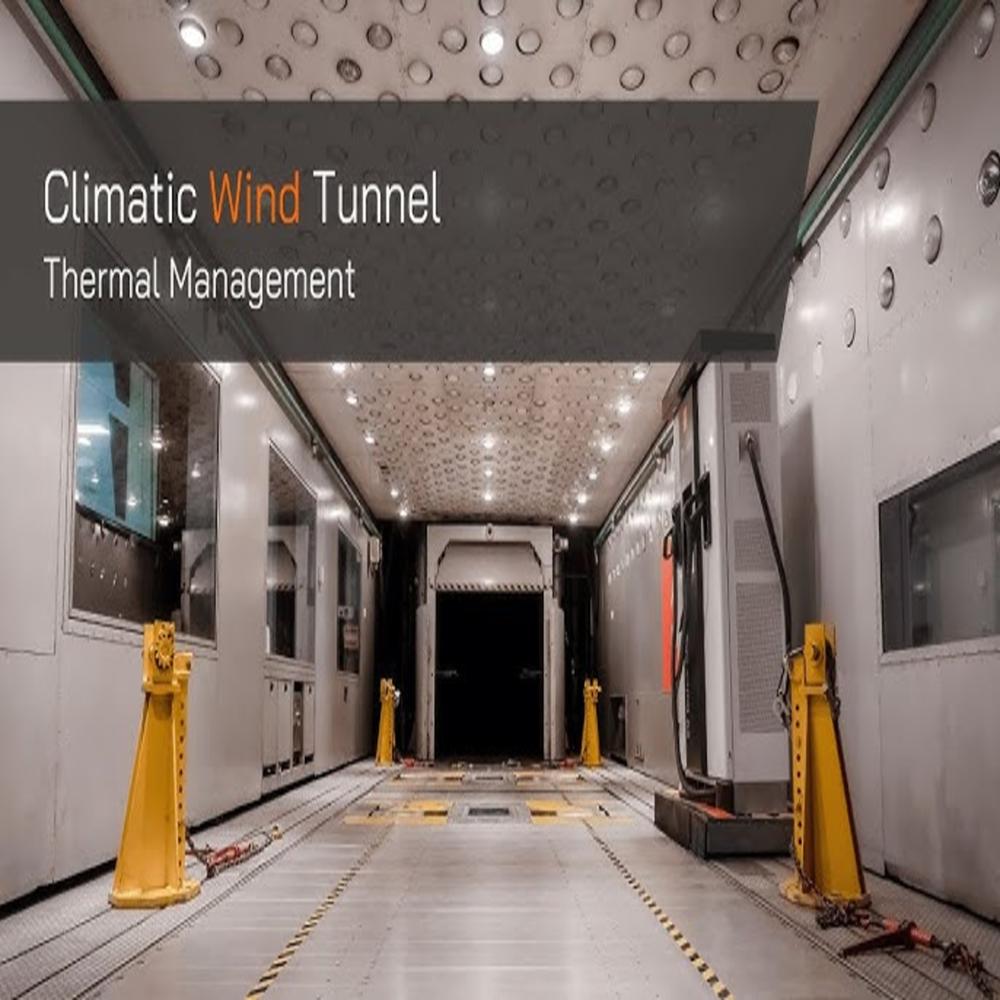
Climatic Wind Tunnel
Price 500000.0 INR / Unit
Minimum Order Quantity : 1 Unit
Coating Type : Anticorrosive epoxy coating
Power Consumption : 120 kW typical
Power Mode : Electric
Technology : Other, Advanced simulation with precision climate and airflow control
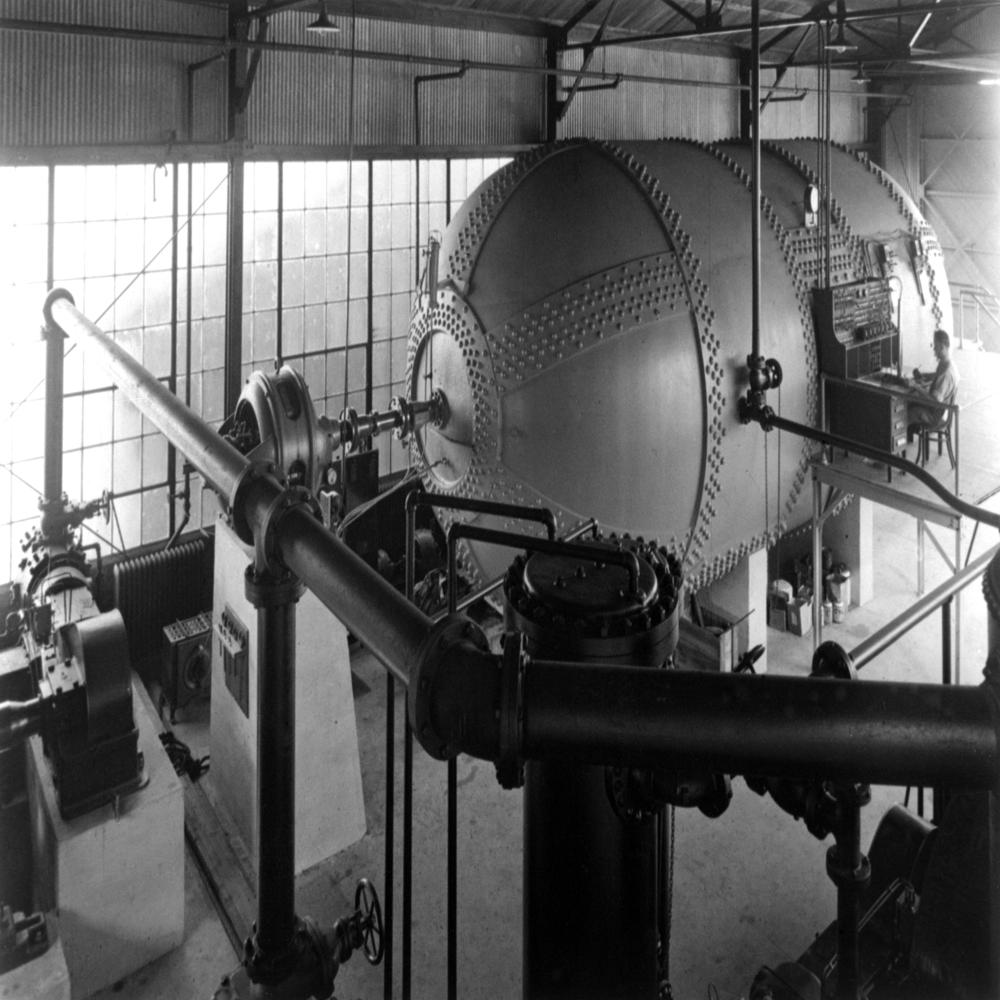
Variable Density Wind Tunnel
Price 500000.0 INR / Unit
Minimum Order Quantity : 1 Unit
Coating Type : Powder Coated Epoxy Finish
Power Consumption : Approx. 1015 kW (depending on model)
Power Mode : Electric
Technology : Other, Variable Density Wind Tunnel
Shock Tunnel
Minimum Order Quantity : 1 Number
Coating Type : Anticorrosive coating
Power Consumption : Varies per application, generally 515 kW
Power Mode : Electric
Technology : Other, Shock Tube Technology

 Send Inquiry
Our Products


Plot No - 553, Phase 2 GIDC Vatva, Near Railway Station Vatva,Ahmedabad - 382445, Gujarat, India

Mr Devang Modi
(Director)
Mobile :08045801217
 Send Inquiry
 Send SMS
Developed and Managed by Infocom Network Private Limited.
