
Call us now :08045801217
 Send Inquiry
 Send Inquiry
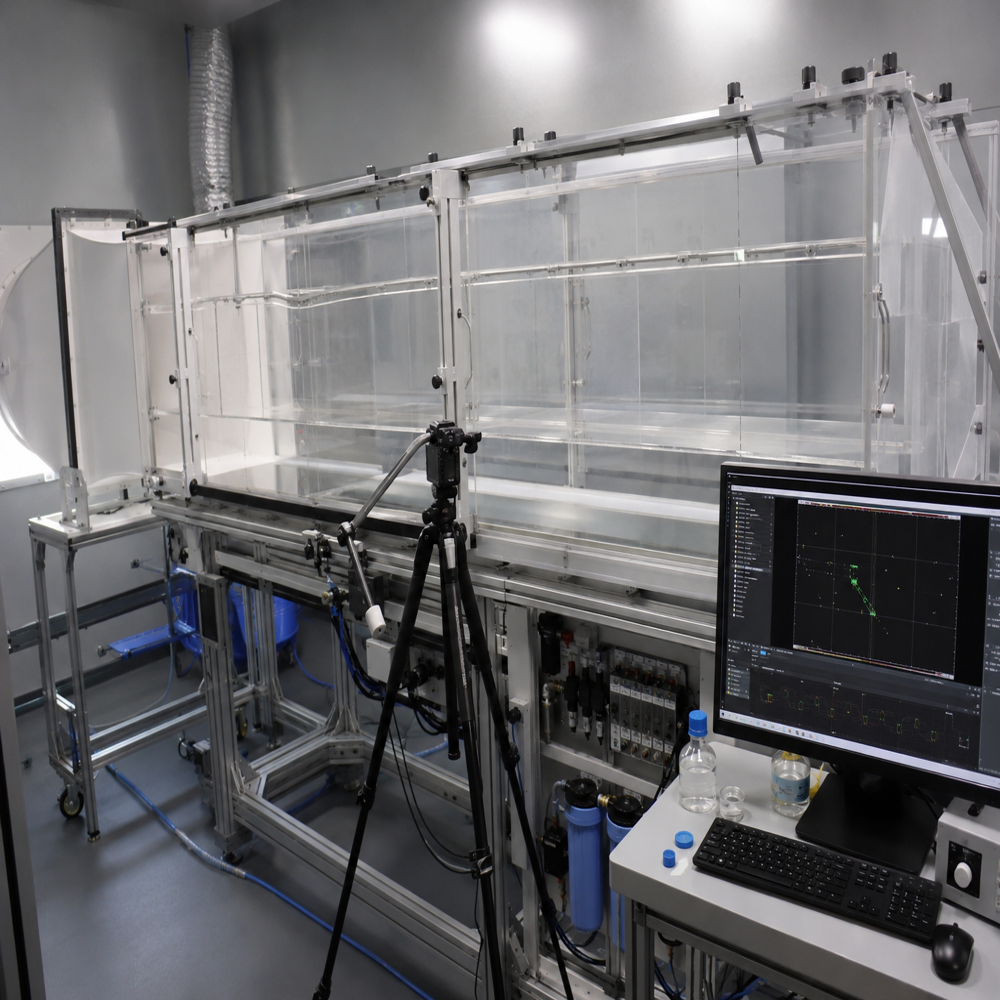
Wind Tunnels for Various Researches
Price 500000.0 INR/ Piece
MOQ : 1 Piece
Wind Tunnels for Various Researches Specification
- Equipment Type
- Wind Tunnel
- Material
- Mild Steel / Stainless Steel Construction
- Processing Type
- Standard/Custom Engineered
- Condition
- New
- Technology
- Closed and Open Circuit Wind Tunnel
- Dimension (L*W*H)
- As per customer specification
- Power Mode
- Electric Motor Driven
- Voltage
- 220V-415V AC, 50/60Hz
- Power Consumption
- 2 kW to 20 kW (depending on size and model)
- Pressure Output
- Adjustable, up to 600 mm H2O
- Application
- Aerodynamics, Industrial, and Academic Researches
- Coating Type
- Powder Coated / Painted Finish
- Accessories
- Balance, Pressure Taps, Smoke Generator, Pitot Tube, Data Acquisition System
- Control System
- Digital Variable Speed Drive
- Fan Type
- Axial Flow or Centrifugal
- Installation Type
- Floor Mounted or Table Top
- Operational Mode
- Manual or Automatic
- Flow Conditioning
- Honeycomb and Screens
- Data Interface
- USB / RS232 / Ethernet
- Measurement Range
- Velocity, Pressure, Lift, Drag, Temperature
- Test Section Size
- Customizable from 150mm x 150mm up to 1200mm x 1200mm
- Noise Level
- <70 dB at nominal speed
- Working Speed
- Variable (up to 60 m/s or customized)
Wind Tunnels for Various Researches About
Marketing Overview
Our Wind Tunnel Systems for Research Applications are designed to support a wide range of scientific and industrial studies requiring controlled airflow simulation. These systems enable accurate replication of real-world conditions, helping researchers analyze complex flow phenomena, optimize designs, and improve safety and efficiency across multiple sectors.
With flexible configurations and scalable test environments, these wind tunnels provide reliable, repeatable data for environmental, structural, and aerodynamic research.
Technical Datasheet (Generalized Ranges)
1. System Classification
- Type: Open-circuit / Closed-circuit / Boundary-layer / Custom
- Flow Regime: Low-speed to Subsonic (typical)
2. Test Section
- Shape: Rectangular / Circular / Custom
- Size Range: ~0.5 m 10+ m
- Length: ~2 m 30+ m (extended for boundary layer simulation)
3. Flow Performance
- Velocity Range: ~0.2 m/s 100 m/s
- Flow Uniformity: 1% 3%
- Turbulence Intensity: <0.1% 1%
- Reynolds Number: ~10 10
4. Environmental Simulation (Optional)
- Temperature control: ~ -20C to +60C
- Humidity and pollutant injection systems
- Particulate / gas dispersion simulation
- Atmospheric boundary layer generation
5. Measurement & Instrumentation
- Velocity and flow visualization systems (PIV, smoke)
- Gas concentration and pollutant sensors
- Force and pressure measurement systems
- Data acquisition and real-time analysis
Key Application Areas
1. Pollution Control & Environmental Studies
- Simulation of air pollution dispersion (urban & industrial)
- Analysis of emissions from vehicles and factories
- Study of smog formation and airflow patterns
- Optimization of ventilation and pollution mitigation strategies
2. Civil Engineering (Buildings & Bridges)
- Wind load and structural response testing
- Optimization of high-rise building design
- Bridge aerodynamics and vibration analysis
- Safety evaluation under extreme wind conditions
3. Aerospace & Marine Development
- Aircraft aerodynamic design and validation
- Ship hull optimization and drag reduction
- Flow interaction studies for complex geometries
- Performance improvement and efficiency analysis
6. Key Advantages
- Multi-purpose research capability
- Scalable and customizable configurations
- Accurate simulation of real-world conditions
- High repeatability for experimental validation
7. Customization Options
- Large-scale boundary layer tunnels
- Environmental simulation modules
- Advanced measurement systems
- Industry-specific test setups
Positioning Tip
Place this section as
Applications / Industry Solutions
This works best as a cross-cutting section in your catalog to show real-world value, not just product specs.
State-of-the-art Versatility
These wind tunnels are designed for a wide array of research applications, featuring both open and closed circuit options to suit varied testing requirements. Users can choose between floor-mounted or table-top installations, ensuring maximum flexibility and space efficiency for every laboratory or industrial workspace.
Customizable and User-Centric
Adapt each wind tunnel to your precise research needs with customizable test section sizes and digital variable speed control. Accessories such as balance systems, pressure taps, smoke generators, and specialized pitot tubes enhance experimentation, while a robust material build ensures long-term reliability.
Comprehensive Data Acquisition
Equipped with modern interfaces including USB, RS232, and Ethernet, the wind tunnels enable seamless integration with data systems. Measure key parameters like velocity, pressure, lift, drag, and temperature, all while maintaining noise levels below 70 dB for a conducive research environment.
FAQ's of Wind Tunnels for Various Researches:
Q: How can I customize the test section size for my specific research requirements?
A: Our wind tunnels offer fully customizable test section sizes, ranging from 150mm x 150mm up to 1200mm x 1200mm. You can specify the desired dimensions at the time of ordering, ensuring the equipment perfectly fits your experimental needs.Q: What types of measurements can be taken with this wind tunnel?
A: These wind tunnels enable measurement of velocity, pressure, lift, drag, and temperature. With integrated data acquisition systems and accessories like pitot tubes and pressure taps, you can obtain accurate, comprehensive data for various research applications.Q: When should I choose a closed circuit versus an open circuit wind tunnel?
A: A closed circuit wind tunnel is preferred when precise control over airflow and a clean, repeatable environment are needed. Open circuit types are often selected for simpler tests or when budgetary considerations are paramount. Your selection depends on your research goals and available resources.Q: Where can these wind tunnels be installed?
A: This equipment supports both floor-mounted and table-top installations, offering adaptability for laboratories, industrial sites, and educational institutions. Dimensions are tailored to customer specifications, making placement hassle-free.Q: What is the process for adjusting airflow speed and pressure during operation?
A: Wind speed is controlled using a digital variable speed drive, allowing precise adjustments up to 60 m/s or as specified. Pressure output can be varied up to 600 mm H2O to match your testing parameters. Both manual and automatic modes are available for operational convenience.Q: How does the built-in flow conditioning system benefit experimental outcomes?
A: The flow conditioning system, which includes honeycomb structures and screens, ensures a steady, uniform airflow by reducing turbulence. This results in more accurate and reproducible data during aerodynamic experiments.Q: What are the benefits of the digital data interface options provided?
A: With USB, RS232, and Ethernet interfaces, data transfer is simplified and flexible. These options facilitate efficient acquisition, monitoring, and analysis of experiment results directly on your preferred computing platforms.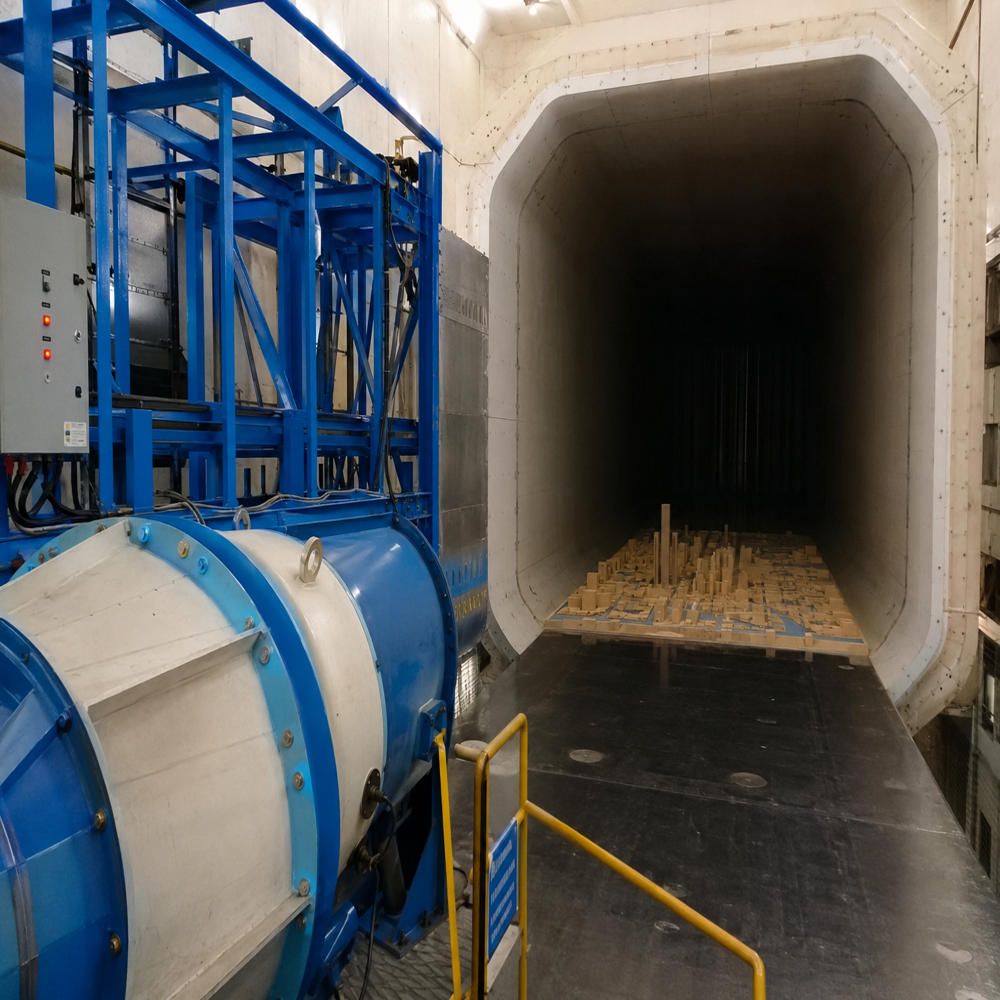
Tell us about your requirement

Price:
Quantity
Select Unit
- 50
- 100
- 200
- 250
- 500
- 1000+
Additional detail
Mobile number
Email

More Products in Speciality Wind Tunnels Category
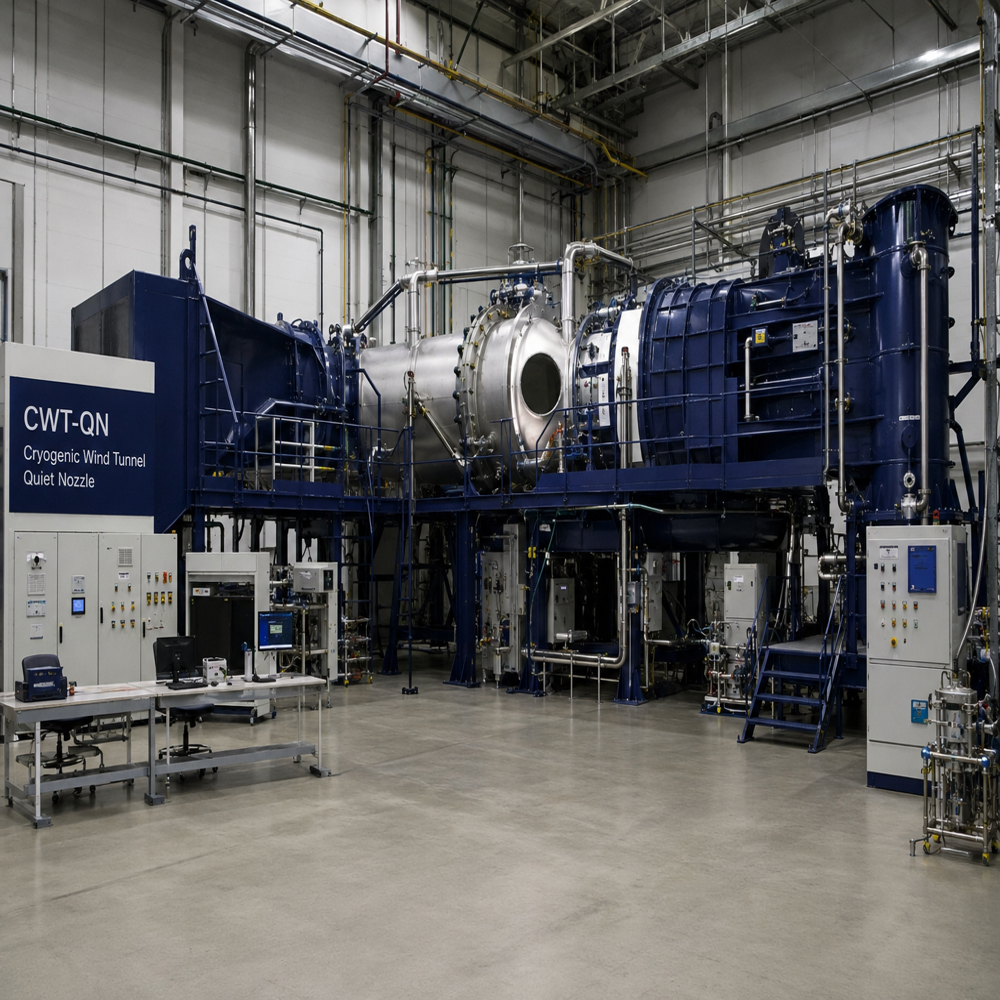
Cryogenic Wind Tunnel / Quiet Nozzle
Price 500000.0 INR / Piece
Minimum Order Quantity : 1 Piece
Power Mode : Other, Electric Powered, HighCapacity Cryogenic Cooling System
Condition : New
Accessories : Interchangeable Nozzle Inserts, Calibration Devices, Pressure Sensing Ports, Mounting Brackets
Processing Type : Other, Precision Machined, Assembled under Controlled Environment
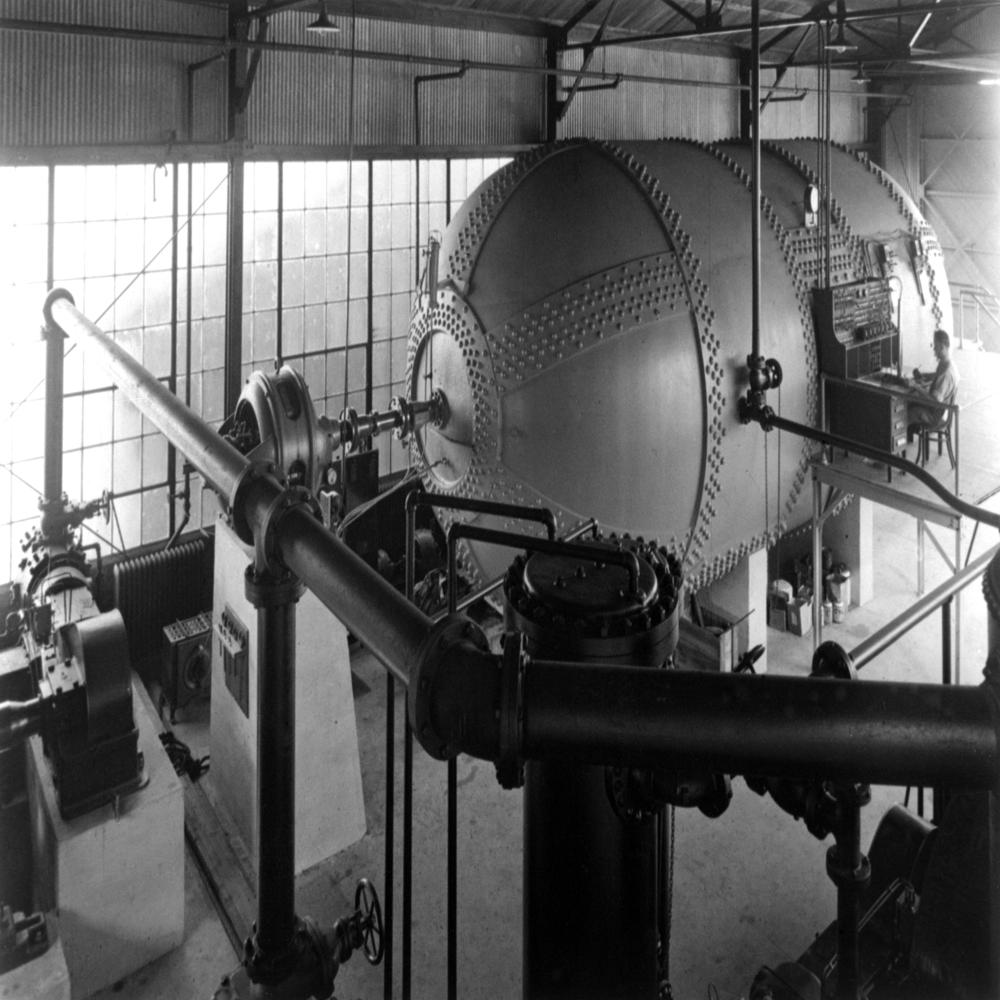
Variable Density Wind Tunnel
Price 500000.0 INR / Unit
Minimum Order Quantity : 1 Unit
Power Mode : Electric
Condition : New
Accessories : Diffuser, Test Section, Settling Chamber, Control Panel, Model Supports
Processing Type : Other, Fluid Dynamics Testing
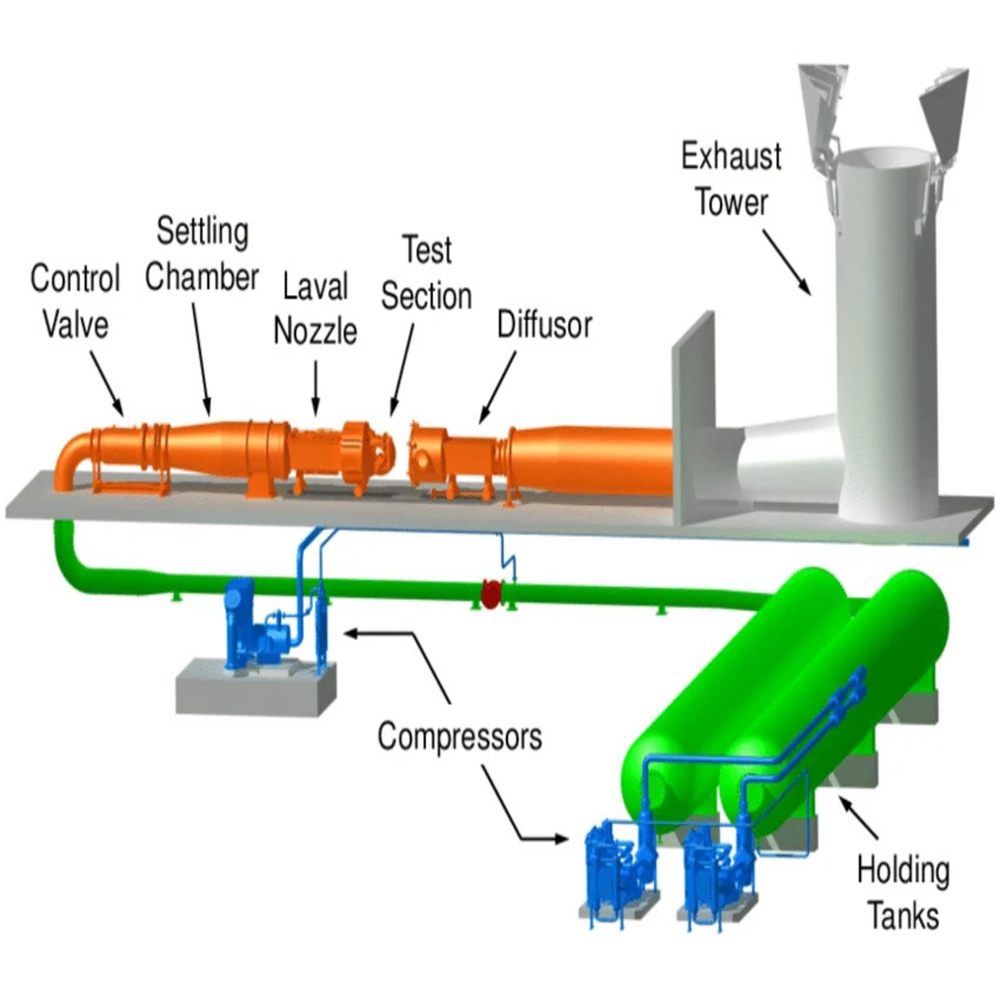
Trisonic Wind Tunnel
Price 500000.0 INR / Number
Minimum Order Quantity : 1 Number
Power Mode : Electric
Condition : New
Accessories : Control Panel, Data Acquisition System, Model Support
Processing Type : Other, Mechanical
Bio-Assyl Wind Tunnel
Price 500000.0 INR / Unit
Minimum Order Quantity : 1 Unit
Power Mode : Electric
Condition : New
Accessories : HEPA Filter, Control Panel, Mounting Stand
Processing Type : Other, Precision Machined

 Send Inquiry
Our Products


Plot No - 553, Phase 2 GIDC Vatva, Near Railway Station Vatva,Ahmedabad - 382445, Gujarat, India

Mr Devang Modi
(Director)
Mobile :08045801217
 Send Inquiry
 Send SMS
Developed and Managed by Infocom Network Private Limited.
